
Spring Commissioning: Getting Your Jet Ski Ready for Summer Fun
Don't let a poorly maintained PWC ruin your summer. Our ultimate guide to spring jet ski prep covers every step to get your watercraft from storage to splashdown safely and reliably for the 2026 season.

Spring Commissioning: Your Ultimate Guide to Spring Jet Ski Prep
The days are getting longer, the air is getting warmer, and the call of the open water is becoming impossible to ignore. For personal watercraft (PWC) enthusiasts, this means one thing: the 2026 boating season is just around the corner. But before you can experience the thrill of carving through the waves, a crucial process must take place. This comprehensive guide is dedicated to the essential task of spring jet ski prep, ensuring your machine is safe, reliable, and ready for a summer of fun. Neglecting this dewinterizing process can lead to costly repairs and, more importantly, lost time on the water. Whether you're a seasoned rider or a newcomer who just bought your first PWC, following these steps will get your watercraft from storage to splashdown without a hitch.
The Essential Dewinterization Checklist: From Cover to Battery
Your jet ski has been sitting dormant for months, and the first step is a thorough top-to-bottom inspection. This initial phase of your spring jet ski prep sets the stage for everything else. Start by removing the cover and giving the entire machine a good cleaning with a marine-safe soap. This isn't just for aesthetics; washing your PWC allows you to get a close look at the hull, seat, and handlebars, making it easier to spot any potential issues that were hiding under a layer of dust. For those in dusty climates like where you might find jet skis for sale in Arizona, this initial cleaning is especially critical to remove fine grit that can damage surfaces.
Visual Inspection and Cleaning
As you clean, perform a detailed visual inspection. Look for any cracks, dings, or deep scratches in the fiberglass or composite hull. Pay special attention to the bond line where the deck and hull meet. Check the condition of the traction mats; if they are peeling, now is the time to re-glue or replace them. Inspect the seat vinyl for any rips or tears that could worsen with sun and water exposure. Test all latches on storage compartments and ensure they close securely. This is also a great time to check for any signs of pests that may have made a home in your PWC over the winter, inspecting wiring and hoses for any chew marks. A well-maintained appearance is a key selling point, something to keep in mind if you ever decide to browse jet skis for sale for an upgrade.
Reviving the Battery
The heart of your jet ski's electrical system is its battery, and it's often the first casualty of a long winter. Hopefully, you stored it on a battery tender as recommended. If so, your job is easy. If not, the first step is to retrieve the battery from the hull or your storage spot. Clean the terminals with a wire brush to remove any corrosion, which appears as a white or greenish powder. Once clean, connect it to a smart charger designed for AGM or lead-acid batteries. A good charger will not only charge the battery but also test its health. A fully charged PWC battery should read between 12.6 and 12.8 volts. If it won't hold a charge above 12.4 volts after being on the charger, it's likely time for a replacement. Don't risk getting stranded; a new battery is cheap insurance for a trouble-free season. Once charged, install it back in the jet ski, ensuring the positive and negative cables are connected securely to the correct terminals. A light coat of dielectric grease on the terminals can help prevent future corrosion.
Fuel System and Engine Revival
The engine and its supporting systems are the most complex parts of your PWC, and they require careful attention during your spring commissioning. The fuel system, in particular, is prone to issues after sitting. If you properly treated your fuel with a stabilizer before storage, you're in great shape. If not, you may have more work to do. Old, untreated gasoline can turn to varnish, clogging fuel lines, injectors, and filters. This is a primary reason for no-start conditions in the spring. A proper spring jet ski prep routine always prioritizes the fuel system. It’s the lifeblood of your engine, and ensuring it's clean and functional is non-negotiable for reliable performance on the water.
Engine Fluids and Spark Plugs
Now is the perfect time to change the engine oil and filter, even if you did it before winter storage. Condensation can build up inside the crankcase over the winter, contaminating the oil with water. Fresh oil is essential for protecting internal engine components. Refer to your owner's manual for the correct oil type and capacity for your specific model, whether it's a supercharged Kawasaki or a nimble Yamaha. While you're at it, remove the spark plugs. Inspect them for signs of fouling or wear. A healthy plug will have a light tan or grayish color on the insulator. If they are black and oily or have heavy deposits, replace them. It's inexpensive to replace spark plugs, and it can solve many common running issues. Before installing the new plugs, put a small amount of anti-seize compound on the threads and be sure to torque them to the manufacturer's specification to avoid damaging the cylinder head. Checking these items gives you confidence your engine is ready for the demands of a full season.
With the plugs still out, it's a good practice to spray a small amount of fogging oil into the cylinders and turn the engine over a few times using the start button. This ensures the cylinder walls are lubricated before the first real start, preventing a dry-start scuff. Once that's done, install the new or cleaned spark plugs. Reconnect the spark plug wires, ensuring they click firmly into place. Finally, check your coolant level in the reservoir, if your PWC is a closed-loop cooling model like many modern Kawasaki jet skis. Top it off with the recommended coolant if it's low.
Hull, Impeller, and Control Systems Inspection
With the engine bay sorted, it's time to focus on the parts of the PWC that interact with the water and give you control. The jet pump and steering systems are critical for both performance and safety. An issue here can turn a fun day into a dangerous one. Begin by looking into the jet pump intake grate on the bottom of the hull and the exit nozzle at the stern. Use a flashlight to check for any debris like rocks, rope, or plastic that may have been ingested during your last ride. Also, inspect the impeller and the wear ring. The impeller blades should be smooth and free of major nicks or dents. The wear ring is the sacrificial plastic or stainless-steel liner inside the pump housing. The clearance between it and the impeller blades should be minimal, typically less than the thickness of a credit card. Excessive clearance causes cavitation and a major loss of performance. If you see large gaps or deep grooves, it's time for a replacement. This is one of the most important checks in your spring jet ski prep.
Next, test all your control systems. Turn the handlebars from lock to lock. The steering should be smooth and effortless. If it feels stiff or gritty, the steering cable may need lubrication or replacement. Operate the throttle lever; it should snap back crisply when released. A sticky throttle is extremely dangerous. Similarly, check the reverse lever or iBR/RiDE system controls. Ensure they engage and disengage smoothly. On modern Yamaha WaveRunners with the RiDE system, you can test the bucket's movement with the battery connected but the engine off. Verifying these systems now, in your driveway, is far better than discovering a problem at the boat ramp. It’s the kind of detail that distinguishes a well-cared-for machine, like those you might find in our featured jet ski listings.
Trailer and Safety Gear Check-Up
Your PWC is almost ready, but don't forget its two most important companions: the trailer that gets it to the water and the safety gear that keeps you safe. A trailer failure can be catastrophic, and missing safety equipment can result in hefty fines. Start with the trailer tires. Check the tire pressure and inspect the sidewalls for any cracks or dry rot. Don't forget the spare! Next, test all the trailer lights, running lights, brake lights, and turn signals, by connecting the trailer to your tow vehicle. Corroded connections are a common point of failure. Check the winch strap for fraying and ensure the winch itself operates correctly. Finally, grease the wheel bearings or check the oil level in oil-bath hubs. This is a critical step, especially for those who frequent saltwater or take long trips to destinations like the lakes where you’ll find jet skis for sale in Texas.
Finally, conduct a full inventory of your safety gear. Your fire extinguisher must be fully charged and not expired; check the gauge and the date on the tag. Ensure you have enough properly-fitting life jackets (PFDs) for every rider, and that they are in good condition with no rips or broken buckles. Check your visual distress signals (flares) for their expiration date. Make sure your sound-producing device, like a whistle or horn, is attached to the lanyard or easily accessible. Completing this final part of your spring PWC preparation ensures that your first day on the water in 2026 is not only fun but also safe and legal. With this checklist complete, you're officially ready to hit the water. If during this process you realize you're ready for an upgrade, be sure to check out the newly listed jet skis for the latest models.
Frequently Asked Questions
Can I use old gas from last season in my jet ski?
It depends. If you treated the fuel with a high-quality marine fuel stabilizer before storage, it should be perfectly fine to use. However, if the fuel was left untreated for several months, it's best to safely drain it and start with a fresh tank. Untreated gasoline can degrade, causing gumming and varnishing that clogs fuel systems, leading to poor performance and expensive repairs. The cost of a few gallons of fresh fuel is much less than a fuel system cleaning.
What basic tools do I need for spring jet ski maintenance?
While some tasks require specialized equipment, you can perform most basic spring jet ski prep with a standard mechanic's toolset. Key items include a socket and wrench set (metric is most common), a screwdriver set, a spark plug socket, a battery terminal brush, a multimeter for checking battery voltage, a tire pressure gauge, and a grease gun for trailer bearings. Having these on hand will allow you to handle the majority of the checklist items mentioned in this guide.
How do I know if my jet ski battery is bad?
The most reliable way to test a battery is with a multimeter or a dedicated battery tester. After a full charge, a healthy battery should show a voltage of 12.6V or higher. If it reads below 12.4V, it's sulfated and losing capacity. Another sign is if it won't hold a charge for more than a day or two after being disconnected from the charger. Finally, if the engine turns over very slowly or just clicks when you hit the start button with a supposedly charged battery, it's a strong indicator that the battery needs to be replaced.
Conclusion: Your Summer of Adventure Awaits
Completing a thorough spring jet ski prep is your ticket to a seamless and exciting season on the water. By investing a few hours in your garage or driveway, you're not just performing maintenance; you're ensuring reliability, safety, and maximum performance every time you launch. This detailed process, from battery revival to safety checks, prevents the frustration of a failed start at the boat ramp and protects your investment for years to come. Now that your PWC is in prime condition, the only thing left to do is gather your friends, hook up the trailer, and head for the water. And if this process has you dreaming of a new ride, there's no better place to start your search than by exploring the wide variety of personal watercraft for sale on JetSportsTrader.com.
Ready to buy or sell? Explore the jet ski marketplace, jet ski valuation calculator, or sell your jet ski at Jet Sports Trader.
Related Articles
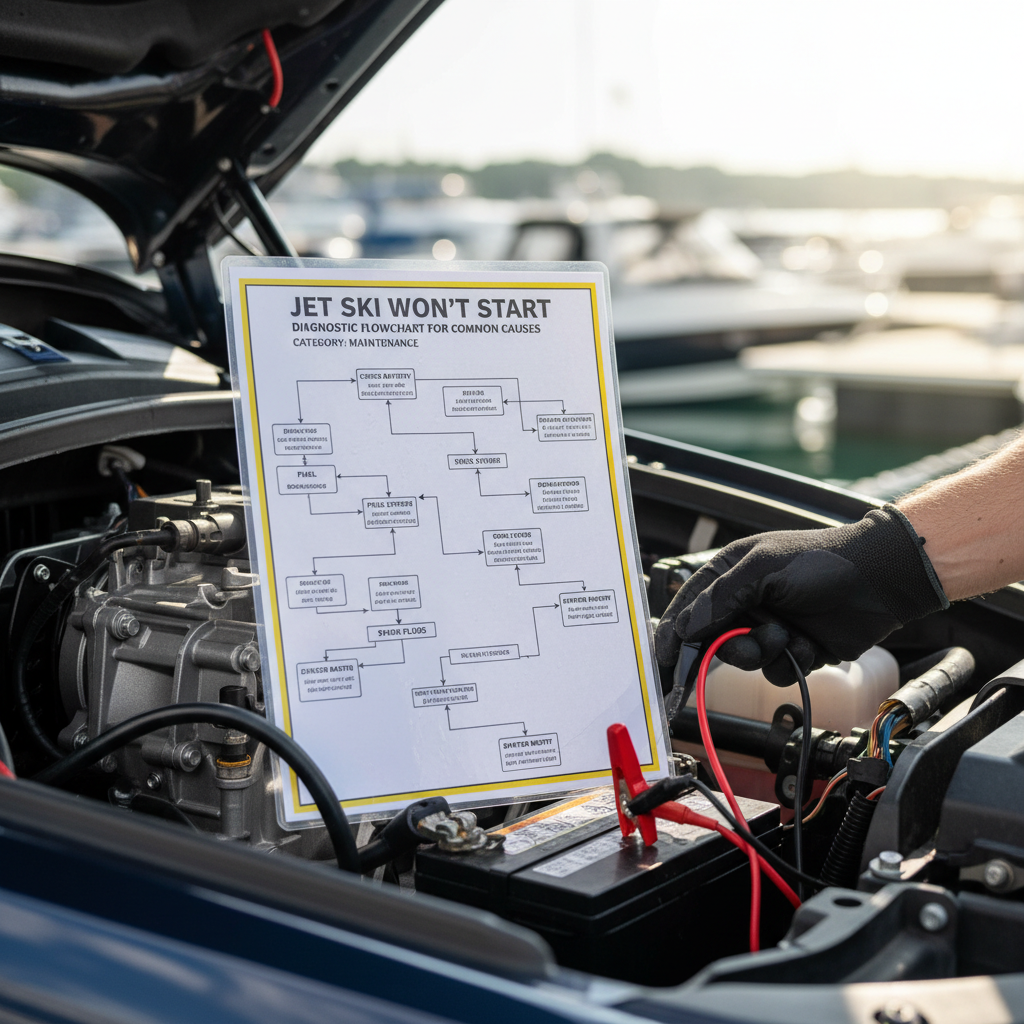
Jet Ski Won't Start: Diagnostic Flowchart for Common Causes
Frustrated by a jet ski that won't start? Our expert diagnostic flowchart helps you troubleshoot common causes, from simple fixes like the kill switch to complex electrical and fuel system issues.
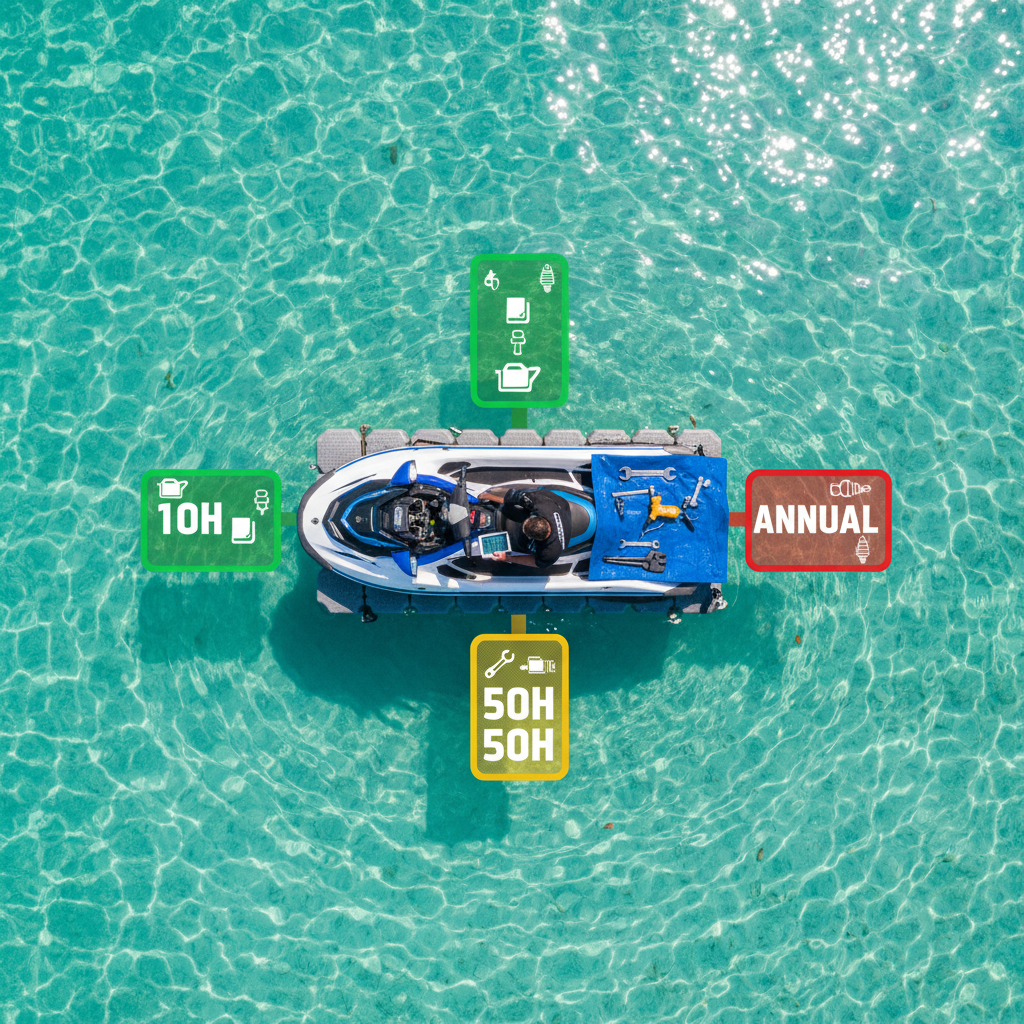
Jet Ski Maintenance Schedule: 10-Hour, 50-Hour, and Annual Service
Master your PWC's health with our definitive jet ski maintenance schedule. Learn the essential 10-hour, 50-hour, and annual service checks to ensure reliability and fun on the water.
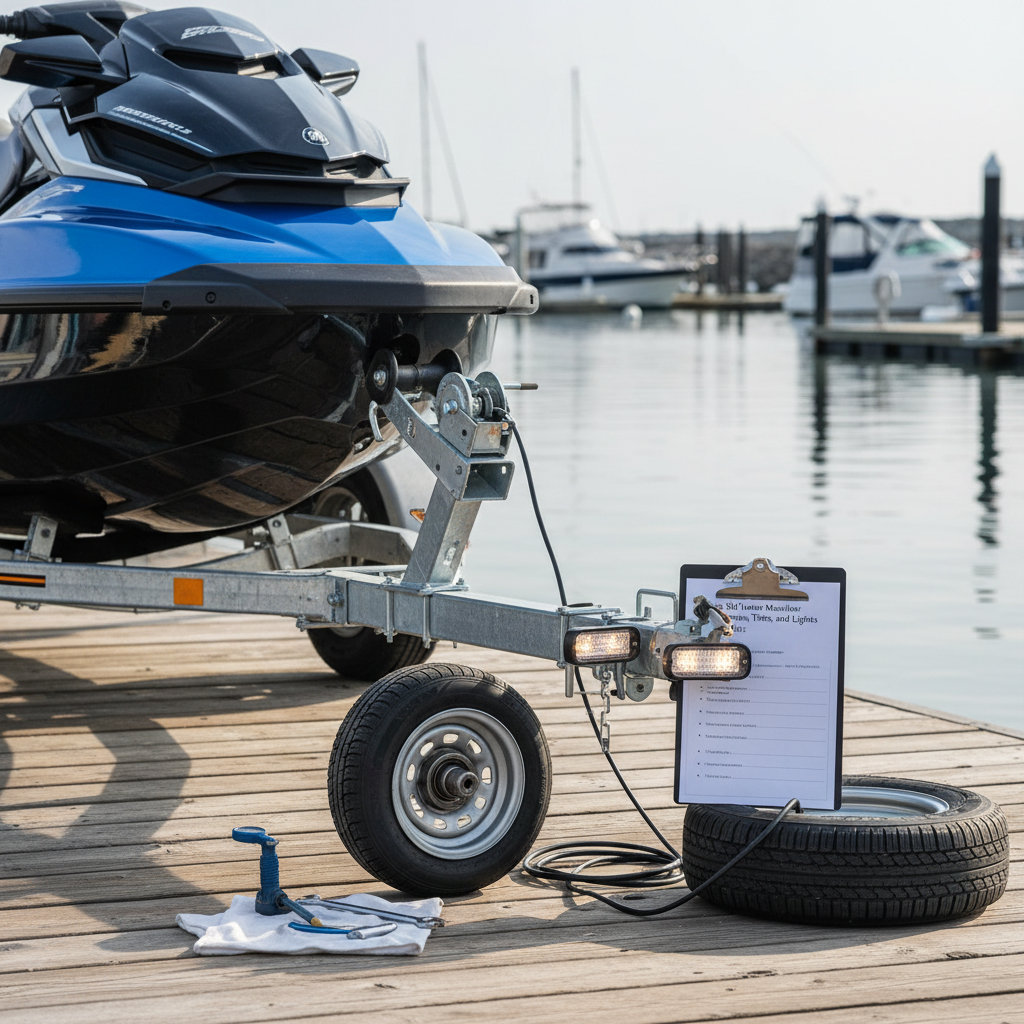
Jet Ski Trailer Maintenance: Bearings, Tires, and Lights Checklist
Don't let a breakdown ruin your day on the water. Our guide to jet ski trailer maintenance covers the critical checks for bearings, tires, and lights to keep you rolling safely.
Ready to Find Your Perfect Jet Ski?
Browse thousands of listings from trusted dealers nationwide