
Jet Ski Won't Start: Diagnostic Flowchart for Common Causes
Frustrated by a jet ski that won't start? Our expert diagnostic flowchart helps you troubleshoot common causes, from simple fixes like the kill switch to complex electrical and fuel system issues.
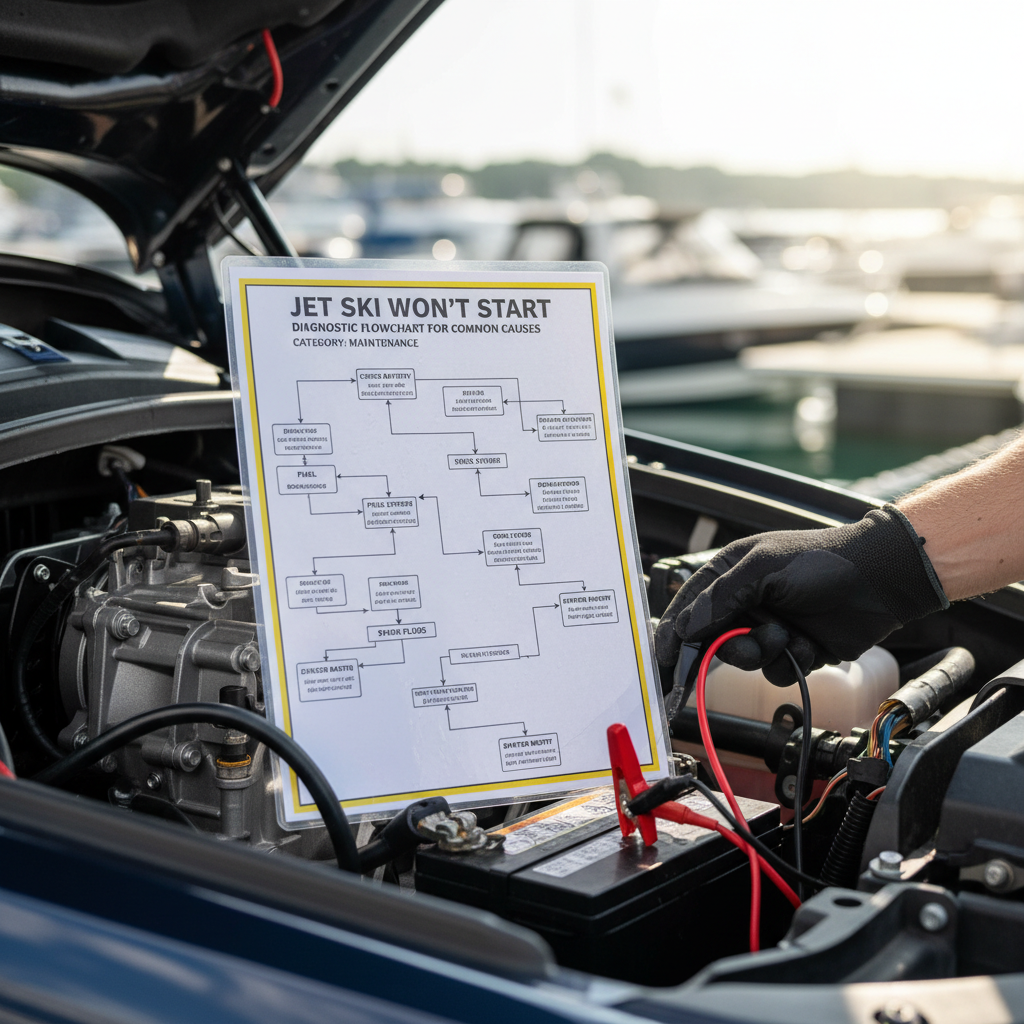
Jet Ski Won't Start: Diagnostic Flowchart for Common Causes
There's no feeling quite like the anticipation of a day on the water, only to be met with silence when you press the start button. A jet ski won't start issue can quickly turn a perfect day into a frustrating one. But don't load it back on the trailer just yet. Many common starting problems can be diagnosed and fixed with a basic understanding of your personal watercraft (PWC) and a systematic approach. This guide provides a diagnostic flowchart to help you identify the root cause, from simple oversights to more complex mechanical issues, getting you back on the water faster.
The First 5 Checks: Simple Fixes Before You Panic
Before you start tearing into the engine bay, always begin with the simplest potential problems. You'd be surprised how often a no-start condition is caused by something incredibly easy to fix. This initial five-step check can save you hours of frustration and unnecessary expense. Think of this as the essential pre-flight checklist for troubleshooting your PWC. Each step is designed to rule out the most common and basic failures that can prevent an engine from firing up. Following this order ensures you don't overlook a simple solution while searching for a complex problem.
First and foremost, check the safety lanyard, also known as the kill switch clip. It's a safety feature designed to shut off the engine if the rider falls off, but it's also the most frequent reason a jet ski won't start. Ensure the lanyard is securely attached to the designated post or switch on the console. Sometimes it can look connected but isn't seated properly, so remove it and reattach it firmly. Also, inspect the lanyard and the switch for any visible damage, corrosion, or debris that might be preventing a solid connection. This single, simple check resolves a huge percentage of starting issues for new and even experienced riders.
Next, confirm your starting procedure. Modern PWCs, especially high-performance models like many Kawasaki jet skis, have specific starting sequences. This might involve holding a brake lever, entering a security code, or ensuring the craft is in neutral. Consult your owner's manual for the exact procedure for your 2026 model. Also, check the fuel level. It sounds obvious, but running out of gas happens. Ensure you have plenty of fresh, high-quality fuel. Old fuel, especially fuel left in the tank over the winter, can degrade and cause starting problems. If the fuel is more than a few months old, it may need to be drained and replaced.
- Safety Lanyard: Is it securely attached to the kill switch?
- Starting Procedure: Are you following the correct sequence from your owner's manual?
- Fuel Level: Is there enough fresh fuel in the tank?
- Battery Switch: Is the main battery switch (if equipped) in the 'ON' position?
- Fuses: Have you checked the main fuse and other related fuses for a blown circuit?
Electrical System Troubleshooting: From Clicks to Cranks
If the basic checks don't solve the problem, the next logical place to look is the electrical system. Electrical issues are a primary culprit when a jet ski won't start. Symptoms can range from complete silence when you press the start button to a single, frustrating 'click'. Understanding these symptoms can point you directly to the source of the problem. A healthy electrical system is the nervous system of your PWC, delivering the necessary power to crank the engine and ignite the fuel. When it fails, nothing else can happen.
Testing the Battery and Connections
The battery is the heart of your PWC's electrical system. A weak or dead battery is the number one electrical reason for a no-start condition. Even if the display lights up, the battery may not have enough cranking amps to turn the engine over. Start by visually inspecting the battery terminals. They should be clean and tight. Any corrosion, which looks like white or greenish powder, can create a poor connection and should be cleaned off with a wire brush. After cleaning, ensure the cables are securely fastened. A loose connection can mimic a dead battery. For a definitive test, use a multimeter to check the battery's voltage. A fully charged 12-volt battery should read around 12.6 volts or higher. A reading below 12.2 volts indicates it needs a charge, and anything below 12 volts suggests the battery may be failing and unable to hold a charge.
Solenoid and Starter Motor Issues
What if the battery is fully charged, but you only hear a loud click when you press the start button? This classic symptom often points to a faulty starter solenoid. The solenoid is an electromagnetic switch that takes the small electrical current from your start button and uses it to close a bigger circuit, sending the full power of the battery to the starter motor. When it fails, it 'clicks' but doesn't complete the circuit. You can sometimes confirm a bad solenoid by carefully bypassing it to see if the starter engages, though this should only be done by those comfortable with electrical systems. If there's no click and no crank, and the battery is good, the problem could be the starter motor itself, the start/stop switch, or the wiring in between. Tracing these wires for damage or loose connections is the next step.
Fuel and Air System Diagnosis: Is Your Engine Starving?
If you've confirmed the engine is turning over (cranking) but still won't fire up and run, the problem likely lies within the fuel or air delivery systems. For an engine to run, it needs three things: spark, fuel, and compression. We've established the electrical system is trying to work, so now we investigate if the engine is getting the fuel it needs to combust. A cranking engine that doesn't start is a classic sign of fuel starvation or an ignition problem like fouled plugs. This is common after a long storage period or if maintenance has been neglected.
Inspecting Spark Plugs and Ignition Coils
Spark plugs are an inexpensive but critical component. Over time, they can become 'fouled' with oil, carbon, or fuel deposits, which prevents them from producing a strong, hot spark. Carefully remove the spark plugs and inspect them. They should be a light tan or grayish color. If they are black, sooty, or wet with fuel, they need to be cleaned or, more ideally, replaced. Replacing spark plugs is a simple and affordable piece of maintenance that solves a surprising number of starting issues. While the plugs are out, you can also test for spark. By grounding the plug against the engine block and cranking the engine (with the fuel pump disabled for safety), you should see a bright blue spark. A weak, orange spark or no spark at all points to a problem further up the line, such as a bad ignition coil or a faulty ECU.
Checking for Fuel Flow and Clogged Filters
If the spark plugs are good, you must confirm that fuel is actually reaching the cylinders. The first place to check is the fuel filter. Just like the oil filter in your car, the fuel filter on your PWC traps debris and can become clogged over time, restricting or completely blocking fuel flow. Check your owner's manual for its location and replacement schedule. Another common issue, especially with modern ethanol-blended fuels, is clogged fuel injectors or gummed-up carburetors. You can sometimes hear the fuel pump prime (a whirring sound) when you first attach the lanyard; if you don't hear this, it could indicate a failed fuel pump or a blown fuse for the pump circuit. Tracing the fuel lines from the tank to the engine can also reveal kinks or blockages that are starving the engine of the fuel it needs to run.
When It Might Be Time for a New PWC
While many starting issues are fixable, sometimes a persistent jet ski won't start problem is a symptom of a much larger, more severe issue. This could include internal engine damage like a seized piston, a broken connecting rod, or a complete loss of compression. Diagnosing these requires more advanced tools, like a compression tester, and significant mechanical expertise. If your engine is hydro-locked (filled with water) or makes grinding, metallic noises when you attempt to start it, stop immediately to prevent further damage. These are signs of serious trouble.
At this point, you face a critical decision: invest in a potentially very expensive engine rebuild or consider upgrading to a new watercraft. A major engine repair can easily cost thousands of dollars. Before committing to such an expense, it's wise to weigh your options. Check out our comprehensive jet ski buying guide to see what the latest models offer. You can also use a jet ski financing calculator to see how affordable a new, reliable PWC could be. Sometimes, putting that repair money towards a new or gently used model from our featured jet ski listings is the smarter long-term investment, giving you peace of mind and the latest technology for your adventures, whether you're riding in Nevada or North Carolina. Exploring the listings for jet skis for sale in Nevada can show you what's available in the region.
Ultimately, knowing your limits is key. If you've gone through the flowchart and are still facing a jet ski that won't start, it's time to consult a certified PWC mechanic. But if the diagnosis looks grim and the repair bill is high, don't forget to browse the huge selection of new and used jet skis for sale on JetSportsTrader.com. A new ride might be the best fix of all. Stay informed with our latest jet ski news and guides for more tips.
Frequently Asked Questions
Why does my jet ski click but not start?
A single, loud click when you press the start button is a classic symptom of a few specific electrical issues. The most common cause is a weak or dying battery that has enough power to engage the starter solenoid but not enough to turn the heavy engine over. It can also be caused by loose or corroded battery cables. The second most likely culprit is a faulty starter solenoid itself, which is failing to transmit the power from the battery to the starter motor.
Can a weak battery cause a jet ski not to start?
Absolutely. A weak battery is one of the most common reasons a jet ski won't start. Your PWC's engine requires a huge amount of electrical current to crank over. Even if your dashboard lights up and the gauges work, the battery may lack the necessary Cold Cranking Amps (CCA) to do the heavy lifting. Always start your diagnosis by ensuring your battery is fully charged (at least 12.6V) and the terminals are clean and tight.
What should I do if my jet ski engine is flooded with water?
If you suspect your engine is flooded with water (hydro-locked), which can happen after flipping the PWC, do NOT attempt to start it. Trying to start an engine with water in the cylinders can cause catastrophic internal damage. The correct procedure is to immediately get the PWC out of the water, remove the spark plugs, and then crank the engine over to blow the water out of the spark plug holes. Afterward, you must spray fogging oil into the cylinders and change the engine oil to displace any remaining water before attempting a restart.
Ready to buy or sell? Explore the jet ski marketplace, browse jet skis for sale, jet ski valuation calculator, or sell your jet ski at Jet Sports Trader.
Related Articles
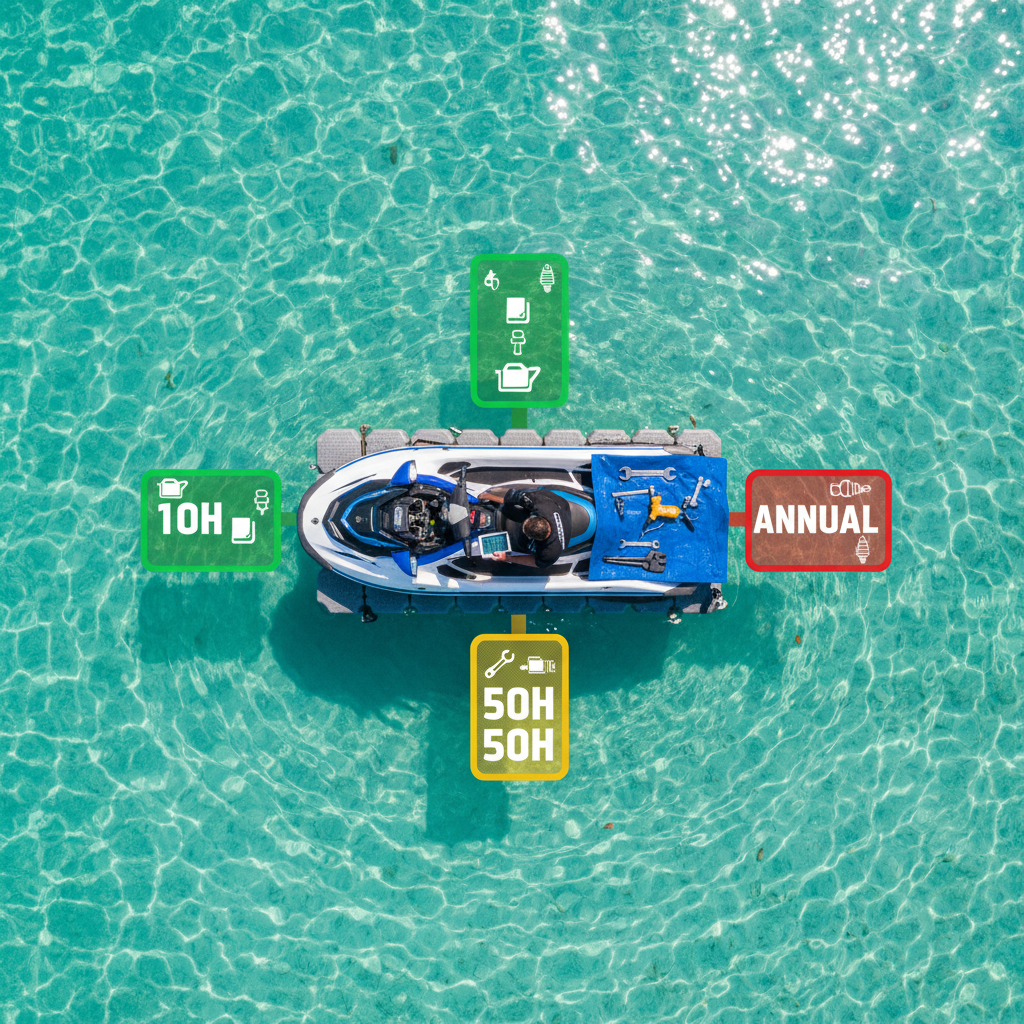
Jet Ski Maintenance Schedule: 10-Hour, 50-Hour, and Annual Service
Master your PWC's health with our definitive jet ski maintenance schedule. Learn the essential 10-hour, 50-hour, and annual service checks to ensure reliability and fun on the water.
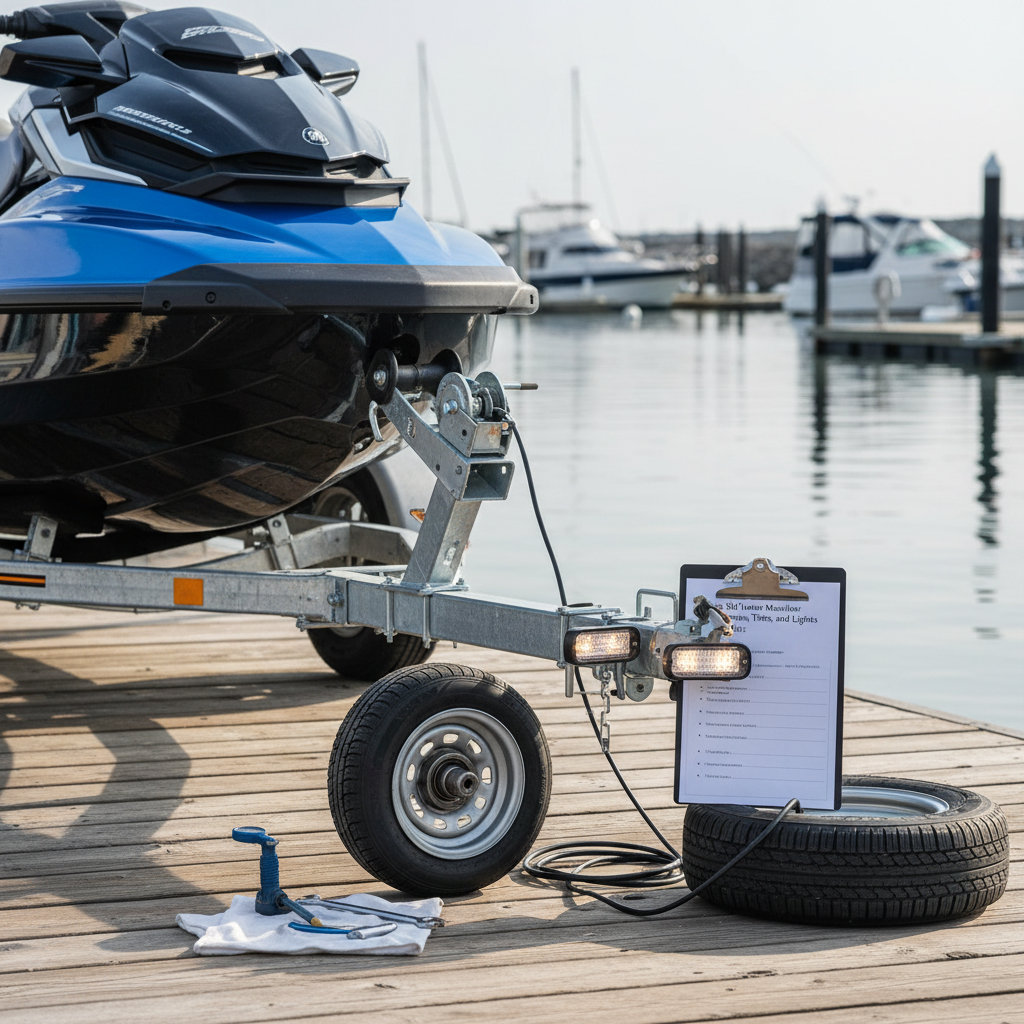
Jet Ski Trailer Maintenance: Bearings, Tires, and Lights Checklist
Don't let a breakdown ruin your day on the water. Our guide to jet ski trailer maintenance covers the critical checks for bearings, tires, and lights to keep you rolling safely.
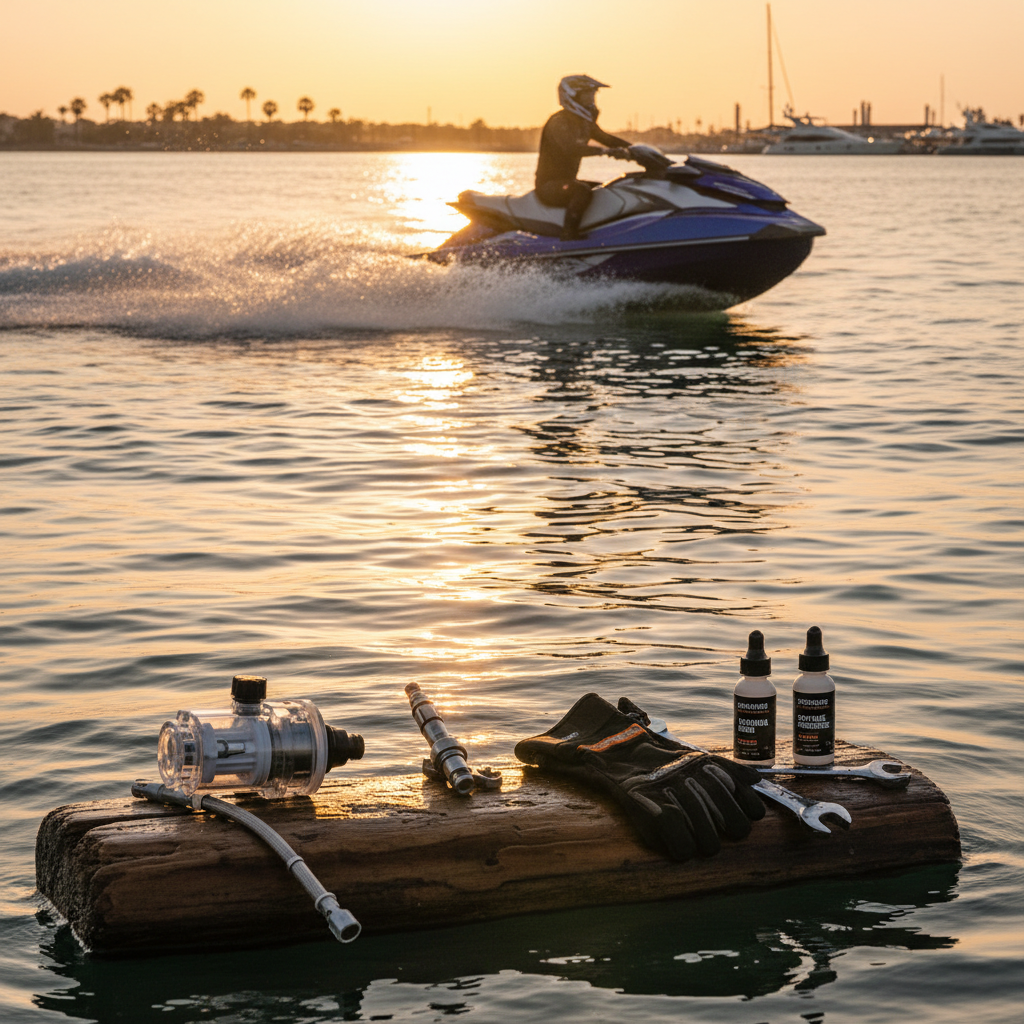
Jet Ski Fuel Guide: Ethanol, Octane, and Preventing Fuel System Damage
Don't let the wrong jet ski fuel ruin your ride! Our 2026 guide covers octane, the dangers of ethanol, and how to prevent costly fuel system damage to your PWC.
Ready to Find Your Perfect Jet Ski?
Browse thousands of listings from trusted dealers nationwide