
Jet Ski Maintenance Schedule: 10-Hour, 50-Hour, and Annual Service
Master your PWC's health with our definitive jet ski maintenance schedule. Learn the essential 10-hour, 50-hour, and annual service checks to ensure reliability and fun on the water.
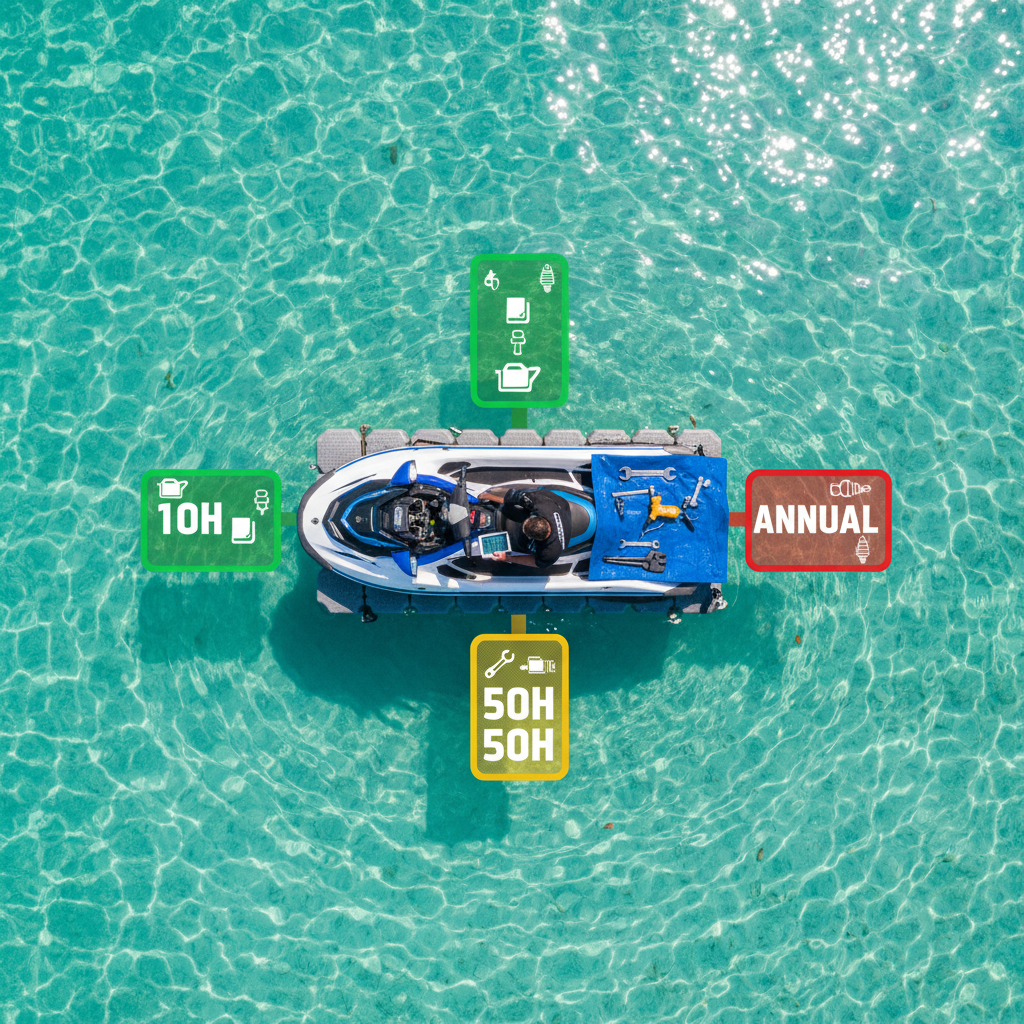
The Ultimate Jet Ski Maintenance Schedule for 2026
Owning a personal watercraft (PWC) is an investment in pure exhilaration. The thrill of carving through the water on a summer day is unmatched. To protect that investment and ensure countless seasons of reliable fun, you need a proactive approach to care. This guide provides a comprehensive jet ski maintenance schedule, breaking down the essential service intervals so you can keep your machine in peak condition, whether it's brand new or a seasoned veteran. Understanding these steps will prevent costly repairs, enhance safety, and maximize your time on the water.
From the critical initial break-in period to routine annual checks, we will cover everything you need to know. Following a consistent service plan is the single best thing you can do for the longevity and performance of your watercraft. Let's dive into the specifics of the 10-hour, 50-hour, and annual service requirements that every PWC owner should master.
Why a Proactive PWC Maintenance Schedule is Non-Negotiable
Ignoring maintenance is like rolling the dice with a very expensive piece of equipment. A well-defined jet ski maintenance schedule isn't just a recommendation from the manufacturer, it's a roadmap to reliability. Proactive care ensures that small issues are caught before they become catastrophic failures, saving you from being stranded on the water and facing a massive repair bill. A well-maintained PWC is a safer PWC, period. You can ride with confidence knowing that your engine, steering, and propulsion systems are all functioning as designed.
Furthermore, meticulous maintenance directly impacts your watercraft's value. When it comes time to sell or upgrade, a complete service history is a powerful selling point. Buyers are willing to pay a premium for a machine that has been properly cared for, as it signifies a lower risk and a longer potential lifespan. If you're browsing for a used craft, always ask for service records. A well-kept machine from our listings of personal watercraft for sale will always be a better investment than a neglected one, regardless of its age.
The Critical 10-Hour Break-In Service
The first 10 hours of operation are the most important in your jet ski's entire life. This initial service, often called the 'break-in' service, is absolutely crucial for the long-term health of your engine. During these early hours, internal engine components like pistons and cylinder walls are seating against each other for the first time. This process creates microscopic metal particles that get circulated in the engine oil.
The primary goal of the 10-hour service is to remove this initial, particle-filled oil and replace it with fresh, clean oil and a new filter. This prevents those abrasive particles from causing premature wear on vital engine components. Skipping this service is one of the worst mistakes a new owner can make. Most dealers will emphasize its importance, and it's often a requirement to keep your manufacturer's warranty valid. If you're looking at a new PWC and budgeting for the purchase, be sure to use a jet ski financing calculator and factor in the cost of this initial service.
What's Included in the 10-Hour Service?
While the oil change is the main event, a proper 10-hour service is more comprehensive. A technician will typically perform a full inspection to ensure everything has settled correctly after the first few hours of use. This includes:
- Engine Oil and Filter Change: The most critical step for removing break-in contaminants.
- Inspection of all Fluid Levels: Checking coolant and brake fluid (if applicable).
- Checking and Tightening Bolts and Fittings: Engine mounts, clamps, and hoses can sometimes loosen slightly during the initial runs.
- Driveline and Impeller Inspection: A quick check to ensure no debris was ingested and that the impeller and wear ring are in good shape.
- Battery Connection Check: Ensuring terminals are tight and free of any early signs of corrosion.
Think of this service as the foundation for a long and healthy engine life. It sets the stage for reliable performance for years to come and is a key part of any responsible jet ski maintenance schedule.
Your 50-Hour (or Annual) PWC Service Checklist
After the initial break-in, your service routine will shift to a regular interval, typically every 50 hours of operation or once a year, whichever comes first. For many riders, especially those in seasonal climates like where you find jet skis for sale in New York, the annual service becomes the standard. This regular check-up is designed to maintain performance, prevent wear and tear, and ensure all systems are operating safely.
While some tasks are simple enough for a DIY-savvy owner, others may require a trip to a qualified technician. Always consult your owner's manual for model-specific requirements, as a Yamaha WaveRunner may have different needs than a Sea-Doo or Kawasaki Jet Ski. Our complete jet ski model directory can help you find specifics for your model. This regular service is essential for keeping your PWC ready for action.
Engine and Propulsion System Checks
The heart of your PWC requires the most attention during the 50-hour service. For modern 4-stroke engines, this always includes an engine oil and filter change. Using the manufacturer-recommended oil type and a genuine filter is critical. At this time, you should also inspect or replace the spark plugs. Worn plugs can lead to hard starting, poor fuel economy, and reduced power.
The propulsion system also needs a thorough inspection. Check the impeller for any dings, chips, or bends, which can cause vibration and reduce performance. Inspect the wear ring (the plastic or stainless steel liner around the impeller) for excessive gaps or deep gouges. A worn wear ring will cause cavitation and a significant loss of thrust. Finally, check the drive shaft seals and bearings for any signs of water intrusion, a serious issue that needs immediate attention.
Fuel, Cooling, and Electrical Systems
Beyond the engine, other systems are just as important. Inspect all fuel lines for cracks, brittleness, or loose connections. The cooling system on a PWC uses the surrounding water, so it's vital to check for and clear any blockages from the intake lines and flush the system, especially after use in saltwater. The intake grate should be clear of any seaweed or debris.
Your PWC's electrical system is another key area. Test the battery's voltage to ensure it's holding a proper charge and clean the terminals to prevent corrosion. A weak battery is one of the most common reasons for a jet ski not starting. Check all visible electrical connections for tightness and apply dielectric grease where recommended to protect against moisture, a constant battle for any marine vehicle.
Comprehensive Annual and Off-Season Service
For riders in regions with cold winters, the annual service often coincides with winterization. This process is more intensive than a standard 50-hour check and is designed to protect your PWC during long-term storage. Properly preparing your jet ski for the off-season prevents damage from freezing temperatures, moisture, and fuel degradation. This is a must-do for owners in Texas who may have a shorter off-season but still need to prep for storage, and you can find great options by looking at jet skis for sale in Texas.
Key winterization tasks include flushing the cooling system with antifreeze to prevent freezing and cracking, 'fogging' the engine cylinders with oil to prevent internal rust, and adding a high-quality fuel stabilizer to a full tank of gas. You should also change the jet pump oil and disconnect the battery, storing it on a tender in a warm, dry place. A thorough cleaning and a coat of wax will protect the hull and deck from the elements. In contrast, riders in places like Nevada might ride year-round, so their 'annual' service might just be a very thorough 50-hour check. If you're in the market there, check out the listings for jet skis for sale in Nevada.
Adhering to this complete jet ski maintenance schedule ensures that when spring arrives, your PWC will be ready to hit the water without any unpleasant surprises. It's the final, crucial step in a year-round cycle of care that protects your machine. For more expert tips, be sure to check our section with the latest jet ski news and guides.
Frequently Asked Questions (FAQ)
How much does jet ski maintenance cost?
The cost can vary widely. A basic 50-hour service at a dealership can range from $300 to $600 for 2026 models, depending on your location and PWC model. The initial 10-hour break-in service is often similarly priced. Performing the work yourself can save significant money, with costs limited to parts and fluids, which might be $100 to $200. However, always be honest about your mechanical skill level.
Can I perform my own jet ski maintenance?
Absolutely. Many owners successfully perform their own routine maintenance. Tasks like changing the oil, replacing spark plugs, and cleaning components are very manageable with the right tools and a service manual. However, for more complex diagnostics, engine work, or tasks you're not comfortable with, it's always best to consult a professional certified technician. A mistake can be far more costly than the service fee.
What's the most important daily check before riding?
Before every single ride, you should perform a quick 'walk-around' check. This takes less than a minute. First, do a visual inspection of the hull for any new damage. Second, check the engine oil level. Third, ensure your steering and throttle controls move freely from lock to lock. Finally, check that your safety lanyard is functioning correctly. This simple pre-ride check is a critical habit for any safe PWC operator.
Conclusion: Protect Your Investment, Maximize Your Fun
A personal watercraft is a significant investment, and following a consistent jet ski maintenance schedule is the best way to protect it. From the vital 10-hour break-in service to the regular 50-hour checks and thorough annual winterization, each step plays a role in ensuring safety, reliability, and longevity. By staying on top of these tasks, you'll spend less time worrying about repairs and more time enjoying the thrill of the ride. If you're ready to find your next adventure on the water, take the knowledge you've gained and confidently browse jet skis for sale on JetSportsTrader.com today!
Ready to buy or sell? Explore the jet ski marketplace, jet ski valuation calculator, or sell your jet ski at Jet Sports Trader.
Related Articles
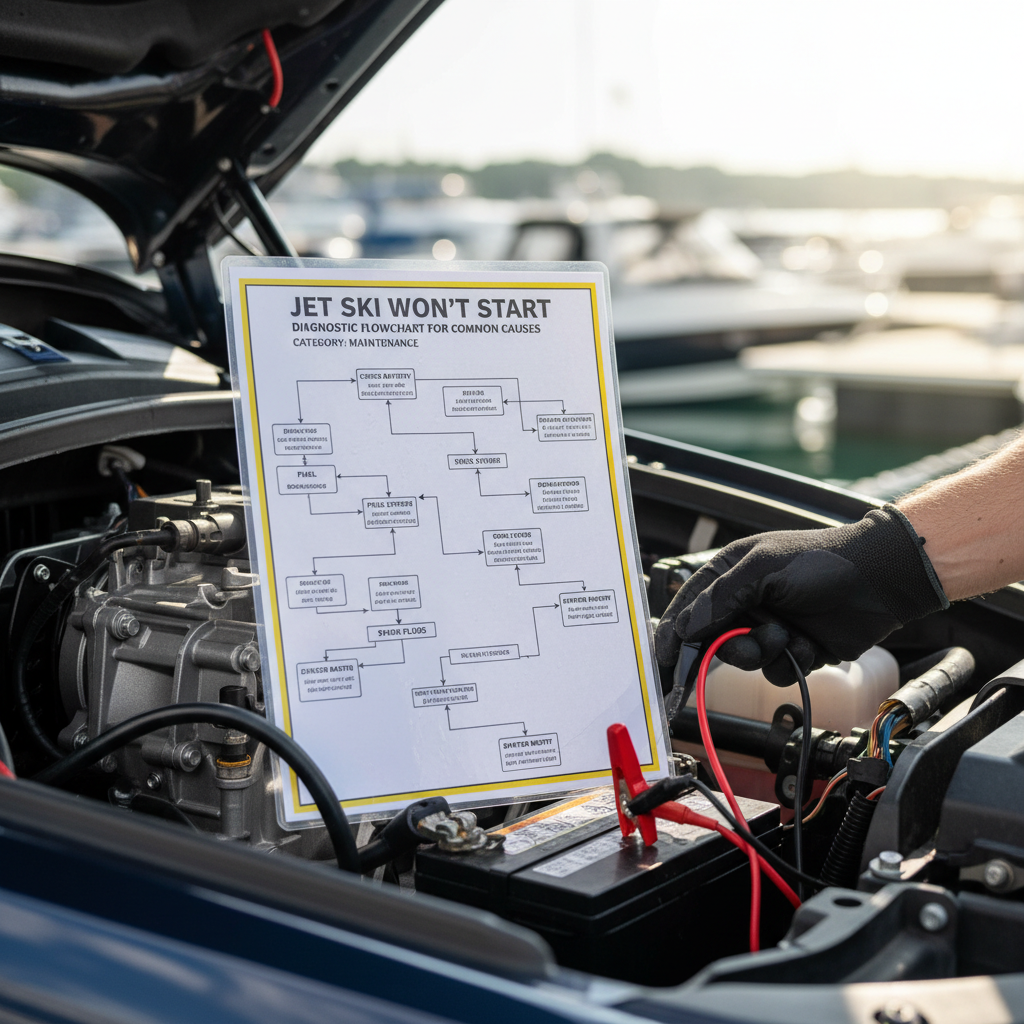
Jet Ski Won't Start: Diagnostic Flowchart for Common Causes
Frustrated by a jet ski that won't start? Our expert diagnostic flowchart helps you troubleshoot common causes, from simple fixes like the kill switch to complex electrical and fuel system issues.
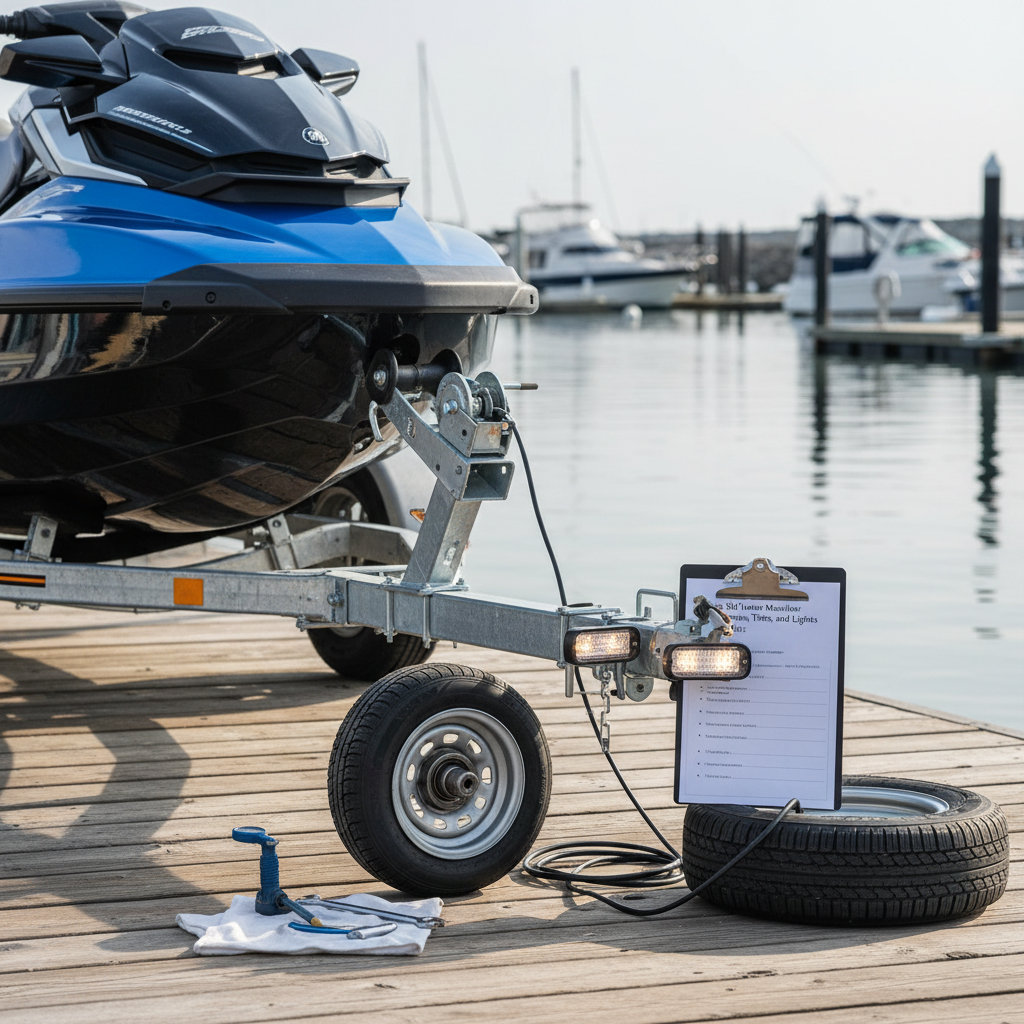
Jet Ski Trailer Maintenance: Bearings, Tires, and Lights Checklist
Don't let a breakdown ruin your day on the water. Our guide to jet ski trailer maintenance covers the critical checks for bearings, tires, and lights to keep you rolling safely.

Jet Ski Fuel Guide: Ethanol, Octane, and Preventing Fuel System Damage
Don't let the wrong jet ski fuel ruin your ride! Our 2026 guide covers octane, the dangers of ethanol, and how to prevent costly fuel system damage to your PWC.
Ready to Find Your Perfect Jet Ski?
Browse thousands of listings from trusted dealers nationwide