
Jet Ski Trailer Maintenance: Bearings, Tires, and Lights Checklist
Don't let a breakdown ruin your day on the water. Our guide to jet ski trailer maintenance covers the critical checks for bearings, tires, and lights to keep you rolling safely.
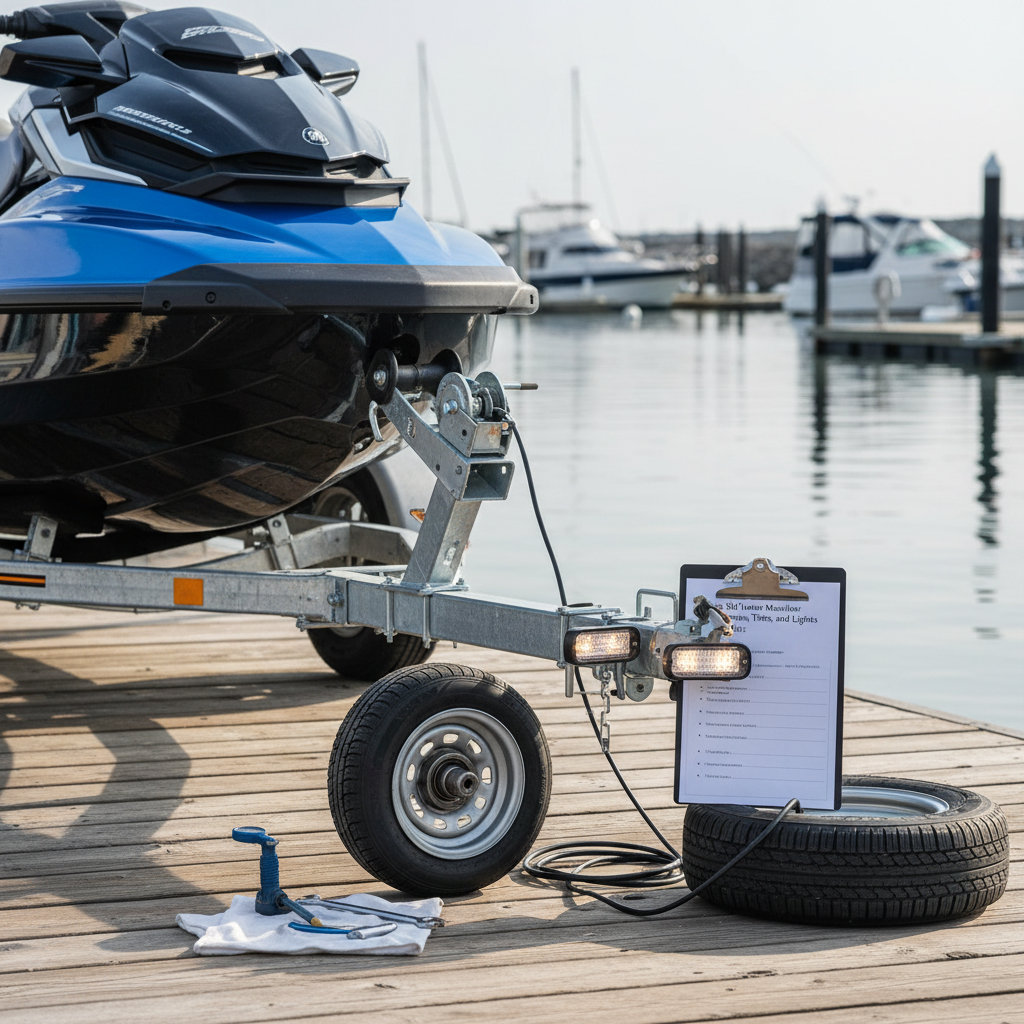
The Ultimate Guide to Jet Ski Trailer Maintenance: Bearings, Tires, and Lights
You’ve invested in the thrill of a personal watercraft (PWC), ready for sun-soaked days on the water. But the adventure doesn’t start at the boat ramp; it starts in your driveway. The unsung hero of every great jet ski trip is the trailer that gets you there safely. Neglecting proper jet ski trailer maintenance is one of the fastest ways to ruin a perfect day, leaving you stranded on the side of the road instead of carving through waves. This comprehensive guide will walk you through the three most critical components of your trailer, bearings, tires, and lights, ensuring you’re always ready to roll. Whether you're a seasoned rider or just starting to browse jet skis for sale, mastering these fundamentals is key to protecting your investment and maximizing your time on the water.
Why PWC Trailer Upkeep is Non-Negotiable
A jet ski trailer seems simple, but it’s a purpose-built piece of equipment that faces unique challenges. It’s constantly subjected to heavy loads, rough roads, and, most critically, repeated submersion in water. This water intrusion, especially saltwater, is the primary enemy, accelerating corrosion and wear on vital components. A failure on the highway at 65 MPH is not just an inconvenience; it's a serious safety hazard for you and everyone else on the road. Regular inspections and preventative care are far less expensive and time-consuming than dealing with a catastrophic failure. Think of it as an essential part of PWC ownership, as important as flushing the engine after a ride. A well-maintained trailer not only ensures safety but also preserves the value of your entire jet ski package, especially important if you own one of the latest models from our featured jet ski listings.
The Heart of Your Trailer: Wheel Bearing Inspection and Care
Your trailer's wheel bearings carry the entire weight of your PWC and trailer, spinning thousands of times per minute at highway speeds. They live a tough life, and their failure is the most common cause of trailer breakdowns. Understanding how to care for them is the cornerstone of effective jet ski trailer maintenance. The constant cycle of heating up on the road and then being rapidly cooled by submersion at the boat ramp creates a vacuum effect, actively sucking water into the hub assembly. This is why marine-grade grease and diligent service are so important.
Recognizing the Signs of Bad Bearings
Before a total failure, wheel bearings will usually give you warning signs. Being attuned to these can save you from a roadside disaster. During your pre-trip inspection, feel the hub of each wheel after a short drive; it should be warm to the touch but not excessively hot. An overly hot hub is a red flag for a failing bearing. You can also listen for trouble. A grinding, rumbling, or squealing noise coming from the wheel area while driving is a classic symptom. To perform a physical check, safely jack up one side of the trailer and grab the tire at the top and bottom. Try to wiggle it back and forth; any significant play or clunking indicates a worn-out bearing that needs immediate replacement.
Step-by-Step Bearing Repacking and Replacement
For most trailers with grease-filled hubs, repacking the bearings should be an annual task. If you frequently launch in saltwater, like many owners of jet skis for sale in Texas, you may need to do it more often. The process involves removing the wheel, hub, and old bearings, cleaning everything thoroughly, and then repacking the bearings with fresh, high-quality marine grease. While it's a DIY-friendly job for the mechanically inclined, don't hesitate to take it to a professional if you're unsure. Many modern trailers come with bearing protectors (like Bearing Buddy) that have a grease fitting, allowing you to add grease without disassembly. A few pumps before each trip can push out any water that has entered, drastically extending bearing life. This simple habit is a game-changer for trailer longevity.
Rolling Safely: A Deep Dive into Jet Ski Trailer Tires
Trailer tires are not the same as car tires. They are designated as "Special Trailer" (ST) tires and are built with stiffer sidewalls to handle heavy vertical loads and reduce swaying. Using passenger (P) or light truck (LT) tires is a common but dangerous mistake. Your trailer's tires are your only connection to the road, and their condition is paramount for a safe journey, whether you're navigating the mountain roads of North Carolina or the flat highways of the coast. If you're looking for a PWC in that area, be sure to check out the jet skis for sale in North Carolina and plan your trailer maintenance accordingly.
Checking Tire Pressure, Tread, and Age
The most important daily check for your tires is the pressure. Always inflate them to the maximum PSI indicated on the tire's sidewall when the tires are cold. Under-inflation is the leading cause of trailer tire blowouts, as it causes the sidewalls to flex excessively, generating destructive heat. Use a quality pressure gauge before every single trip. Next, inspect the tread for even wear, and check the sidewalls for any cracks, bulges, or cuts. UV rays from the sun are a major enemy of tires, causing dry rot over time. This is a particular concern in sunny climates like South Carolina, where many riders find great deals on jet skis for sale in South Carolina. Finally, check the tire's age. On the sidewall, you'll find a DOT code; the last four digits represent the week and year of manufacture (e.g., '3523' means the 35th week of 2023). Regardless of tread depth, it's recommended to replace trailer tires every 3-5 years due to degradation of the rubber compounds.
See and Be Seen: Your Essential Trailer Lights Checklist
Functioning trailer lights are a legal requirement and a critical safety system. Yet, they are a constant source of frustration for many PWC owners due to their exposure to water and potential for corrosion. Modern LED lights are a significant improvement over traditional incandescent bulbs, as they are often fully sealed, more durable, and much brighter. If you're still running old-style lights, upgrading to an LED kit is one of the best investments you can make in your trailer. Test your lights before every trip by connecting the trailer to your tow vehicle and cycling through running lights, brake lights, and both turn signals. Have a helper stand behind the trailer to confirm everything is working as it should. Problems are often traced back to a bad ground connection, which is typically a white wire bolted to the trailer frame. Ensure this connection is clean, tight, and free of rust.
Troubleshooting Common Lighting Issues
If your lights are flickering or not working, start with the simple things. Check the plug connection between the vehicle and the trailer for corrosion or bent pins. Clean them with a wire brush and apply a thin coat of dielectric grease to prevent future issues. If one light is out, the bulb may be burned out (on incandescent systems) or the individual light unit may have failed. If all lights are out, the problem is likely the ground wire or an issue with the tow vehicle's wiring. A simple 12-volt circuit tester is an invaluable tool for diagnosing trailer light problems quickly and efficiently. For those who trailer in states with harsh winters like New York, road salt can be especially corrosive, making regular checks on wiring for owners of jet skis for sale in New York even more critical.
Putting It All Together: Your 2026 Seasonal Maintenance Schedule
Staying on top of jet ski trailer maintenance is easy when you have a system. Here is a simple checklist to follow throughout the year to keep your trailer in prime condition for 2026 and beyond. If the cost of repairs starts to add up, you can always use our jet ski financing calculator to see how affordable a new PWC and trailer package might be.
- Before Every Trip: A quick walk-around is essential. Check tire pressure, test all lights, ensure the coupler is securely latched to the ball, and confirm safety chains are crossed and attached. Give the winch strap and safety chain a visual inspection for any frays or damage.
- Monthly (During Riding Season): Top off grease in bearing protectors (if equipped). Check lug nut torque with a torque wrench to ensure they haven't loosened. Perform a more thorough inspection of tire sidewalls for any signs of cracking or damage.
- Annually (End of Season): This is the time for a deep dive. Repack or replace wheel bearings. Thoroughly inspect the frame for rust, especially at weld points, and touch up any problem areas with galvanized paint. Inspect leaf springs for cracks or heavy rust. Check the bunks or rollers for wear and tear, ensuring the carpet is intact to protect your PWC's hull.
- Long-Term Storage: If storing for winter, jack the trailer up and place it on jack stands to take the weight off the tires. This prevents flat spots and prolongs tire life. Cover the tires to protect them from UV damage.
By following this schedule, you transform trailer care from a chore into a simple routine. This proactive approach to jet ski trailer maintenance ensures that when the perfect day arrives, your only concern is how much fun you're going to have. When you're ready for your next adventure, be sure to browse our nationwide inventory of jet skis for sale.
Frequently Asked Questions About Jet Ski Trailer Maintenance
How often should I grease my jet ski trailer bearings?
For trailers with bearing protectors (grease fittings), you should add 2-3 pumps of marine-grade grease before every trip. This purges any water that may have entered the hub. For sealed hubs without fittings, a full disassembly, cleaning, and repacking should be done at least once a year or every 12,000 miles, whichever comes first.
Can I use car tires on my jet ski trailer?
No, you should never use passenger car tires on a trailer. Trailers require Special Trailer (ST) tires, which are designed with stiffer sidewalls to handle the heavy, vertical loads of a trailer and to prevent dangerous swaying. Using the wrong type of tire can lead to poor handling and a higher risk of blowouts.
What should I do if my trailer lights flicker or don't work?
Start by checking the connection between your vehicle and trailer plug; clean any corrosion and apply dielectric grease. The most common culprit is a bad ground connection, the white wire bolted to the trailer frame. Ensure it's clean and tight. If the problem persists, use a circuit tester to check for power at each point, from the plug back to the lights, to isolate the faulty wire or light fixture.
Ready to buy or sell? Explore the jet ski marketplace, jet ski valuation calculator, or sell your jet ski at Jet Sports Trader.
Related Articles
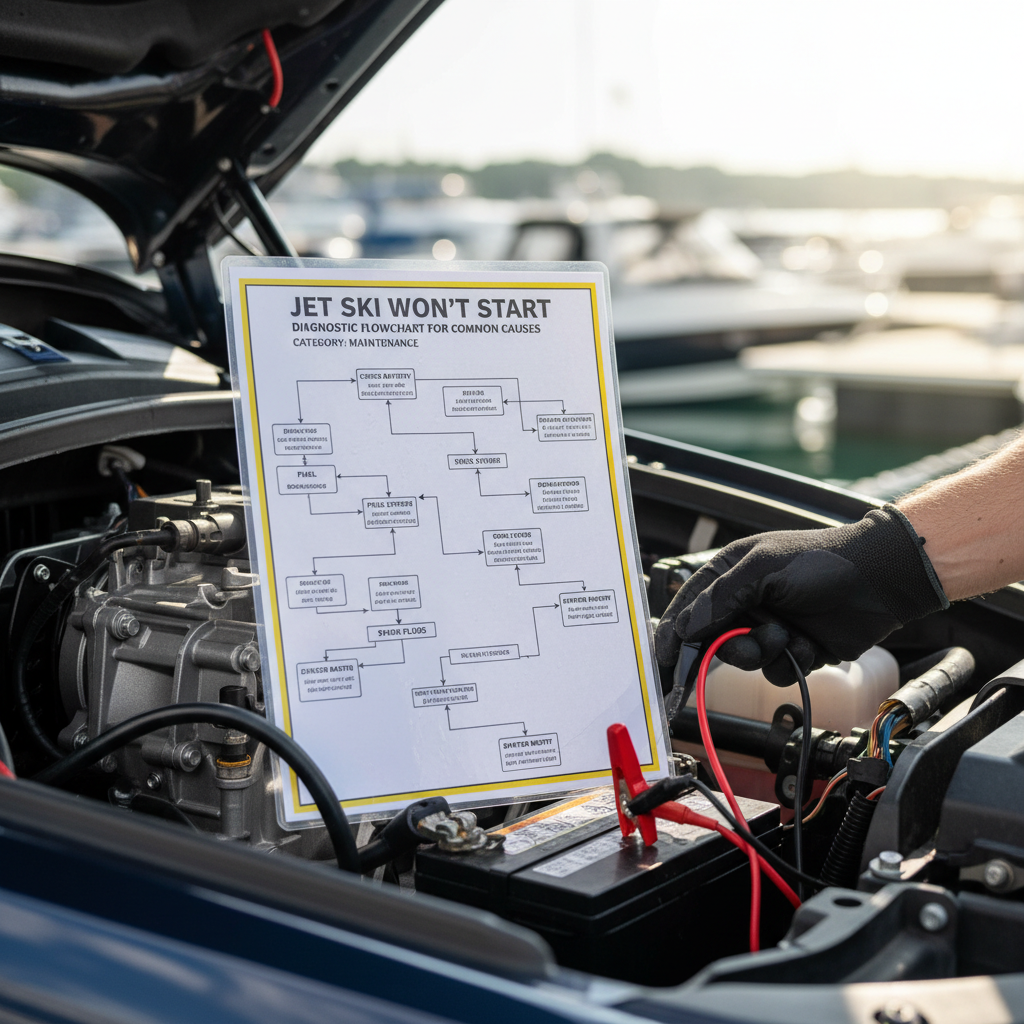
Jet Ski Won't Start: Diagnostic Flowchart for Common Causes
Frustrated by a jet ski that won't start? Our expert diagnostic flowchart helps you troubleshoot common causes, from simple fixes like the kill switch to complex electrical and fuel system issues.
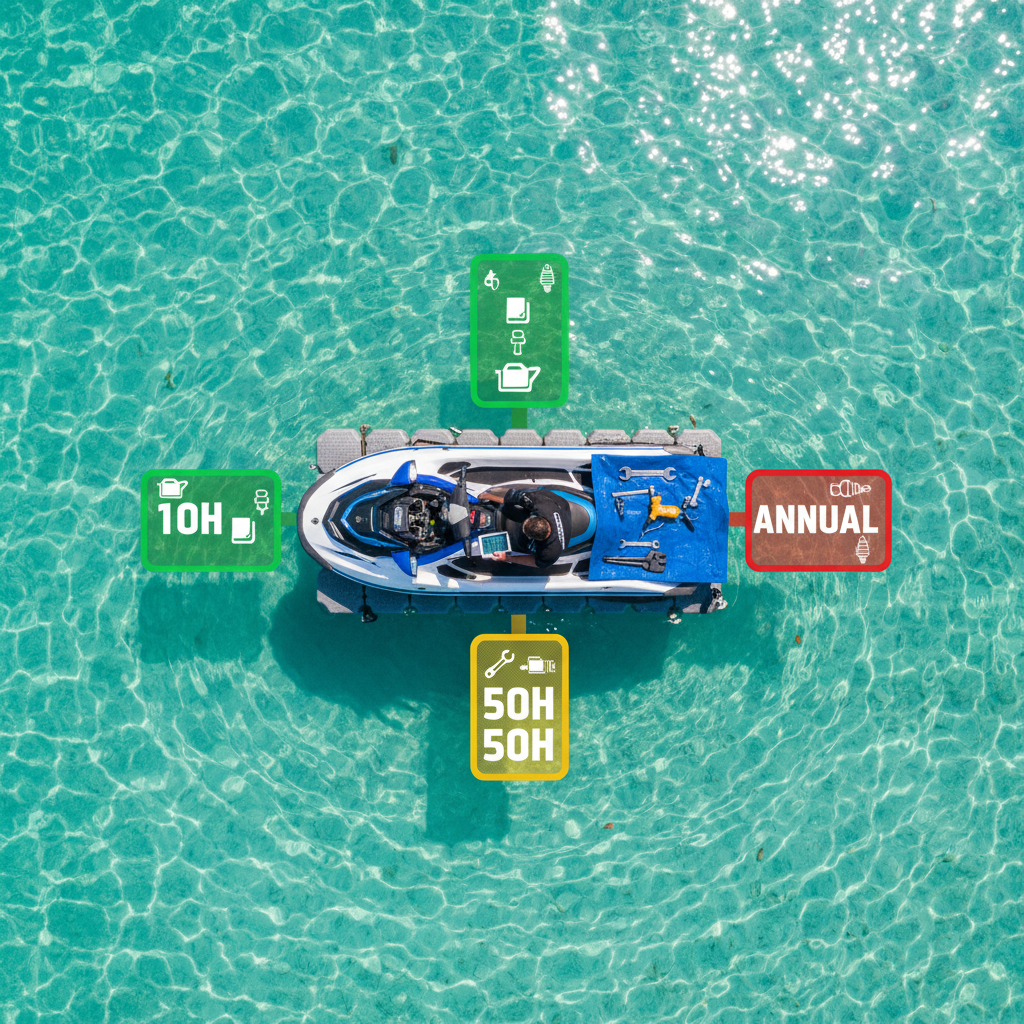
Jet Ski Maintenance Schedule: 10-Hour, 50-Hour, and Annual Service
Master your PWC's health with our definitive jet ski maintenance schedule. Learn the essential 10-hour, 50-hour, and annual service checks to ensure reliability and fun on the water.
Jet Ski Fuel Guide: Ethanol, Octane, and Preventing Fuel System Damage
Don't let the wrong jet ski fuel ruin your ride! Our 2026 guide covers octane, the dangers of ethanol, and how to prevent costly fuel system damage to your PWC.
Ready to Find Your Perfect Jet Ski?
Browse thousands of listings from trusted dealers nationwide