
Saltwater Jet Ski Care: Flushing, Corrosion Control, and Rinse Routines
Master saltwater jet ski care with our expert guide to flushing, rinsing, and corrosion control. Learn the essential routines to protect your PWC and maximize its lifespan and value.
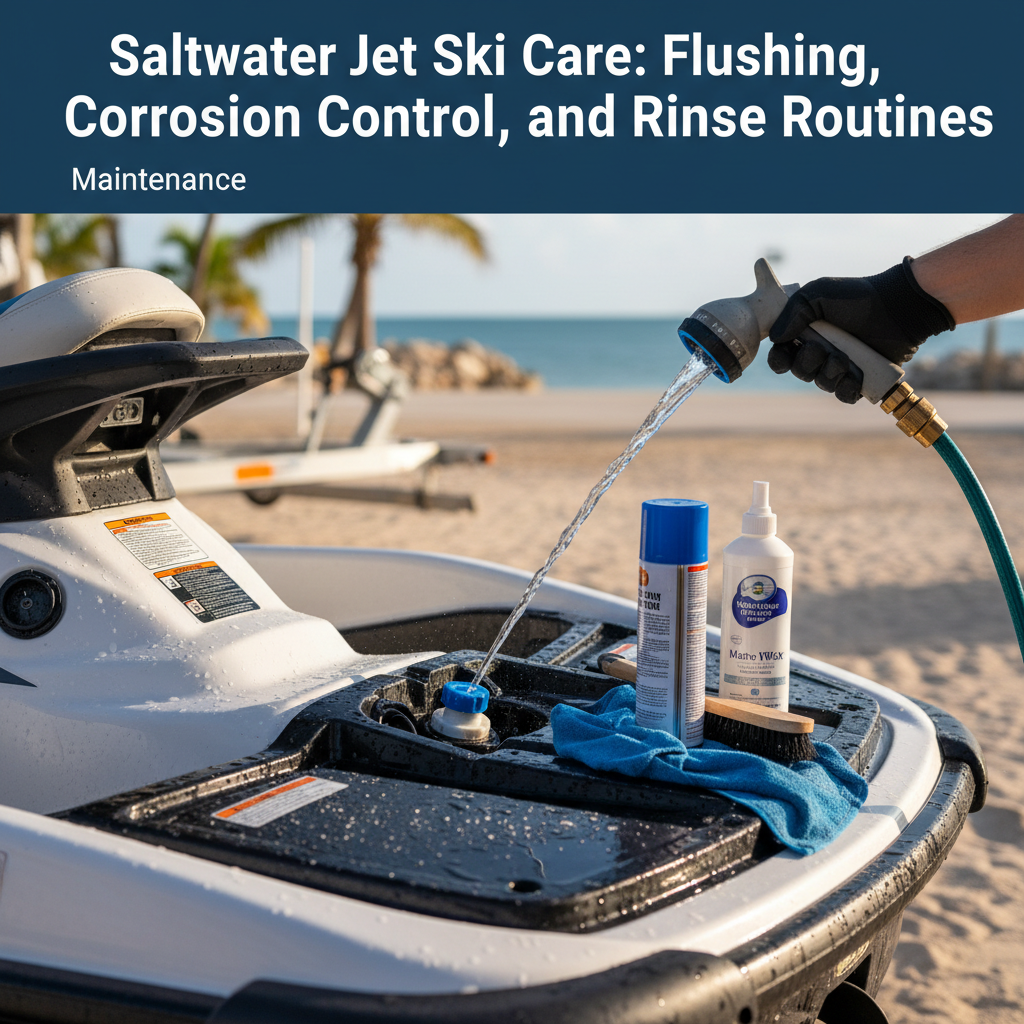
The Ultimate Guide to Saltwater Jet Ski Care for 2026
There's nothing quite like the thrill of opening up the throttle on the open ocean, carving through waves with the salty spray on your face. But that same saltwater that makes for an exhilarating ride is the number one enemy of your personal watercraft (PWC). Without a strict and consistent maintenance routine, corrosion can quickly set in, damaging critical components and drastically reducing your ski's lifespan and value. This comprehensive guide provides everything you need to know about proper saltwater jet ski care, from the immediate post-ride rinse to long-term corrosion prevention. Following these steps will ensure your PWC stays in peak condition for years to come.
Whether you're a seasoned rider in a coastal hotspot or a newcomer just browsing the latest personal watercraft for sale, understanding how to combat the corrosive effects of the sea is non-negotiable. This isn't just about keeping your ski looking shiny; it's about protecting the engine, electrical system, and structural integrity of your investment. Let's dive into the essential practices that will keep you on the water and out of the repair shop.
Why Saltwater is the Arch-Nemesis of Your PWC
To truly appreciate the importance of a rigorous cleaning routine, you need to understand what salt does to your machine. Saltwater is highly conductive and acts as an electrolyte, dramatically accelerating a process called galvanic corrosion. This electrochemical reaction occurs when two dissimilar metals (like the aluminum and stainless steel components in your engine bay) are in contact in the presence of an electrolyte. The less noble metal will corrode at a much faster rate, essentially sacrificing itself.
The damage doesn't stop there. When saltwater dries, it leaves behind abrasive salt crystals. These crystals can expand and contract with temperature changes, grinding away at paint, decals, and protective coatings. Inside the engine's cooling passages, these deposits can build up over time, restricting water flow and leading to catastrophic overheating. Even if you only ride in freshwater, like many who own jet skis for sale in Nevada, it's crucial to be prepared if you ever trailer your ski to the coast.
Furthermore, salt is relentless in its attack on electrical components. It can creep into connectors, switches, and wiring harnesses, causing short circuits, intermittent failures, and costly diagnostic headaches. Rubber hoses, gaskets, and even the vinyl on your seat are not immune, as salt can dry them out, leading to cracking and premature failure. This is why a proactive saltwater jet ski care regimen is not just recommended; it's essential for longevity.
The Essential Post-Ride Rinse: Your First Line of Defense
Your fight against corrosion begins the second you pull your PWC out of the water. Time is of the essence; the longer salt sits on your machine, the more damage it can do. An immediate and thorough freshwater rinse is the single most effective step you can take. Don't wait until you get home, if possible, use a wash-down hose at the boat ramp.
The goal is to remove every trace of salt from every surface. This simple, 10-minute procedure is your first and best line of defense. For riders enjoying the vast coastlines, where you can find countless jet skis for sale in California, this routine is second nature. Make it part of your standard operating procedure after every single saltwater outing.
Step-by-Step Exterior Rinsing Protocol
Start from the top and work your way down to ensure you're not washing salt back onto already cleaned areas. Pay meticulous attention to the nooks and crannies where salt loves to hide. Use a nozzle with good pressure but avoid using a high-pressure washer on sensitive areas like electronics, decals, or near gaskets and seals, as it can force water where it doesn't belong.
Focus your rinsing efforts on the following key areas: the handlebars and controls, the footwells, the seat (and underneath it), the bond line where the hull and deck meet, the pump intake grate, the reverse gate, and the ride plate. Don't forget to open and rinse out the storage compartments. A thorough exterior rinse is a cornerstone of effective saltwater jet ski care and sets the stage for the critical next step: flushing the engine.
Mastering the Engine Flush: The Heart of Saltwater Jet Ski Care
While rinsing the exterior is crucial for cosmetic and surface-level protection, flushing the engine's cooling system is what protects the heart of your machine. Your PWC's engine uses the water it's riding in to keep itself cool. In the ocean, this means your engine's internal passages are flooded with corrosive saltwater. Flushing forces fresh water through these passages to expel all the salt and any sand or debris that may have been ingested.
Every modern PWC, including popular Yamaha WaveRunners and Sea-Doo models, is equipped with a dedicated flush port for this exact purpose. Neglecting this step is a surefire way to end up with a clogged, corroded, and overheating engine. You must flush the engine after every single saltwater ride, without exception.
What You'll Need for a Proper Flush
The process is simple and requires only a few basic items. Having these ready to go will make the process quick and efficient, encouraging you to do it every time.
- A standard garden hose long enough to comfortably reach your PWC.
- A quick-connect adapter that fits your specific model's flush port. Check your owner's manual or our complete jet ski model directory for specifics.
- A water source with decent pressure.
- (Optional but recommended) A salt-dissolving solution dispenser (like a Salt-Away mixer) that attaches in-line with your hose.
The Correct Engine Flushing Sequence
The order of operations for flushing your engine is absolutely critical to prevent severe engine damage. Forcing water into a non-running engine can flood the cylinders, a condition known as hydrostatic lock, which can bend connecting rods and destroy your engine. Always follow this sequence:
- Connect the hose to your PWC's flush port but do NOT turn on the water yet.
- Start the engine. Let it run for about 10-15 seconds.
- Turn on the water. You should see water spitting out of the exhaust and other outlets.
- Let the engine run with the water flowing for 3-5 minutes. This is the ideal duration to ensure all salt is flushed out. Do not rev the engine during this process; let it idle.
- Turn off the water.
- Give the throttle a few quick blips to expel any remaining water from the exhaust system.
- Stop the engine.
- Disconnect the hose.
Memorize this mantra: Engine on, then water on. Water off, then engine off. This simple rule will save you from a very expensive mistake and is the most important part of your saltwater jet ski care routine.
Advanced Corrosion Control and Long-Term Protection
Once your PWC is rinsed and flushed, the final step is to apply a layer of protection, especially if you plan to store it for more than a few days. This involves using a high-quality anti-corrosion spray in the engine bay and on other metallic components. This is a pro-level tip that distinguishes a well-maintained ski from an average one.
After the flush, open the seat and wipe down any standing water in the engine compartment with a clean, dry towel. Allow the engine bay to air dry completely. Once dry, you can apply your chosen protectant. Taking these extra steps will not only prevent issues but will also significantly boost your PWC's value when it comes time to sell.
Choosing and Applying Corrosion Inhibitors
Products like CRC 6-56, Maxima MPPL, or XPS Anti-Corrosive Lubricant are specifically designed for marine environments. They work by creating a thin, non-conductive film that displaces moisture and seals out oxygen, stopping corrosion before it can start. Lightly mist the entire engine block, paying special attention to electrical connectors, hose clamps, bolt heads, and any unpainted metal surfaces.
Be careful not to overspray the belts or air intake. A light, even coat is all that's needed. This 5-minute step provides a powerful barrier against the humid, salty air that can still cause damage even after a thorough wash. It's the final piece of the puzzle for comprehensive saltwater jet ski care.
Protect Your Investment: The Long-Term Value of Proper Care
A consistent saltwater jet ski care routine may seem tedious, but it's one of the best investments you can make in your PWC. A well-cared-for ski will provide you with more reliable performance, fewer surprise repair bills, and countless hours of enjoyment on the water. More importantly, it directly impacts its resale value.
When it's time to upgrade to one of the new jet skis for sale, a clean engine bay and corrosion-free components are major selling points. Potential buyers will immediately recognize that your machine has been properly maintained, making it far more desirable. Following our jet ski selling tips and being able to show off a pristine machine can add hundreds, if not thousands, of dollars to its price. You can even get a quick estimate of its current worth using our online jet ski valuation calculator. Protect your fun and your finances by making this routine a non-negotiable habit.
Frequently Asked Questions About Saltwater PWC Maintenance
How long can I leave my jet ski in saltwater?
Ideally, you should remove your jet ski from saltwater after every use. While leaving it in the water for a day or two with an anti-fouling bottom paint and a cover is generally acceptable, it's not recommended for extended periods. The longer it sits, the more opportunity there is for marine growth to accumulate on the hull and for galvanic corrosion to attack underwater metals like the pump and intake grate. For maximum protection, store it on a floating dock or on its trailer out of the water.
Do I need to flush after every single saltwater ride?
Yes, absolutely. There are no exceptions to this rule. Even a short 15-minute ride is enough to fill your engine's cooling passages with corrosive saltwater. The flushing process only takes a few minutes and is the most critical step in preventing long-term, internal engine damage. Making it a habit after every ride is the key to engine longevity.
Can I use a pressure washer on my jet ski?
You can, but with extreme caution. A pressure washer can be effective for cleaning the hull, footwell mats, and intake grate. However, you must avoid spraying sensitive areas directly. Keep the high-pressure stream away from decals (it can peel them right off), electrical components, gauges, the seat, and any gaskets or seals. A standard garden hose with a good spray nozzle is safer and usually sufficient for a post-ride rinse.
Ready to buy or sell? Explore the jet ski marketplace, browse jet skis for sale, or sell your jet ski at Jet Sports Trader.
Related Articles

Jet Ski Won't Start: Diagnostic Flowchart for Common Causes
Frustrated by a jet ski that won't start? Our expert diagnostic flowchart helps you troubleshoot common causes, from simple fixes like the kill switch to complex electrical and fuel system issues.
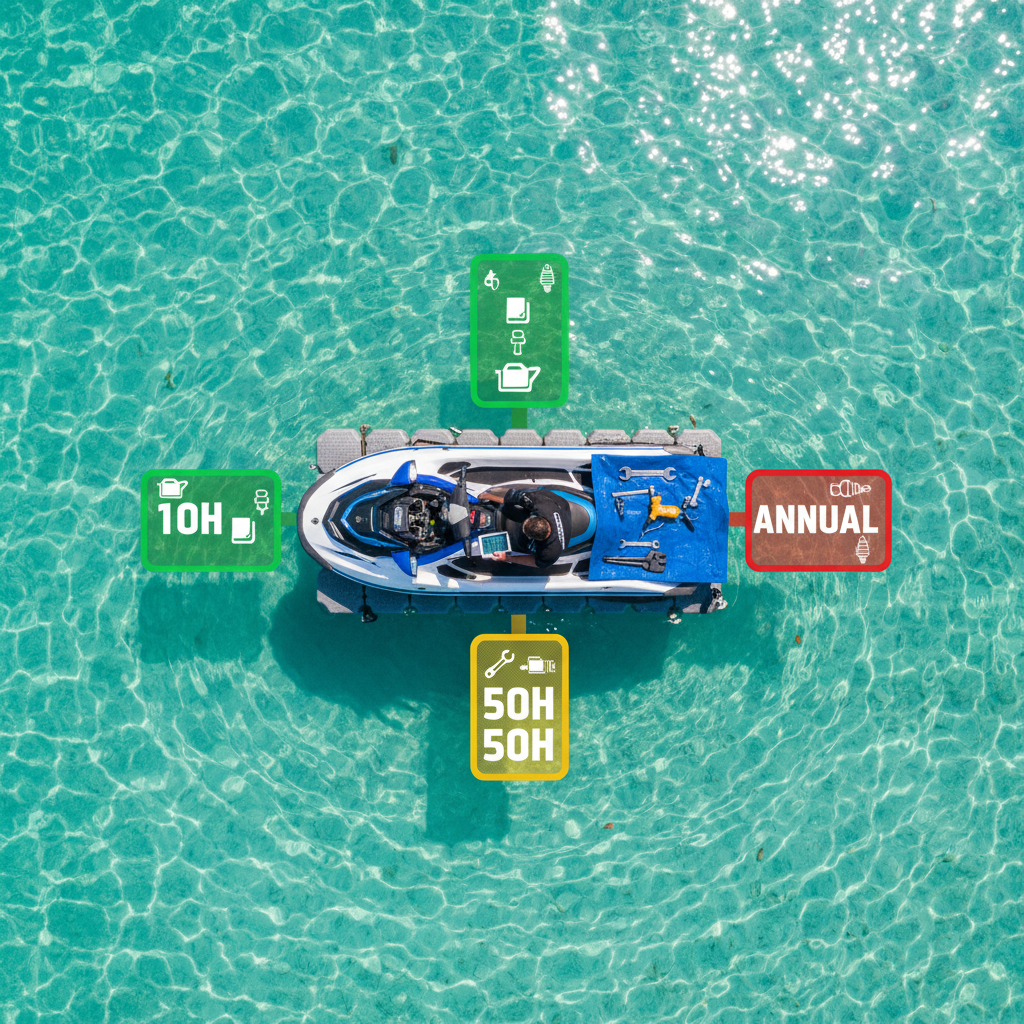
Jet Ski Maintenance Schedule: 10-Hour, 50-Hour, and Annual Service
Master your PWC's health with our definitive jet ski maintenance schedule. Learn the essential 10-hour, 50-hour, and annual service checks to ensure reliability and fun on the water.
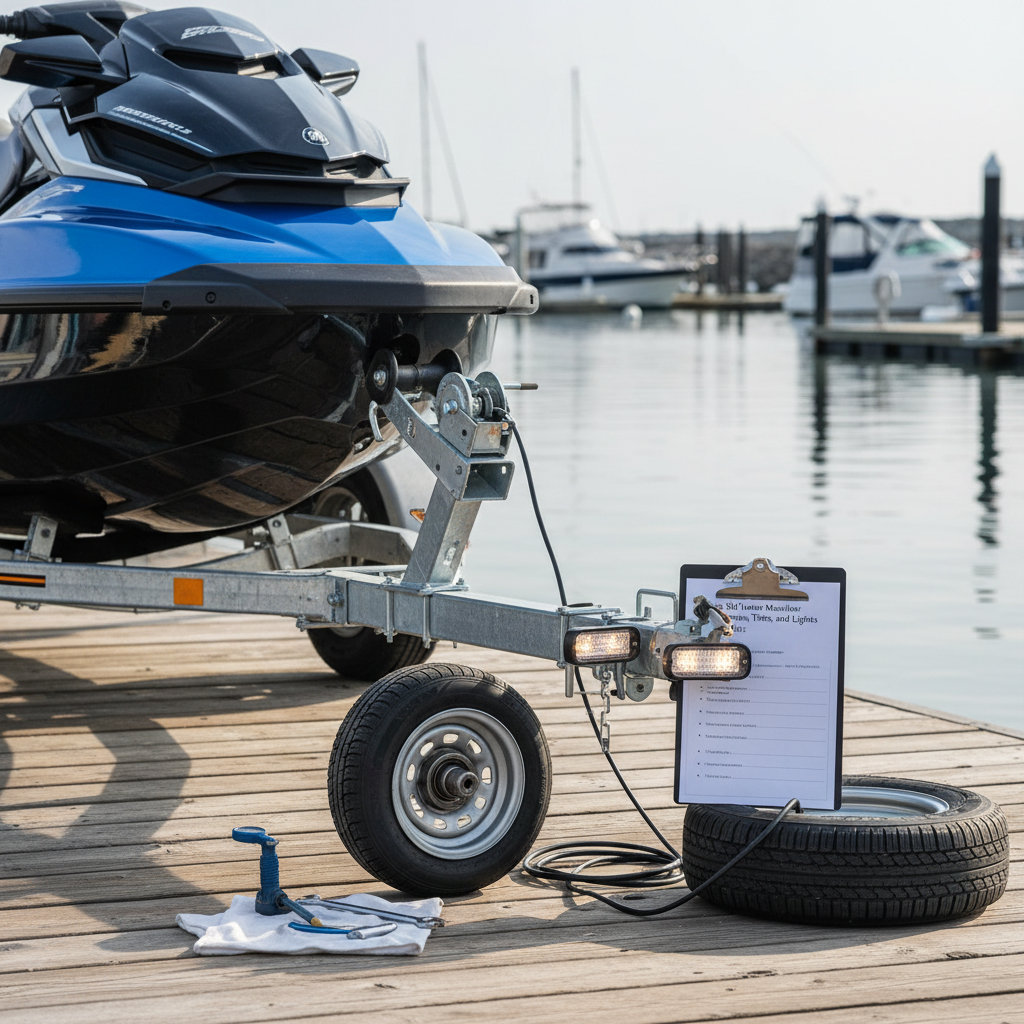
Jet Ski Trailer Maintenance: Bearings, Tires, and Lights Checklist
Don't let a breakdown ruin your day on the water. Our guide to jet ski trailer maintenance covers the critical checks for bearings, tires, and lights to keep you rolling safely.
Ready to Find Your Perfect Jet Ski?
Browse thousands of listings from trusted dealers nationwide