
Optimizing Jet Ski Handling: Adjusting Ride Plates & Sponsons
Unlock your PWC's full potential. Our guide to jet ski handling adjustments for ride plates and sponsons will help you master cornering and achieve ultimate stability on the water.
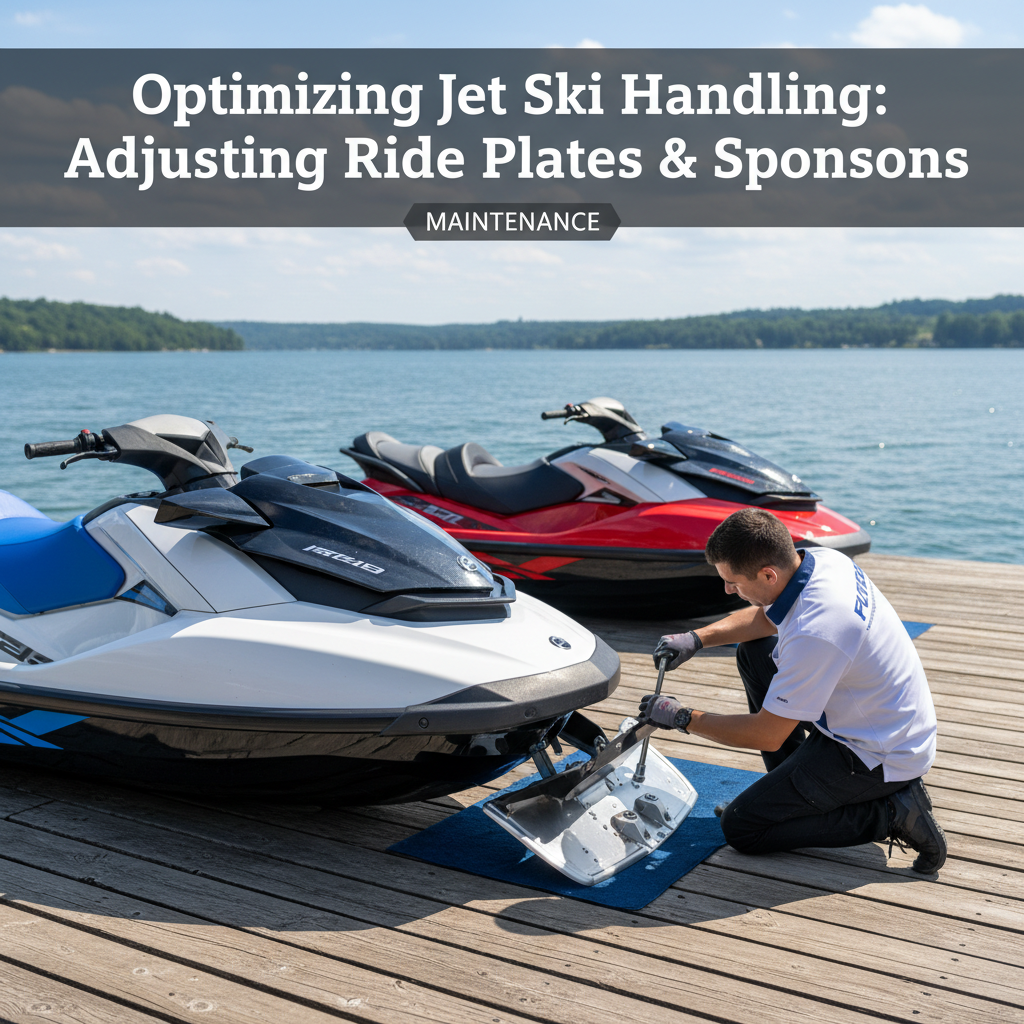
Master Your Ride: A Guide to Jet Ski Handling Adjustments
Every personal watercraft enthusiast dreams of the perfect ride: a machine that carves through turns with precision, remains stable at high speeds, and responds instantly to every command. While modern PWCs are incredible feats of engineering right from the factory, unlocking their absolute peak performance often requires a personal touch. This is where understanding and making jet ski handling adjustments becomes your greatest tool. If you've ever felt your ski was a bit loose in the corners or porpoising in the chop, this guide is for you. We'll dive deep into the world of ride plates and sponsons, explaining how tuning these two key components can completely transform your experience on the water.
Understanding the Core Components: Ride Plates and Sponsons
Before you grab your toolbox, it's crucial to understand what you're adjusting. The ride plate and sponsons are the primary surfaces that interact with the water to control your PWC's attitude and turning characteristics. Think of them as the suspension and steering system of your watercraft. They work in harmony with the hull to dictate how the ski behaves in various conditions, from glassy lakes to choppy coastal waters. Getting these settings right is a fundamental part of PWC maintenance and performance tuning.
The ride plate is the large, flat plate located directly behind the jet pump intake on the underside of your hull. Its main job is to control the flow of water exiting the pump tunnel and to manage the hull's running angle, or bow lift. A stock ride plate is designed for a good all around balance, but adjusting its angle can prioritize either top speed or rough water hookup. Many performance models, including the latest 2026 releases, come with plates that are designed with adjustment in mind.
Sponsons are the fin like components mounted on both sides of the hull, typically towards the rear. Their function is to provide grip and stability during turns. When you lean your PWC into a corner, the inside sponson bites into the water, acting as a pivot point and preventing the rear of the ski from sliding out. The shape, size, and position of the sponsons have a dramatic effect on how aggressively your ski can corner. High performance models from brands like Sea-Doo personal watercraft often feature sponsons designed for sharp, race inspired handling.
The Art of Adjusting Your Ride Plate for Optimal Performance
Adjusting your ride plate is a game of balancing competing characteristics. The primary goal of these specific jet ski handling adjustments is to control the attitude of the bow. Raising the bow reduces the amount of hull in the water, which decreases drag and can increase top speed on smooth water. Conversely, lowering the bow keeps more of the hull engaged, which increases stability and 'hookup' in choppy conditions, preventing the pump from losing traction. The perfect setting depends entirely on your typical riding environment and personal preference.
Adjusting for Bow Lift and Top Speed
To raise the bow, you need to angle the back of the ride plate down. This is typically achieved by placing thin stainless steel shims between the front mounting bolts and the hull. As water flows over the now angled plate, it pushes the stern up, which in turn lifts the bow. This is the ideal setup for riders chasing maximum MPH on calm lakes, like those you might find when exploring jet skis for sale in Michigan. Be aware that too much bow lift can lead to 'porpoising', an undesirable bouncing motion at speed.
If you primarily ride in rough water or want a more planted feel, you'll want to lower the bow. This is done by shimming the rear mounting bolts of the ride plate, angling its trailing edge upward. This change forces the bow down, keeping the intake grate submerged and providing a more stable, predictable ride in the chop. While this may scrub off a mile or two per hour from your top speed, the gain in control and confidence in rough conditions is often a worthwhile trade off for coastal riders, such as those checking out jet skis for sale in South Carolina.
Step-by-Step Guide to Ride Plate Adjustment
Making these adjustments is straightforward for most mechanically inclined owners. Here is a basic process to follow:
- Secure the Watercraft: Ensure the PWC is stable and secure on its trailer or a proper work stand. You will need clear access to the underside of the hull.
- Locate and Loosen Bolts: Identify the bolts securing the ride plate to the hull. There are typically four bolts. Loosen them enough to create a small gap, but do not remove them completely.
- Insert Shims: Carefully slide your desired shims into place. Shim the front two bolts to raise the bow or the rear two bolts to lower it. Start with small adjustments, often just one or two millimeters thick.
- Tighten to Specification: Tighten the bolts in a crisscross pattern to ensure even pressure. It is critical to use a torque wrench and tighten the bolts to the manufacturer's recommended specification to avoid damaging the hull or inserts.
- Test and Repeat: The final step is the most important. Take your PWC to the water and test the new setup. Pay close attention to how it feels at various speeds and in turns. It may take several attempts to find the setting that feels perfect for you.
Dialing in Your Sponsons for Razor-Sharp Cornering
If the ride plate controls the ski's straight line attitude, the sponsons govern its cornering prowess. Proper sponson adjustment can make the difference between a ski that feels vague and one that turns as if it's on rails. Most modern performance PWCs come with sponsons that offer some degree of adjustability, typically allowing you to move them forward or backward. Aftermarket sponsons from brands like Riva Racing or Worx often provide even more tuning options, including vertical adjustments and interchangeable blades for a truly custom feel.
Sponson Positioning and Its Effects
The position of your sponsons directly impacts turning behavior. Sliding the sponsons to their most forward position will result in a more aggressive, sharp turn-in. The ski will feel more eager to initiate a corner, pivoting more from the center of the hull. While this is great for experienced riders who want instant response, it can make the ski feel 'darty' or twitchy for novices. It's a setting often preferred by closed course racers.
Conversely, moving the sponsons to their rearmost position enhances straight line stability and creates a more predictable, sweeping turn. This setup provides a more stable and forgiving ride, making it ideal for recreational riders, long distance touring, or those who frequently carry passengers. Some sponsons also offer vertical adjustment. A lower setting plants the sponson deeper in the water, providing maximum grip at the cost of some top speed. A higher setting reduces drag and allows the rear of the ski to slide more easily, which some freestyle riders prefer.
Balancing Adjustments for Your Riding Style
There is no single 'best' setup. The ultimate goal of making jet ski handling adjustments is to tailor the machine to your specific needs. A rider carving up a calm desert lake near where you'd find jet skis for sale in Nevada has very different needs than someone navigating ocean swell. A racer will prioritize aggressive turning, while a family on a weekend outing will value stability and comfort above all else. The key is to make small, incremental changes and test them thoroughly.
Start with a baseline setting, perhaps the factory recommendation, and adjust one component at a time. For instance, first dial in your ride plate for the desired bow attitude in your typical water conditions. Once you are happy with its straight line performance, then begin experimenting with sponson positions to fine tune the cornering feel. This methodical approach prevents you from getting lost in the variables and helps you understand how each change affects the ride. If you're finding your current ski can't be tuned to your liking, it might be time to upgrade. You can easily browse jet skis for sale from a huge variety of private sellers and dealers on our marketplace.
Conclusion: Your Perfect Ride Awaits
Mastering jet ski handling adjustments is a rewarding process that connects you more deeply with your machine. By understanding the roles of the ride plate and sponsons, you can transform a stock PWC into a custom tuned craft that perfectly matches your style. Remember to be patient, make small changes, and always prioritize safety when testing. If you're ready to find a new PWC with more performance potential, you can find trusted dealers near you or browse thousands of private listings. And before you buy, be sure to use our jet ski financing calculator to plan your budget for the perfect machine. With a little time and effort, you can achieve the ultimate ride you've always wanted.
Frequently Asked Questions
Can I adjust the ride plate and sponsons on any jet ski?
Not all of them. Most modern performance and luxury personal watercraft offer adjustable components. However, many entry level, recreation lite, or older models may have fixed, non adjustable ride plates and sponsons. The best way to know for sure is to consult your owner's manual or visually inspect the components on the hull for multiple mounting holes or adjustment markings.
How do I know if my jet ski handling needs adjustment?
Common signs include excessive 'porpoising' (the bow bouncing up and down at speed), the pump losing grip or 'cavitating' in choppy water, the rear of the ski sliding out unexpectedly in turns, or a general feeling of instability. Ultimately, if the ski doesn't feel comfortable or confidence inspiring for your riding style, it's a good candidate for some fine tuning with jet ski handling adjustments.
Is it better to adjust stock parts or buy aftermarket ones?
For most riders, learning to adjust the stock components is the best starting point. It's free and teaches you the fundamentals of how each adjustment affects the ride. You should only consider expensive aftermarket parts, like those from Riva or Worx, once you have maxed out the potential of the stock setup and have a clear goal for what you want to improve. Aftermarket parts offer a wider range of tuning and are a great upgrade for serious racers or performance enthusiasts looking for every possible advantage.
Ready to buy or sell? Explore the jet ski marketplace, jet ski valuation calculator, or sell your jet ski at Jet Sports Trader.
Related Articles
DIY Jet Ski Hydro-Turf Installation: Step-by-Step Guide
Ready to upgrade your PWC? Our step-by-step guide to DIY jet ski hydro-turf installation will help you improve grip, comfort, and style with professional results.
Jet Ski Trailer Bearings: Grease, Maintenance & Emergency Fixes
Don't let a breakdown ruin your day. Our expert guide covers everything about jet ski trailer bearings, from grease and maintenance to emergency roadside fixes.

Jet Ski Performance Tuning: ECU Flashes, Impellers & Aftermarket Mods
Unlock your PWC's true potential. This guide to jet ski performance tuning covers ECU flashes, impellers, and aftermarket mods to boost your speed and acceleration.
Ready to Find Your Perfect Jet Ski?
Browse thousands of listings from trusted dealers nationwide