
Jet Ski Fuel Guide: Ethanol, Octane, and Preventing Fuel System Damage
Don't let the wrong jet ski fuel ruin your ride! Our 2026 guide covers octane, the dangers of ethanol, and how to prevent costly fuel system damage to your PWC.
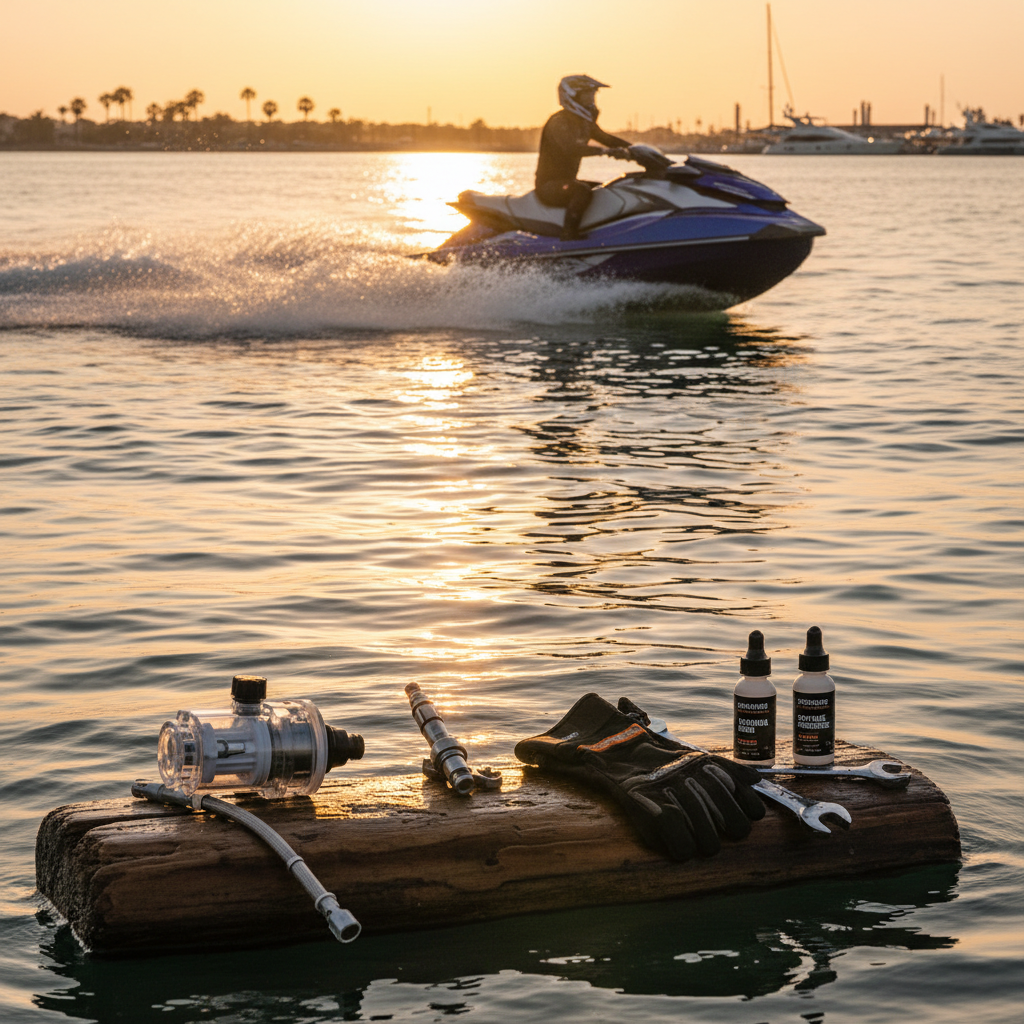
Your Complete 2026 Jet Ski Fuel Guide: Ethanol, Octane, and Prevention
Welcome to the ultimate guide on a topic that can make or break your time on the water: jet ski fuel. Using the correct fuel is one of the most critical aspects of personal watercraft (PWC) maintenance, yet it's often misunderstood. The wrong choice at the pump can lead to poor performance, expensive engine damage, and a season cut short. Whether you're a seasoned rider or just browsing our featured jet ski listings for your first PWC, this guide will empower you. We'll demystify octane ratings, expose the hidden dangers of ethanol, and provide you with actionable steps to protect your investment and ensure maximum fun on the water.
Understanding Octane Ratings: What Your PWC Really Needs
When you pull up to the gas station, you're faced with several choices, typically 87, 89, and 91/93 octane. This number, the Anti-Knock Index (AKI), measures a fuel's ability to resist premature detonation, also known as engine knock or pinging. This uncontrolled explosion can cause severe damage to your engine's pistons and internal components. Using the right octane isn't about getting more power; it's about providing the stability your specific engine was designed for.
Always start with the manufacturer's recommendation, which can be found in your owner's manual or often on a sticker near the fuel cap. Most standard, naturally aspirated PWC engines, like many found in popular Sea-Doo personal watercraft models, are designed to run perfectly on regular 87 octane gasoline. Using a higher octane in these engines provides no benefit and is simply a waste of money. The engine's compression ratio isn't high enough to need the extra stability, so you won't see any performance gains.
High-Performance vs. Standard Engines
The game changes completely when you step up to a high-performance, supercharged, or turbocharged PWC. These powerful machines have higher compression ratios, which generate more heat and pressure inside the combustion chamber. This environment makes them much more susceptible to engine knock. For these models, using premium fuel with a 91 or 93 octane rating is not a suggestion, it's a requirement.
Using lower-octane fuel in a supercharged engine can lead to catastrophic failure. The engine's knock sensor will try to compensate by retarding the ignition timing, which reduces performance and efficiency, but it can only do so much. Continuous detonation will eventually damage pistons, rings, and cylinder heads, leading to repairs that can cost thousands of dollars. If you're considering a high-performance model from the listings of jet skis for sale in Texas, be prepared for the added cost of premium fuel. It's an essential part of the ownership experience that protects your investment.
Can You Use a Higher Octane Than Recommended?
A common question is whether using 93 octane in an engine that only requires 87 is beneficial. The short answer is no. While it won't harm the engine, it provides no performance advantage. The fuel's higher resistance to detonation is simply not needed. Your PWC's computer is tuned for 87 octane, and it won't advance the timing to take advantage of the more stable fuel. Save your money and stick to the manufacturer's recommendation. The only exception is if the only ethanol-free fuel available in your area is a higher octane grade; in that case, the benefit of avoiding ethanol outweighs the unnecessary cost of the higher octane.
The Ethanol Problem: Why E10 and E15 Fuel Can Wreck Your Jet Ski
Perhaps the biggest threat to your PWC's fuel system today is ethanol. Most gasoline sold in the USA contains up to 10% ethanol (E10), and some stations are even moving to 15% (E15). While it's fine for most modern cars, ethanol is disastrous for marine engines, including those in jet skis. The primary issue is that ethanol is hygroscopic, meaning it attracts and absorbs water from the surrounding air. In the humid marine environment where PWCs live, this is a recipe for disaster.
As the ethanol absorbs water, it can lead to a process called phase separation. This is where the water-and-ethanol mixture separates from the gasoline and sinks to the bottom of your fuel tank. If this sludge gets pulled into your fuel lines, it can cause the engine to run lean, stall, or fail to start altogether. This is a particularly common issue for riders in humid climates, such as those looking at jet skis for sale in California, where marine air is a constant.
Beyond water absorption, ethanol is also a powerful solvent. It can degrade and dissolve older rubber and plastic components found in fuel lines, gaskets, seals, and carburetor parts. This leads to fuel leaks, clogged fuel filters, and gummed-up fuel injectors or carburetor jets. The damage is often slow and cumulative, meaning you might not notice a problem until it becomes a major failure. For this reason, using ethanol-free gasoline is the single best thing you can do for the longevity of your PWC's fuel system.
Identifying and Avoiding Ethanol-Related Damage
The signs of ethanol damage can be subtle at first. You might notice your PWC is harder to start, idles roughly, or seems to have lost some of its top-end power. Upon inspection, you might find swollen or cracked fuel lines, debris in your fuel filter, or a gummy residue in the carburetor float bowls. To avoid this, your best defense is to seek out ethanol-free gasoline whenever possible. Websites like pure-gas.org can help you locate stations that sell it. If you absolutely cannot find ethanol-free fuel, using a quality marine-grade fuel additive that specifically counteracts the effects of ethanol is the next best thing.
Best Practices for Fueling and Preventing System Damage
Properly managing your jet ski fuel is an ongoing process, not a one-time decision. Adopting a consistent routine will save you countless headaches and protect the value of your watercraft, which is important if you ever plan to use a jet ski valuation calculator to sell or trade it in. Follow these best practices to keep your fuel system in pristine condition.
- Always Use Ethanol-Free Fuel: This is the golden rule. Make it your mission to find a local source for 87, 89, or 91 octane gasoline with 0% ethanol. The extra effort or slight cost increase is negligible compared to a fuel system rebuild.
- Use Fresh Fuel: Gasoline begins to degrade after about 30 days. Avoid using old gas from a can that's been sitting in your garage all winter. Only buy as much fuel as you expect to use in the next couple of weeks.
- Never Use E15 or E85: Under no circumstances should you ever put fuel with more than 10% ethanol in your PWC. E15 is explicitly not approved for marine use and will cause rapid and severe damage.
- Use a Marine Fuel Stabilizer with Every Fill-Up: Even with ethanol-free gas, using a marine-grade stabilizer is a great habit. It prevents fuel oxidation, keeps injectors and carburetors clean, and provides an extra layer of protection against any trace amounts of water.
- Avoid Filling Up at Sketchy Stations: Fuel quality can vary. Stick to high-volume, brand-name gas stations to reduce the risk of getting contaminated fuel with water or sediment. This is especially true in remote or arid areas like those near where you'd find jet skis for sale in Arizona.
- Check Your Water Separator Filter: Most modern PWCs have a fuel/water separator filter. Check it regularly and drain any accumulated water. If you find a lot of water, it's a sign you have a bigger problem with your fuel source or storage.
Long-Term Storage and Fuel Stabilization
If you're storing your PWC for more than a month, properly preparing the fuel system is absolutely mandatory. Leaving untreated fuel in the tank over the winter or off-season is the number one cause of no-start issues in the spring. Gasoline degrades, varnish forms, and any ethanol present will absorb moisture, leading to corrosion and gummed-up components.
The goal of long-term storage preparation is to leave the system protected. This involves treating the remaining fuel with a high-quality stabilizer and ensuring that treated fuel circulates throughout the entire system. Don't make the mistake of draining the tank completely, as this can expose the metal and aluminum parts to air and moisture, promoting corrosion and drying out seals. If you're not comfortable performing this winterization process yourself, our network of partners can help you find trusted dealers near you who offer this service.
Step-by-Step Fuel Stabilization Process
- Fill the Tank: With the PWC nearly empty, add the correct amount of a quality marine fuel stabilizer to the tank first. This ensures proper mixing. Then, fill the fuel tank to about 90% full with fresh, ethanol-free gasoline. A full tank leaves less room for air and condensation to form.
- Run the Engine: Connect a hose to your PWC's flush port and start the water. Then, start the engine and let it run for 5-10 minutes. This is crucial as it circulates the stabilized fuel through the fuel lines, filter, injectors or carburetor, and into the engine itself.
- Shut Down and Store: Once the stabilized fuel has been circulated, you can shut down the engine (and then the water). Your fuel system is now protected for the duration of the storage period, typically up to 12 months or more, depending on the stabilizer product used.
Following these steps ensures that when you're ready to ride again, your PWC will start easily and run smoothly. It's a simple procedure that protects the heart of your machine. For more tips on PWC ownership, be sure to check out our comprehensive jet ski buying guide.
Frequently Asked Questions About Jet Ski Fuel
What happens if I accidentally put diesel in my jet ski?
If you accidentally put diesel in your PWC, do not start the engine under any circumstances. Diesel is a much thicker, oilier fuel that will not combust properly in a gasoline engine. It will coat your entire fuel system, spark plugs, and internal engine components with an oily residue that is very difficult to clean. You will need to have the entire fuel system, from the tank to the injectors, professionally drained and flushed. Starting the engine could cause catastrophic damage.
Is it okay to use gas from a marina fuel pump?
Generally, yes, but with caution. Most marinas sell ethanol-free gasoline because they cater to the marine industry. However, marina fuel can sometimes be more expensive and may sit in storage tanks for longer periods than fuel at a busy roadside gas station. It's also more susceptible to water contamination. If you use marina fuel, it's a good idea to visually inspect the fuel for water and always use a fuel stabilizer as a precaution.
How can I tell if my jet ski has ethanol damage?
Common symptoms include difficulty starting, rough idling, stalling, hesitation during acceleration, and a noticeable loss of power. You may also smell gas due to deteriorating fuel lines. A physical inspection might reveal swollen, soft, or cracked fuel lines, a clogged fuel filter with black debris, or a green, gummy substance inside the carburetor. If you suspect damage, it's best to have it serviced by a qualified PWC technician.
Ready to buy or sell? Explore the jet ski marketplace, browse jet skis for sale, or sell your jet ski at Jet Sports Trader.
Related Articles
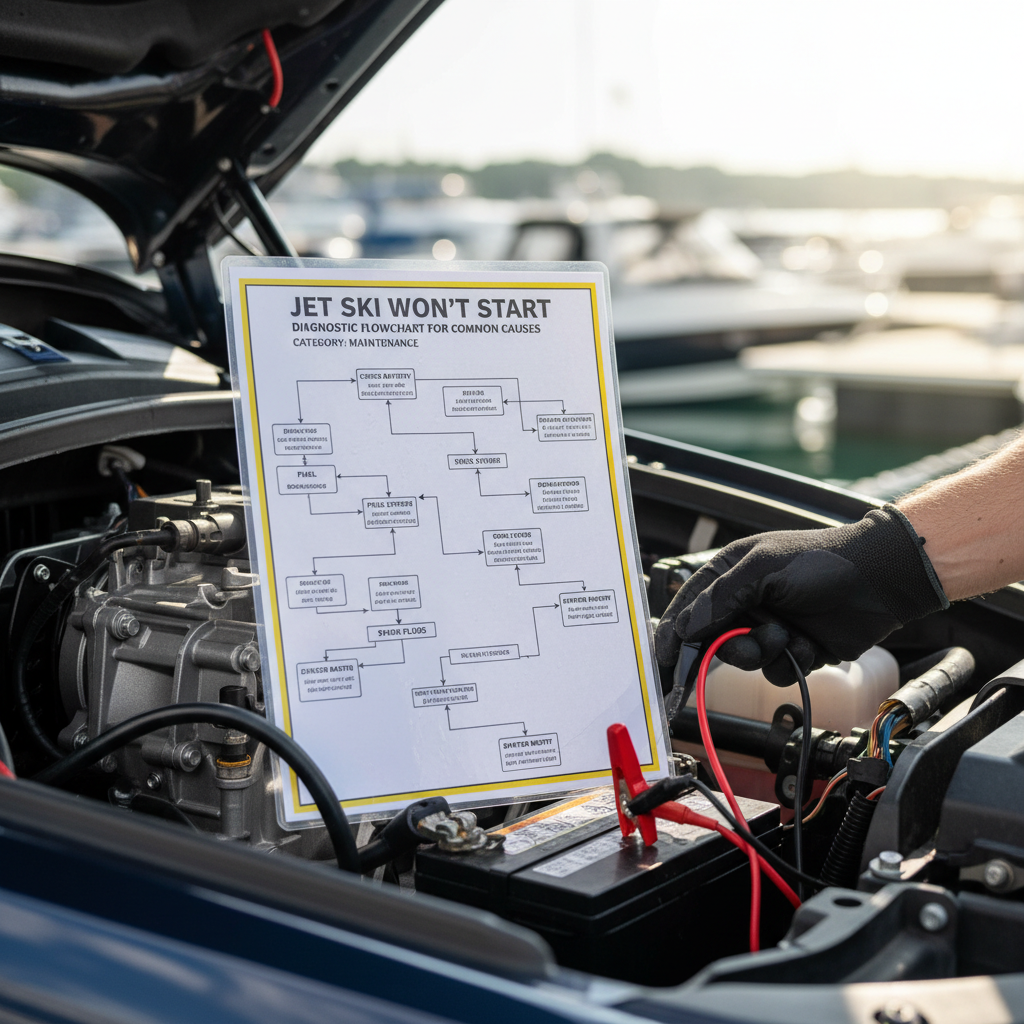
Jet Ski Won't Start: Diagnostic Flowchart for Common Causes
Frustrated by a jet ski that won't start? Our expert diagnostic flowchart helps you troubleshoot common causes, from simple fixes like the kill switch to complex electrical and fuel system issues.
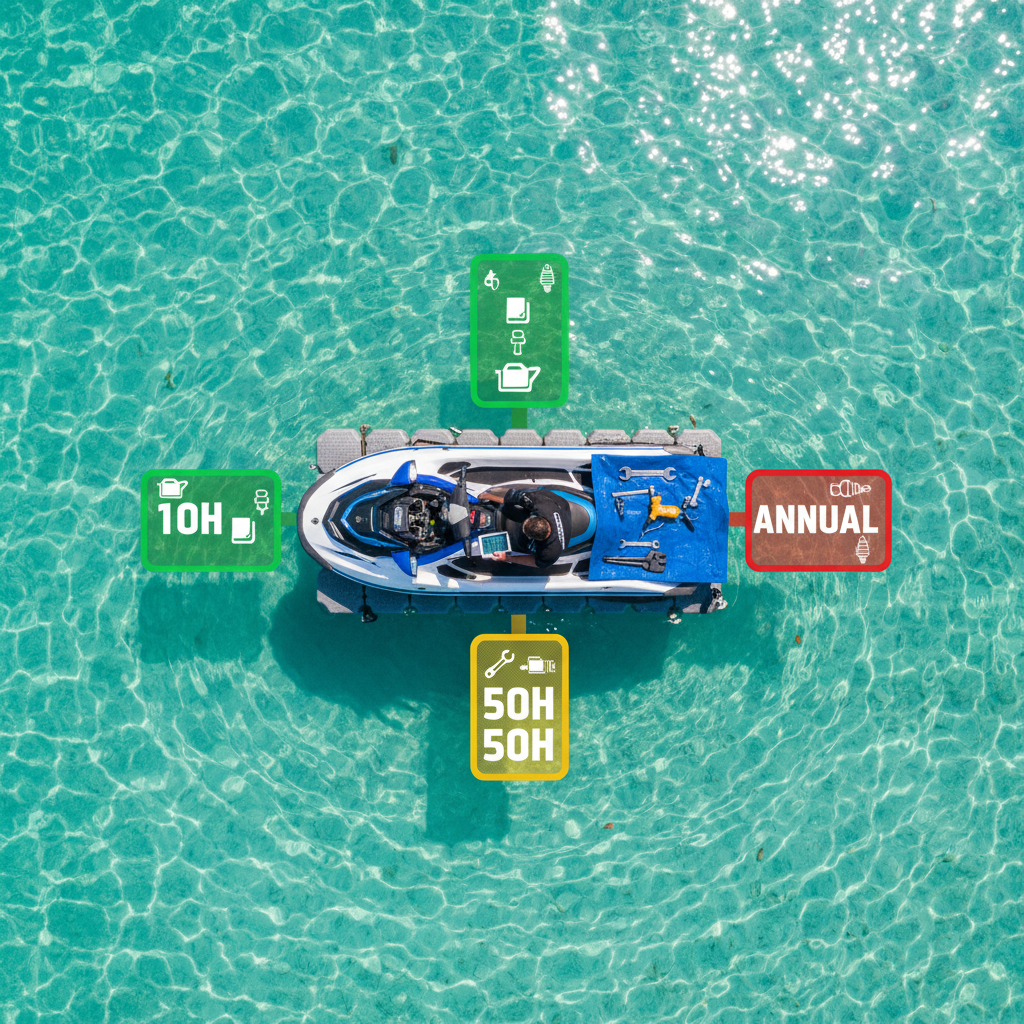
Jet Ski Maintenance Schedule: 10-Hour, 50-Hour, and Annual Service
Master your PWC's health with our definitive jet ski maintenance schedule. Learn the essential 10-hour, 50-hour, and annual service checks to ensure reliability and fun on the water.
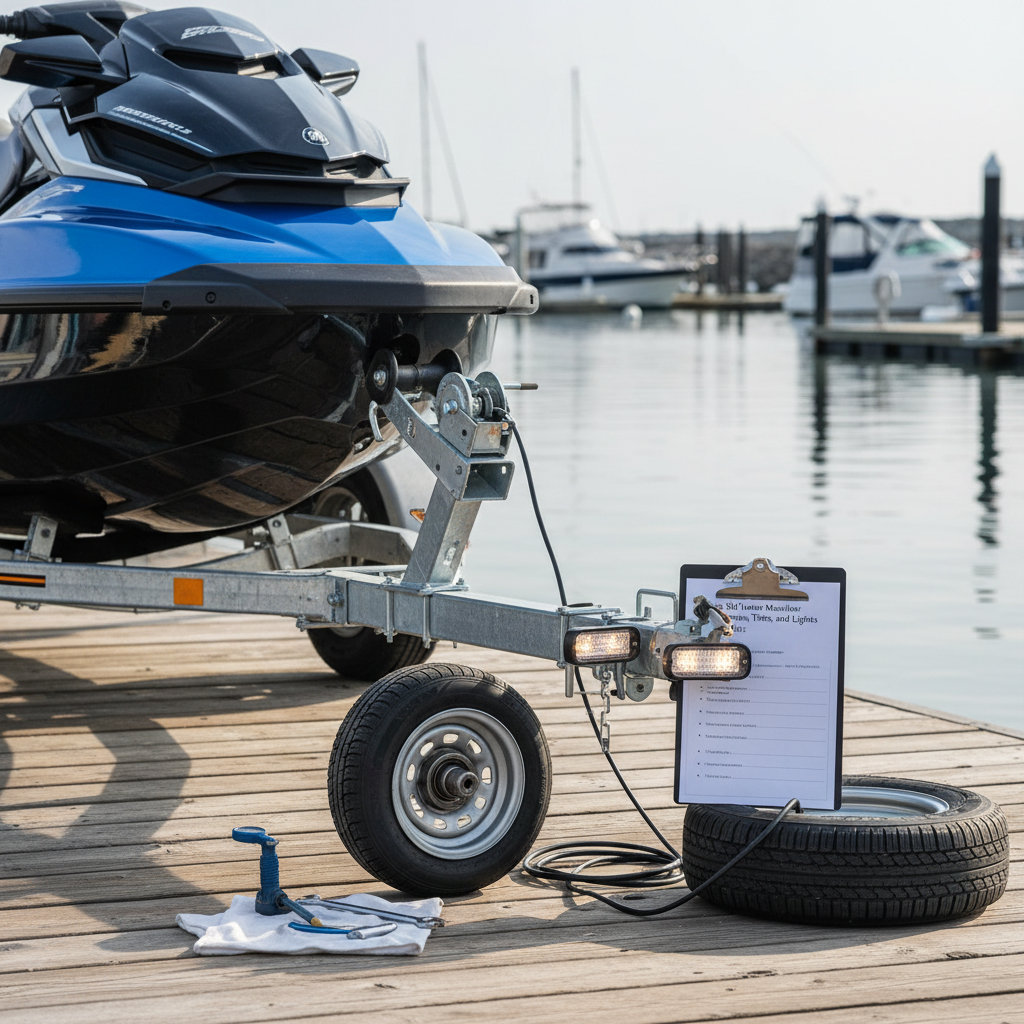
Jet Ski Trailer Maintenance: Bearings, Tires, and Lights Checklist
Don't let a breakdown ruin your day on the water. Our guide to jet ski trailer maintenance covers the critical checks for bearings, tires, and lights to keep you rolling safely.
Ready to Find Your Perfect Jet Ski?
Browse thousands of listings from trusted dealers nationwide