
Jet Ski Oil Change Guide: Intervals, Oil Types, and DIY Steps
Master your PWC's engine health with our definitive jet ski oil change guide. Learn the correct intervals, oil types, and easy DIY steps to protect your investment.

Jet Ski Oil Change Guide: Intervals, Oil Types, and DIY Steps
Keeping your personal watercraft (PWC) in peak condition is the key to countless hours of fun on the water. Of all the maintenance tasks you'll perform, a regular jet ski oil change is arguably the most critical for engine health and longevity. Neglecting this simple procedure can lead to catastrophic engine failure and costly repairs. This comprehensive guide will walk you through everything you need to know, from understanding service intervals and choosing the right oil to performing the change yourself. Whether you're a new owner or a seasoned rider, mastering this essential maintenance will protect your investment and ensure your PWC is always ready for action.
Why Regular PWC Oil Changes are Non-Negotiable
The engine in your four-stroke jet ski is a high-performance machine operating under extreme conditions. It revs much higher than a typical car engine, often under heavy load and in harsh marine environments. The engine oil is its lifeblood, responsible for lubricating moving parts, reducing friction, cooling engine components, and carrying away contaminants. Over time, this oil breaks down due to heat and shear forces. It also becomes saturated with microscopic metal particles, combustion byproducts, and moisture, which is especially prevalent in a marine setting. When the oil loses its viscosity and protective properties, it can no longer do its job effectively. This leads to increased wear and tear on critical components like pistons, bearings, and cylinders. A timely jet ski oil change is the single best preventative measure you can take to ensure a long and reliable engine life. It's a small price to pay to avoid the kind of damage that could force you to sell your jet ski for parts or face a complete engine rebuild.
Understanding Jet Ski Oil Change Intervals and Types
Knowing when to change your oil and what to use is foundational to proper PWC care. Manufacturer recommendations can vary, so it's crucial to consult your owner's manual. However, some general principles apply across most modern four-stroke models from brands like Sea-Doo, Yamaha, and Kawasaki. These guidelines are your starting point for creating a solid maintenance schedule.
How Often Should You Change Your Jet Ski's Oil?
The standard rule of thumb for a jet ski oil change is once per year or every 50 hours of operation, whichever comes first. For many riders, especially those in states with shorter seasons like the enthusiasts on the lakes of Michigan looking for jet skis for sale in Michigan, the annual change is the most practical milestone. This is typically done as part of the winterization process before storage. For riders in year-round climates like those browsing jet skis for sale in Florida, hitting the 50-hour mark might happen multiple times a year. It's also recommended to perform an initial oil change after the first 10-25 hours on a brand-new PWC to flush out any metal particles from the engine break-in period. Always check your specific model's requirements in our complete jet ski model directory for precise intervals.
Choosing the Right Oil: Synthetic vs. Conventional
The type of oil you use is just as important as the frequency of the change. Almost all modern four-stroke PWCs require a specific marine-grade engine oil. These oils contain special additives to combat rust and corrosion from moisture and are formulated to withstand the high-RPM, high-heat environment of a PWC engine. You'll generally choose between conventional, synthetic-blend, and full synthetic oils. Full synthetic oil is highly recommended for most 2026 models and beyond, as it offers superior protection, better thermal stability, and longer life. While it costs more upfront, its performance benefits are undeniable. Always use the viscosity (e.g., 10W-40) and certification (e.g., FC-W) specified by your manufacturer. Using the wrong oil can void your warranty and lead to engine damage.
Your Step-by-Step DIY Jet Ski Oil Change Guide
Performing a DIY jet ski oil change is a rewarding and cost-effective task for any owner. Unlike a car, most jet skis have a dry-sump oil system, meaning you can't just drain the oil from a plug underneath. Instead, you'll need to use an extractor pump to remove the old oil through the dipstick tube. The process is straightforward with the right tools and a little patience.
Tools and Materials You'll Need
Before you begin, gather all your supplies to make the process smooth and efficient. Having everything on hand prevents frustrating mid-job trips to the store.
- Owner's manual for your specific PWC model
- The correct type and amount of new PWC engine oil (check manual for capacity)
- A new OEM or equivalent oil filter
- An oil extractor pump (manual or electric)
- Oil filter wrench or cup
- Socket wrench set and necessary extensions
- Funnel
- Shop towels or rags
- Nitrile gloves
- A container for the used oil
The Oil Extraction and Replacement Process
Follow these steps carefully for a successful oil change. The key is to be methodical and clean.
- Warm Up the Engine: Run the jet ski on a water hookup for 5-10 minutes. This warms the oil, lowers its viscosity, and suspends contaminants, making it much easier to extract. Do not run the engine for more than 15 seconds without water.
- Position the PWC: Ensure the jet ski is level on a trailer or stand. This helps ensure you can extract the maximum amount of old oil.
- Extract the Old Oil: Remove the dipstick and seat. Insert the tube from your oil extractor pump all the way into the dipstick tube until it stops. Pump out all the oil into the extractor's reservoir. You may need to reposition the tube slightly to get the last bit out.
- Replace the Oil Filter: Locate the oil filter housing. Place rags underneath to catch any drips. Use your oil filter wrench to loosen and remove the old filter. Be prepared for a small amount of oil to spill.
- Install the New Filter: Lightly lubricate the rubber gasket on the new oil filter with a bit of new oil. This ensures a good seal. Screw the new filter on by hand until it is snug, then tighten it another three-quarters of a turn with the wrench. Do not overtighten.
- Add New Oil: Place a funnel in the oil fill port and slowly add the new oil. Check your manual for the exact capacity, but start by adding about 80% of the total amount. For example, if it takes 4 quarts, add about 3.2 quarts initially.
- Check the Oil Level: Re-insert the dipstick, remove it, and check the level. Add small amounts of oil as needed until the level is at the full mark on the dipstick. Be careful not to overfill, as this can cause serious engine damage.
- Final Checks: Once the level is correct, replace the oil fill cap and dipstick securely. Start the engine again (with water) for 30 seconds to circulate the new oil, then shut it off. Wait a few minutes for the oil to settle, then check the level one last time, topping off if necessary. Inspect for any leaks around the new oil filter.
- Dispose of Old Oil: Transfer the used oil from your extractor to a sealed container and take it to your local auto parts store or recycling center for proper disposal.
When to DIY vs. When to Call a Professional
For most owners, a DIY oil change is very manageable. However, there are times when professional service is the better choice. If you're not mechanically inclined, lack the proper tools, or simply don't have the time, taking it to a qualified marine technician is a perfectly valid option. This is especially true for PWC still under warranty, as dealer service provides a clear maintenance record. If you're considering a new model with a simpler maintenance schedule, you can browse our featured jet ski listings to see the latest innovations. For example, some modern Sea-Doo personal watercraft models are designed for easier service access. The cost of professional service might seem high, but it's minimal compared to the potential cost of a new engine. If a major repair is needed, it might be time to weigh the cost against upgrading to a newer model from a local dealer, like those offering jet skis for sale in Nevada. You can even use our jet ski financing calculator to see how affordable a new PWC can be.
Frequently Asked Questions about Jet Ski Oil Changes
Can I use car oil in my jet ski?
No, you should never use standard automotive oil in your personal watercraft. PWC engines require marine-grade oil with an FC-W (Four-Cycle Water-cooled) rating. These oils contain a specific additive package with enhanced rust and corrosion inhibitors to protect the engine in a wet marine environment. Using car oil can lead to internal corrosion, inadequate lubrication at high RPMs, and will likely void your manufacturer's warranty.
How much does a jet ski oil change cost?
The cost varies depending on whether you do it yourself or take it to a dealer. A DIY oil change typically costs between $60 and $100 for the oil, filter, and any tools you might need to purchase, like an extractor pump. A professional service at a dealership or marine shop will generally range from $150 to $300, depending on their labor rates and the specific model of your PWC. While DIY saves money, professional service offers convenience and a documented service history.
What happens if I don't change my jet ski's oil?
Failing to perform a regular jet ski oil change is one of the fastest ways to destroy your engine. The oil will break down and become contaminated, losing its ability to lubricate and cool. This leads to a rapid increase in friction and heat, causing accelerated wear on pistons, cylinders, and bearings. Eventually, this will result in reduced performance, followed by catastrophic engine failure, which can cost thousands of dollars to repair or replace.
Mastering the jet ski oil change is a fundamental part of responsible PWC ownership. It's a skill that saves you money, extends the life of your machine, and gives you the confidence of knowing your engine is protected. By following the correct intervals, using the right materials, and adhering to the proper procedure, you ensure your jet ski will be ready to deliver thrilling performance for years to come. If you're ready to put your new maintenance skills to use on a new or upgraded PWC, browse the thousands of listings on JetSportsTrader.com today!
Ready to buy or sell? Explore the jet ski marketplace, browse jet skis for sale, or jet ski valuation calculator at Jet Sports Trader.
Related Articles
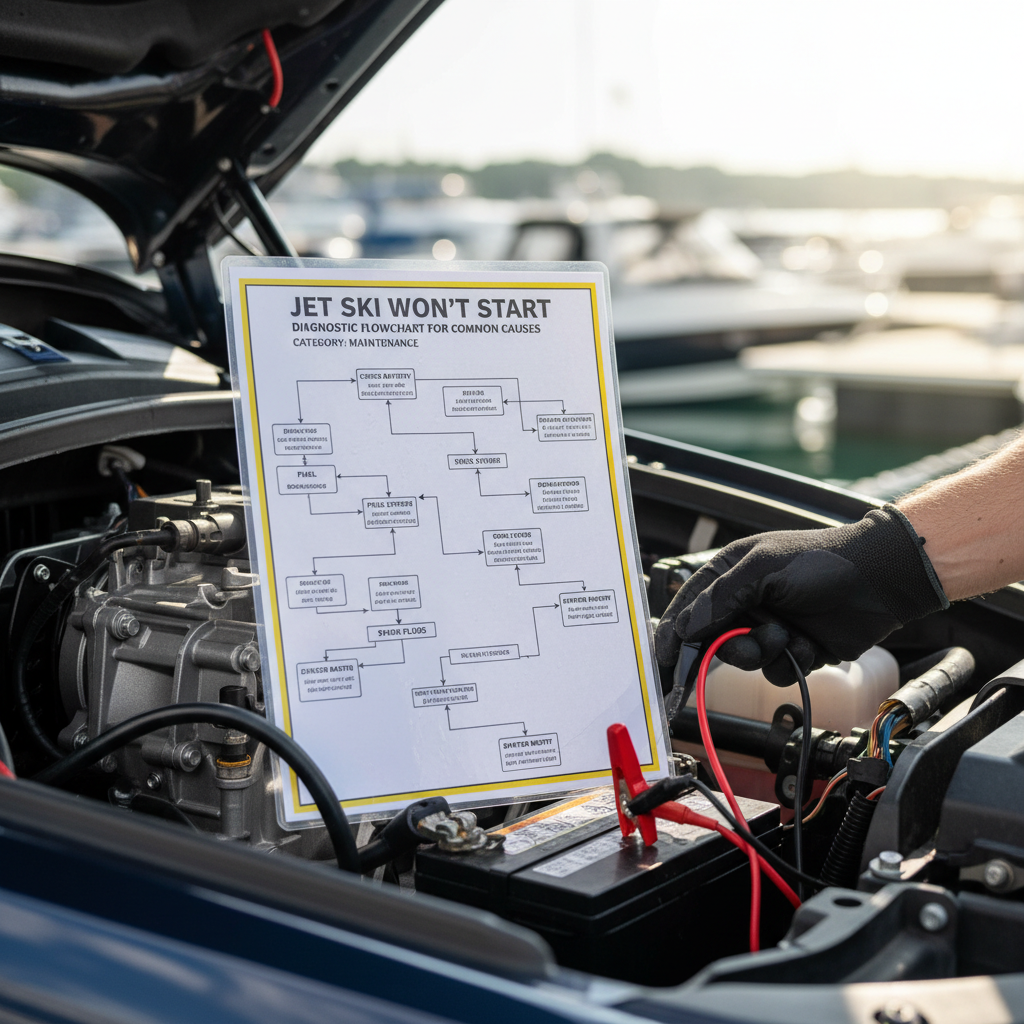
Jet Ski Won't Start: Diagnostic Flowchart for Common Causes
Frustrated by a jet ski that won't start? Our expert diagnostic flowchart helps you troubleshoot common causes, from simple fixes like the kill switch to complex electrical and fuel system issues.
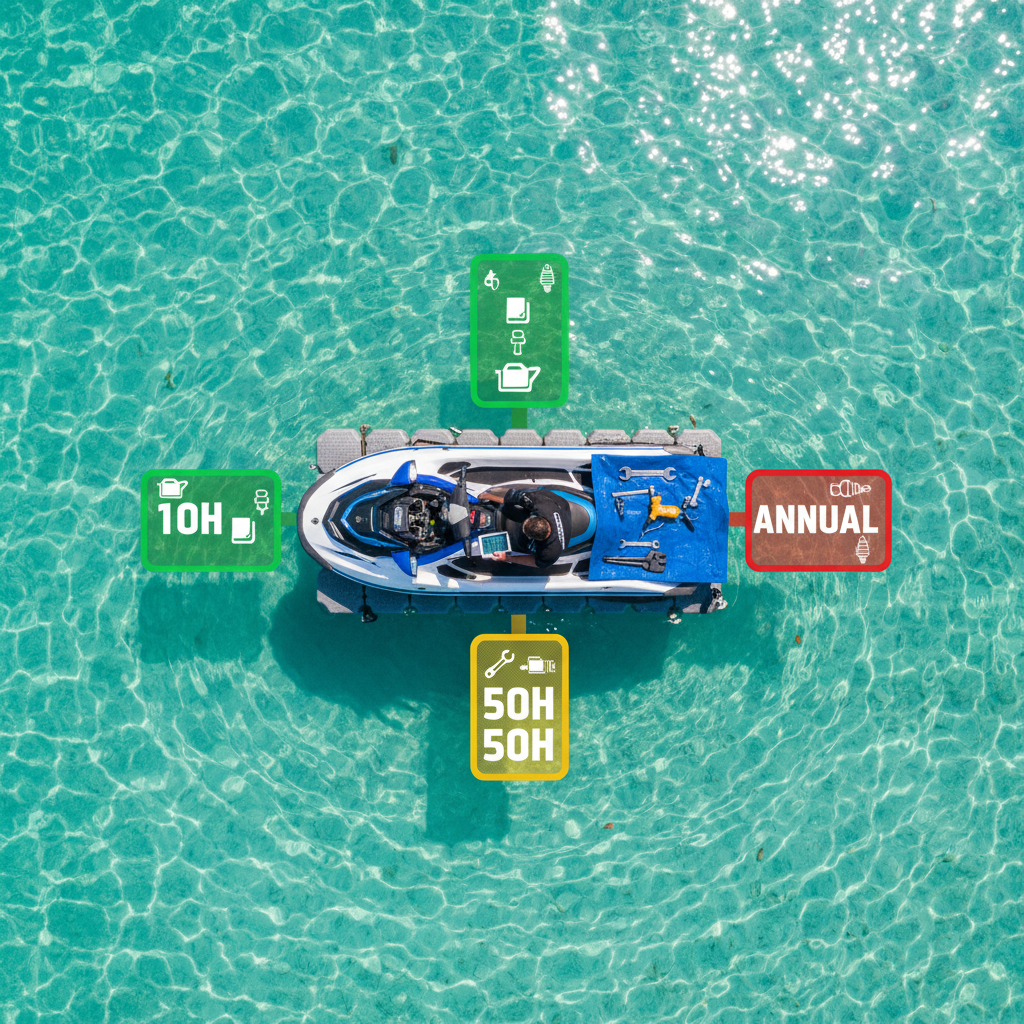
Jet Ski Maintenance Schedule: 10-Hour, 50-Hour, and Annual Service
Master your PWC's health with our definitive jet ski maintenance schedule. Learn the essential 10-hour, 50-hour, and annual service checks to ensure reliability and fun on the water.
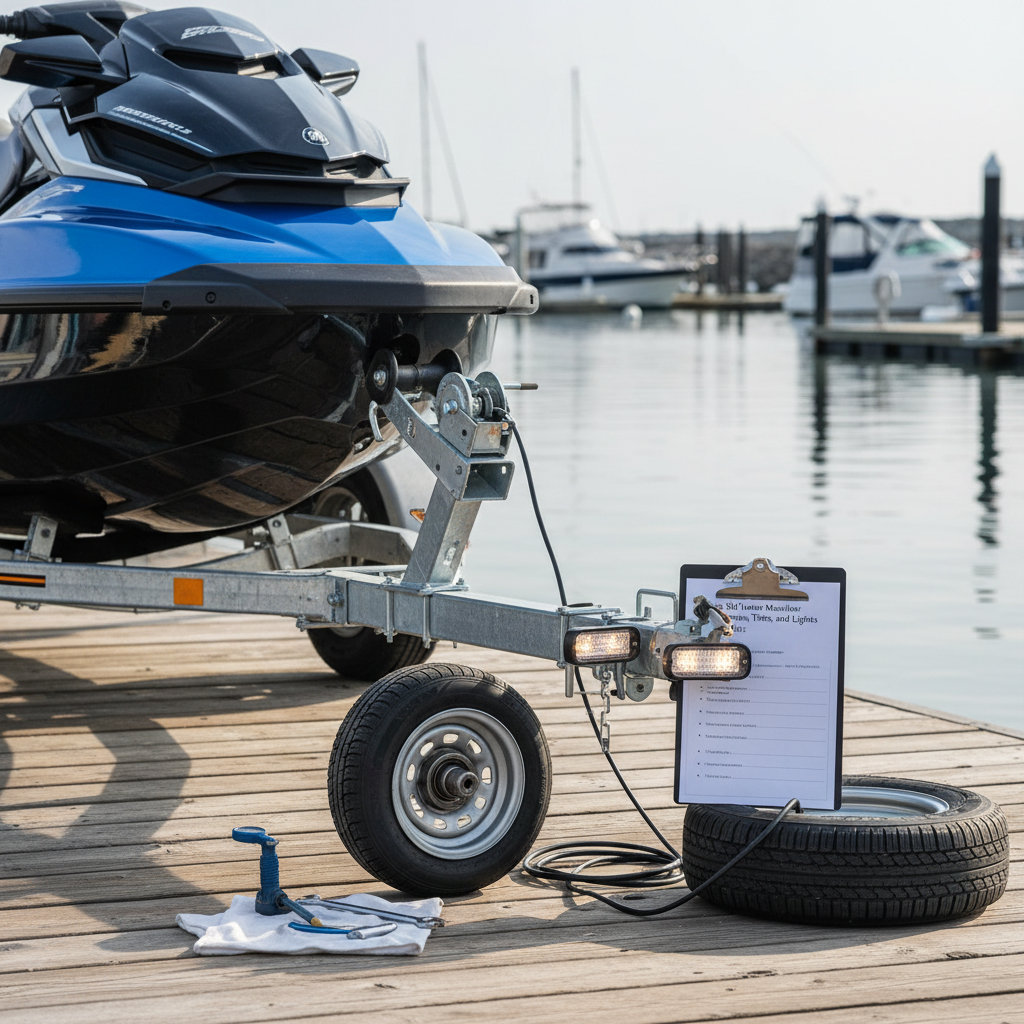
Jet Ski Trailer Maintenance: Bearings, Tires, and Lights Checklist
Don't let a breakdown ruin your day on the water. Our guide to jet ski trailer maintenance covers the critical checks for bearings, tires, and lights to keep you rolling safely.
Ready to Find Your Perfect Jet Ski?
Browse thousands of listings from trusted dealers nationwide