
Jet Ski Impeller and Wear Ring Guide: Symptoms, Costs, and Upgrades
Unlock your PWC's full potential! Our expert guide covers everything you need to know about your jet ski impeller and wear ring, from symptoms and costs to performance upgrades.
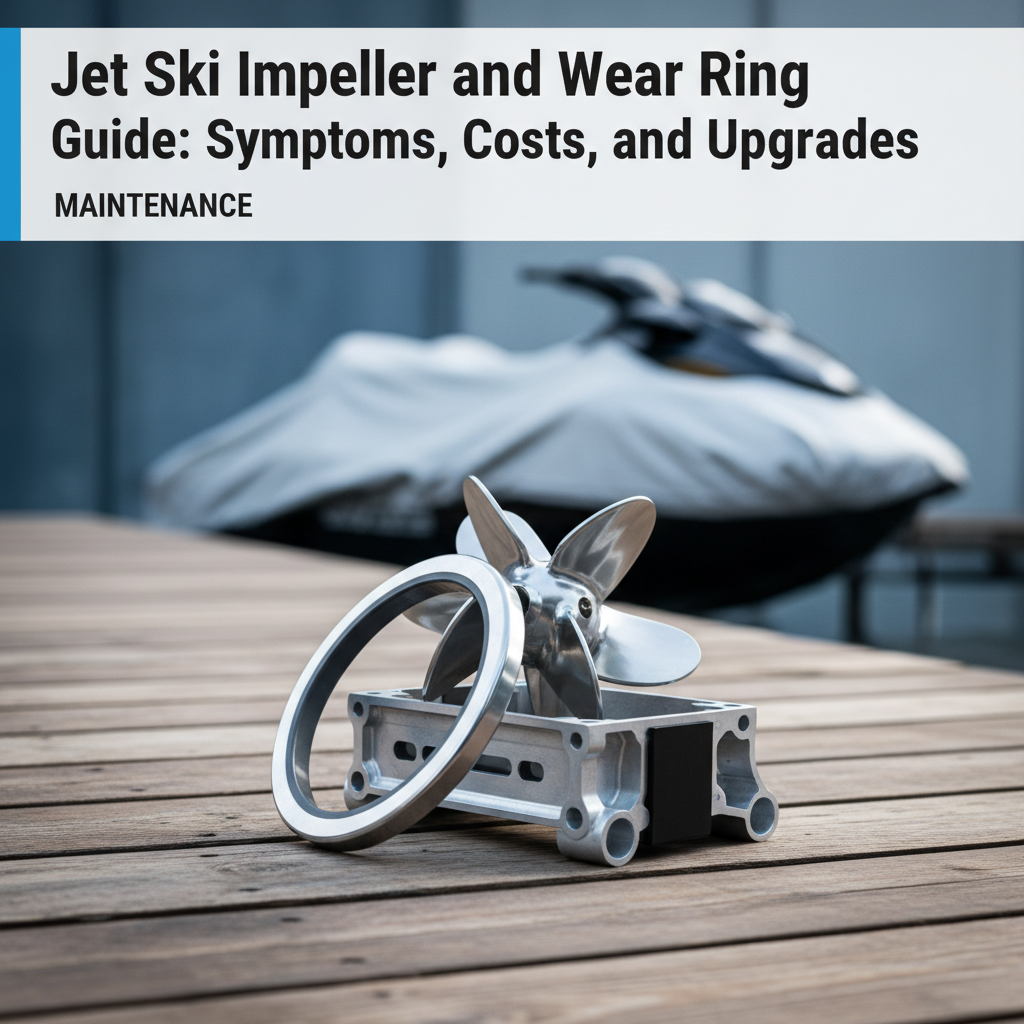
Jet Ski Impeller and Wear Ring Guide: Symptoms, Costs, and Upgrades
The heart of your personal watercraft's (PWC) propulsion system is a powerful jet pump, and its two most critical components are the impeller and the wear ring. Understanding how a jet ski impeller works and how to spot signs of trouble is essential for any owner, from seasoned riders to those browsing personal watercraft for sale for the first time. A damaged impeller or worn-out wear ring can rob your ski of performance, leaving you frustrated at the dock. This comprehensive guide will walk you through identifying symptoms, diagnosing problems, understanding replacement costs, and deciding if an upgrade is right for you.
What is a Jet Ski Impeller and How Does it Work?
Think of a jet ski impeller as a sophisticated, high-speed propeller housed inside a tunnel, which is the jet pump. The engine spins this impeller at thousands of RPMs. As it spins, its precisely angled blades grab large volumes of water from underneath the PWC and accelerate it through a nozzle at the stern. It's this high-pressure stream of water that propels your jet ski forward, a principle known as thrust. The entire system is a marvel of hydrodynamic engineering, designed for incredible efficiency and power.
Surrounding the impeller is the wear ring. Its job is to create a tight seal around the spinning impeller blades. This minimal clearance is crucial; it prevents water from slipping past the blade tips, ensuring that nearly all the water entering the pump is forced out the back. When this seal is compromised, performance suffers dramatically. Both components work in perfect harmony to give your PWC its thrilling acceleration and top speed, making their condition paramount to your on-water experience.
Top 5 Symptoms of a Damaged Jet Ski Impeller or Wear Ring
When your jet pump isn't happy, your PWC will let you know. Ignoring these signs can lead to further damage and more expensive repairs down the line. If you experience any of the following, it's time for an inspection.
- Poor Acceleration (Sluggish Hole Shot): The most common symptom is a noticeable loss of power from a standstill. Your engine revs up, but the ski feels like it's slipping or struggling to get on plane. This is often caused by a large gap between the impeller and wear ring, reducing pump pressure.
- Excessive Vibration: If your impeller is bent, nicked, or out of balance from sucking up a rock or rope, it will cause a significant vibration throughout the hull, especially under acceleration. This is a serious issue that can damage bearings and seals if not addressed promptly.
- Cavitation or Engine Revving Freely: Cavitation is when the engine RPMs shoot up without a corresponding increase in speed. It sounds like the engine is over-revving in neutral and often comes with a grinding or churning noise. This happens when the impeller can't get a clean 'bite' of water due to damage or a worn wear ring.
- Lower Top Speed: Your PWC might feel fine at lower speeds but struggles to reach the top-end RPM and speed you're used to. Even minor dings on the leading edge of the impeller blades can disrupt water flow enough to scrub off 3-5 MPH or more.
- Visible Damage: The most obvious sign is damage you can see. Looking into the jet pump intake grate with a flashlight may reveal bent blades, major dings, or pieces of debris wrapped around the impeller shaft.
Diagnosing the Problem: Impeller vs. Wear Ring Issues
So you're experiencing poor performance, but is it the impeller or the wear ring? Pinpointing the culprit requires a hands-on inspection. Before starting, ensure the engine is off and the safety lanyard is disconnected. Never put your hands inside the jet pump while the engine could potentially start.
Inspecting Your Wear Ring
The wear ring is a sacrificial part designed to protect the more expensive jet pump housing. On models like most Sea-Doo personal watercraft, it's often made of a composite plastic, while Yamaha and Kawasaki typically use a stainless steel liner. To check it, shine a bright flashlight into the jet nozzle from the back of the ski. Look for deep grooves, gouges, or an uneven, wavy surface. The most important check is the clearance between the impeller blade tip and the wear ring surface. A common rule of thumb is the 'dime test', the gap should not be much thicker than a dime (around 0.5mm to 1.0mm per side). If you can easily slide a nickel or quarter in there, your wear ring is excessively worn and needs replacement.
Checking the Impeller for Damage
Inspecting the jet ski impeller itself requires a close look from both the intake grate below and the nozzle at the rear. Check the leading edge of each blade, the part that first cuts through the water. They should be sharp, smooth, and free of nicks, dings, or dents. Even a small rock can cause significant damage. Pay special attention to the blade tips and ensure they are uniform. A bent blade will throw the entire assembly out of balance, causing destructive vibrations. If you've sucked up a tow rope, you may need to remove the intake grate to untangle it, which provides a great opportunity for a thorough inspection. This is a common issue for riders on busy lakes, from those exploring jet skis for sale in Nevada on Lake Mead to the bustling waters near our customers with jet skis for sale in Texas.
Jet Ski Impeller Replacement Costs and Considerations for 2026
The cost to fix your propulsion problems can vary widely based on the extent of the damage and whether you tackle the job yourself. As we look at 2026 pricing, it's important to budget for parts and potential labor. If you're considering a major repair, it might be worth using our jet ski financing calculator to weigh the cost against upgrading to one of the newly listed jet skis on our site.
DIY vs. Professional Repair Costs
For the handy owner, a DIY replacement is very cost-effective. A new OEM or aftermarket wear ring typically costs between $60 and $150. A brand new stock replacement jet ski impeller can range from $250 to $400. You will also need a special impeller removal tool ($30-$60) and potentially a driveshaft holder tool. All in, a DIY job for both parts could cost you between $350 and $600.
Hiring a professional marine mechanic will add labor costs. Most shops charge between $125 and $175 per hour. A full impeller and wear ring replacement is typically a 2-3 hour job. Therefore, you can expect a professional repair to cost anywhere from $600 to $1,000+, depending on your PWC model and local labor rates. For many, the peace of mind knowing the job was done correctly is worth the extra expense, especially for riders in coastal areas like those browsing for jet skis for sale in North Carolina.
Upgrading Your Jet Ski Impeller: Performance Gains vs. Stock
If you have to replace a damaged jet ski impeller, you might be tempted to upgrade. Aftermarket performance impellers from brands like Solas or Skat-Trak can offer real performance benefits, but it's crucial to choose the right one. The key factor is 'pitch'. A lower-pitched impeller acts like a lower gear, improving acceleration and hook-up in rough water, but it may reduce top speed. A higher-pitched impeller is like a higher gear, potentially increasing top speed on a modified PWC but possibly hurting the hole shot.
For a stock, unmodified PWC, the factory impeller is almost always the best choice. Engineers spent countless hours matching the stock impeller's pitch to the engine's power curve for the best all-around performance. An aftermarket performance impeller will only provide significant gains if you have also modified your engine's intake, exhaust, or ECU. Mismatching an aggressive impeller with a stock engine can actually decrease performance and put extra strain on the motor. However, if you are building a high-performance machine, a carefully selected impeller is a cornerstone of unlocking its full potential.
Ultimately, a well-maintained propulsion system is key to enjoying your time on the water and preserving your PWC's value. When it comes time to sell, a ski with a crisp hole shot and smooth power delivery is far more appealing to buyers. Following good jet ski selling tips includes highlighting recent maintenance, and a new impeller or wear ring is a major selling point. Regular inspection and prompt repair of your jet ski impeller and wear ring will ensure countless hours of reliable fun.
Frequently Asked Questions
How often should I inspect my jet ski impeller and wear ring?
A quick visual inspection should be part of your pre-ride check every time you go out. Look through the intake grate for any obvious debris like plastic bags, seaweed, or ropes. A more thorough inspection of the wear ring clearance and impeller blade condition should be done at least once a season or every 50 operating hours. If you ride in shallow or debris-filled water, you should inspect it more frequently.
Can I ride my jet ski with a damaged impeller?
It is strongly discouraged. Riding with a minor nick might just cause a small loss in performance, but riding with a significantly bent or unbalanced impeller can cause severe vibrations. These vibrations can rapidly destroy your jet pump bearings and seals, leading to a much more catastrophic and expensive failure that could leave you stranded.
What's the difference between a stainless steel and a plastic wear ring?
Plastic (or composite) wear rings, common on Sea-Doo models, are designed to be the primary sacrificial part. If a rock enters the pump, the plastic ring is destroyed, protecting the impeller and housing. Stainless steel rings, common on Yamaha and Kawasaki, are much more durable and can often withstand minor debris. However, if a large rock gets wedged, it's more likely to damage the expensive impeller blades since the steel ring won't give way as easily.
Ready to buy or sell? Explore the jet ski marketplace, browse jet skis for sale, jet ski valuation calculator, or sell your jet ski at Jet Sports Trader.
Related Articles
Jet Ski Won't Start: Diagnostic Flowchart for Common Causes
Frustrated by a jet ski that won't start? Our expert diagnostic flowchart helps you troubleshoot common causes, from simple fixes like the kill switch to complex electrical and fuel system issues.
Jet Ski Maintenance Schedule: 10-Hour, 50-Hour, and Annual Service
Master your PWC's health with our definitive jet ski maintenance schedule. Learn the essential 10-hour, 50-hour, and annual service checks to ensure reliability and fun on the water.
Jet Ski Trailer Maintenance: Bearings, Tires, and Lights Checklist
Don't let a breakdown ruin your day on the water. Our guide to jet ski trailer maintenance covers the critical checks for bearings, tires, and lights to keep you rolling safely.
Ready to Find Your Perfect Jet Ski?
Browse thousands of listings from trusted dealers nationwide