
Jet Ski Battery Guide: Choosing, Charging, and Extending Life
Our 2026 guide covers everything about your jet ski battery. Learn to choose, charge, and maintain AGM and lithium batteries to extend their life and ensure your PWC is always ready to ride.

The Ultimate 2026 Jet Ski Battery Guide: Choosing, Charging, and Extending Life
The thrill of hitting the throttle on your personal watercraft (PWC) starts with a simple, yet critical component: the battery. Without a reliable power source, your high-performance machine is nothing more than a floating sculpture. This comprehensive guide is designed to demystify everything you need to know about the modern jet ski battery, ensuring you spend more time carving up the water and less time stranded at the dock. Whether you're a seasoned rider or just starting to browse jet skis for sale, understanding how to choose, charge, and maintain your battery is fundamental to a great ownership experience.
A dead battery is one of the most common reasons for a ruined day on the lake. It’s a frustrating and completely avoidable problem. In this guide, we'll dive deep into battery types, selection criteria, proper charging protocols, and long-term maintenance strategies. By the end, you'll have the expert knowledge to keep your PWC ready for action at a moment's notice, protecting your investment and maximizing your fun.
Understanding Jet Ski Battery Types: AGM vs. Lithium
The heart of your PWC's electrical system has evolved significantly over the years. Gone are the days of conventional flooded lead-acid batteries that required constant monitoring of electrolyte levels. Today, the market is dominated by two primary technologies, each with distinct advantages and disadvantages. Choosing the right one depends on your budget, performance needs, and maintenance preferences.
The Workhorse: AGM (Absorbent Glass Mat) Batteries
AGM batteries are the most common type found in modern jet skis from manufacturers like Sea-Doo, Yamaha, and Kawasaki. These are a type of sealed lead-acid battery where the electrolyte is absorbed into fiberglass mats sandwiched between the lead plates. This design makes them spill-proof and highly resistant to the intense vibration a PWC endures while bouncing across waves.
The primary benefits of an AGM jet ski battery are its reliability and cost-effectiveness. They offer excellent cranking power for starting high-compression engines and are relatively forgiving if they are occasionally deeply discharged. For the vast majority of recreational riders, a high-quality AGM battery provides the perfect balance of performance and value. They are readily available and serve as the original equipment manufacturer (OEM) choice for most models on the market, including many of the jet skis for sale on our site.
The High-Performer: Lithium-Ion Batteries
For performance enthusiasts and racers, lithium-ion (specifically LiFePO4 or Lithium Iron Phosphate) batteries represent the cutting edge of PWC power. Their biggest advantage is a dramatic reduction in weight, often saving 8-12 pounds compared to a comparable AGM battery. This weight savings can translate to slightly better acceleration and handling, a key consideration for competitive riders. Lithium batteries also boast a longer service life, often lasting 2-3 times longer than their AGM counterparts, and can handle a much higher number of charge and discharge cycles.
However, this advanced technology comes at a premium price, often costing two to four times more than an AGM. They also require a specific lithium-compatible smart charger to prevent damage. While they hold their charge for a very long time in storage, they are more sensitive to cold weather, sometimes needing a brief “wake-up” cycle in near-freezing temperatures. If you're looking at top-tier machines from our featured jet ski listings, a lithium upgrade might be the perfect performance enhancement.
How to Choose the Right Jet Ski Battery for Your PWC
Selecting a new battery isn't as simple as grabbing the first one you see on the shelf. Using the wrong battery can lead to starting issues, damage to your ski's sophisticated electronics, or a battery that simply doesn't fit in the designated tray. Making the right choice involves matching key specifications and considering your specific needs.
Matching Specs: Amps, Volts, and Size
Every PWC has specific power requirements outlined in its owner's manual. The three most important factors to match are Cold Cranking Amps (CCA), Amp Hours (Ah), and physical dimensions. CCA indicates the battery's ability to start the engine in cold conditions, a higher number is always better, especially for powerful, supercharged engines. Amp Hours measure the battery's total capacity, which is important for running electronics like GPS and sound systems when the engine is off.
Finally, the physical size and terminal configuration must be an exact match. A battery that is too large won't fit in the tray, and one that is too small can slide around, risking damage from vibration. Ensure the positive and negative terminals are on the correct sides to match your ski's cables. If you're ever unsure, consulting with experts at one of the find trusted dealers near you is a wise move.
Considering Your Riding Style and PWC Model
How you use your jet ski also plays a role in battery selection. If you are a casual weekend rider who takes a few trips per year, a quality AGM battery is more than sufficient. However, if you're a serious enthusiast who rides frequently, has a high-performance model with lots of electronic accessories, or lives in a warmer climate like those searching for jet skis for sale in South Carolina, the longevity and consistent power of a lithium battery might be a worthwhile investment. The powerful stereo systems and large GPS displays on modern luxury models draw significant power, making a robust battery essential.
Mastering the Charge: Proper Jet Ski Battery Charging Techniques
Improper charging is the number one killer of powersports batteries. Unlike a car, a jet ski's charging system is only designed to maintain a battery's charge while riding, not to fully recharge a dead one. Relying on the ski's stator to revive a deeply discharged battery puts immense strain on the electrical system and will drastically shorten the battery's life. The secret to longevity is using the right tool for the job: a battery tender or smart charger.
A proper marine-grade jet ski battery charger does more than just pump electricity into the cells. It analyzes the battery's state of charge and health, then uses a multi-stage charging process to safely and completely restore its power. This typically includes stages for desulfation (for lead-acid batteries), bulk charging, absorption, and a final float or maintenance mode. This float mode is the key to long-term health, as it keeps the battery at 100% without overcharging it, which can be just as damaging as undercharging.
Essential Tools: The Smart Charger/Tender
For the 2026 season and beyond, every PWC owner should own a quality automatic battery tender. These inexpensive devices are designed to be connected to your battery during any period of inactivity, whether it's for a week between rides or for several months during winter storage. They monitor the voltage and apply a small trickle of current only when needed, preventing the natural self-discharge that occurs in all batteries. Using a tender is the single most effective thing you can do to ensure your battery lasts for its full intended lifespan. Look for a model with at least 1-2 amps of output and selectable modes for AGM and Lithium if you plan to use both types.
Extending Your Battery's Lifespan: Essential Maintenance and Storage Tips
Beyond proper charging, a few simple maintenance habits can add years to your battery's life. Before you get your ski ready to sell your jet ski, performing these checks can be a major selling point. Our jet ski selling tips often highlight the importance of a well-maintained electrical system. Follow this checklist for maximum longevity:
- Keep Terminals Clean: Periodically inspect the battery terminals for corrosion, which looks like a white or greenish powder. Disconnect the terminals (negative first, then positive) and clean them with a wire brush and a mixture of baking soda and water. A clean connection ensures efficient power transfer.
- Ensure a Secure Fit: Vibration is a battery's enemy. Always make sure the battery hold-down bracket is tight and the battery cannot move in its tray. This prevents internal damage to the plates and external damage to the case.
- Off-Season Storage: For winterization, the best practice is to remove the battery from the PWC. Store it in a cool, dry place off of a concrete floor and connect it to a battery tender for the entire off-season. This prevents both freezing and slow discharge.
- Regular Voltage Checks: A healthy, fully charged AGM battery should read around 12.6-12.8 volts, while a lithium battery will be slightly higher at 13.2-13.4 volts. A reading below 12.4 volts on an AGM indicates it needs a charge.
Frequently Asked Questions About Jet Ski Batteries
How long does a jet ski battery typically last?
The lifespan of a jet ski battery depends heavily on its type and how it's maintained. A standard AGM battery will typically last 2 to 4 years with proper care, including regular use of a battery tender. A premium lithium battery, while more expensive upfront, can last significantly longer, often in the 5 to 8-year range, due to its more durable chemistry.
Can I use a car battery in my jet ski?
No, you should never use a car battery in a jet ski. PWC batteries are specifically designed as powersports batteries, built to withstand constant, high-frequency vibration and potential G-forces from jumping waves. A car battery lacks this internal reinforcement and can fail quickly and catastrophically, potentially spilling acid and causing severe damage to your watercraft's hull and electronics.
What are the signs of a failing jet ski battery?
The most common sign is a slow or labored engine crank when you press the start button. Other indicators include dimming dashboard displays, accessories like the stereo or GPS failing to power on, or the battery failing to hold a charge for more than a few days. If you find yourself needing to jump-start your ski frequently, it's a clear signal that your jet ski battery is nearing the end of its life and needs replacement.
Do I need to remove my battery for winter storage?
Yes, it is highly recommended. Removing the battery prevents any small parasitic draws from the PWC's electronics from draining it over the long storage period. Storing it indoors in a temperature-controlled environment (like a garage) protects it from freezing, which can crack the case and permanently destroy the battery. Most importantly, it allows you to easily connect it to a battery tender to keep it in optimal condition for the next season.
Keep Your Adventures Powered with JetSportsTrader
Your jet ski's battery is the unsung hero of every adventure on the water. By understanding the different types, choosing the right one for your needs, and practicing proper charging and maintenance, you ensure reliability and longevity. A healthy battery means instant starts, peace of mind, and more time enjoying the ride. For more expert advice, be sure to check out our other latest jet ski news and guides. At JetSportsTrader, we're here to help you with every aspect of PWC ownership, from maintenance tips to finding your next dream machine.
Ready to buy or sell? Explore the jet ski marketplace, or jet ski valuation calculator at Jet Sports Trader.
Related Articles
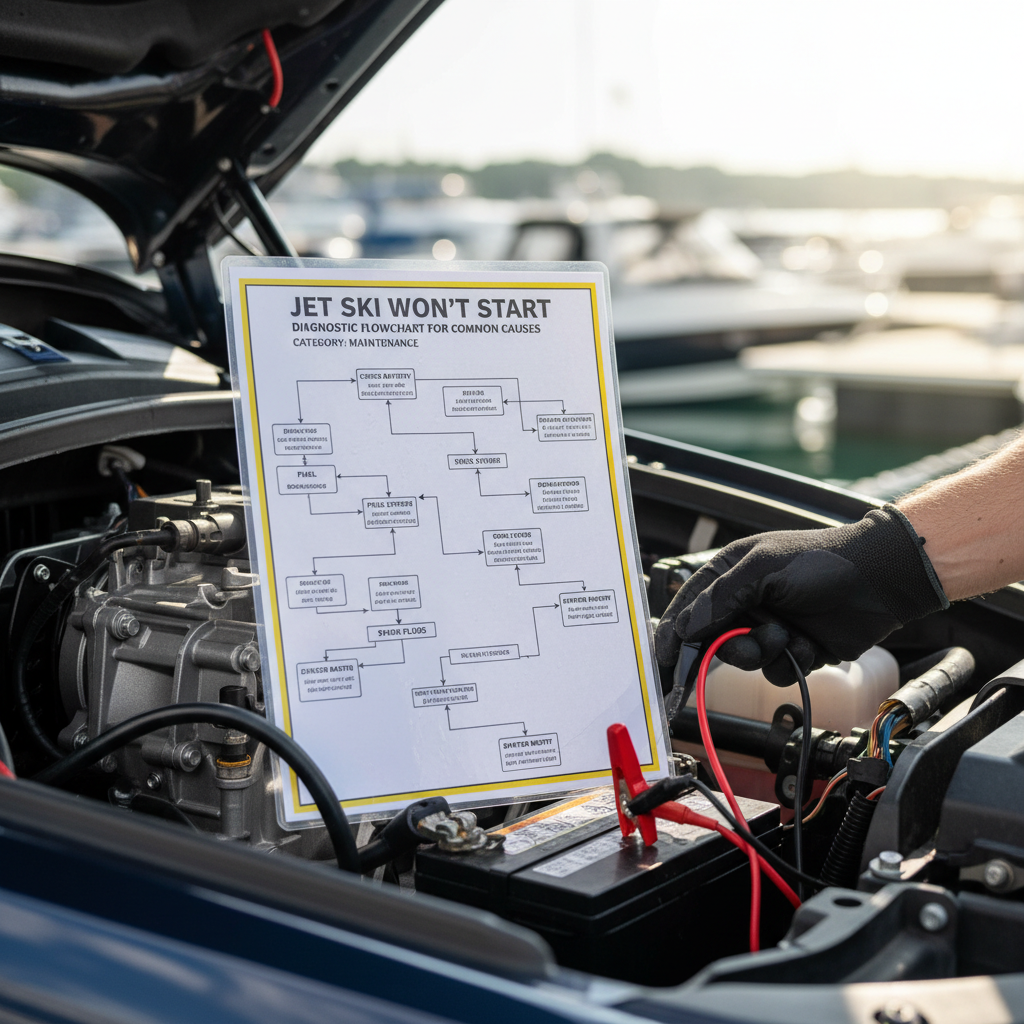
Jet Ski Won't Start: Diagnostic Flowchart for Common Causes
Frustrated by a jet ski that won't start? Our expert diagnostic flowchart helps you troubleshoot common causes, from simple fixes like the kill switch to complex electrical and fuel system issues.
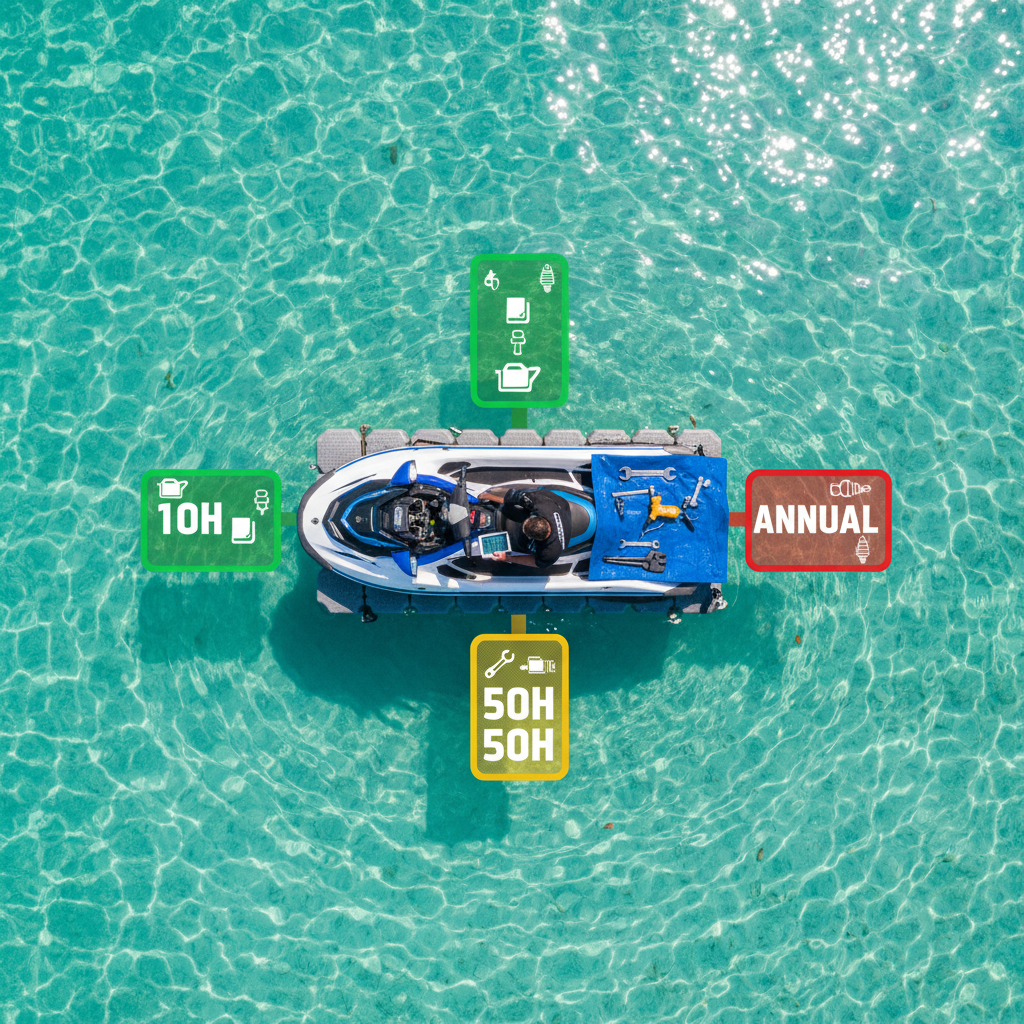
Jet Ski Maintenance Schedule: 10-Hour, 50-Hour, and Annual Service
Master your PWC's health with our definitive jet ski maintenance schedule. Learn the essential 10-hour, 50-hour, and annual service checks to ensure reliability and fun on the water.
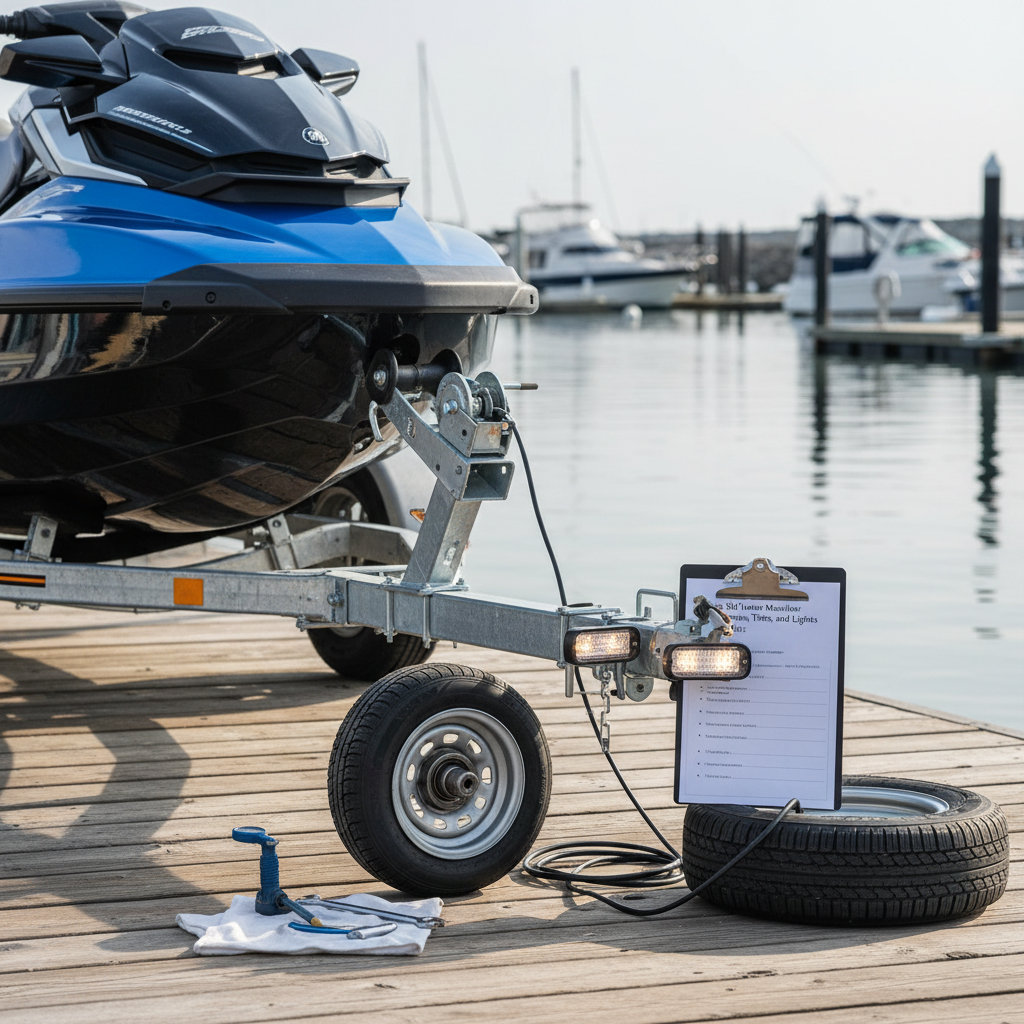
Jet Ski Trailer Maintenance: Bearings, Tires, and Lights Checklist
Don't let a breakdown ruin your day on the water. Our guide to jet ski trailer maintenance covers the critical checks for bearings, tires, and lights to keep you rolling safely.
Ready to Find Your Perfect Jet Ski?
Browse thousands of listings from trusted dealers nationwide