
How to Winterize Your Jet Ski: A Complete Step-by-Step Guide
Learn how to winterize your jet ski with our complete step-by-step guide. Protect your PWC from freeze damage, bad fuel, and corrosion to ensure a perfect start next season.

How to Winterize Your Jet Ski: A Complete Step-by-Step Guide
As the sun sets on another incredible season of riding, the bittersweet reality of colder weather approaches. For personal watercraft owners, this means it's time for one of the most crucial maintenance tasks of the year. Learning how to properly winterize your jet ski is not just a suggestion; it's an absolute necessity to protect your investment and ensure a hassle-free start to next year's season. Neglecting this process can lead to catastrophic engine damage and costly repairs. This comprehensive guide will walk you through every step, providing the expert knowledge you need to confidently prepare your watercraft for its long winter nap.
Whether you own a high-performance supercharged model or a reliable recreation-lite machine, the principles of winterization are universal. Protecting your PWC from freezing temperatures, fuel degradation, and corrosion is paramount to preserving its performance and value. A well-maintained ski is not only more reliable but will also fetch a higher price if you ever decide to sell your jet ski in the future. Let's dive into the definitive 2026 guide for PWC winter storage preparation.
Why Winterizing Your PWC is Non-Negotiable
Some new owners might wonder if all this effort is truly necessary, especially in milder climates. The answer is an emphatic yes. The risks associated with skipping the winterization process are severe and can easily turn your prized watercraft into a very expensive lawn ornament. The primary enemy is water. When water freezes, it expands by approximately 9%, exerting immense pressure on whatever is containing it. If water is left inside your engine block, exhaust system, or intercooler, this expansion can crack metal components, leading to a complete engine failure that can cost thousands of dollars to repair or replace.
Beyond freeze damage, modern ethanol-blended fuel is another significant threat. Over a few months, fuel can degrade, separate, and absorb moisture from the air. This leads to a gummy varnish that clogs fuel injectors, carburetors, and fuel filters. The result is a jet ski that won't start or runs poorly come springtime. Furthermore, the moist environment of a stored PWC is a breeding ground for rust and corrosion on internal engine parts like cylinder walls and crankshaft bearings, as well as electrical connections. Properly to winterize a jet ski is the single best piece of preventative maintenance you can perform.
Essential Supplies for Jet Ski Winterization
Before you begin, gathering all the necessary tools and supplies will make the process smooth and efficient. Having everything on hand prevents you from having to stop midway through a critical step. Here is a checklist of what you'll need to get the job done right:
- Fuel Stabilizer: A quality marine-grade stabilizer is essential to prevent fuel degradation.
- Marine Antifreeze: Use a non-toxic, propylene glycol-based antifreeze, rated for at least -50°F (-45°C). Do NOT use automotive (ethylene glycol) antifreeze, as it is toxic to aquatic life.
- Fogging Oil: This protects internal engine components from corrosion during storage.
- Basic Hand Tools: A socket set, spark plug wrench, and screwdrivers are usually required.
- Water Hose and Flush Adapter: Necessary for flushing the cooling system. A short hose and funnel setup may also be needed for introducing antifreeze.
- Cleaning Supplies: PWC-specific boat soap, brushes, towels, and a quality wax or polish.
- Battery Tender: A smart trickle charger to maintain your battery's health over the winter.
- Pest Repellent: Mothballs, peppermint oil, or commercial rodent repellents to keep critters out.
- PWC Cover: A breathable, well-fitting cover to protect from dust, debris, and moisture.
The Step-by-Step Guide to Winterize Your Jet Ski
With your supplies gathered, it's time to begin the process. We recommend performing these steps on a day when you can run the engine for a few minutes, either on the water for the final ride or hooked up to a hose in your driveway. Follow this detailed procedure to ensure every component is protected.
Step 1: Cleaning and Detailing Your Watercraft
A thorough cleaning is the foundation of good storage. Start by washing the entire exterior, hull, deck, and seat, with a quality boat soap to remove salt, algae, and grime. Pay special attention to the jet pump intake and nozzle area. Use a soft brush to clean out the footwells and remove any sand or debris from storage compartments. Open the seat and carefully clean the engine bay. Avoid using a high-pressure washer directly on the engine, as it can force water into sensitive electrical connectors. A low-pressure rinse and wipe-down are best. Once dry, applying a coat of wax or polish to the hull and deck provides an extra layer of protection against moisture and oxidation. This step also helps maintain your ski's resale value, a key factor tracked by our jet ski valuation calculator.
Step 2: Stabilizing the Fuel System
This is arguably one of the most critical steps to ensure an easy start in the spring. First, top off your fuel tank until it is about 90-95% full. A full tank leaves minimal air space, which significantly reduces the potential for condensation to form inside the tank. Next, add the recommended amount of marine fuel stabilizer directly into the fuel tank. Read the instructions on the stabilizer bottle to determine the correct ratio for your tank size. Once the stabilizer is added, you need to circulate the treated fuel throughout the entire system. Start the engine and let it run for 5-10 minutes. This is long enough to ensure the stabilized fuel has worked its way through the fuel lines, filter, and into the carburetors or fuel injectors, protecting them from gumming up.
Step 3: Flushing and Draining the Engine
This is the core procedure to prevent freeze damage. The goal is to replace any water in the cooling and exhaust systems with antifreeze. The exact method varies slightly between models, such as many Yamaha WaveRunners with open-loop cooling versus Sea-Doo personal watercraft models that often feature a closed-loop system. For any system, the rule is: ENGINE ON first, then WATER ON. WATER OFF first, then ENGINE OFF.
For a typical open-loop system, connect a garden hose to your PWC's flush port. Start the engine, then immediately turn on the water. Let the engine run for 3-5 minutes to flush out any salt or debris. Turn the water off, then give the throttle a few quick blips to push excess water out of the waterbox before shutting the engine down. Now, to introduce antifreeze, you can use a small funnel and hose connected to the flush port. Start the engine and pour about half a gallon of marine antifreeze into the system. Run the engine just long enough to see the colored antifreeze spitting out of the exhaust outlet, then shut it off immediately. This confirms the system is protected.
Step 4: Protecting the Engine Internals
Fogging the engine coats the internal surfaces, cylinder walls, pistons, and crankshaft, with a protective layer of oil to prevent rust. With the engine running on the flush kit (after the antifreeze step), spray the fogging oil directly into the air intake or each carburetor throat in short bursts. The engine will start to bog down and produce thick white smoke from the exhaust; this is normal. Continue spraying for about 10-15 seconds until the engine stalls or is about to. This ensures the inside of the engine is thoroughly coated. After fogging, it's a great time to remove the spark plugs. Inspect them for wear and consider replacing them. You can spray a small, one-second shot of fogging oil into each spark plug hole for extra protection, then reinstall the old or new plugs.
Final Storage Preparations and Long-Term Care
With the engine and fuel system protected, a few final steps will ensure your jet ski is completely ready for storage. First, disconnect the battery. Remove it from the PWC and store it in a dry, temperate location off of concrete floors. Connect it to a battery tender or smart charger, which will monitor the battery and keep it at an optimal charge all winter without overcharging it. This single step can double the life of your battery. Next, address pest control. Rodents love to make nests in the warm, dark spaces of a PWC engine bay and can chew through wires and hoses. Place mothballs, peppermint-soaked cotton balls, or commercial rodent repellent packets in the engine bay, storage compartments, and footwells. You can also loosely stuff some steel wool into the exhaust outlet to block entry.
Finally, cover your watercraft with a high-quality, breathable cover. Avoid cheap plastic tarps, as they trap moisture and can cause mold, mildew, and corrosion. A proper cover allows air to circulate while keeping dust, debris, and UV rays off your machine. If storing outdoors, ensure the trailer is properly supported, and the bow is angled slightly up to allow any precipitation that gets under the cover to drain out the back. Following this complete guide to winterize your jet ski will give you peace of mind knowing your valuable investment is safe and will be ready for action the moment the weather warms up. It's the best way to protect any of the fantastic personal watercraft for sale you might have your eye on.
Frequently Asked Questions
Can I winterize my jet ski myself?
Absolutely. For most owners with basic mechanical aptitude and the right supplies, to winterize a jet ski is a very manageable DIY project. Following a detailed guide like this one, along with your owner's manual, provides all the information needed. It's a great way to save money and become more familiar with your machine. However, if you're not comfortable with the process, a certified dealer or marine mechanic can perform the service for you.
What happens if I don't winterize my jet ski?
The consequences can be devastating and expensive. The most significant risk is a cracked engine block or exhaust manifold from water freezing and expanding inside. This repair can easily cost $3,000-$8,000 or more, potentially totaling the value of the watercraft. Other issues include a ruined fuel system from degraded fuel, widespread corrosion, and electrical problems from moisture and pests. Failing to winterize is one of the quickest ways to destroy a PWC's value, which is critical if you're considering selling or trading it in. Many buyers of used jet skis for sale specifically look for signs of poor winter storage.
How much does it cost to have a jet ski winterized professionally?
The cost for a professional winterization service can vary depending on your location, the dealership's labor rates, and the specific model of your PWC. Generally, you can expect to pay between $250 and $500 for a standard winterization service. This price typically includes all the necessary supplies like fuel stabilizer, antifreeze, and fogging oil, as well as the skilled labor to perform all the steps correctly. For high-performance or supercharged models, the cost may be slightly higher.
Ready to buy or sell? Explore the jet ski marketplace, or browse jet skis for sale at Jet Sports Trader.
Related Articles
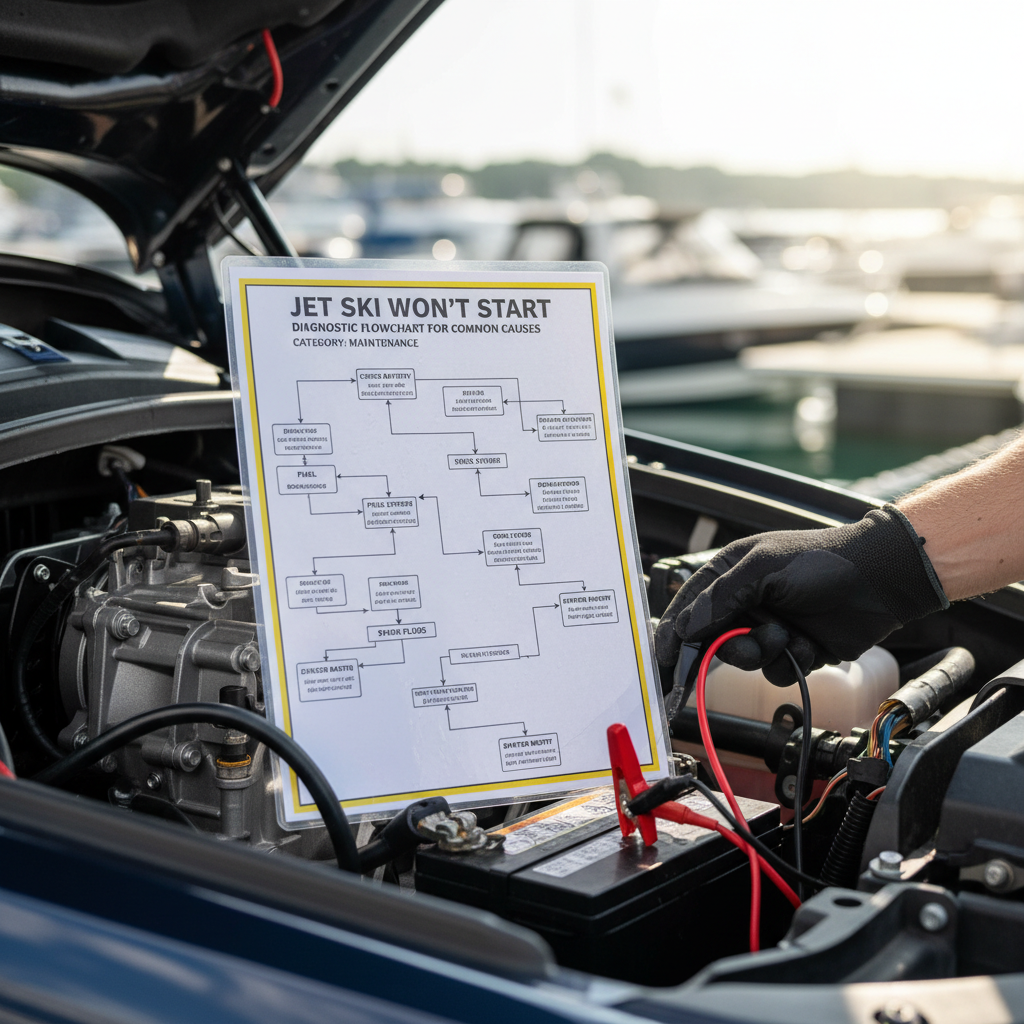
Jet Ski Won't Start: Diagnostic Flowchart for Common Causes
Frustrated by a jet ski that won't start? Our expert diagnostic flowchart helps you troubleshoot common causes, from simple fixes like the kill switch to complex electrical and fuel system issues.
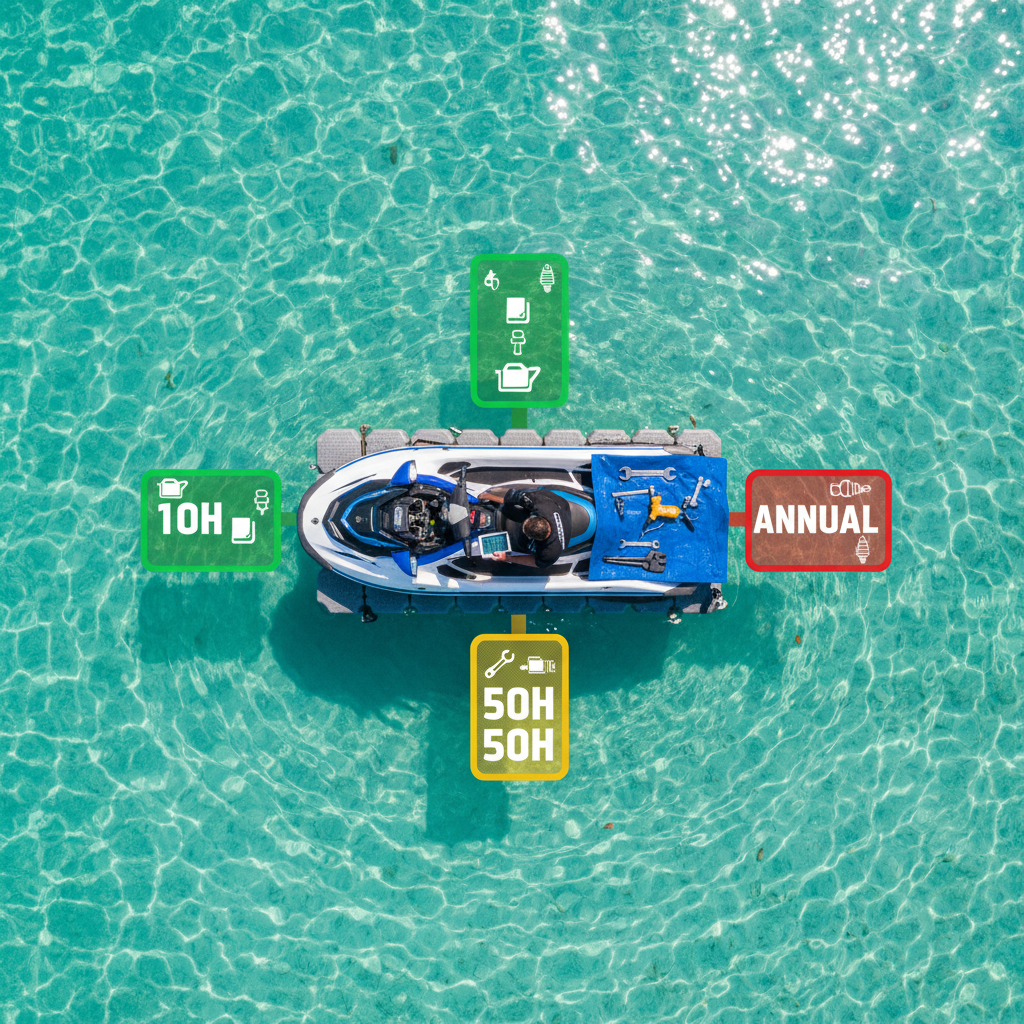
Jet Ski Maintenance Schedule: 10-Hour, 50-Hour, and Annual Service
Master your PWC's health with our definitive jet ski maintenance schedule. Learn the essential 10-hour, 50-hour, and annual service checks to ensure reliability and fun on the water.
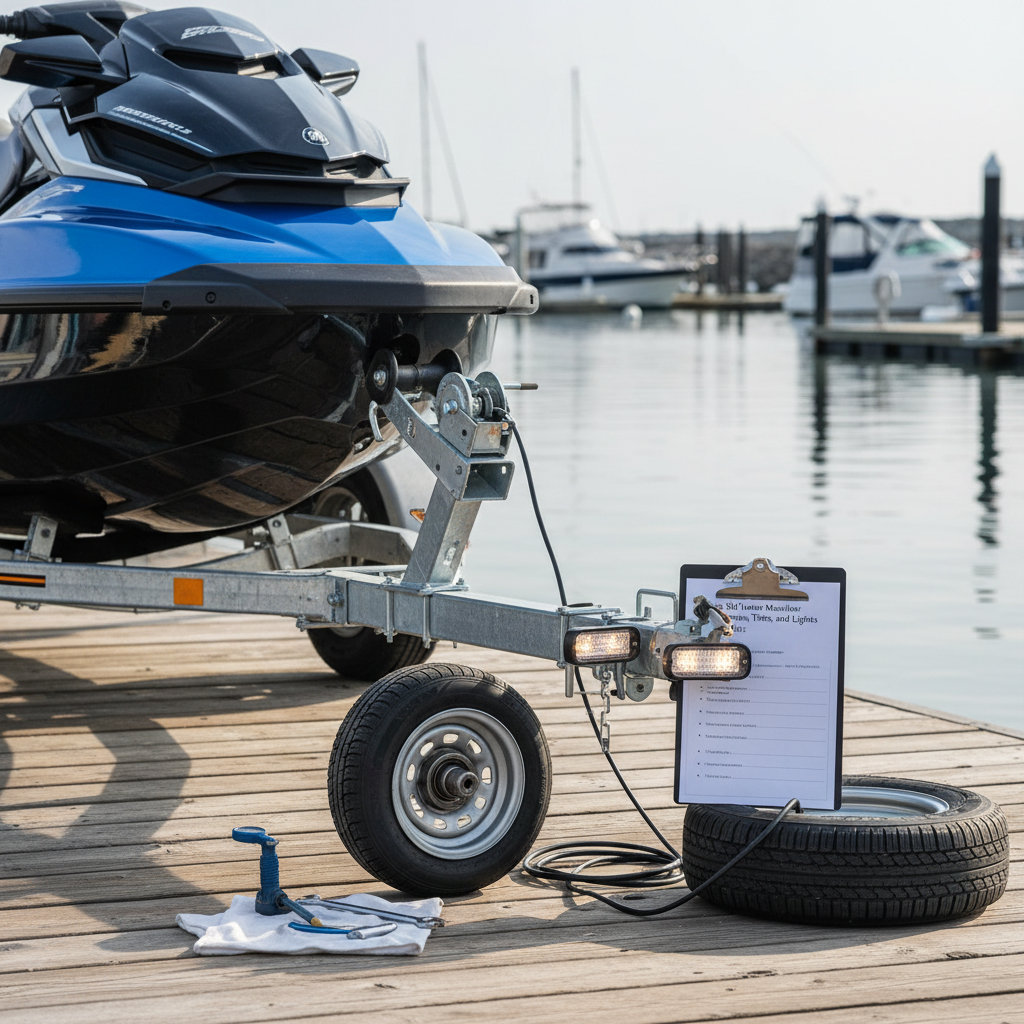
Jet Ski Trailer Maintenance: Bearings, Tires, and Lights Checklist
Don't let a breakdown ruin your day on the water. Our guide to jet ski trailer maintenance covers the critical checks for bearings, tires, and lights to keep you rolling safely.
Ready to Find Your Perfect Jet Ski?
Browse thousands of listings from trusted dealers nationwide