
How to Properly Store Your Jet Ski During the Off-Season
Proper jet ski storage is crucial to protect your investment. Learn the expert steps for winterizing your PWC to ensure it's ready for next season.
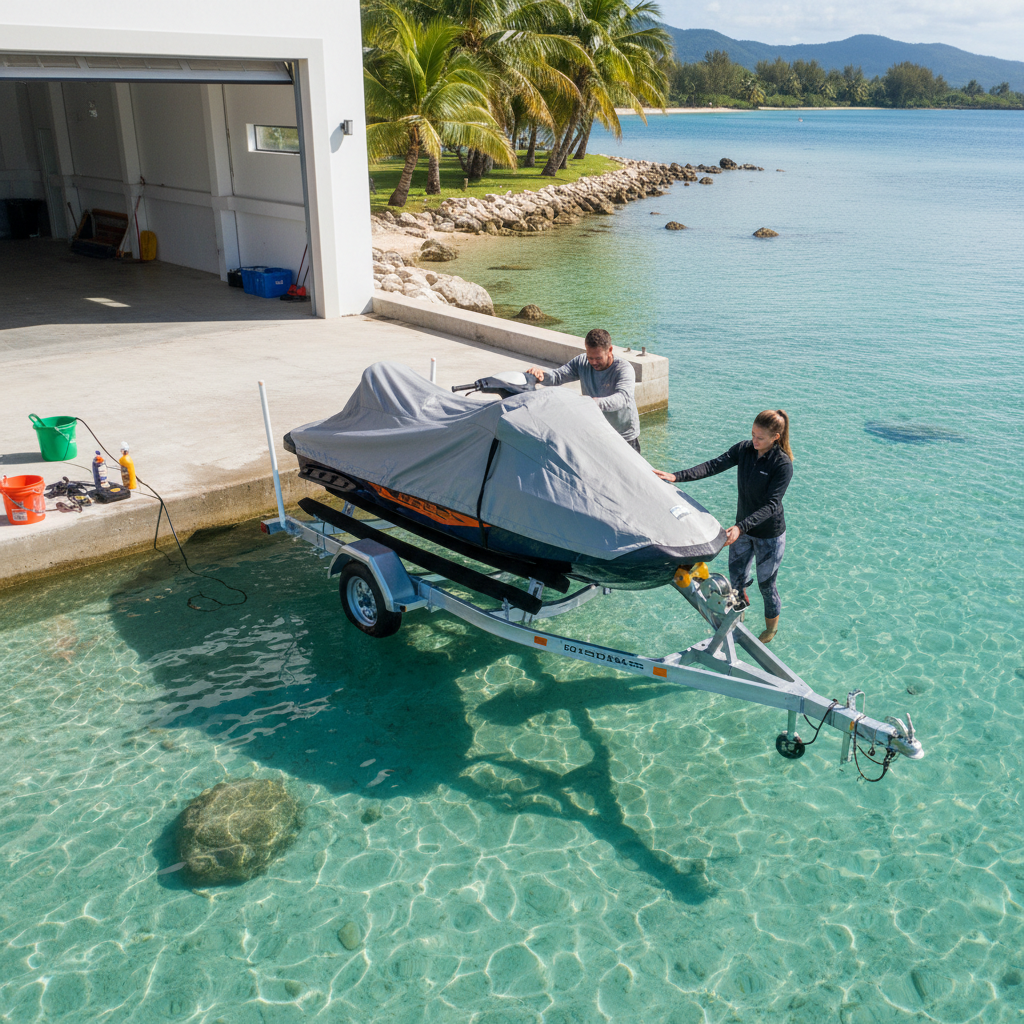
The Ultimate Guide to Proper Jet Ski Storage for the Off-Season
As the sun sets on another incredible season of carving up the waves, the bittersweet reality of the off-season begins to sink in. For personal watercraft (PWC) owners, this transition period is critical. Simply throwing a tarp over your machine and hoping for the best is a recipe for disaster. This guide provides a comprehensive walkthrough of proper jet ski storage, ensuring your prized possession weathers the winter and is ready to fire up on the first warm day of spring. Following these steps will prevent costly repairs and protect your investment for years to come.
The Pre-Storage Deep Clean: More Than Just a Rinse
The first step in any professional winterization process is a meticulous, top-to-bottom cleaning. Leaving salt, algae, sand, and other grime on your PWC all winter can lead to corrosion, staining of the gelcoat, and deterioration of plastics and vinyl. Start by giving your jet ski a thorough rinse with fresh water, paying close attention to the footwells, pump intake, and jet nozzle. Don't forget to open the hood and carefully rinse the engine bay, avoiding direct high-pressure spray on electrical components.
After the initial rinse, use a high-quality marine-grade boat soap and a soft-bristle brush to wash every surface. This includes the hull, deck, seat, and handlebars. Marine-specific soaps are formulated to cut through salt and grime without stripping wax or damaging the sensitive finishes on your watercraft. Once washed, give it another complete freshwater rinse to ensure all soap residue is gone. Finally, use a microfiber towel or chamois to dry the entire PWC, which prevents water spots and prepares the surface for waxing.
Detailing and Waxing for Ultimate Protection
With your PWC sparkling clean and completely dry, it's time to add a layer of protection. Applying a coat of high-quality marine wax to the hull and deck is one of the best things you can do before storage. The wax creates a barrier that shields the gelcoat from moisture, dust, and even ambient UV light that might penetrate your storage location. This simple step helps prevent oxidation and fading, keeping your jet ski looking new.
Don't neglect the other materials. Use a dedicated vinyl cleaner and conditioner on your seat to keep it supple and prevent it from cracking over the long, cold months. Treat any black plastic or rubber components with a UV protectant spray to stop them from fading and becoming brittle. A little effort here goes a long way in preserving the look and feel of your machine.
Winterizing Your PWC's Engine and Fuel System
This is arguably the most critical phase of off-season jet ski storage. The internal components of your engine are highly susceptible to damage from old fuel, moisture, and freezing temperatures. Start with the fuel system. Modern ethanol-blended gasoline can begin to degrade and separate in as little as 30-60 days. This process, known as phase separation, can leave gummy deposits that clog fuel lines, injectors, and carburetors, leading to expensive and frustrating repairs.
To prevent this, purchase a quality marine fuel stabilizer. Add the correct amount of stabilizer (as per the product's instructions) to your fuel tank, and then top off the tank until it's about 90% full. A full tank leaves less room for air, which in turn minimizes the potential for condensation to form inside the tank. After adding the stabilizer, run the engine for 5-10 minutes on the water or with a hose connection. This circulates the treated fuel through the entire system, ensuring everything is protected. Proper engine care is vital; it directly impacts your PWC's longevity and resale value, which you can check anytime with a jet ski valuation calculator.
Engine Internals and Cooling System Protection
Next, you must protect the engine's internal components from rust and corrosion. This is done through a process called “fogging.” With the engine off, remove the spark plugs and air filter. Spray a liberal amount of fogging oil directly into each spark plug hole and into the air intake. Briefly turn the engine over (without starting it) for a second or two to distribute the oil, which coats the cylinder walls, pistons, and rings with a protective film. Clean and replace the spark plugs, but do not reconnect the wires.
The final and most crucial engine step is winterizing the cooling system. Any plain water left in the engine or exhaust system can freeze, expand, and crack the engine block or manifold, a catastrophic and costly failure. To prevent this, you need to flush the system with marine/RV antifreeze. Connect a hose to your PWC's flush port, start the engine, and run it while introducing the antifreeze until you see the colorful fluid exiting the exhaust outlet. This confirms the entire system is filled with antifreeze and protected from freezing.
Choosing the Right Jet Ski Storage Location
Where you store your PWC is just as important as how you prepare it. The ideal location is a dry, secure, and climate-controlled environment that protects it from temperature swings, moisture, and pests. However, several options are available depending on your budget and location. For owners in areas where space is a premium, like those looking at jet skis for sale in California, finding suitable storage is a key consideration.
Here are the most common options for PWC storage:
- Home Garage: This is the best and most convenient option if you have the space. It's secure, dry, and protects your jet ski from the elements and potential theft.
- Climate-Controlled Storage Unit: The next best thing to a garage. It offers complete protection from weather extremes, which is especially beneficial for the battery and vinyl components.
- Marina Dry Stack or Dealer Storage: Many marinas and dealers offer winterization and storage packages. This is a hassle-free option where professionals handle everything for you.
- Outdoor Storage: While not ideal, outdoor storage is feasible if done correctly. It is absolutely essential to use a high-quality, custom-fit, waterproof, and breathable cover to protect your PWC.
Essential Final Touches for Long-Term PWC Protection
You're almost there! A few final steps will ensure your PWC is completely buttoned up for its long winter nap. First, address the battery. Leaving it connected will result in a slow drain, and a fully discharged battery can be permanently damaged, especially in freezing temperatures. Disconnect the negative and positive terminals, remove the battery from the jet ski, and store it in a cool, dry place off the concrete floor. For optimal battery health, connect it to a battery tender or smart charger, which will maintain its charge safely throughout the off-season.
Next, implement pest control measures. Mice and other rodents love to make nests in the warm, hidden spaces of a jet ski, often chewing through wires and upholstery in the process. Place mothballs or peppermint oil-soaked cotton balls in the engine bay and storage compartments to deter them. You can also loosely stuff steel wool into the exhaust outlet to block entry. Whether you own one of the ever-popular Yamaha WaveRunners or a powerful Sea-Doo personal watercraft, these steps are universal for protecting your machine.
Finally, cover your jet ski properly. Do not use a generic plastic tarp, as it will trap moisture and can lead to mold, mildew, and corrosion. Invest in a purpose-built PWC cover that is breathable yet water-resistant. A good cover will keep dust and debris off while allowing air to circulate, preventing condensation buildup. If storing on a trailer, slightly elevate the trailer tongue to ensure any moisture on the deck drains out the back. This is also a great time to check your trailer's tire pressure and grease the wheel bearings.
Frequently Asked Questions About Jet Ski Storage
Can I just leave my jet ski on the lift all winter?
This is strongly discouraged, especially in climates that experience freezing temperatures. Leaving a PWC on a lift exposes it to harsh winter elements, including snow, ice, and high winds, which can damage the hull and cover. Furthermore, it makes performing crucial winterization tasks like flushing the cooling system with antifreeze much more difficult and leaves it vulnerable.
Do I really need to use fuel stabilizer?
Yes, absolutely. This is a non-negotiable step for proper jet ski storage. Untreated ethanol-based fuel can degrade and cause significant damage to your fuel system in just a few months. The cost of a bottle of fuel stabilizer is minuscule compared to the potential cost of cleaning or rebuilding your PWC's fuel injectors or carburetors.
What's the biggest mistake people make with off-season PWC storage?
By far, the most common and costly mistake is failing to properly drain or flush the cooling system with antifreeze. Water left inside the engine block or exhaust manifold will freeze and expand, which can easily crack these expensive components. This type of damage can often cost thousands of dollars to repair and is entirely preventable with a few quarts of RV antifreeze.
Is it better to store a jet ski with a full or empty tank of gas?
For modern PWCs, it is best to store them with a nearly full tank of stabilized fuel. A full tank minimizes the amount of air space, which reduces the potential for water condensation to form inside the tank. This condensation can lead to rust and water getting into your fuel lines, so keeping the tank full is a key part of the winterization process.
Taking the time to prepare your PWC for the off-season is the smartest thing you can do as an owner. Proper jet ski storage not only prevents damage but also ensures that when the 2026 season arrives, you can get back on the water without delay. If these steps seem too daunting, you can always find trusted dealers near you who offer professional winterization services. Or, if this off-season has you dreaming of an upgrade, now is the perfect time to browse jet skis for sale on JetSportsTrader.com!
Ready to buy or sell? Explore the jet ski marketplace, or sell your jet ski at Jet Sports Trader.
Related Articles
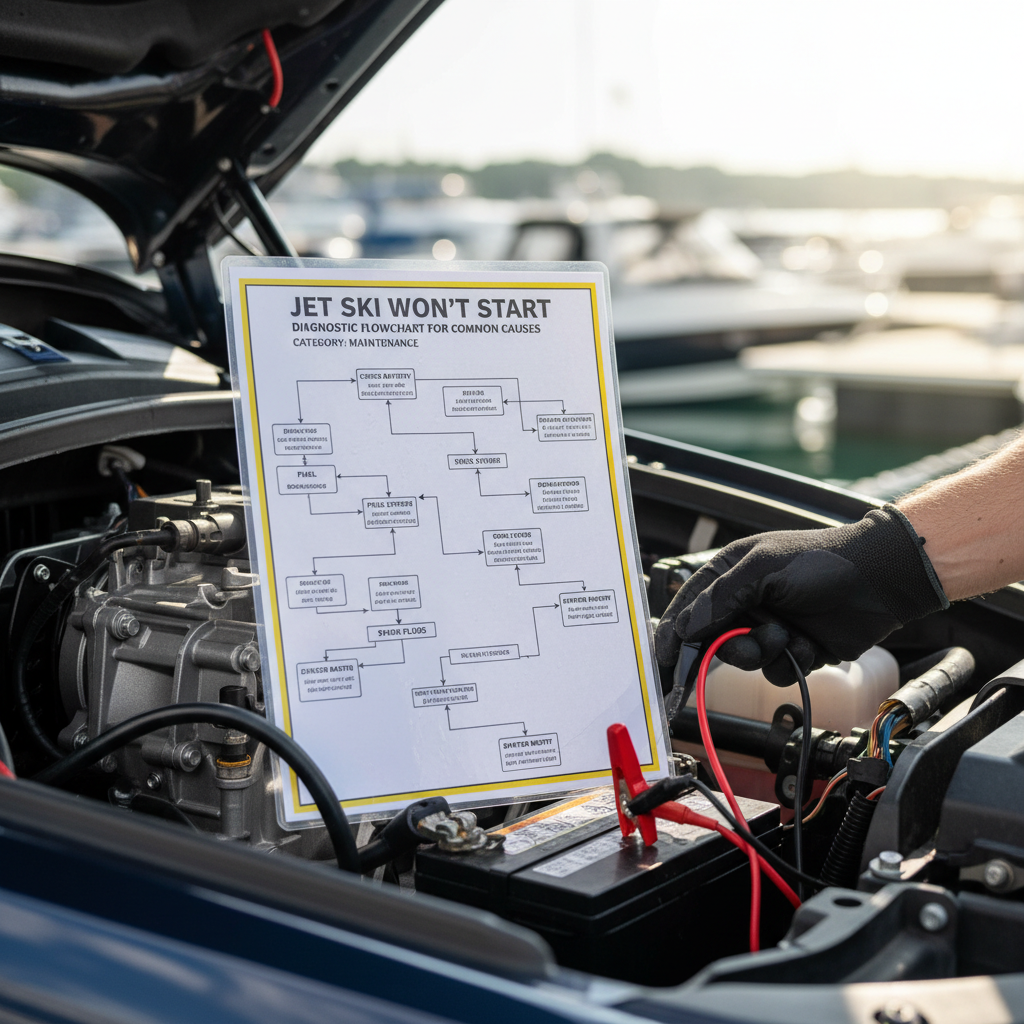
Jet Ski Won't Start: Diagnostic Flowchart for Common Causes
Frustrated by a jet ski that won't start? Our expert diagnostic flowchart helps you troubleshoot common causes, from simple fixes like the kill switch to complex electrical and fuel system issues.
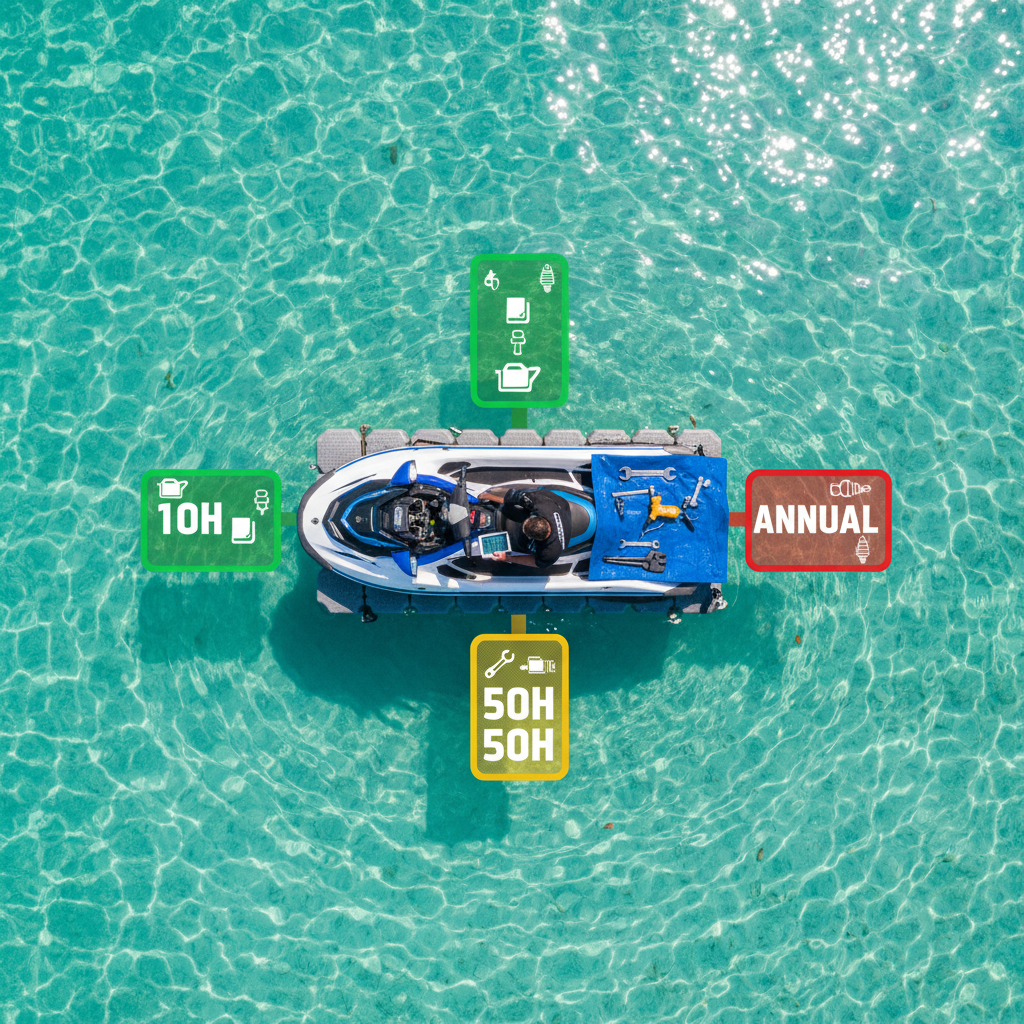
Jet Ski Maintenance Schedule: 10-Hour, 50-Hour, and Annual Service
Master your PWC's health with our definitive jet ski maintenance schedule. Learn the essential 10-hour, 50-hour, and annual service checks to ensure reliability and fun on the water.
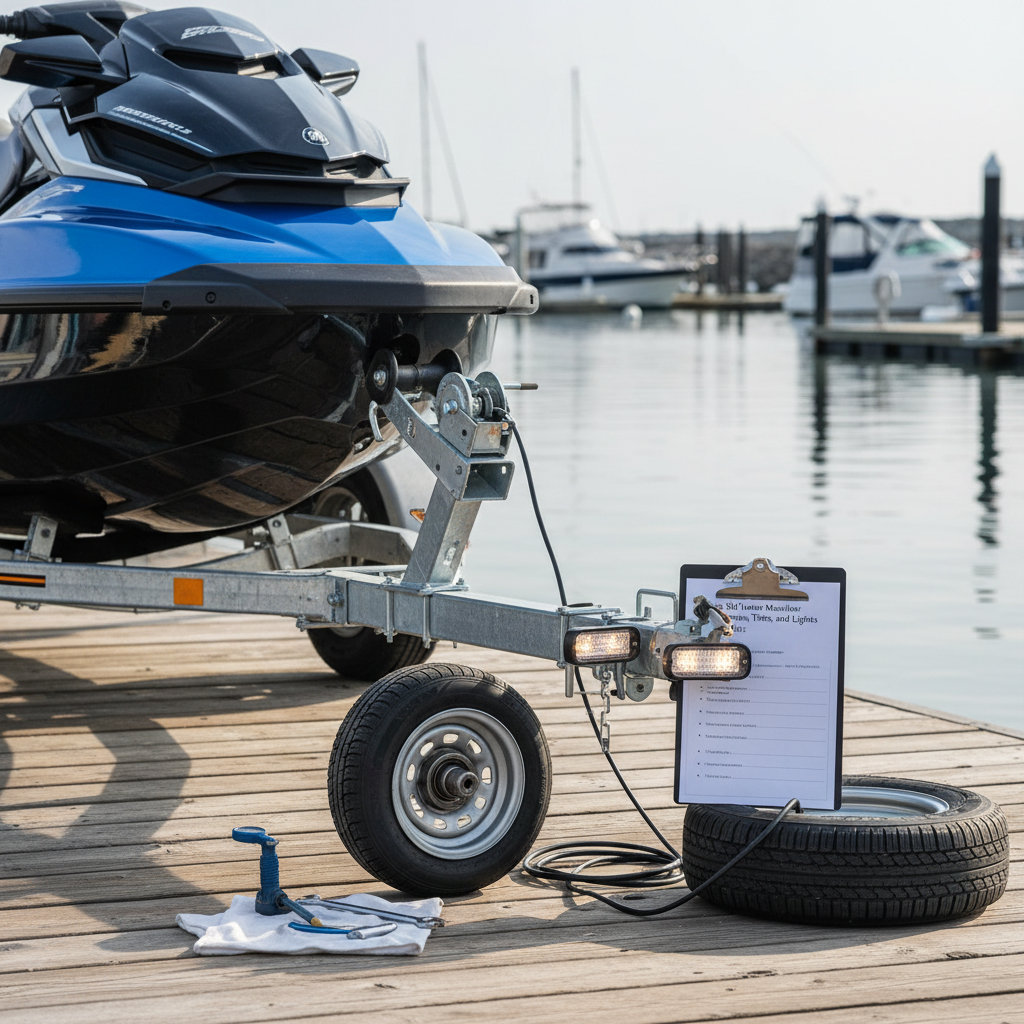
Jet Ski Trailer Maintenance: Bearings, Tires, and Lights Checklist
Don't let a breakdown ruin your day on the water. Our guide to jet ski trailer maintenance covers the critical checks for bearings, tires, and lights to keep you rolling safely.
Ready to Find Your Perfect Jet Ski?
Browse thousands of listings from trusted dealers nationwide