
How to Clean and Detail Your Jet Ski Like a Professional
Master the art of professional jet ski cleaning with our 2026 guide. Keep your PWC looking new and running great to maximize its value and performance on the water.
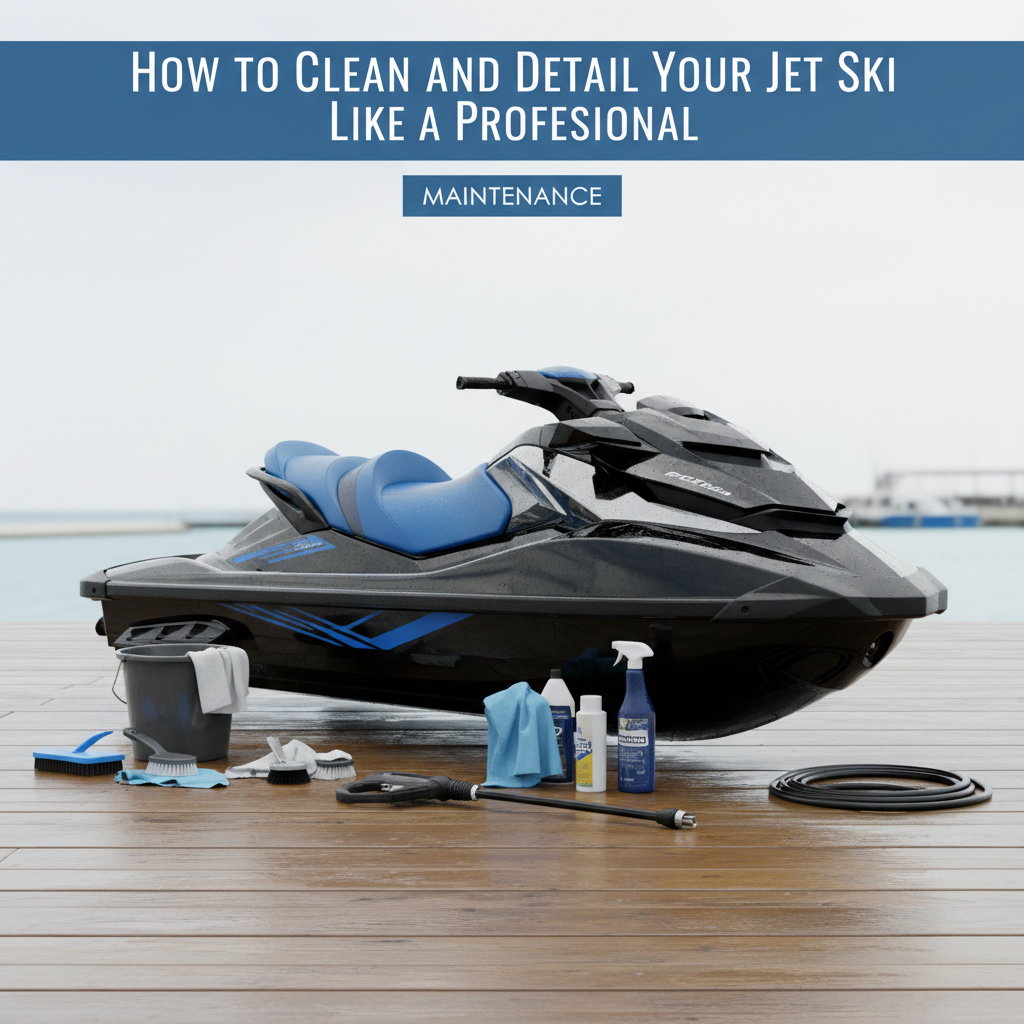
Professional Jet Ski Cleaning: A 2026 Step-by-Step Guide
Keeping your personal watercraft (PWC) in pristine condition is about more than just aesthetics; it's a critical part of ownership that protects your investment and ensures peak performance. A thorough and regular jet ski cleaning routine prevents long-term damage from saltwater, sun exposure, and environmental grime. Whether you've just bought your first PWC or you're a seasoned rider, this guide will walk you through the entire process of how to clean and detail your jet ski like a professional, ensuring it looks brand new every time you hit the water.
From the hull to the engine bay, we'll cover every component, providing actionable tips that make the process efficient and effective. Proper maintenance not only extends the life of your watercraft but also significantly boosts its resale value. A well-maintained machine is always more appealing on the personal watercraft for sale market. Let's dive into the essential supplies, techniques, and finishing touches that will make your jet ski the envy of the lake or coastline.
Gathering Your PWC Detailing Arsenal
Before you begin, assembling the right tools and products is crucial for a safe and effective clean. Using household cleaners or abrasive tools can cause irreparable damage to your jet ski's gelcoat, vinyl, and plastic components. Investing in marine-specific products is non-negotiable for achieving a professional finish and providing long-lasting protection. Here’s a comprehensive list of what you'll need.
Essential Cleaning Supplies:
- Marine-Grade Boat Soap: A pH-balanced soap designed to remove salt and grime without stripping wax or damaging the gelcoat.
- Two Buckets with Grit Guards: One for soapy water and one for rinsing your wash mitt. Grit guards trap dirt at the bottom, preventing scratches.
- Microfiber Wash Mitts and Towels: Microfiber is gentle on surfaces and highly absorbent. Have several on hand for washing, drying, and polishing.
- Soft-Bristle Brushes: Various sizes are needed for scrubbing the footwells, textured surfaces, and hard-to-reach areas.
- Hose with a Spray Nozzle: A quality nozzle that offers multiple spray patterns is essential for rinsing.
- Engine Degreaser/Cleaner: A marine-safe formula to break down grease and oil in the engine bay.
- Vinyl and Rubber Cleaner/Protectant: To clean and condition the seat, grips, and rubber bumpers, providing crucial UV protection.
- All-Purpose Cleaner (Marine Grade): For spot-cleaning storage compartments and other plastic surfaces.
- Water Spot Remover: Especially important for riders in areas with hard water, like those looking at jet skis for sale in Arizona, to tackle mineral deposits.
- Marine Wax or Polymer Sealant: The final, critical step for protecting the hull and adding a brilliant shine.
Having these items ready will streamline your workflow and ensure you aren't tempted to grab a product that could harm your PWC. Quality supplies are the foundation of a quality detailing job. Think of it as an investment that pays dividends in the longevity and appearance of your watercraft.
The Ultimate Exterior Jet Ski Cleaning Process
The exterior is what everyone sees, but cleaning it properly is about more than just a quick rinse. This is where you remove corrosive salt, algae, and grime that can degrade the hull and components over time. For riders enjoying the beautiful coastlines near our popular listings of jet skis for sale in Florida, this step is especially critical after every single saltwater ride. Always start cleaning from the top down to prevent clean areas from getting dirty again.
Step 1: The Initial Rinse and Engine Flush
Before any soap touches your PWC, give it a thorough rinse with fresh water. This removes loose debris and salt crystals that could act like sandpaper during the washing process. Pay special attention to the jet pump, intake grate, and any crevices where salt and sand can accumulate. While you're at it, this is the perfect time to flush your engine's cooling system according to the manufacturer's instructions. This step is vital for preventing internal corrosion, a common issue with both Sea-Doo personal watercraft and Kawasaki jet skis if neglected.
Step 2: Washing the Hull and Deck
Fill one bucket with your marine boat soap and water, and the other with clean rinse water. Dunk your microfiber wash mitt into the soapy water and begin washing the top surfaces of the jet ski, the handlebars, console, mirrors, and top deck. Work in small, manageable sections. After washing a section, rinse your mitt thoroughly in the clean water bucket before reloading it with soap. This two-bucket method is a professional detailing secret that dramatically reduces the risk of swirl marks and scratches. Once the top is done, move to the sides of the hull, and finally the underside if it's on a trailer or lift. Use a soft-bristle brush for the non-slip footwell mats, which often trap the most dirt.
Step 3: Tackling the Seat and Vinyl
The seat requires special attention. Spray a dedicated marine vinyl cleaner directly onto the seat or onto a microfiber towel. Gently scrub the surface to lift dirt, sunscreen residue, and grime from the texture. Avoid letting the cleaner dry on the surface. Wipe it clean with a separate damp microfiber towel. Once dry, apply a high-quality vinyl protectant with UV inhibitors. This step is crucial for preventing the cracking and fading that can plague seats exposed to intense sun, a common concern for owners across the country.
Deep Cleaning the Engine Bay
A clean engine bay isn't just for show; it's a critical aspect of PWC maintenance. It allows you to easily spot potential issues like oil leaks, frayed wires, or loose hoses before they become major problems. A proper jet ski cleaning of the engine compartment also helps with heat dissipation and prevents corrosion on vital components. Before you start, ensure the engine is cool to the touch. Cover any sensitive electrical components, like the ECU or fuse box, with plastic bags to protect them from direct water spray.
First, lightly spray the engine bay with a marine-safe engine degreaser, focusing on areas with visible grease or oil buildup. Let the product sit for a few minutes to break down the grime, but don't let it dry. Use a variety of soft brushes to agitate stubborn spots on the engine block, hoses, and mounts. Once you've scrubbed the area, rinse it gently with a low-pressure stream of water. Avoid using a high-pressure washer here, as it can force water into electrical connectors. After rinsing, use a leaf blower or compressed air to dry the engine bay completely. Finally, apply a light coat of a marine-grade anti-corrosion spray to protect metal surfaces.
Detailing the Interior and Applying Protection
With the exterior and engine bay sparkling, it's time for the finishing touches that separate a simple wash from a professional detail. This stage focuses on the often-overlooked storage compartments and applying the final layer of protection to the hull. Empty all storage compartments completely. Use a marine-grade all-purpose cleaner and a microfiber towel to wipe down the inside of the glove box and any bow or stern storage areas. Vacuum out any sand or debris that has accumulated. This is also a great time to check that all drain plugs are clear and seals are in good condition.
Now for the most satisfying step: waxing. Applying a quality marine wax or polymer sealant is the single most important thing you can do to protect your jet ski's gelcoat from UV damage and oxidation. For the 2026 season, many advanced polymer sealants offer superior longevity and easier application than traditional carnauba waxes. Apply the product in a thin, even layer to the entire fiberglass or Polytec hull using a foam applicator pad. Work in the shade if possible. Allow the product to haze over as directed by the manufacturer, then buff it off with a clean, plush microfiber towel to reveal a deep, glossy shine. This protective barrier makes future jet ski cleaning sessions much easier.
Conclusion: Protecting Your PWC Investment
A meticulous jet ski cleaning and detailing routine is your best defense against the harsh marine environment. By following these steps regularly, ideally after every few rides and especially after saltwater use, you preserve the look, function, and value of your watercraft. This commitment to maintenance pays off, whether you plan to keep your ski for years or eventually list it among the other high-quality jet skis for sale. A sparkling, well-cared-for PWC will always command a higher price. Curious about what your gleaming jet ski is worth? Check our jet ski valuation calculator for an instant estimate.
From the Great Lakes, where owners of jet skis for sale in Michigan prepare for seasonal changes, to the year-round sun of the south, these principles apply universally. Take pride in your machine, and it will reward you with reliability and countless hours of fun on the water. Ready for an upgrade? Explore the best new and used watercraft on JetSportsTrader.com today!
Frequently Asked Questions
How often should I perform a full jet ski cleaning?
For optimal protection, you should perform a thorough wash and engine flush after every saltwater use. In freshwater, a full wash every 2-3 rides is sufficient. A complete detail, including waxing and applying protectants, should be done at least twice a year: once at the beginning of the riding season and once before winterization or storage.
Can I use a pressure washer to clean my jet ski?
While a pressure washer can be effective for removing stubborn grime from the hull, you must use it with extreme caution. Use a wide-angle nozzle (40 degrees or more) and keep it at least 18-24 inches away from the surface. Never use a pressure washer on or near decals, electrical components, intake grates, bearings, or inside the engine bay, as the high pressure can cause significant damage.
What is the best way to remove tough water spots or hull stains?
For hard water spots, use a dedicated marine water spot remover, which is formulated with mild acids to dissolve mineral deposits without harming the gelcoat. For tougher hull stains like waterline scum or algae, a marine-grade hull cleaner may be necessary. Apply it to the specific area, let it work for a few minutes, gently scrub with a soft brush, and rinse thoroughly. Always apply a coat of wax to the treated area afterward to restore protection.
Ready to buy or sell? Explore the jet ski marketplace, browse jet skis for sale, or sell your jet ski at Jet Sports Trader.
Related Articles

Jet Ski Won't Start: Diagnostic Flowchart for Common Causes
Frustrated by a jet ski that won't start? Our expert diagnostic flowchart helps you troubleshoot common causes, from simple fixes like the kill switch to complex electrical and fuel system issues.
Jet Ski Maintenance Schedule: 10-Hour, 50-Hour, and Annual Service
Master your PWC's health with our definitive jet ski maintenance schedule. Learn the essential 10-hour, 50-hour, and annual service checks to ensure reliability and fun on the water.
Jet Ski Trailer Maintenance: Bearings, Tires, and Lights Checklist
Don't let a breakdown ruin your day on the water. Our guide to jet ski trailer maintenance covers the critical checks for bearings, tires, and lights to keep you rolling safely.
Ready to Find Your Perfect Jet Ski?
Browse thousands of listings from trusted dealers nationwide