
Essential Winter Storage Tips for Your Jet Ski
Learn the essential steps for properly storing your jet ski during winter months to protect your investment and ensure a smooth start to next riding season.

Essential Winter Storage Tips for Your Jet Ski
As the riding season winds down, proper winter storage becomes crucial for maintaining your personal watercraft in peak condition. Whether you own a Yamaha WaveRunner, Sea-Doo, or Kawasaki jet ski, following these comprehensive storage guidelines will ensure your PWC emerges from hibernation ready to hit the water.
Why Proper Winter Storage Matters
Many jet ski owners underestimate the importance of thorough winterization. Improper storage can lead to costly repairs, engine damage, and reduced performance. The freeze-thaw cycles of winter can wreak havoc on internal components, while stagnant fuel can degrade and clog your fuel system.
The Real Cost of Neglect
A poorly stored jet ski can suffer from cracked engine blocks, corroded fuel lines, dried-out seals, and battery failure. These repairs can easily cost thousands of dollars, far exceeding the minimal investment of proper winterization supplies and time.
Step-by-Step Winterization Process
1. Flush the Cooling System
Before anything else, thoroughly flush your jet ski's cooling system with fresh water. This removes salt, sand, and debris that can corrode internal components. Run the engine while flushing for at least five minutes to ensure complete circulation.
2. Fuel System Treatment
Fill your tank to approximately 90% capacity with fresh fuel, then add a quality fuel stabilizer. Run the engine for several minutes to circulate the treated fuel throughout the system. This prevents fuel degradation and protects against moisture accumulation.
3. Engine Fogging
Engine fogging is essential for protecting internal engine components during storage. With the engine running, spray fogging oil into the air intake until the engine stalls. This coats cylinder walls, pistons, and valves with a protective layer that prevents corrosion.
4. Oil Change and Filter Replacement
Change the engine oil while it's still warm from running. Warm oil flows more easily and carries contaminants out of the engine. Replace the oil filter at the same time. Fresh oil prevents acidic buildup that can damage bearings and other internal components.
Battery Care and Maintenance
Proper Battery Storage
Remove the battery from your jet ski and store it in a cool, dry location. Never store batteries directly on concrete floors, as this can accelerate discharge. Place the battery on a wooden shelf or rubber mat.
Maintaining Battery Charge
Connect your battery to a quality battery tender or trickle charger throughout winter. This maintains optimal charge levels and extends battery life significantly. A fully charged battery also resists freezing better than a discharged one.
Physical Protection and Covers
Choosing the Right Cover
Invest in a high-quality, breathable cover specifically designed for your jet ski model. Avoid non-breathable plastic tarps, which trap moisture and promote mold growth. A proper cover protects against dust, debris, and UV damage while allowing air circulation.
Storage Location Considerations
If possible, store your jet ski indoors in a climate-controlled environment. Garage storage is ideal, but even an unheated shed provides protection from direct weather exposure. If outdoor storage is unavoidable, ensure your cover is securely fastened and waterproof.
Trailer and Hull Maintenance
Hull Inspection and Cleaning
Thoroughly clean the hull, removing all algae, barnacles, and water deposits. Inspect for any cracks, gouges, or damage that requires repair. Apply a quality wax to protect the gel coat during storage.
Trailer Care
Don't forget your trailer needs attention too. Grease the wheel bearings, check tire pressure, and inspect the frame for rust. Store with tires slightly elevated to prevent flat spots from developing.
Anti-Freeze Considerations for Cold Climates
When to Use Anti-Freeze
In extremely cold climates where temperatures consistently drop below freezing, consider using marine-grade antifreeze in the cooling system. This provides an extra layer of protection against ice damage.
Proper Application
Run the antifreeze solution through the entire cooling system following manufacturer guidelines. Different jet ski models have varying requirements, so consult your owner's manual for specific instructions.
Spring Preparation Checklist
When spring arrives, don't just dump your jet ski in the water. Perform a thorough inspection including checking all fluid levels, inspecting hoses and connections, testing the battery, and verifying all controls function properly. A few hours of preparation ensures a safe and enjoyable riding season.
Conclusion
Proper winter storage is an investment in your jet ski's longevity and performance. By following these comprehensive guidelines, you'll protect your watercraft from the harsh effects of winter storage and ensure many more seasons of thrilling rides on the water.
Ready to buy or sell? Explore the jet ski marketplace, browse jet skis for sale, jet ski valuation calculator, or sell your jet ski at Jet Sports Trader.
Related Articles
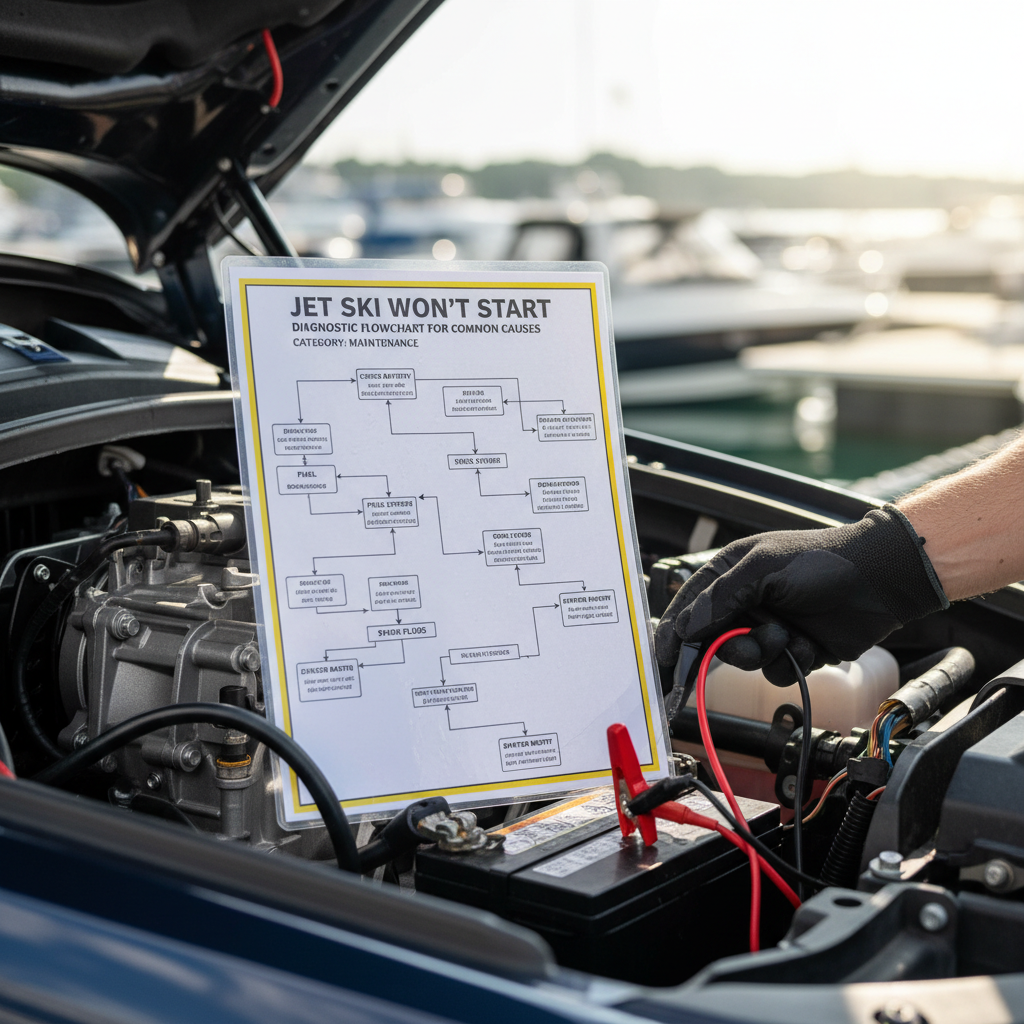
Jet Ski Won't Start: Diagnostic Flowchart for Common Causes
Frustrated by a jet ski that won't start? Our expert diagnostic flowchart helps you troubleshoot common causes, from simple fixes like the kill switch to complex electrical and fuel system issues.
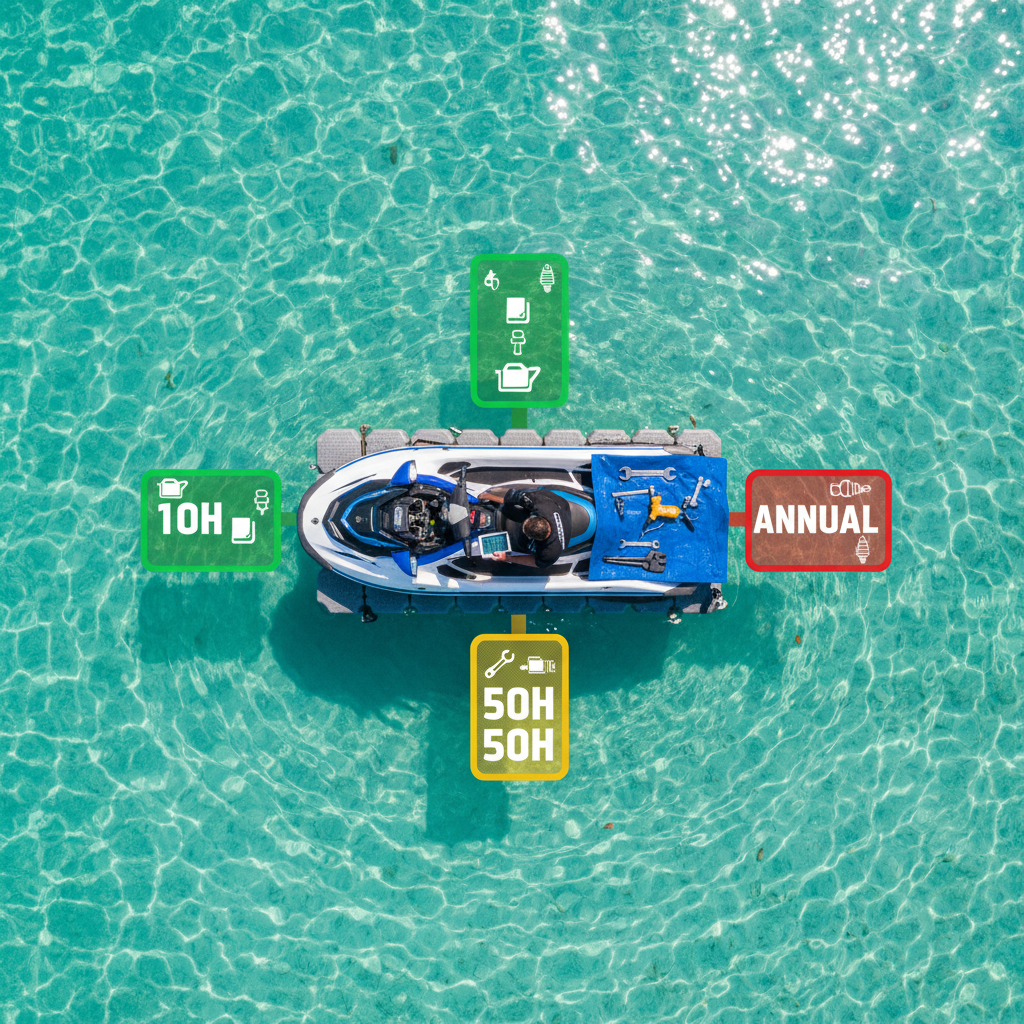
Jet Ski Maintenance Schedule: 10-Hour, 50-Hour, and Annual Service
Master your PWC's health with our definitive jet ski maintenance schedule. Learn the essential 10-hour, 50-hour, and annual service checks to ensure reliability and fun on the water.
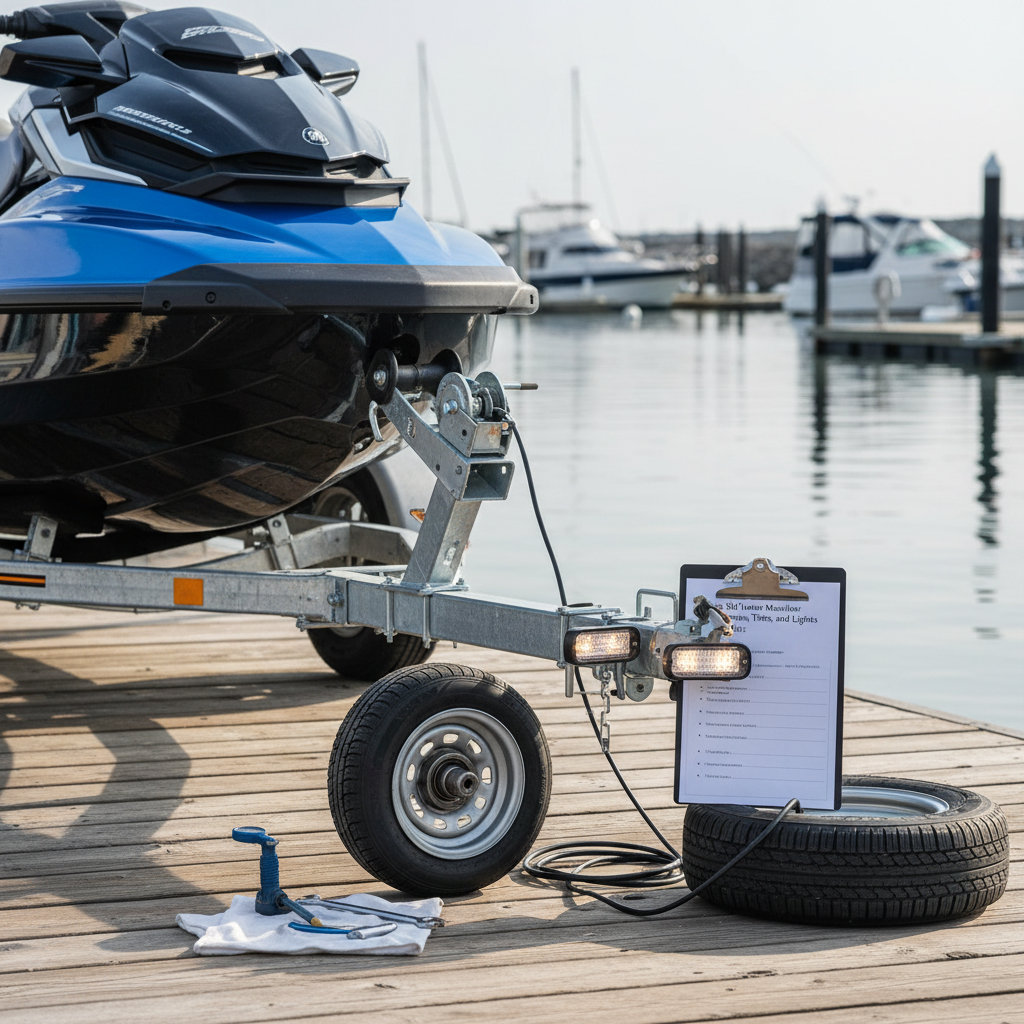
Jet Ski Trailer Maintenance: Bearings, Tires, and Lights Checklist
Don't let a breakdown ruin your day on the water. Our guide to jet ski trailer maintenance covers the critical checks for bearings, tires, and lights to keep you rolling safely.
Ready to Find Your Perfect Jet Ski?
Browse thousands of listings from trusted dealers nationwide