
Essential Jet Ski Maintenance Tips for Long-Lasting Performance
Keep your jet ski performing like new with essential maintenance tips. From post-ride rinsing to annual professional service, learn how to extend its life and ensure reliable fun on the water.
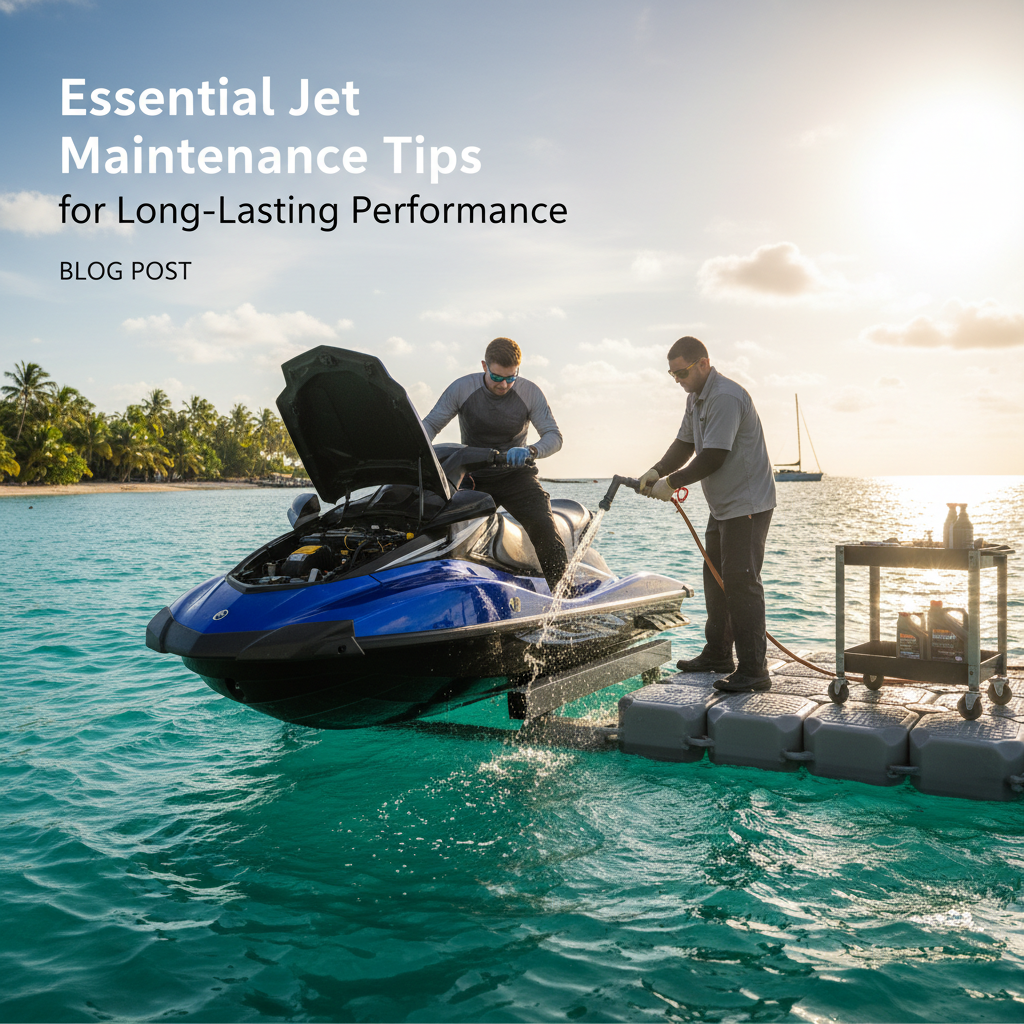
Essential Jet Ski Maintenance Tips for Long-Lasting Performance
There's nothing quite like the thrill of gliding across the water on a jet ski. The wind in your hair, the spray on your face, the sheer power beneath you, it's an exhilarating experience. But to keep that experience alive season after season, proper maintenance is not just recommended, it's essential. Whether you've just bought your first personal watercraft (PWC) or you're a seasoned rider looking for jet skis for sale in California, understanding and implementing a solid maintenance routine will ensure your investment provides years of reliable fun.
Neglecting your jet ski can lead to costly repairs, diminished performance, and even safety hazards. Think of it like any other high-performance vehicle; it needs care to perform its best. In this comprehensive guide, we'll dive into the critical maintenance tips that will keep your PWC running smoothly, efficiently, and powerfully for many seasons to come. Let's get started!
1. The Golden Rule: Rinse, Flush, and Dry After Every Ride
This is perhaps the most crucial and often overlooked maintenance step. Saltwater, brackish water, and even freshwater can leave behind corrosive deposits if not properly removed. This is especially true for those enjoying jet skis for sale in Florida, where saltwater exposure is common.
- Rinse the Exterior: Use fresh water to thoroughly rinse the entire exterior of your jet ski. Pay special attention to the hull, engine compartment (if accessible and safe to spray), and any moving parts. This removes salt, sand, and grime.
- Flush the Engine: This is non-negotiable. Connect a hose to the flush port (usually located near the rear of the PWC) and run the engine for 5-10 minutes. This flushes out the cooling system, preventing corrosion and blockages. Always start the engine before turning on the water, and turn off the water before turning off the engine to prevent water from entering the exhaust system. Consult your owner's manual for specific instructions for your model, as procedures can vary slightly between brands like Sea-Doo, Yamaha, and Kawasaki.
- Dry Thoroughly: After rinsing and flushing, wipe down the exterior with a clean towel. Open the seat and engine compartment to allow air circulation. A damp, enclosed space is an invitation for mold, mildew, and corrosion. Use a leaf blower or air compressor for hard-to-reach areas.
2. Regular Engine Checks: Your PWC's Heartbeat
Your jet ski's engine is its core, and regular checks are vital for optimal performance and longevity. Before and after each ride, take a few moments to inspect key components.
- Oil Level: Check your oil level regularly, especially for 4-stroke engines. Ensure it's within the recommended range. Low oil can cause severe engine damage.
- Coolant Level (if applicable): Some 4-stroke models use a closed-loop cooling system. Check the coolant reservoir level and top up if necessary with the manufacturer-recommended fluid.
- Battery Terminals: Inspect battery terminals for corrosion. Clean them with a wire brush if needed and apply dielectric grease to prevent future corrosion. Ensure connections are tight.
- Hoses and Clamps: Look for any signs of cracks, leaks, or loose clamps on all engine hoses. A small leak can quickly become a major problem.
- Spark Plugs: Periodically remove and inspect spark plugs. They can tell you a lot about your engine's health. Fouled or worn plugs should be replaced according to your owner's manual schedule.
3. Impeller and Intake Grate Inspection: Smooth Sailing
The impeller is what propels your jet ski, and the intake grate protects it. These components are constantly exposed to debris and impact.
- Check for Debris: After every ride, especially if you've been in shallow or weedy areas, inspect the intake grate and impeller for weeds, ropes, plastic bags, or any other foreign objects. Removing these promptly prevents damage and maintains performance.
- Inspect for Damage: Look closely at the impeller blades for nicks, bends, or cracks. Even minor damage can significantly impact performance, fuel efficiency, and potentially lead to cavitation. If you notice damage, it's best to have it professionally inspected or replaced.
4. Fuel System Care: Keeping it Clean
Modern jet ski engines are sensitive to fuel quality. Proper fuel system maintenance is crucial.
- Use Fresh, High-Quality Fuel: Always use the octane level recommended by the manufacturer. Avoid using old or stale fuel, as it can lead to engine problems.
- Fuel Stabilizer: If your jet ski will be sitting for more than a few weeks, especially during off-season storage, add a marine-grade fuel stabilizer to a full tank of fuel. This prevents fuel degradation and keeps the system clean.
- Fuel Filter Replacement: Consult your owner's manual for the recommended fuel filter replacement interval. A clogged fuel filter can starve your engine of fuel, leading to poor performance or failure.
5. Electrical System Integrity: Powering Your Fun
Water and electronics don't mix well, so protecting your jet ski's electrical system is paramount.
- Corrosion Protection: Beyond battery terminals, inspect all visible electrical connections for corrosion. Use a marine-grade dielectric grease or anti-corrosion spray on connectors to protect them.
- Wiring Inspection: Look for frayed or exposed wires. Any damage should be repaired immediately to prevent shorts or system failures.
- Bilge Pump Check: Regularly test your bilge pump to ensure it's functioning correctly. A working bilge pump can prevent serious damage if water enters the hull.
6. Storage and Winterization: Protecting Your Investment Off-Season
When the riding season ends, proper storage and winterization are critical to prevent damage and ensure your jet ski is ready to go next spring. If you're considering jet skis for sale, remember to factor in storage solutions.
- Thorough Cleaning: Perform all the post-ride cleaning steps mentioned above.
- Fuel Stabilization: As mentioned, stabilize your fuel.
- Fogging the Engine: This is a crucial step for 2-stroke and some 4-stroke engines. Fogging oil protects internal engine components from rust and corrosion during storage. Follow your manual's instructions carefully.
- Battery Removal and Maintenance: Remove the battery and store it in a cool, dry place. Connect it to a trickle charger to maintain its charge throughout the off-season.
- Antifreeze (if applicable): For closed-loop cooling systems in freezing climates, ensure the coolant is rated for the expected temperatures or add appropriate antifreeze.
- Cover Your PWC: Use a breathable, marine-grade cover to protect your jet ski from dust, dirt, and UV rays.
- Elevate for Storage: Store your jet ski on a trailer or stand to keep the hull off the ground, promoting air circulation and preventing flat spots on tires (if on a trailer).
7. Annual Professional Service: The Expert Touch
Even with diligent DIY maintenance, an annual professional service is invaluable. Certified technicians can perform comprehensive diagnostics, identify potential issues you might miss, and handle tasks like impeller alignment, wear ring inspection, and complex engine tuning.
Think of it as a comprehensive health check-up for your PWC. This is especially important if you've recently purchased a used jet ski or are looking to sell and want to get the best value using a jet ski valuation calculator.
Conclusion: Ride More, Worry Less
Following these essential jet ski maintenance tips will not only extend the life of your PWC but also enhance your riding experience. A well-maintained jet ski is more reliable, performs better, and is safer to operate. It also retains its value better, should you decide to browse jet skis for sale or upgrade in the future.
Remember, your owner's manual is your ultimate guide. Always refer to it for specific maintenance schedules and procedures for your make and model. By dedicating a little time and effort to care for your jet ski, you'll be rewarded with countless hours of unforgettable adventures on the water. Happy riding!
Ready to buy or sell? Explore the jet ski marketplace, browse jet skis for sale, or sell your jet ski at Jet Sports Trader.
Related Articles
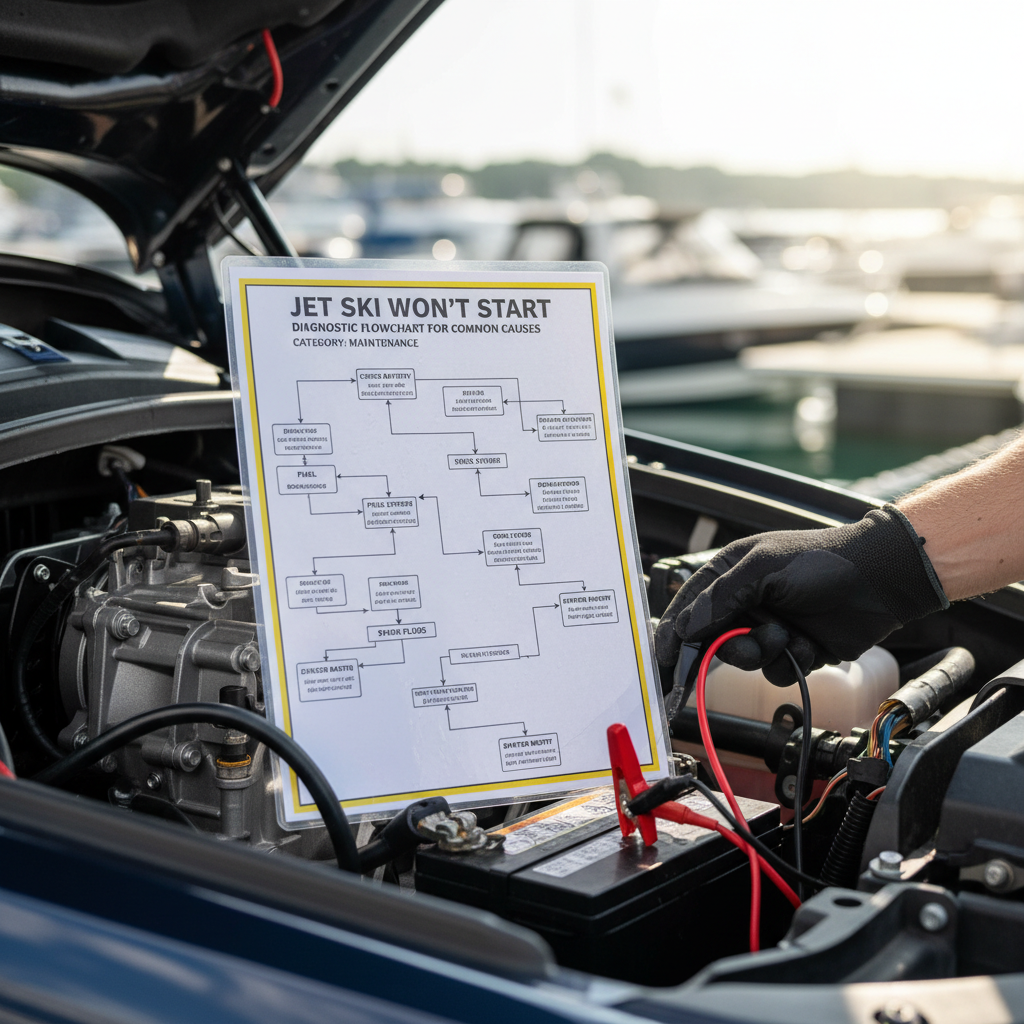
Jet Ski Won't Start: Diagnostic Flowchart for Common Causes
Frustrated by a jet ski that won't start? Our expert diagnostic flowchart helps you troubleshoot common causes, from simple fixes like the kill switch to complex electrical and fuel system issues.
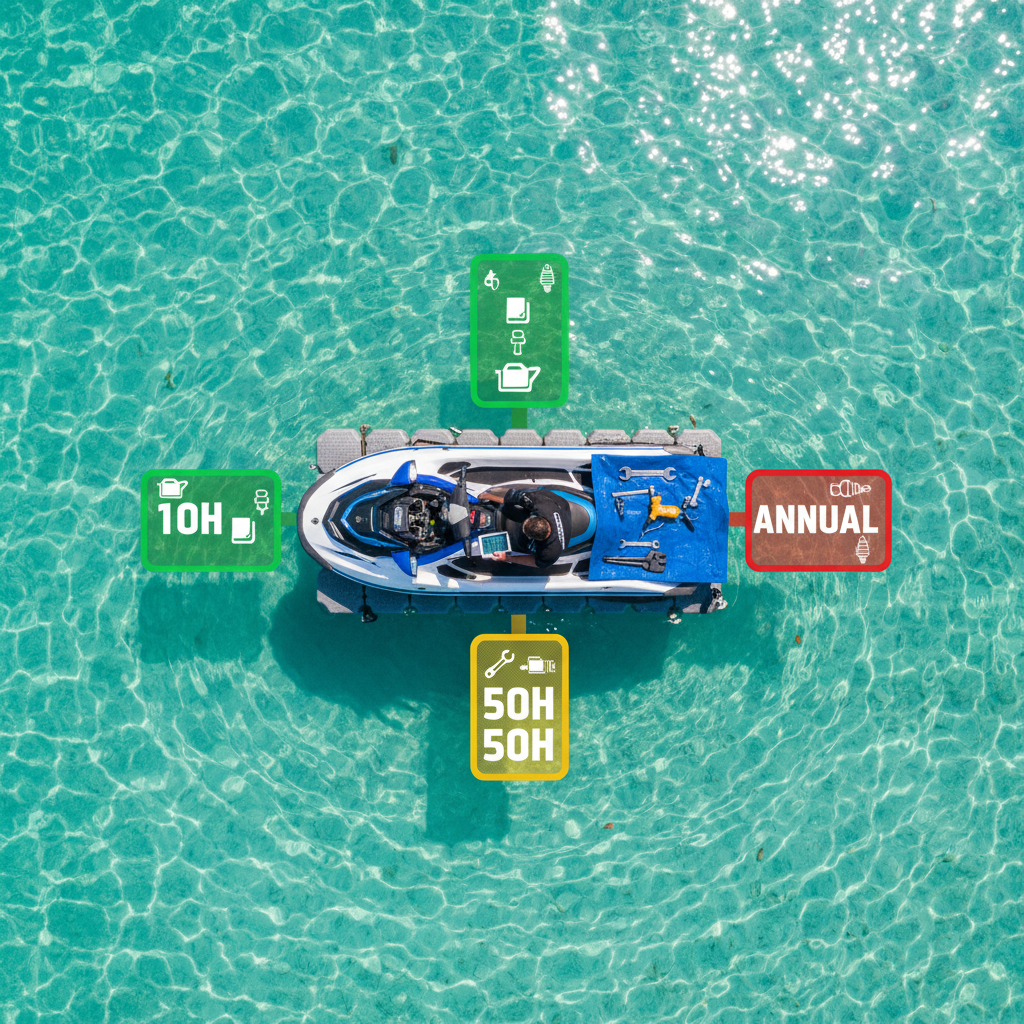
Jet Ski Maintenance Schedule: 10-Hour, 50-Hour, and Annual Service
Master your PWC's health with our definitive jet ski maintenance schedule. Learn the essential 10-hour, 50-hour, and annual service checks to ensure reliability and fun on the water.
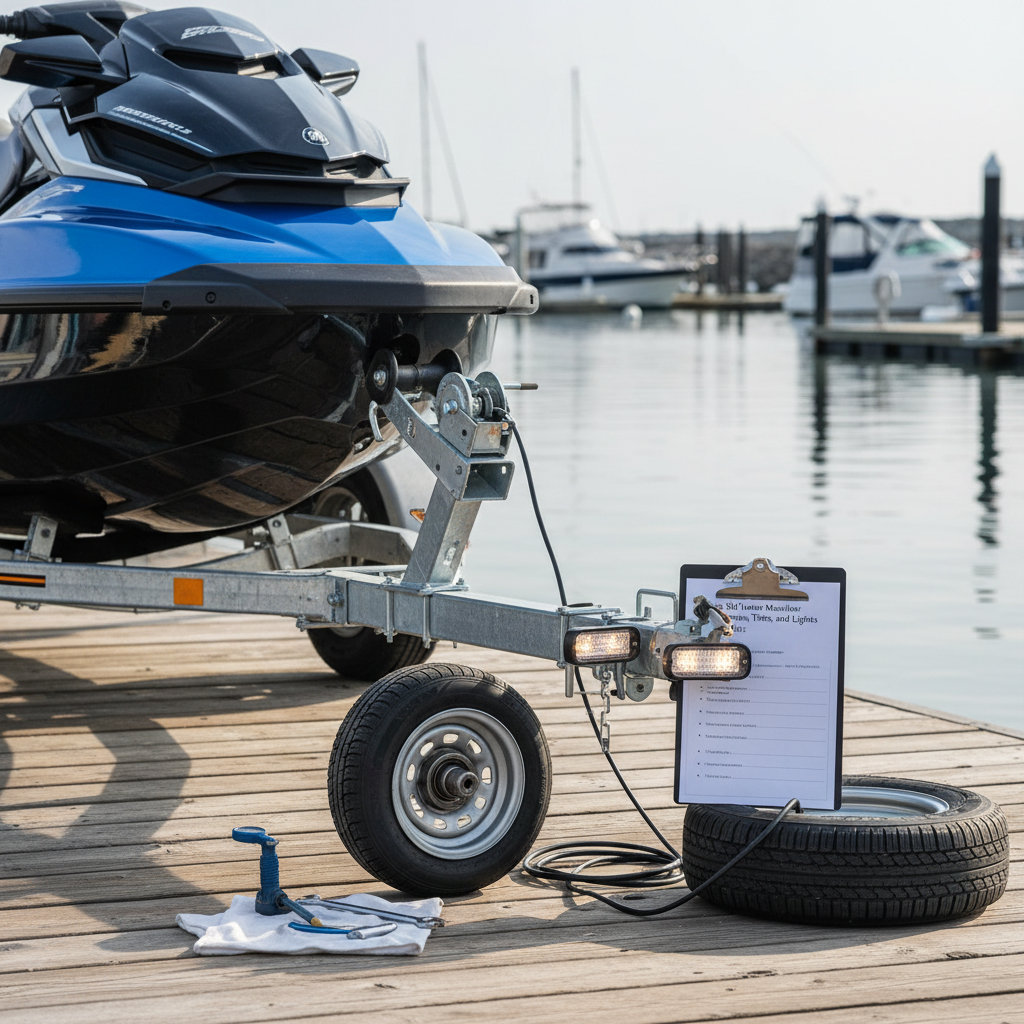
Jet Ski Trailer Maintenance: Bearings, Tires, and Lights Checklist
Don't let a breakdown ruin your day on the water. Our guide to jet ski trailer maintenance covers the critical checks for bearings, tires, and lights to keep you rolling safely.
Ready to Find Your Perfect Jet Ski?
Browse thousands of listings from trusted dealers nationwide