
Common Jet Ski Problems and How to Troubleshoot Them Fast
Tired of common jet ski problems ruining your day on the water? This guide covers how to quickly troubleshoot and fix issues from engine failure to power loss.

Common Jet Ski Problems and How to Troubleshoot Them Fast
There's nothing more frustrating than gearing up for a perfect day on the lake, only to be met with silence when you hit the start button on your personal watercraft (PWC). A day of thrilling rides can quickly turn into a headache of diagnostics on the dock. Understanding the most common jet ski problems is the first step to becoming a self-sufficient rider who can solve issues quickly and get back to making waves. This comprehensive guide will walk you through the most frequent PWC issues, from engine-start failures to on-water performance dips, and provide actionable steps to troubleshoot them like a pro in 2026.
Whether you're a seasoned enthusiast or new to the world of PWC ownership, this knowledge is invaluable. It not only saves you time and money on potential mechanic bills but also empowers you to better care for your investment. We'll cover everything from simple battery checks to more complex fuel and engine diagnostics, ensuring you have the confidence to tackle these challenges head-on. By the end of this article, you'll have a clear roadmap for identifying and fixing the issues that plague many riders, keeping your jet ski running smoothly all season long.
Engine Won't Start or Cranks Slowly
The dreaded no-start scenario is arguably the most common and panic-inducing of all jet ski problems. When you press the start button and hear a click, a slow crank, or nothing at all, it's time to start a logical diagnostic process. More often than not, the culprit is electrical or fuel-related, and the fix is simpler than you might think. Don't immediately assume the worst; instead, work through these potential causes systematically to pinpoint the issue.
Diagnosing Battery and Electrical Issues
Your jet ski's electrical system is the starting point for any no-start diagnosis. A weak or dead battery is the leading cause. PWC batteries are smaller than car batteries and can lose their charge quickly, especially if the craft has been sitting for a while. Start with a visual inspection. Are the battery terminals clean and tight? Corrosion can build up and prevent a solid connection, so clean them with a wire brush if you see any white or greenish powder.
Next, use a multimeter to check the battery's voltage. A fully charged 12-volt battery should read around 12.6-12.8 volts. If it's below 12.2 volts, it likely doesn't have enough power to turn the engine over and needs a charge. If it won't hold a charge, it's time for a replacement. If the battery is healthy, check the main fuse and other fuses in the electrical box. A blown fuse is a simple fix that can get you back in business. Also, ensure your safety lanyard is properly attached and the key is being read correctly; a faulty lanyard switch will prevent the engine from ever starting.
Fuel System Faults: From Clogs to Bad Gas
If the engine cranks over strongly but won't fire up, the problem is likely in the fuel system. Modern fuel, especially ethanol-blended gasoline, can go bad in as little as 30-60 days. Old, separated fuel loses its combustible properties and can clog your fuel system. If your jet ski has been sitting with untreated fuel, this is a prime suspect. You may need to drain the tank and lines and refill with fresh, high-octane, ethanol-free gasoline if possible.
Another common culprit is a clogged fuel filter. This small but critical part prevents debris from reaching your engine's injectors or carburetor. They are inexpensive and should be replaced as part of your regular maintenance schedule. Water in the fuel is another frequent issue, often caused by condensation in the tank. A fuel-water separator can help, but if you suspect water contamination, the tank may need to be drained. For carbureted models, the small internal fuel filters can get clogged easily, requiring a carburetor rebuild. For fuel-injected models, clogged injectors might be the issue, which is a more complex repair often best left to professionals you can find trusted dealers near you for.
Loss of Power and Overheating on the Water
Your jet ski starts perfectly and you head out, but soon you notice it's sluggish, won't reach top speed, or the overheat alarm starts screaming. These performance-related jet ski problems can be just as frustrating as a no-start. They indicate that while the engine is running, something is preventing it from operating at peak efficiency or cooling itself properly. The most common causes are fouled spark plugs, a clogged jet pump, or a blockage in the cooling system.
Fouled spark plugs are a frequent cause of rough running, misfiring, and power loss. They are easy to access and inexpensive to replace. Pull the plugs and inspect them. If they are black and sooty (running rich), oily, or white and blistered (running lean/hot), it's a clear sign they need replacing. Always use the exact plug specified for your PWC, which you can find in your owner's manual or our complete jet ski model directory. A clogged jet pump is another major power robber. If you've ridden through a weedy area or over a submerged rope, debris can get sucked into the intake grate and wrapped around the impeller, causing severe cavitation and loss of thrust. Always check the intake grate first if you experience a sudden loss of power. For more serious clogs, you may need to carefully reach into the pump to clear the impeller by hand (with the engine OFF and lanyard removed).
Steering and Handling Complications
Proper steering and handling are critical for both safety and fun. When your PWC's steering becomes stiff, loose, or unresponsive, it needs immediate attention. These issues typically stem from the steering cable, the nozzle assembly, or wear and tear on key drivetrain components that affect how the craft sits and moves in the water. Ignoring these symptoms can lead to a loss of control at high speeds, which is extremely dangerous.
Addressing a Stiff or Loose Steering Cable
The most common steering issue is a stiff cable. This is usually caused by corrosion or a lack of lubrication inside the cable sheath. You can try to remedy this by disconnecting the cable at both ends (handlebars and rudder nozzle) and working a specialized cable lubricant down into the sheath. However, in many cases, especially in saltwater environments, the cable will need to be replaced. A brand-new cable will make your PWC feel responsive and new again.
Conversely, loose or sloppy steering is often due to worn bushings in the steering nozzle assembly or loose connections at the handlebars. Check all nuts and bolts to ensure they are tight. If there is still play, you will likely need to replace the plastic or bronze bushings that the nozzle pivots on. While you're inspecting the rear of the craft, also take a look at your impeller and wear ring. A damaged impeller or a worn-out wear ring (the sacrificial plastic liner inside the jet pump housing) can cause excessive vibration and poor handling, making the ski feel unstable. If repairs become too frequent or costly, it might be time to look at the numbers with a jet ski financing calculator and consider an upgrade from our vast selection of personal watercraft for sale.
Water Intrusion and Hull Integrity
Finding a significant amount of water in your hull after a ride is alarming. While a small amount is normal from spray and condensation, a few inches of water could indicate a serious leak. The first and most obvious thing to check is your drain plugs. It's a simple mistake, but many riders forget to install them before launching. Always make it a pre-ride checklist item to ensure they are in and tightened securely.
If the drain plugs are secure, the next step is to inspect the hull for damage. Look for cracks, deep gouges, or impact damage, especially around the bow, chines, and keel. A leak could also come from a faulty seal. The carbon seal (on Sea-Doo models) or packing seal (on Yamaha/Kawasaki) around the driveshaft where it exits the hull is a common failure point. If this seal is worn, it will allow water to enter the hull, especially while underway. Other potential leak sources include cooling lines, exhaust hoses, or a cracked ride plate seal. If you're facing major hull repairs, it might be more economical to sell your jet ski and put the money towards a newer model. Following our jet ski selling tips can help you get the best price for your current PWC, even with known issues.
Frequently Asked Questions About Jet Ski Problems
Why is my jet ski beeping and not starting?
A continuous or patterned beeping combined with a no-start condition is your jet ski's computer (ECU/MPEM) communicating a specific fault code. This is very common on modern PWCs. The beeping pattern often corresponds to a specific issue, such as low voltage, an engine sensor failure (like the crankshaft position sensor), an exhaust temperature sensor fault, or a problem with the D.E.S.S. (Digitally Encoded Security System) key. Consult your owner's manual to decipher the beep code. Often, the code will point you directly to the source of the problem, saving you significant diagnostic time.
What causes a jet ski to bog down at full throttle?
When a jet ski runs fine at low RPMs but bogs down or hesitates when you apply full throttle, it's typically a sign of fuel starvation or an ignition issue under load. The most common causes include: clogged fuel injectors, a weak fuel pump that can't supply enough volume at high demand, a dirty fuel filter restricting flow, or old/bad fuel. It could also be fouled spark plugs that fail to ignite the mixture properly under high compression, or even a faulty throttle position sensor (TPS) that isn't telling the ECU to deliver more fuel. Riders looking for jet skis for sale in Michigan know a short season means every ride counts, so fixing this issue is paramount.
How often should I perform preventative maintenance to avoid issues?
Preventative maintenance is the absolute best way to avoid common jet ski problems. A good rule of thumb is to follow the service intervals in your owner's manual, which are typically based on hours of use (e.g., at 10 hours, 25 hours, 50 hours, and 100 hours). Key preventative tasks include: flushing the exhaust and cooling system after every ride (especially in saltwater), changing the engine oil and filter annually or every 50 hours, replacing spark plugs annually, checking and cleaning the battery terminals regularly, and applying a corrosion inhibitor to engine components. This proactive approach will prevent 90% of the issues discussed in this guide.
Conclusion: Stay Ahead of PWC Problems
Troubleshooting jet ski problems doesn't have to be an intimidating task. By understanding the basic systems of your PWC and following a logical diagnostic approach, you can solve many common issues yourself, saving time, money, and your precious days on the water. From simple battery checks to identifying fuel system clogs, this knowledge is your most valuable tool. Remember that preventative maintenance is your best defense against unexpected breakdowns. If you find your ski is plagued with constant issues and repairs are piling up, it might be time for an upgrade. Explore the massive inventory of new and used jet skis for sale on JetSportsTrader.com to find a reliable machine that will provide years of trouble-free fun.
Ready to buy or sell? Explore the jet ski marketplace, browse jet skis for sale, or jet ski valuation calculator at Jet Sports Trader.
Related Articles
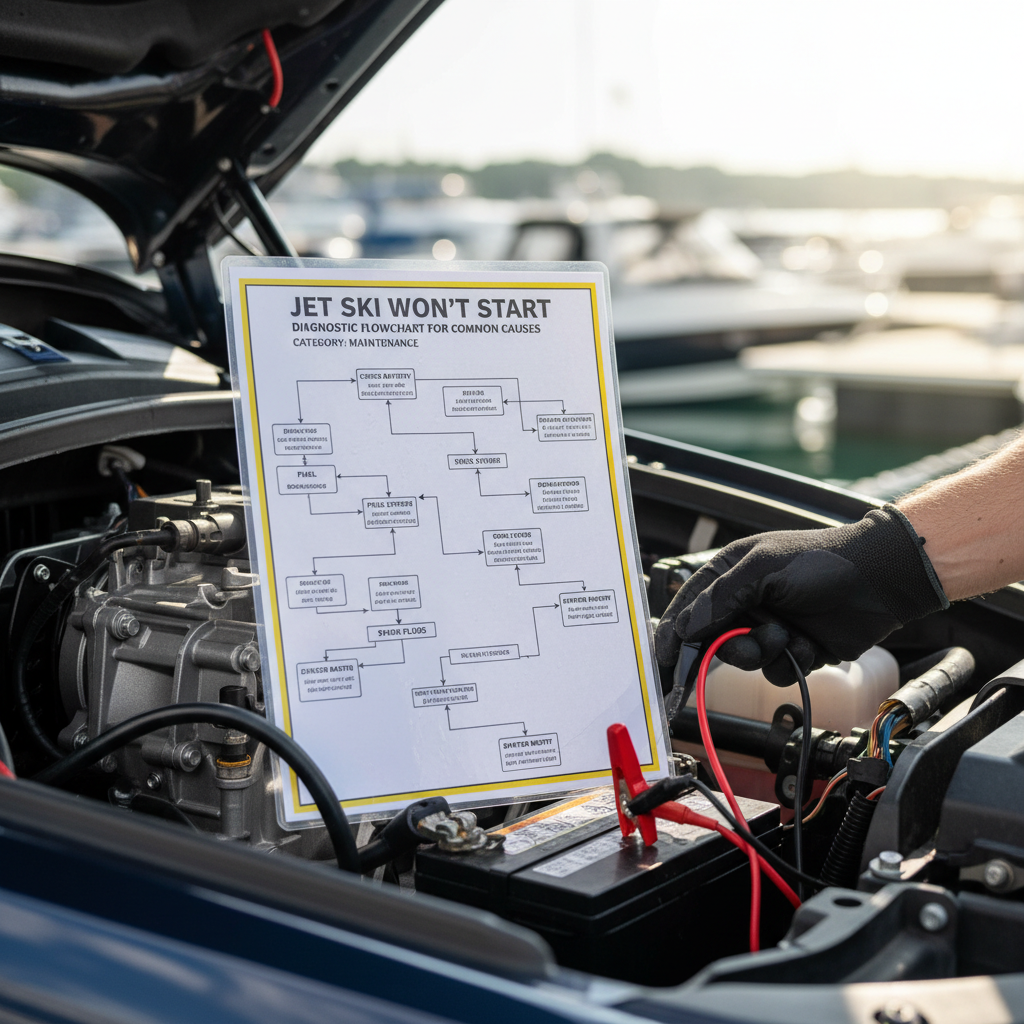
Jet Ski Won't Start: Diagnostic Flowchart for Common Causes
Frustrated by a jet ski that won't start? Our expert diagnostic flowchart helps you troubleshoot common causes, from simple fixes like the kill switch to complex electrical and fuel system issues.
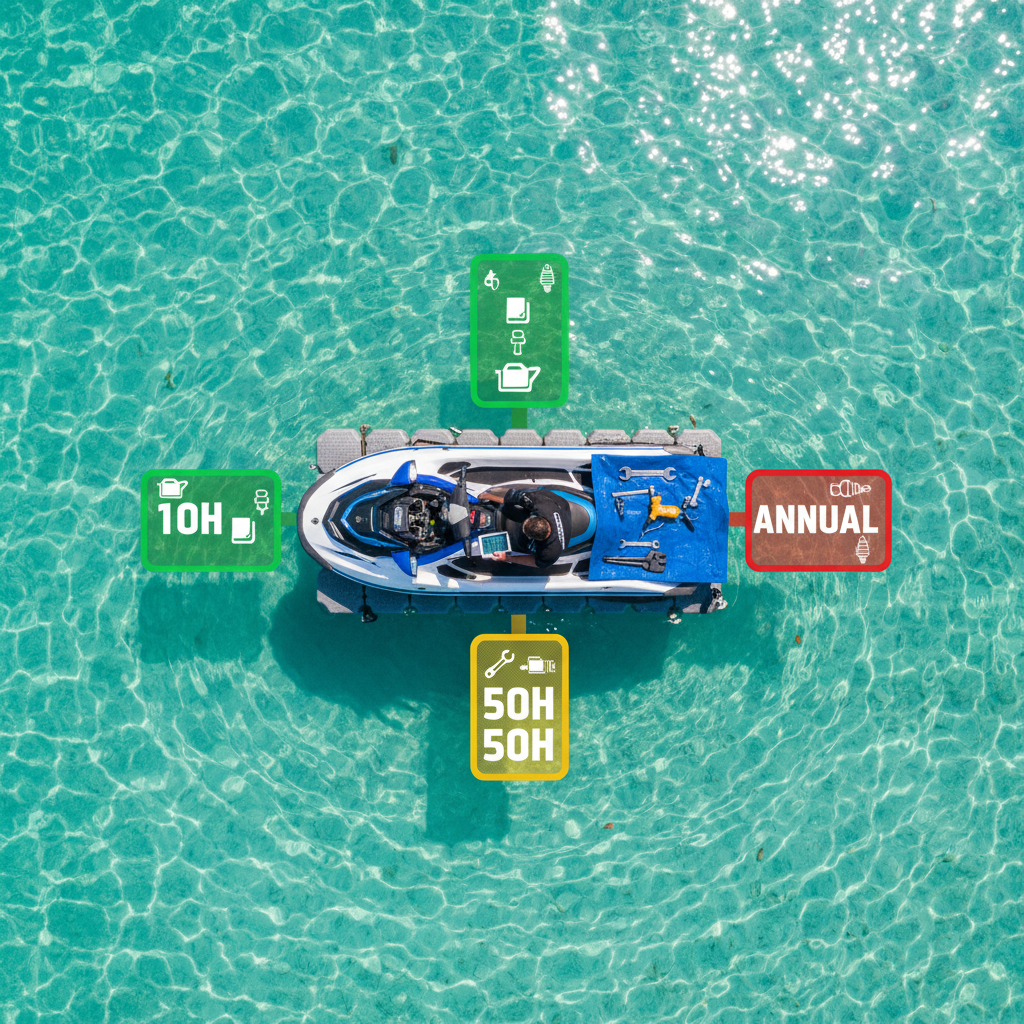
Jet Ski Maintenance Schedule: 10-Hour, 50-Hour, and Annual Service
Master your PWC's health with our definitive jet ski maintenance schedule. Learn the essential 10-hour, 50-hour, and annual service checks to ensure reliability and fun on the water.
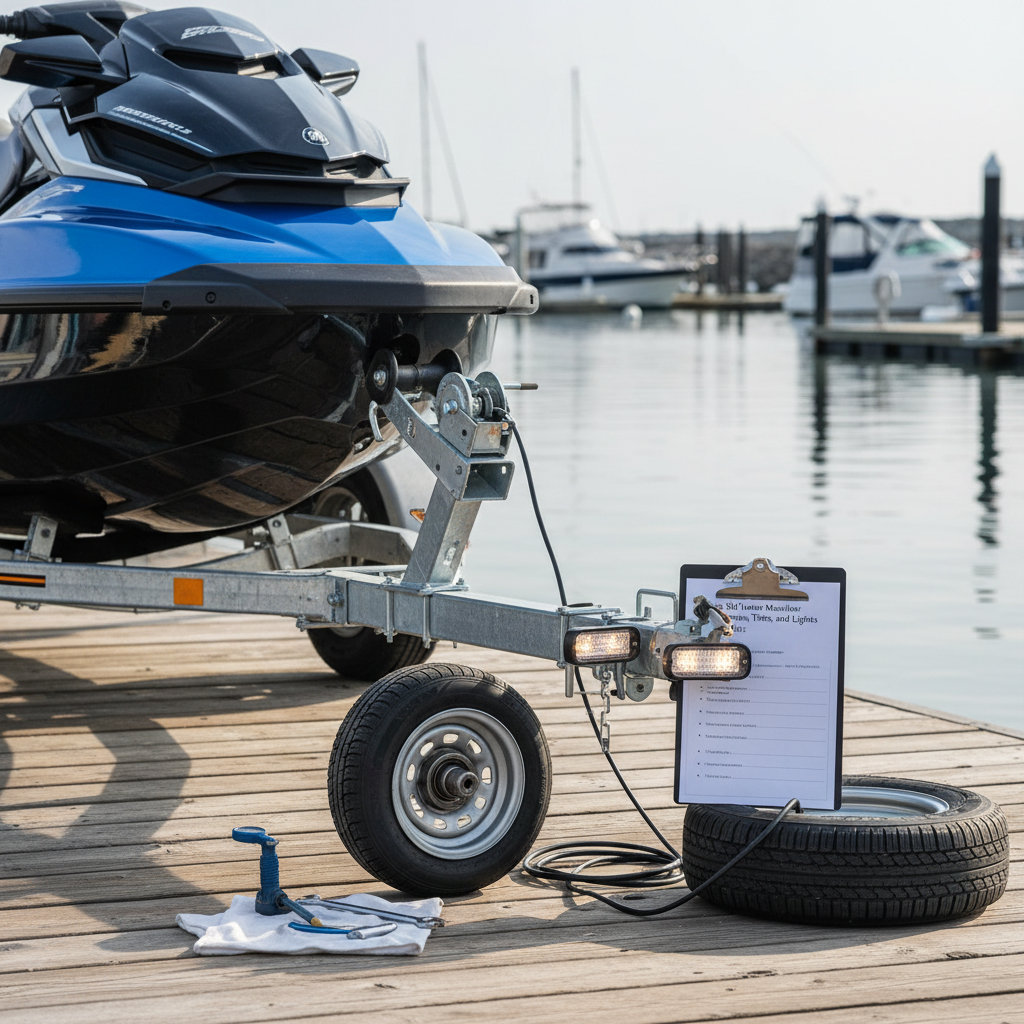
Jet Ski Trailer Maintenance: Bearings, Tires, and Lights Checklist
Don't let a breakdown ruin your day on the water. Our guide to jet ski trailer maintenance covers the critical checks for bearings, tires, and lights to keep you rolling safely.
Ready to Find Your Perfect Jet Ski?
Browse thousands of listings from trusted dealers nationwide