
Tow Sports on a Jet Ski: Wakeboarding, Tubing, and Beyond
Unlock a new dimension of fun with our ultimate guide to jet ski tow sports. Learn how to choose the right PWC, the essential gear, and the best techniques for wakeboarding and tubing.
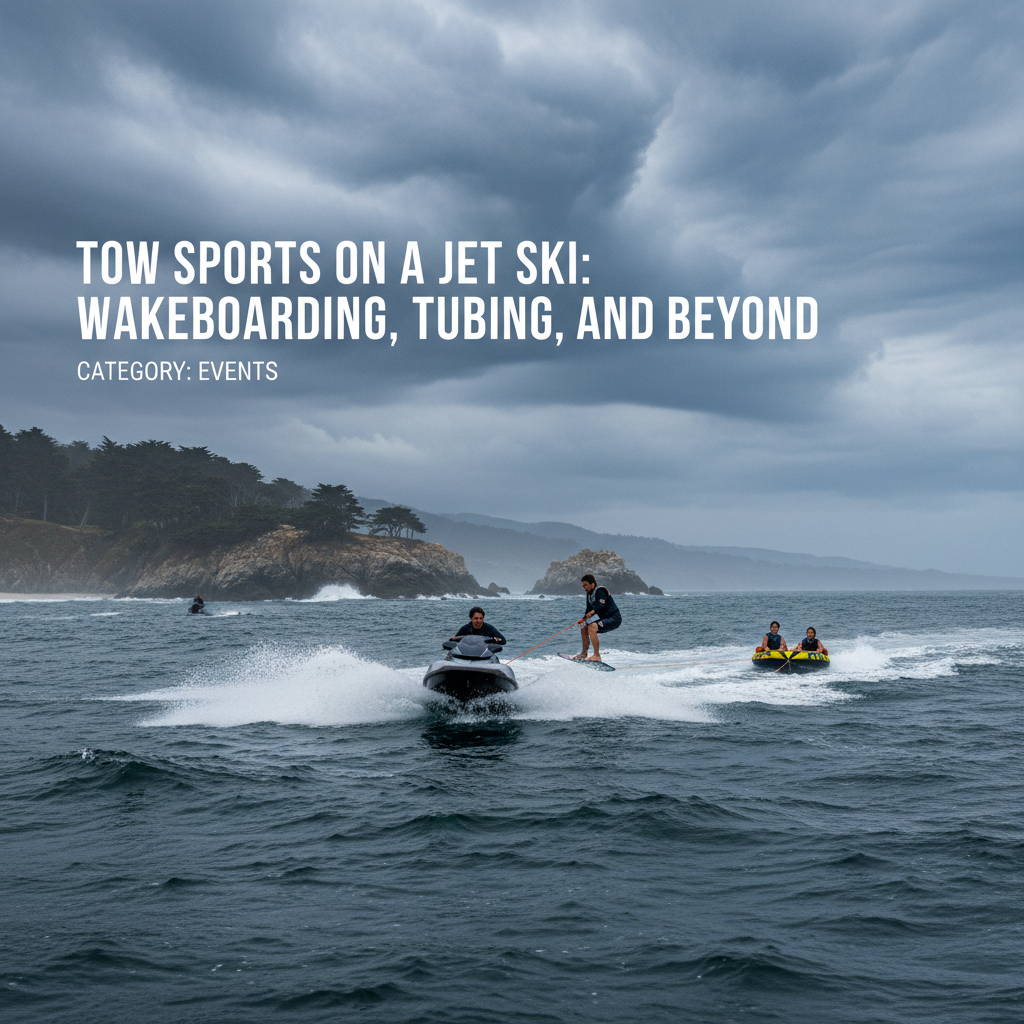
The Ultimate Guide to Jet Ski Tow Sports: Wakeboarding, Tubing, and More
The roar of the engine, the spray of the water, and the thrill of gliding across the surface, personal watercraft offer an unparalleled sense of freedom. But what if you could share that excitement with friends and family at the end of a rope? The world of jet ski tow sports transforms your solo ride into a group adventure, unlocking a new dimension of fun on the water. Modern jet skis are no longer just for zipping around; they are powerful, stable, and feature-rich vessels perfectly capable of pulling wakeboarders, tubers, and more. In this comprehensive guide, we'll dive into everything you need to know to safely and successfully enjoy tow sports with your PWC.
We will cover how to select the right jet ski for the job, the essential gear you'll need, and the specific techniques for popular activities like wakeboarding and tubing. Whether you're a seasoned rider looking to expand your horizons or a newcomer eager to make a splash, this guide will equip you with the knowledge to make your next day on the lake unforgettable. Get ready to take your PWC experience to the next level.
Is Your PWC Ready for Tow Sports? Choosing the Right Jet Ski
Not all personal watercraft are created equal when it comes to towing. While most modern skis can pull a tube in a pinch, a few key characteristics separate a capable machine from an ideal one. If you're serious about jet ski tow sports, you'll want a PWC with the right combination of power, stability, and specialized features. For the 2026 season, manufacturers continue to pack more tow-friendly options into their lineups, making it easier than ever to find the perfect ride.
Power is paramount. A PWC with at least 120 horsepower can handle most basic towing, but for pulling a heavier adult wakeboarder out of the water, 150 HP or more is highly recommended. This extra power provides the low-end torque needed for smooth, strong starts without straining the engine. Stability is just as crucial; a wider, longer hull, typically found on three-seater models, provides a steadier platform that is less affected by the pull from the rider. These larger models also have the legally required space for a driver and a spotter.
Look for models with tow-specific features like the Sea-Doo Wake and Yamaha WakePro series. These often include a factory-installed, high-mounted tow pylon which keeps the rope out of the jet wash, specialized speed-based driving modes like cruise control and no-wake mode, and even removable wakeboard racks. A large rear swim platform is another huge plus, making it easier for a tired rider to get back on board. If you're looking for the perfect towing machine, check out our vast selection of personal watercraft for sale. From the lakes of Texas to the coast of South Carolina, finding a tow-ready ski is easy. Browse our listings for jet skis for sale in Texas or see what's available near the Atlantic with jet skis for sale in South Carolina.
Gearing Up: Essential Equipment for Safe and Fun Towing
Having the right jet ski is only half the battle; you also need the proper equipment to ensure every towing session is both safe and enjoyable. Investing in quality gear not only enhances the experience but is also a critical part of responsible boating. Before you even think about attaching a rope, make sure you have these essential items on hand. Don't skimp on safety, it's the most important piece of equipment you can have.
Here is a checklist of the must-have gear for any jet ski towing adventure:
- The Right Tow Rope: Ropes are sport-specific. Wakeboarding and waterskiing require a non-stretch or low-stretch rope for a consistent pull, while a standard nylon rope with some give is fine for tubing. Most tow ropes are between 60 and 75 feet long.
- A Quality Towable: Whether it's a wakeboard, a pair of skis, or an inflatable tube, ensure it's in good condition with no tears or defects. For tubes, be aware of the manufacturer's passenger and weight limits.
- USCG-Approved Life Vests (PFDs): This is non-negotiable. The driver, spotter, and every person being towed must wear a properly fitted, Coast Guard-approved life vest at all times.
- A Dedicated Spotter: In most states, it is illegal to tow a person without a designated spotter on board the PWC. This person's job is to watch the rider and communicate their status to the driver.
- Wide-Angle Mirrors: While not a replacement for a spotter, good mirrors help the driver maintain situational awareness of the rider and the rope.
- Tow Pylon or Harness: The best way to tow is with a high attachment point. A tow pylon or a tow harness that connects to your PWC's stern U-bolts raises the rope, preventing it from getting sucked into the pump intake and providing a better pull for the rider. Keep an eye on our featured jet ski listings; many come packaged with these tow-ready accessories.
Mastering the Art of the Pull: Techniques for Wakeboarding and Tubing
Being a great tow-sports driver is an art form. It requires smoothness, communication, and a constant awareness of the person at the end of the rope. Abrupt starts, jerky turns, or inconsistent speeds can ruin the fun and even be dangerous. The goal is to provide a safe, predictable, and enjoyable ride, whether you're pulling a first-time tuber or an experienced wakeboarder.
Jet Ski Wakeboarding and Wakeskating
Wakeboarding behind a jet ski is an exhilarating challenge. For the driver, the most critical moment is the start. After ensuring the rope is taut, apply smooth, steady, and progressive throttle. Don't just slam the throttle forward; this will jerk the handle from the rider's hands. Instead, accelerate firmly until the PWC is on plane and the rider is up. Communicate with your rider to find the perfect speed, which is typically between 18 and 23 mph for wakeboarding. Maintaining a consistent speed and driving in a straight line is key, especially for beginners. As a driver, you are the captain of this jet ski tow sports experience, and your skill directly translates to the rider's success.
The Thrill of Jet Ski Tubing
Tubing is often seen as the easiest of the tow sports, but that doesn't mean it requires less attention from the driver. The fun of tubing comes from crossing the wake and swinging out on turns, but this must be done with care. Remember that the tube accelerates significantly as it swings to the outside of a turn, a phenomenon known as the "whip effect." Be especially gentle with turns when pulling children or inexperienced riders. A good starting speed for young kids is 10-15 mph, while thrill-seeking adults might enjoy speeds up to 25 mph. Never exceed the tube's recommended speed, and always tailor the intensity of the ride to the person on the tube. Clear communication through hand signals is vital for a fun and safe time. For the latest tips and model reviews, be sure to check out our section on the latest jet ski news and guides.
Critical Safety Protocols for Jet Ski Tow Sports
Fun on the water must always be balanced with a serious commitment to safety. When you add a rope and a rider into the mix, the number of variables increases, and so does the driver's responsibility. Following established safety protocols is not just good practice, it's essential for preventing accidents and ensuring everyone goes home safe. Before you launch, go over a pre-ride safety briefing with everyone involved, including the driver, spotter, and rider.
The spotter is your second set of eyes and a critical communication link. Establish a clear set of hand signals before you start (e.g., thumbs up for faster, thumbs down for slower, patting the head for 'stop'). The driver's primary focus should be forward, scanning for other boats, obstacles, and navigational markers, while the spotter's focus is on the rider. When a rider falls, the driver should always circle back on the driver's side, keeping the fallen rider in view. Most importantly, shut off the engine completely when the rider is re-boarding the PWC or is anywhere near the stern to avoid any contact with the jet pump.
Always be aware of your local boating laws, which often dictate a minimum distance from shorelines, docks, and other vessels for towing (typically 100-200 feet). This buffer zone provides a margin of safety for you and others on the water. Mastering these protocols is a hallmark of a responsible PWC operator and is fundamental to the enjoyment of all jet ski tow sports.
Frequently Asked Questions
What is the best horsepower for jet ski tow sports?
While you can technically tow a light tube with a 90 HP jet ski, it will struggle. For a good all-around experience, 120-150 HP is a great starting point. If you're serious about pulling wakeboarders or multiple people on a tube, 170 HP or more is ideal. This higher horsepower provides the necessary torque to pull a rider out of the water smoothly without straining the engine, making the experience better for everyone.
Can you legally tow a person with a two-seater jet ski?
This is a common question, and the answer is almost always no. Most states and jurisdictions require a minimum of three seats on the PWC to legally tow a person. The law requires capacity for a driver, a dedicated spotter, and seating for the person being towed should they need to come aboard. Using a two-seater for towing would mean either foregoing a spotter or having no room for the rider, both of which are illegal and unsafe. Always use a three-seater PWC.
How do I attach a tow rope to a jet ski?
The safest and most effective way to attach a tow rope is to use a dedicated, high-mounted tow point. This can be a factory-installed tow pylon or an aftermarket tow harness that clips onto the two U-bolts on the stern of your PWC. This setup keeps the rope high out of the water and away from the jet pump intake. Avoid tying the rope directly to a single, low-mounted ski eye, as this can put immense stress on that single point and cause the rope to get sucked into the jet wash, affecting performance and safety.
You're now equipped with the knowledge to dive into the exciting world of PWC tow sports. If you're considering an upgrade to a more tow-friendly model, our jet ski valuation calculator can help you determine your current ski's trade-in value. It might be time to sell your jet ski and browse our listings for new and used models from coast to coast, like these jet skis for sale in New York. Happy towing!
Ready to buy or sell? Explore the jet ski marketplace, or browse jet skis for sale at Jet Sports Trader.
Related Articles

Jet Ski Camping: Gear, Routes, and Overnight Trip Planning
Discover the ultimate freedom of jet ski camping. Our guide covers the essential gear, top US routes, and expert planning tips for your first overnight PWC adventure.
Jet Ski Group Rides and Long-Distance Touring: Planning Guide
Ready for an epic adventure? Our 2026 guide to jet ski touring covers everything from choosing the right PWC to planning group rides, ensuring your long-distance trip is a success.
Jet Ski Racing: A Beginner's Guide to Competitive PWC Riding
Ready to take your PWC passion to the next level? Our beginner's guide to jet ski racing covers everything from choosing a ski and safety gear to entering your first competitive event in 2026.
Ready to Find Your Perfect Jet Ski?
Browse thousands of listings from trusted dealers nationwide