Jet Ski Racing: A Beginner's Guide to Competitive PWC Riding
Ready to take your PWC passion to the next level? Our beginner's guide to jet ski racing covers everything from choosing a ski and safety gear to entering your first competitive event in 2026.
Jet Ski Racing: A Beginner's Guide to Competitive PWC Riding
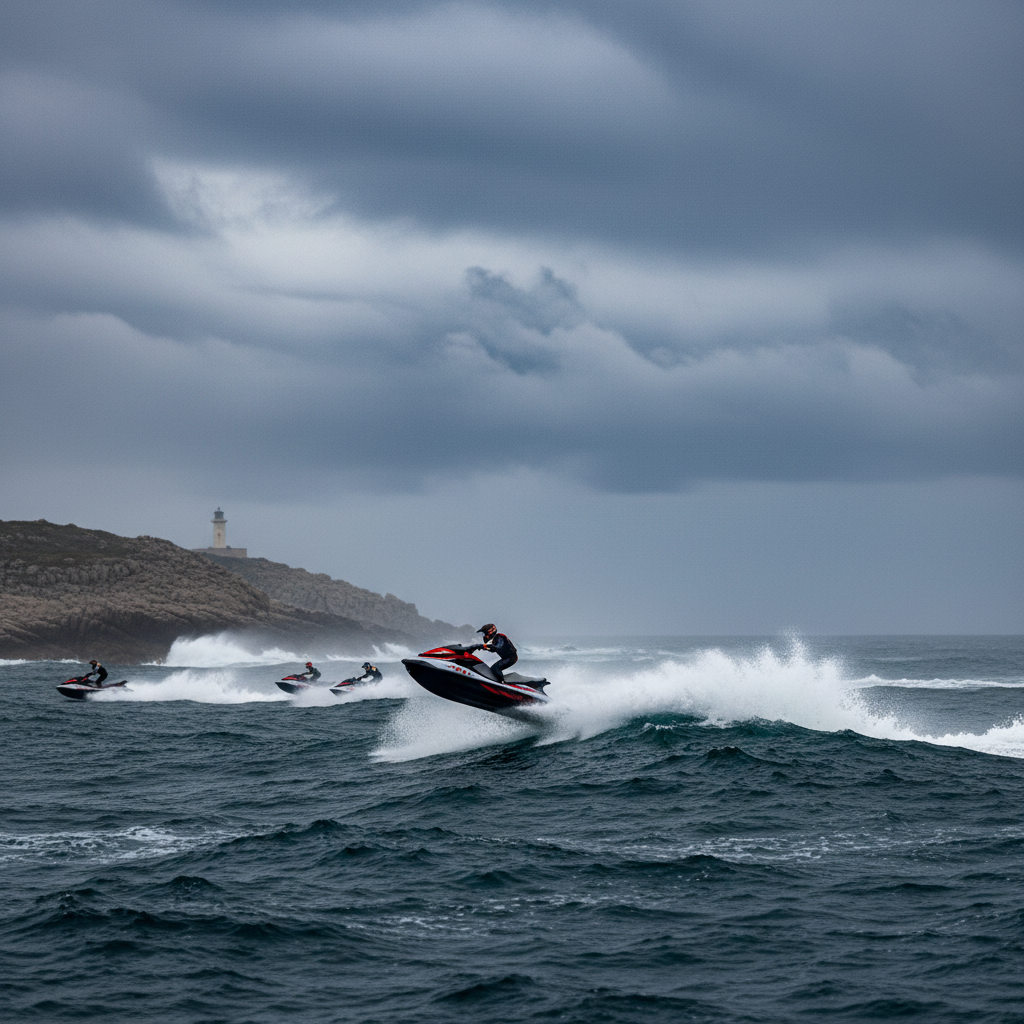
Have you ever watched a pack of high-performance personal watercraft (PWC) carve through the water, leaving a trail of white spray in their wake, and felt a surge of adrenaline? The thrill of recreational riding is unmatched, but taking that passion to the next level introduces a world of speed, skill, and competition. This guide is your starting line for the exhilarating sport of jet ski racing. We'll navigate you through everything you need to know, from choosing the right PWC and essential gear to understanding race formats and entering your very first competition. Prepare to transform your weekend hobby into a competitive pursuit.
What is PWC Racing? Understanding the Basics
At its core, jet ski racing is an organized, competitive motorsport on water. It takes the fundamental fun of riding a PWC and structures it into a high-speed challenge of skill, strategy, and machine performance. Unlike a casual ride on the lake, races are held on designated courses marked by buoys, governed by rules, and overseen by official racing associations. The primary governing body in the United States and worldwide is the International Jet Sports Boating Association (IJSBA), which sets the standards for safety, classes, and competition formats.
The sport is incredibly diverse, attracting a wide range of participants from weekend warriors in stock classes to full-time professional athletes piloting heavily modified machines. The common thread is a love for speed and a competitive spirit. It’s a physically demanding sport that requires a strong core, excellent cardiovascular fitness, and sharp reflexes to navigate tight turns and choppy water at speeds that can exceed 80 mph. More than just twisting a throttle, successful racers must master body positioning, weight transfer, and strategic line choices to gain an edge over their rivals.
Gearing Up: Choosing the Right Jet Ski and Safety Equipment
Entering the world of competitive PWC riding requires more than just a standard recreational ski. Your equipment is your key to both performance and safety on the course. Making the right choices in this stage is crucial for a successful and safe entry into the sport.
Selecting a Race-Ready Watercraft
The first major decision is choosing your vessel. The PWC market is dominated by three major players: Sea-Doo, Kawasaki, and Yamaha. While many recreational models can be adapted for novice classes, serious competitors often gravitate towards performance-oriented models. Modern race-ready skis are technological marvels, featuring powerful supercharged engines, lightweight hulls, and advanced handling features. Popular choices for aspiring racers include models like the Sea-Doo RXP-X, Kawasaki Ultra 310X, and the perennially dominant Yamaha WaveRunners, specifically the GP series.
Your choice will also depend on the type of racing you plan to do. Stand-up skis, like the Kawasaki Jet Ski SX-R 160, are used for traditional, physically demanding closed-course racing, while runabout (sit-down) models dominate both closed-course and endurance categories. If you're just starting, it's often wise to begin with a reliable, naturally aspirated model before jumping to a supercharged beast. If your current ski isn't quite up to the task, you can always sell your jet ski to help fund a more competitive upgrade. As you get serious, you can explore the vast aftermarket for performance parts, including intake grates, ride plates, and ECU tuning to unlock more power. When you're ready to find your perfect starting PWC, you can browse jet skis for sale from sellers across the country.
Essential Safety Gear for Competition
Jet ski racing is an extreme sport, and safety is non-negotiable. Race organizers have strict requirements for personal protective equipment (PPE), and you will not be allowed on the course without it. This isn't the place to cut corners; invest in high-quality, certified gear.
- Helmet: A full-face, brightly colored helmet that meets DOT or Snell standards is mandatory. It protects you from impacts with the water, your ski, or other racers.
- Life Vest/Impact Vest: You'll need a U.S. Coast Guard (USCG) approved life vest. Most racers opt for side-entry competition vests that offer both flotation and impact protection without restricting movement.
- Back Protector: This is a critical piece of gear that straps to your torso under your vest. It protects your spine from hard impacts during a fall or when re-boarding your craft in rough water.
- Wetsuit or Ride Suit: Provides thermal protection and abrasion resistance.
- Goggles, Gloves, and Footwear: Goggles are essential for visibility. Gloves improve grip and prevent blisters. Race-specific footwear or water shoes protect your feet and provide grip in the footwells.
Types of Jet Ski Racing Events and Classes
The world of PWC competition is diverse, with formats designed to test different skills and types of equipment. From short, intense sprints to grueling long-distance challenges, there's a style of racing for everyone. Understanding the main types will help you decide where you want to focus your efforts.
Closed-Course vs. Endurance Racing
The most common form of jet ski racing is closed-course, often called 'moto' racing. Similar to motocross, this format involves multiple laps around a relatively short track defined by buoys. These races are a pure test of handling, acceleration, and rider skill in navigating tight turns and jockeying for position. The active race scenes in coastal states mean that riders looking for jet skis for sale in North Carolina or neighboring jet skis for sale in South Carolina will find plenty of closed-course action.
Endurance racing, on the other hand, is a test of stamina, strategy, and mechanical reliability. These events take place over long distances, sometimes 100 miles or more, often in open-ocean conditions or across large lakes. Success here depends not only on speed but also on fuel management, navigation, and the ability to handle punishing conditions for an extended period. This format is particularly popular in states with large bodies of water, attracting enthusiasts searching for jet skis for sale in Arizona for events on Lake Havasu, a legendary PWC destination.
Understanding Racer Classes (Novice to Pro)
To ensure fair competition, racers are divided into classes based on skill level and the level of modification to their watercraft. As a beginner, you'll start in a Novice or Beginner class. These classes are designed for newcomers and typically have restrictions on performance modifications, emphasizing rider skill over budget. As you gain experience and accumulate points, you can advance to Amateur, Expert, and eventually, Pro classes. Within these skill divisions, there are also categories for the PWC itself, such as Stock, Limited (allowing some modifications), and Superstock/Open (heavily modified).
Training and Techniques for Aspiring Racers
Winning a race requires more than just a fast ski. Consistent practice and a focus on physical fitness are what separate podium finishers from the rest of the pack. Your training should focus on both on-the-water technique and off-the-water conditioning. A strong core is paramount for controlling a 700-pound machine at high speed, so incorporate exercises like planks, crunches, and back extensions into your routine. Cardiovascular fitness is also key, as a 15-minute moto will push your heart rate to its limit.
On the water, focus on drills. Practice your 'hole shot', the start of the race, by accelerating from a dead stop as quickly as possible. Set up a few buoys and practice cornering, focusing on your body position. For runabout skis, this means leaning into the turn with your body while keeping the ski relatively flat. Mastering the transition from accelerating down a straight to braking and setting up for a turn is where races are won and lost. Find a safe, approved area to practice and dedicate time to these fundamentals before you ever line up for a real race. This dedicated practice is common among the competitive communities you'll find whether you're looking at jet skis for sale in California or on the opposite coast near the lakes frequented by riders who bought jet skis for sale in New York.
Getting Started: How to Enter Your First Race in 2026
Ready to take the plunge? Here’s a step-by-step plan to get you on the starting line for the 2026 season. First, locate your regional IJSBA affiliate. Their website will have the race schedule, rulebook, and information on obtaining a competition membership. Next, attend a race as a spectator. This is an invaluable experience to understand the flow of a race day, watch different classes, and talk to other racers in the pits, the PWC community is known for being incredibly welcoming to newcomers.
Once you have your gear and have practiced, pick a race and pre-register online for a Novice class. Arrive early on race day for registration, tech inspection (where officials check your ski and safety gear), and the mandatory riders' meeting. Your first race is not about winning; it's about learning. Focus on riding safely, finishing the race, and having fun. The experience you gain will be the most valuable trophy you can take home. This journey into jet ski racing is a rewarding one that will challenge you and connect you with a passionate community of fellow riders.
Frequently Asked Questions About Jet Ski Racing
How much does it cost to start jet ski racing?
The initial investment can vary widely. You'll need a reliable PWC, which can range from $5,000 for a used model to over $20,000 for a new, race-ready machine. Required safety gear will cost approximately $800-$1,500. Add in race entry fees ($100-$200 per event), IJSBA membership, fuel, and travel. A realistic budget to complete your first season in a novice class would be in the $8,000 to $15,000 range, assuming you already own or are purchasing a suitable watercraft.
Can I use a regular recreational jet ski for racing?
Yes, especially in beginner or novice classes. Many recreational models, particularly those with a performance focus, are perfectly suitable for getting started in jet ski racing. The 'Stock' class rules are designed to keep the playing field level and costs down, often only allowing for minor handling modifications. As you become more competitive, you may want to upgrade to a dedicated racing model, but your trusty weekend ride is a great way to get your feet wet.
What is the best jet ski for a beginner racer?
A great beginner race ski is one that is reliable, predictable, and has good handling characteristics. Models like the Yamaha VX or EX series, or the Sea-Doo GTI, are excellent starting points because they are stable and not overpowering. A used, naturally aspirated performance model like a Yamaha VXR or a Sea-Doo GTR from a few years ago also offers a fantastic balance of performance and affordability for someone just entering the sport of jet ski racing.
Ready to buy or sell? Explore the jet ski marketplace, or jet ski valuation calculator at Jet Sports Trader.
Related Articles
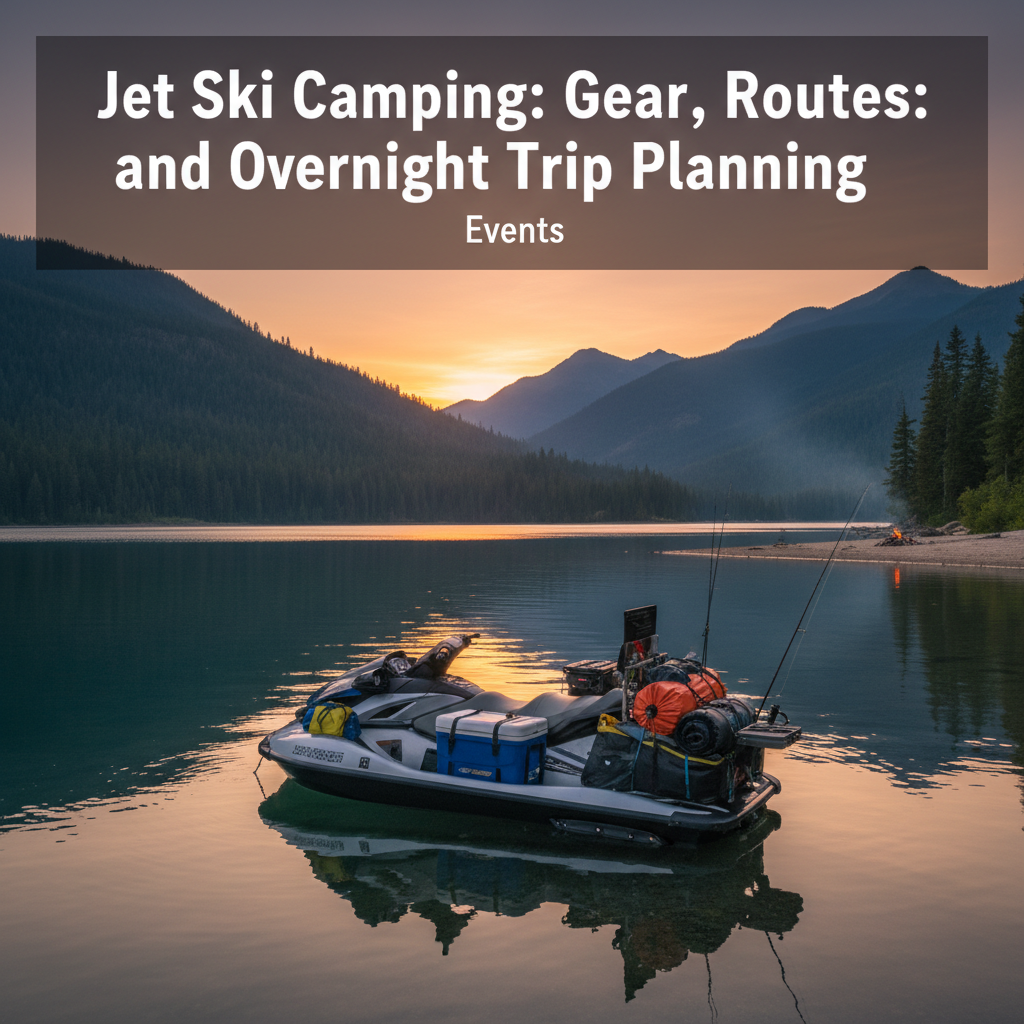
Jet Ski Camping: Gear, Routes, and Overnight Trip Planning
Discover the ultimate freedom of jet ski camping. Our guide covers the essential gear, top US routes, and expert planning tips for your first overnight PWC adventure.
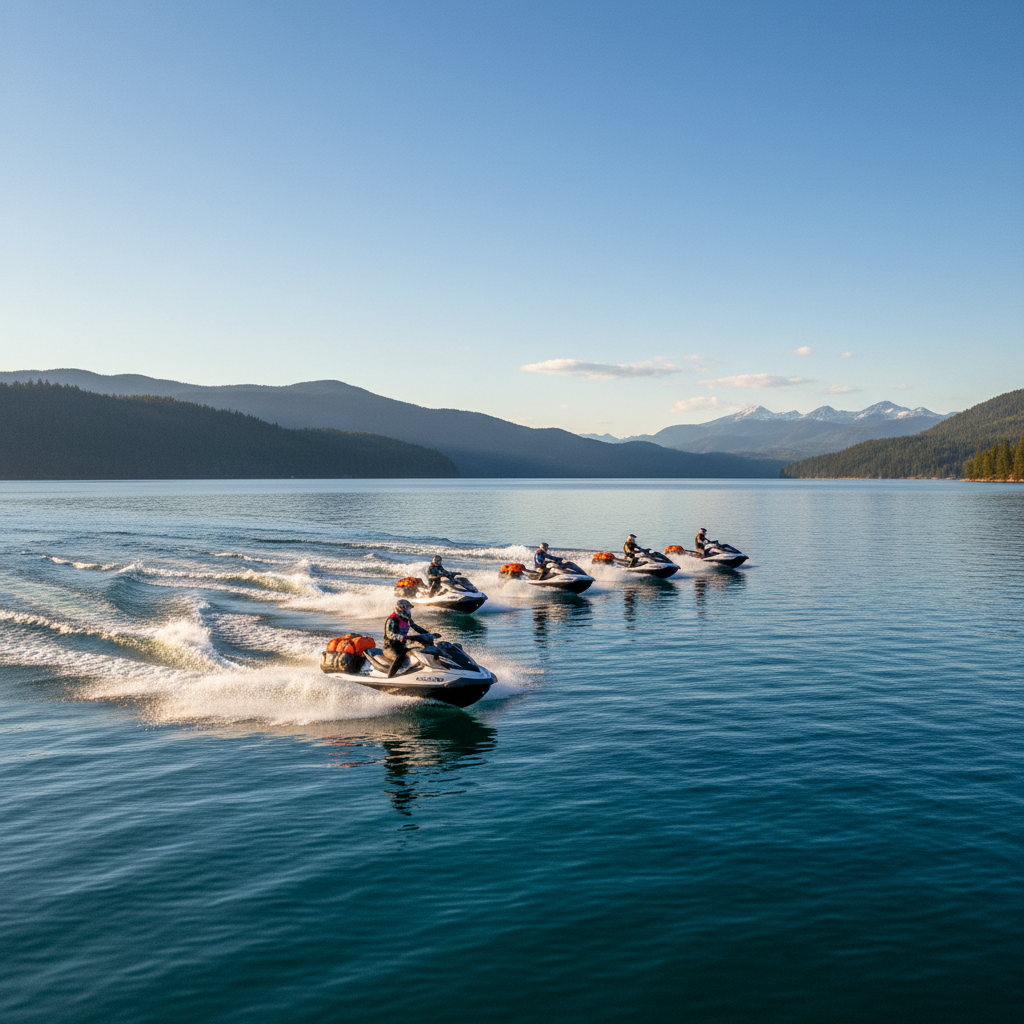
Jet Ski Group Rides and Long-Distance Touring: Planning Guide
Ready for an epic adventure? Our 2026 guide to jet ski touring covers everything from choosing the right PWC to planning group rides, ensuring your long-distance trip is a success.
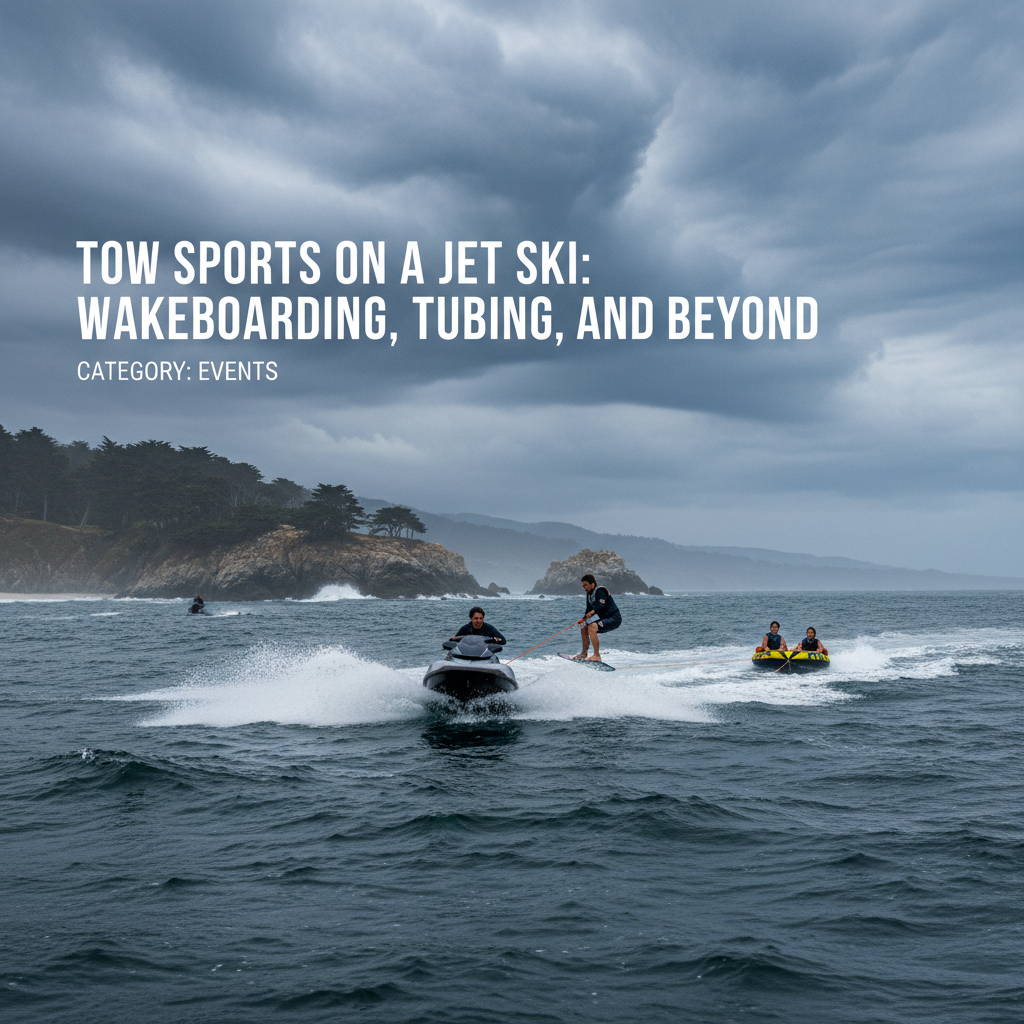
Tow Sports on a Jet Ski: Wakeboarding, Tubing, and Beyond
Unlock a new dimension of fun with our ultimate guide to jet ski tow sports. Learn how to choose the right PWC, the essential gear, and the best techniques for wakeboarding and tubing.
Ready to Find Your Perfect Jet Ski?
Browse thousands of listings from trusted dealers nationwide