
Jet Ski Group Rides and Long-Distance Touring: Planning Guide
Ready for an epic adventure? Our 2026 guide to jet ski touring covers everything from choosing the right PWC to planning group rides, ensuring your long-distance trip is a success.
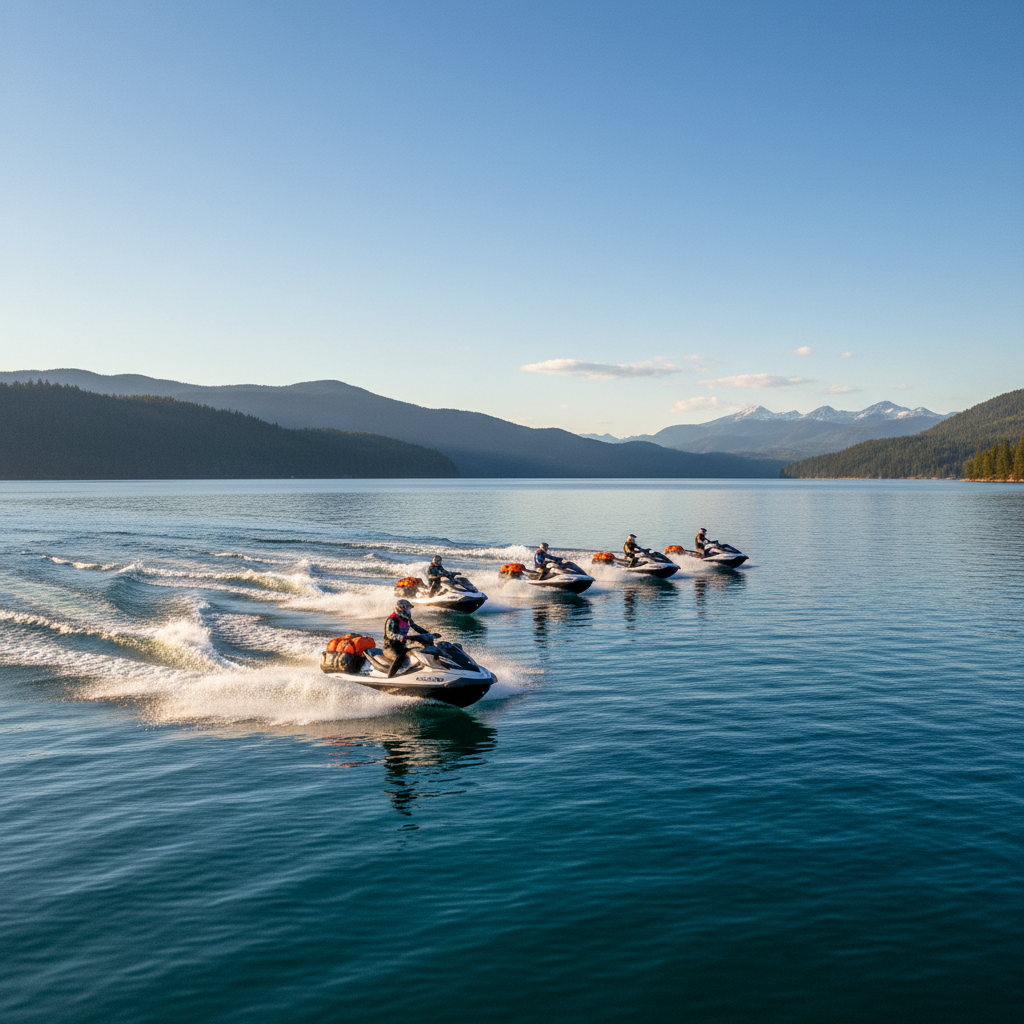
The Ultimate Guide to Jet Ski Touring and Group Rides
The roar of the engine, the spray of the water, and an endless horizon ahead, this is the essence of freedom that personal watercraft offer. But have you ever dreamed of going beyond a simple afternoon on the lake? Imagine embarking on a multi-day adventure, exploring coastlines, and discovering hidden coves with a group of friends. This is the exciting world of jet ski touring, an activity that transforms your PWC from a recreational toy into a vessel for incredible long-distance journeys. Whether you're a seasoned rider or new to the sport, this comprehensive 2026 guide will provide you with everything you need to know to plan and execute a safe, memorable, and thrilling jet ski group ride or solo tour.
Choosing the Right PWC for Long-Distance Adventures
Not all jet skis are created equal when it comes to long-haul comfort and capability. While any PWC can technically travel a distance, dedicated touring models make the experience significantly more enjoyable and safe. When selecting a craft for jet ski touring, you need to prioritize features that support extended time on the water. The ideal touring PWC boasts a combination of stability, fuel efficiency, storage capacity, and rider comfort. Look for models with larger fuel tanks, often exceeding 18 gallons, which can extend your range to over 100 miles between refueling stops, depending on conditions.
Comfort is paramount. A stepped or tiered seat designed for multiple passengers, like those found on the Yamaha FX Cruiser HO or Kawasaki Ultra 310LX, reduces fatigue on long rides. Ergonomic handlebars, cruise control, and a no-wake mode are also invaluable features. Storage is another critical factor. You'll need ample space for safety gear, dry bags, snacks, and potentially extra fuel. Many modern touring models, including a wide range of Sea-Doo personal watercraft like the GTX Limited, offer cavernous bow storage compartments and innovative accessory mounting systems. The hull design also plays a crucial role; a deeper-V, heavier hull will provide a smoother, more stable ride in choppy open water compared to a lighter, more playful hull designed for tricks and racing.
New vs. Used: Finding Your Touring Machine
The decision between a new or used PWC for touring depends on your budget and mechanical comfort level. A new 2026 model offers the latest technology, peak reliability, and a full manufacturer's warranty, providing peace of mind when you're miles from shore. However, the pre-owned market offers incredible value. You can often find a well-maintained, touring-capable model that's only a few years old for a fraction of the price. When you browse jet skis for sale, look for low-hour models with detailed service histories. Our featured jet ski listings often highlight premium, well-equipped crafts perfect for your next adventure. If you're considering a new PWC, be sure to use our jet ski financing calculator to understand your budget. Don't forget to check our newly listed jet skis frequently for the latest deals on potential touring machines.
Essential Planning for a Successful Jet Ski Tour
A successful long-distance jet ski trip is 90% planning and 10% execution. Spontaneity has its place, but not when you're offshore. The first step is meticulous route planning. Use a combination of digital and physical resources. Marine navigation apps like Navionics are indispensable, allowing you to map your route, identify hazards, and find marinas or docks. Always have a waterproof paper chart of the area as a backup in case of electronic failure. Your route plan must include pre-determined stops for fuel, food, and rest. Calculate your PWC's effective range, don't just trust the manufacturer's numbers. Test it yourself in various conditions to know for sure. A conservative rule of thumb is to plan fuel stops that use no more than 75% of your tank's capacity, leaving a healthy reserve for emergencies, strong currents, or unexpected detours.
Weather is the single most important variable. Check marine forecasts obsessively in the days leading up to your trip and each morning before you depart. Be prepared to change your plans or stay put for a day if conditions are unfavorable. High winds and large swells can turn a pleasant trip into a dangerous and exhausting ordeal. Always file a float plan with a reliable person on shore. This document should include your planned route, your daily itinerary, the description of your PWC, and the names of everyone in your group. Instruct them to contact the Coast Guard if you don't check in by a designated time. This simple step is one of the most critical safety measures you can take for any jet ski touring expedition.
Packing Your PWC: The Must-Have Gear List
Packing for a PWC tour is an exercise in efficiency. You need to carry essential safety and comfort items without overloading your craft. Everything should be stored in high-quality dry bags to protect it from the elements. Here is a foundational packing list for any serious tour:
- Safety Gear: USCG-approved life vest (worn at all times), VHF marine radio (handheld or fixed), Personal Locator Beacon (PLB) or satellite messenger, signaling devices (flares, whistle, mirror), first-aid kit, and a tow rope.
- Navigation: GPS unit/phone with navigation app, waterproof case, power bank, and paper chart backup.
- Tools & Spares: Basic toolkit, spare spark plugs, zip ties, duct tape, and a reboarding ladder if your PWC doesn't have one.
- Personal Items: High-SPF sunscreen, polarized sunglasses, hat, quick-dry clothing, wetsuit or drysuit (depending on water temp), and a secure waterproof pouch for your phone, wallet, and keys.
- Sustenance: High-energy snacks, plenty of fresh water in reusable bottles, and a plan for meals.
Navigating the Dynamics of a Group PWC Ride
Traveling with a group adds a fantastic social element to jet ski touring, but it also introduces complexity that requires clear communication and rules. Before the trip, hold a mandatory pre-ride briefing. During this meeting, the designated trip leader should review the entire route, planned stops, and fuel strategy. Establish a clear set of hand signals for basic communication on the water, such as 'slow down,' 'stop,' 'hazard ahead,' and 'I'm okay.' For more advanced communication, waterproof helmet-mounted comms systems like Cardo or Sena are a game-changer, allowing for clear conversation between riders.
Assign a lead rider and a sweep rider. The lead rider is typically the most experienced navigator and is responsible for setting a comfortable pace for the entire group and watching for hazards. The sweep rider is the last in line and ensures no one gets left behind. Their job is to assist anyone who has mechanical trouble or falls back. The cardinal rule of group riding is to never separate. Maintain visual contact with the riders in front of and behind you. A great way to practice group dynamics is on a well-traveled route, such as the Intracoastal Waterway. Exploring the beautiful coastline with a group is an amazing experience, and you can find many great starting points and jet skis for sale in South Carolina and other coastal states perfect for this.
Pre-Trip Maintenance and On-the-Water Safety Protocols
Your PWC is your lifeline on a long-distance tour, and its reliability is non-negotiable. Weeks before your trip, your ski needs a thorough inspection. If you aren't mechanically inclined, take it to a professional. You can find trusted dealers near you who can perform a comprehensive pre-trip service. This should include checking the engine oil, coolant levels, battery health and connections, and inspecting the impeller and wear ring for any damage. Test the steering and throttle cables for smooth operation. A ski that runs perfectly on the lake for an hour might reveal hidden issues on day two of a 150-mile coastal run. Investing in preventative maintenance is the best insurance you can buy for a successful jet ski touring trip.
On the water, safety protocols remain paramount. Always wear your safety lanyard, which kills the engine if you fall off. Stay hydrated and be vigilant about sun exposure, reapplying sunscreen throughout the day. Rider fatigue is a real danger, so take regular breaks to stretch, eat, and rehydrate. Be aware of your surroundings at all times, including other boat traffic, changing weather patterns, and potential marine life. The adventure of jet ski touring is in the journey itself, the planning, the camaraderie, and the breathtaking scenery. By taking these preparations seriously, you ensure that your adventure is remembered for all the right reasons. When you're ready to upgrade to a more capable machine, check out the huge selection of jet skis for sale on JetSportsTrader.com.
Frequently Asked Questions About Jet Ski Touring
What is a realistic daily distance for a jet ski tour?
For most riders on a multi-day trip, a realistic and enjoyable daily distance is between 80 and 150 miles. This range depends heavily on water conditions, the speed of your group, and the number of stops you make. Pushing for more than 150 miles a day can lead to significant fatigue, increasing risk and reducing the enjoyment of the journey. It's better to plan a shorter daily distance and have time to explore, swim, or relax at your destination.
How do you carry extra fuel safely on a jet ski?
Carrying extra fuel is a common practice for serious touring. The safest method is to use certified marine fuel caddies specifically designed for PWC. Many manufacturers, like Sea-Doo with its LinQ system, offer rack-mounted fuel caddies that secure firmly to the rear deck of the watercraft. Never carry fuel in unapproved containers or inside your PWC's storage compartments, as fumes can accumulate and create a serious fire or explosion hazard.
Can any jet ski be used for touring?
While you can technically use any jet ski, some are far better suited for touring than others. The best touring models are typically three-seater skis from the 'Luxury' or 'Touring' categories. These PWCs have larger, more stable hulls, bigger fuel tanks, more storage, and more comfortable seating. Using a smaller, 'Rec-Lite' or performance model for a long-distance tour is possible but will likely be uncomfortable, require more frequent fuel stops, and offer a much rougher ride in anything but perfectly calm water.
Ready to buy or sell? Explore the jet ski marketplace, jet ski valuation calculator, or sell your jet ski at Jet Sports Trader.
Related Articles
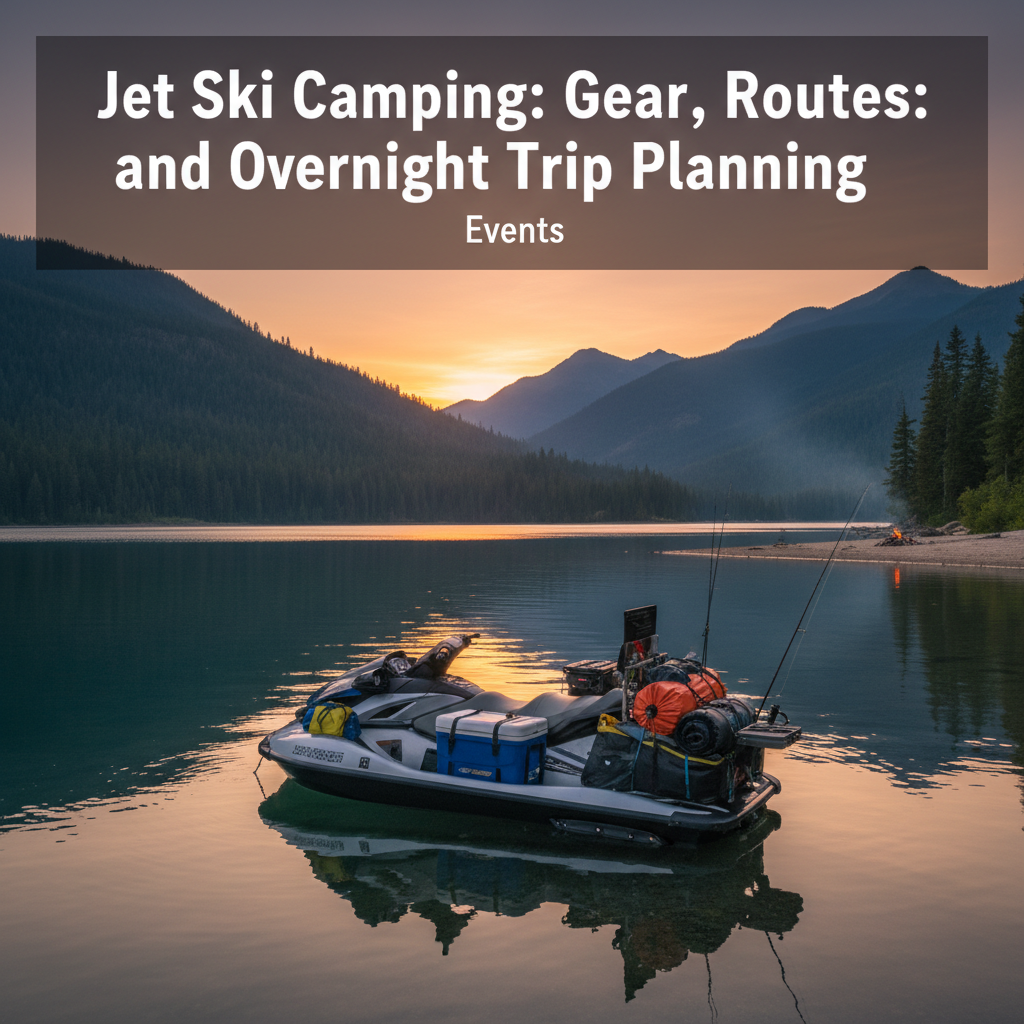
Jet Ski Camping: Gear, Routes, and Overnight Trip Planning
Discover the ultimate freedom of jet ski camping. Our guide covers the essential gear, top US routes, and expert planning tips for your first overnight PWC adventure.
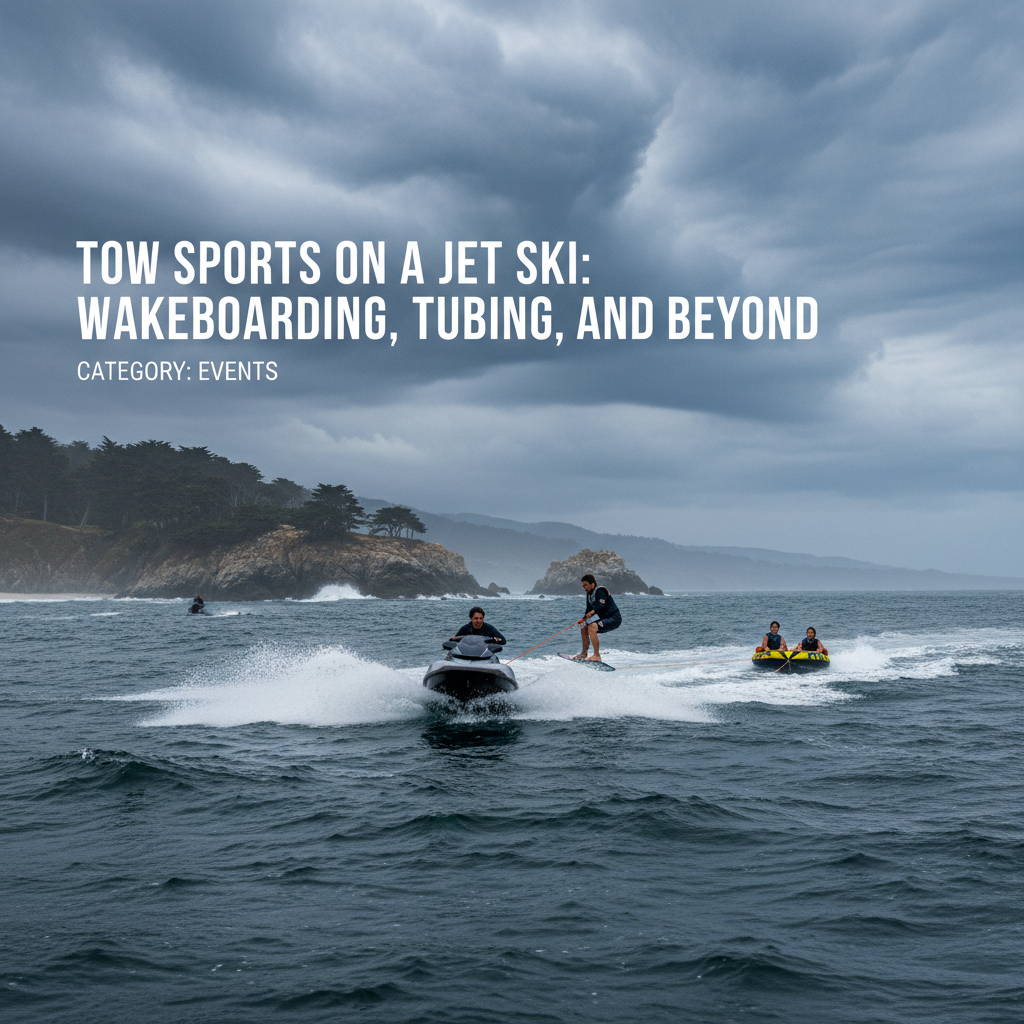
Tow Sports on a Jet Ski: Wakeboarding, Tubing, and Beyond
Unlock a new dimension of fun with our ultimate guide to jet ski tow sports. Learn how to choose the right PWC, the essential gear, and the best techniques for wakeboarding and tubing.
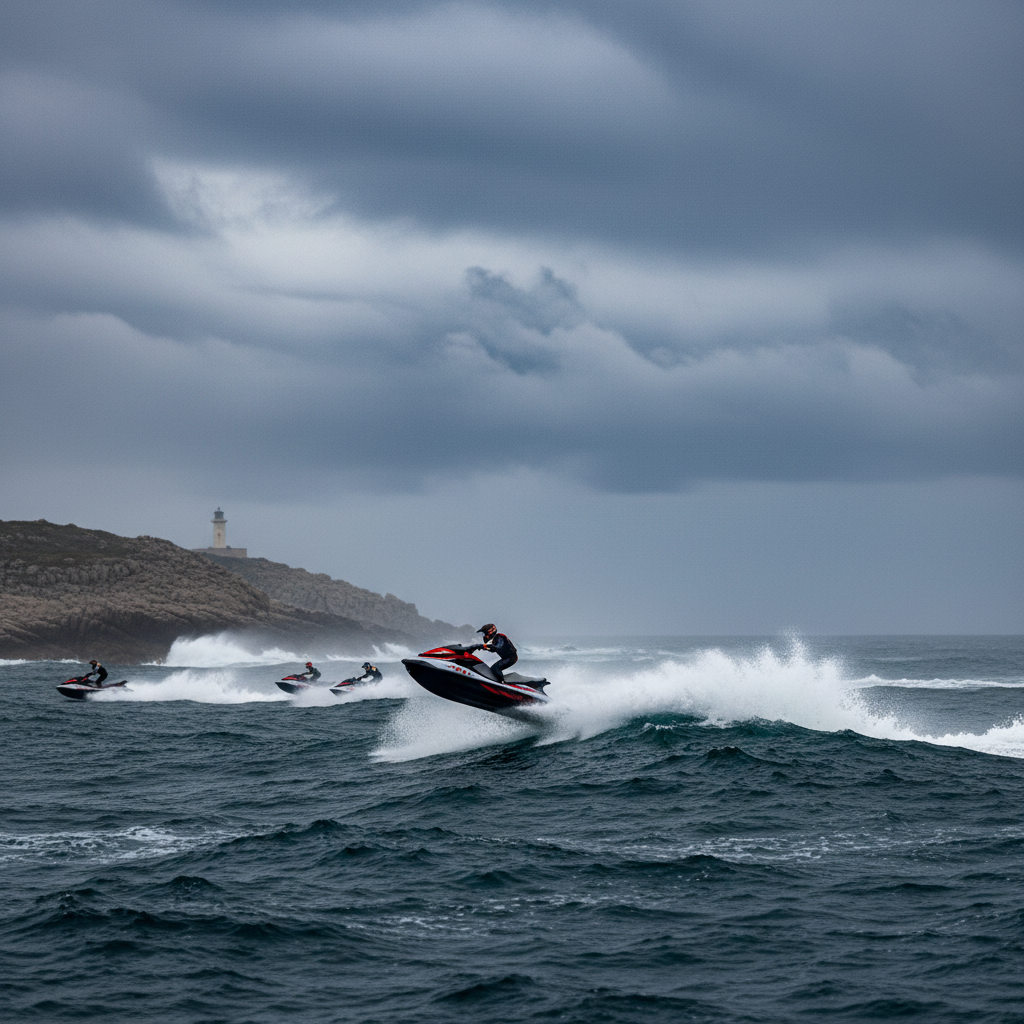
Jet Ski Racing: A Beginner's Guide to Competitive PWC Riding
Ready to take your PWC passion to the next level? Our beginner's guide to jet ski racing covers everything from choosing a ski and safety gear to entering your first competitive event in 2026.
Ready to Find Your Perfect Jet Ski?
Browse thousands of listings from trusted dealers nationwide