
Jet Ski Safety Tips: Essential Rules Every Rider Must Follow
Mastering jet ski safety is key to enjoying the water. Our guide covers essential rules, from pre-ride checks to emergency handling, for every PWC rider.
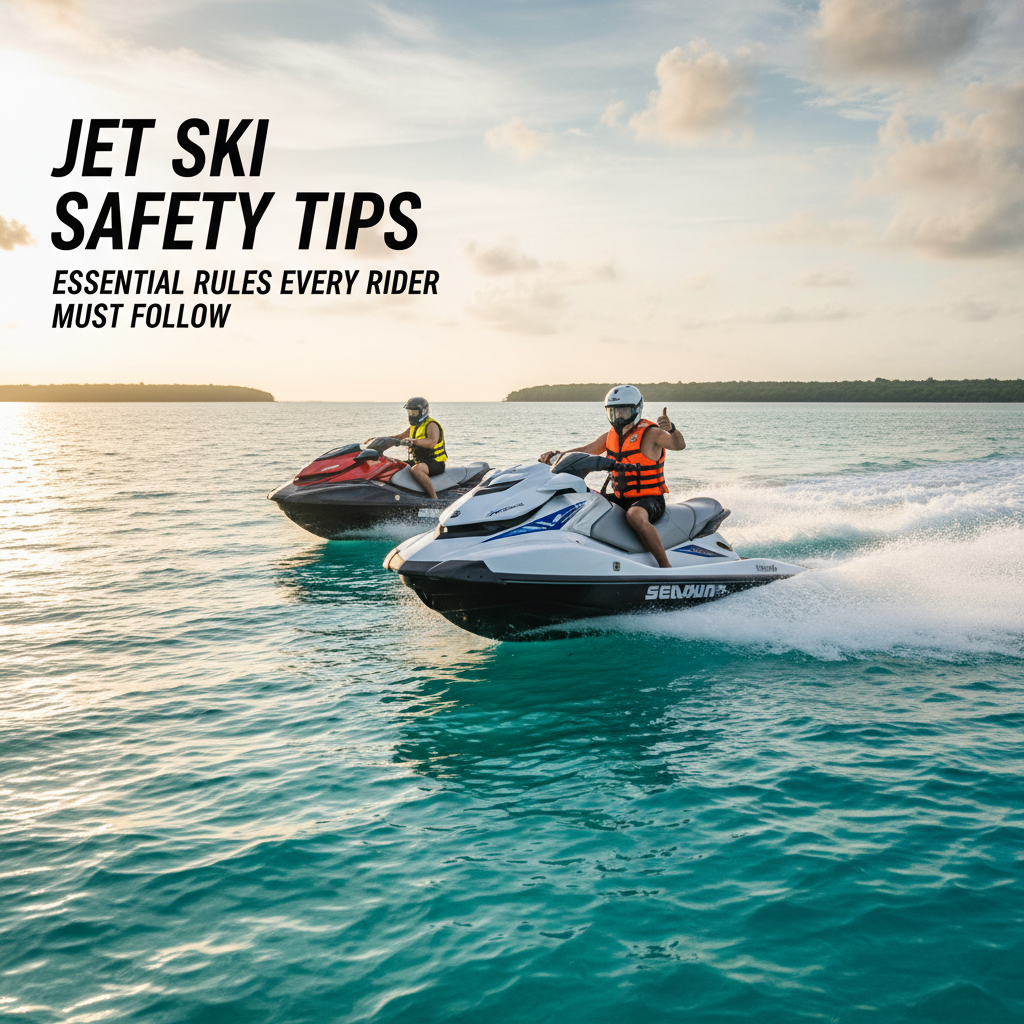
Jet Ski Safety Tips: Essential Rules Every Rider Must Follow
The roar of the engine, the spray of water, and the incredible freedom of skimming across the open water, there’s nothing quite like the thrill of riding a personal watercraft (PWC). But with that exhilarating power comes a serious responsibility. Ensuring proper jet ski safety isn’t about limiting your fun; it’s about guaranteeing that every ride ends with a smile, not an accident. This comprehensive guide will walk you through the essential rules, gear, and practices every rider, from novice to veteran, must follow for a secure and enjoyable experience on the water in 2026 and beyond.
Pre-Ride Checklist: Your First Line of Defense
Before you even think about hitting the throttle, a thorough pre-ride inspection is your most critical first step. A few minutes of prevention on the shore can save you from major headaches on the water. This habit is especially important if you are new to a craft, including one from our extensive listings of used jet skis for sale, as it helps you get acquainted with the machine's condition. Create a mental checklist and run through it every single time you ride.
Your inspection should be systematic. Start with the basics like fuel and oil levels; you never want to get stranded. Visually inspect the entire hull for any cracks, dings, or damage that could compromise its integrity. Test your controls by turning the handlebars to ensure smooth steering, and give the throttle a gentle squeeze to check for a responsive return. Also, confirm your battery has a sufficient charge to avoid starting issues. Finally, double-check that all drain plugs are securely in place and, most importantly, test your engine cut-off switch and safety lanyard to ensure they function correctly. This simple routine is a cornerstone of PWC and jet ski safety.
Essential Gear for Every PWC Rider
On a jet ski, you don't have the protection of a cabin or a steel frame. Your safety gear is your personal protective equipment, and it’s non-negotiable. Think of it as dressing for the slide, not just the ride. Equipping yourself properly is a fundamental aspect of responsible PWC operation and is mandated by law in most areas.
Choosing the Right Life Jacket (PFD)
This is the single most important piece of safety equipment you will ever own. Always wear a U.S. Coast Guard-approved Personal Flotation Device (PFD) that is rated for personal watercraft use. These are designed to withstand high-impact falls and will reliably turn you face-up in the water. Ensure it fits snugly but comfortably; a loose PFD can slide off during a fall, and one that’s too tight can restrict your breathing and movement. Test the fit by raising your arms, the jacket should not ride up over your chin.
The Critical Role of the Safety Lanyard
The engine cut-off switch, or kill switch, is a vital safety feature on every PWC. The safety lanyard connects this switch to your wrist or PFD. If you fall off, the lanyard pulls the key or clip, instantly shutting off the engine. This prevents the jet ski from continuing on without you, potentially striking you or other boaters. Modern watercraft, including many powerful Kawasaki jet skis, have advanced systems, but the principle remains the same. Never operate a PWC without the lanyard securely attached to you.
Beyond these two critical items, your essential gear list should include:
- A whistle or air horn to signal other vessels.
- A waterproof case for your phone for emergency communication.
- A fully charged fire extinguisher rated for marine use.
- Sunscreen, polarized sunglasses, and a hat for sun protection.
- Proper footwear like water shoes to protect your feet and provide grip.
Mastering the Rules of the Waterway
A personal watercraft is legally considered a Class A inboard boat, meaning you are a vessel operator and must adhere to all navigational rules. Ignorance of the law is no excuse and can lead to dangerous situations and hefty fines. The first step for any new rider should be to take a boating safety course, which is legally required in many states for PWC operators. You can often get recommendations for local courses when you find trusted dealers near you.
Understanding Right-of-Way
Waterways are not a free-for-all. There is a clear hierarchy for right-of-way that you must understand to avoid collisions. Large, less maneuverable vessels like container ships and commercial fishing boats always have priority. You must also yield to non-motorized craft like sailboats and kayaks. When meeting another PWC or boat head-on, both vessels should turn to the right (starboard). When crossing paths, the vessel on the right has the right-of-way. Always pass other boats with caution and at a safe distance.
Respecting No-Wake Zones
No-wake zones are areas where you must operate at the slowest possible speed that still allows you to maintain steering, also known as idle speed. These zones are established to protect shorelines from erosion, ensure safety in marinas and mooring fields, and protect wildlife. Creating a wake in these designated areas is not only illegal but also shows a deep disrespect for other boaters and the environment. Be vigilant for the white buoys with orange circles that mark these zones.
Safe Operating Practices for Personal Watercraft
Beyond the formal rules, smart operating practices are what truly define a safe rider. Your judgment and awareness are your best tools for accident prevention. This active approach to jet ski safety is what separates a good rider from a great one. Always remember that a PWC has no brakes; it uses water jet thrust to steer and stop, which requires forward thinking and situational awareness.
Never operate a PWC under the influence of alcohol or drugs. Reaction times are critical on the water, and impairment is a leading cause of boating accidents nationwide. Stay alert, stay sober, and stay safe. As your skills grow, you might consider upgrading your craft. If you decide to sell your jet ski for a newer model, these core principles of safe operation will transfer directly to your new ride. You can even plan for your next purchase using our handy jet ski financing calculator to see what fits your budget.
Maintaining a Safe Distance and Awareness
Always keep a safe distance from other vessels, swimmers, and shorelines. A good rule of thumb is to stay at least 150 feet away from other objects whenever possible, especially when traveling at speed. Constantly scan your surroundings in all directions. Be aware of your blind spots and understand that other, larger boaters may not see you. Never follow another boat or PWC too closely or jump their wake, as this can obstruct your view and lead to a collision. Responsible riding is the most important aspect of overall jet ski safety.
Frequently Asked Questions About Jet Ski Safety
Even with a thorough guide, specific questions often arise. Here are answers to some of the most common queries we receive about PWC safety.
How old do you have to be to ride a jet ski?
Age requirements for operating a PWC vary significantly by state. Most states have a tiered system. For example, a state might require an operator to be 14 or 16 years old to ride alone but allow younger children to ride with a licensed adult on board. Always check your specific state's 2026 boating laws and regulations before heading out, as these rules are strictly enforced.
What should I do if I fall off my jet ski?
First, don't panic. Your PFD will keep you afloat. Because you were wearing your safety lanyard, the engine will have shut off, preventing the PWC from traveling far. Swim to the stern (the back) of the watercraft. Most jet skis have a handle or re-boarding step. Grab it and use your legs to kick and help pull yourself up onto the boarding platform. Re-boarding from the side can cause the craft to become unstable and flip over.
Can I ride a jet ski at night?
In almost all jurisdictions, the answer is no. Standard personal watercraft are not equipped with the proper navigation lights (red, green, and all-around white lights) required for operation between sunset and sunrise. The limited visibility makes nighttime riding extremely dangerous for you and other boaters. Always plan your trips to ensure you are back at the dock well before dusk.
By embracing these principles of preparation, proper gearing, and responsible operation, you ensure that every day on the water is as safe as it is thrilling. For more expert tips and the latest jet ski news and guides, explore JetSportsTrader.com, your ultimate resource for everything PWC.
Ready to buy or sell? Explore the jet ski marketplace, browse jet skis for sale, or jet ski valuation calculator at Jet Sports Trader.
Related Articles
How to Trailer a Jet Ski Across State Lines Without Problems
Planning on trailering a jet ski interstate? This guide covers the essential legal requirements, safety checks, and driving tips to ensure your PWC arrives safely.

Jet Ski Laws by State: Age Limits, Licenses, and No-Wake Rules
Don't get fined on the water! Our 2026 guide to jet ski laws breaks down age limits, boater education, and no-wake rules by state so you can ride safely and legally.
Cold Water Jet Skiing: Wetsuits, Risks, and Shoulder-Season Riding
Don't let cooler temperatures end your PWC season. Our guide to cold water jet skiing covers the essential gear, safety protocols, and risks to extend your riding adventures.
Ready to Find Your Perfect Jet Ski?
Browse thousands of listings from trusted dealers nationwide