
How to Trailer a Jet Ski Across State Lines Without Problems
Planning on trailering a jet ski interstate? This guide covers the essential legal requirements, safety checks, and driving tips to ensure your PWC arrives safely.
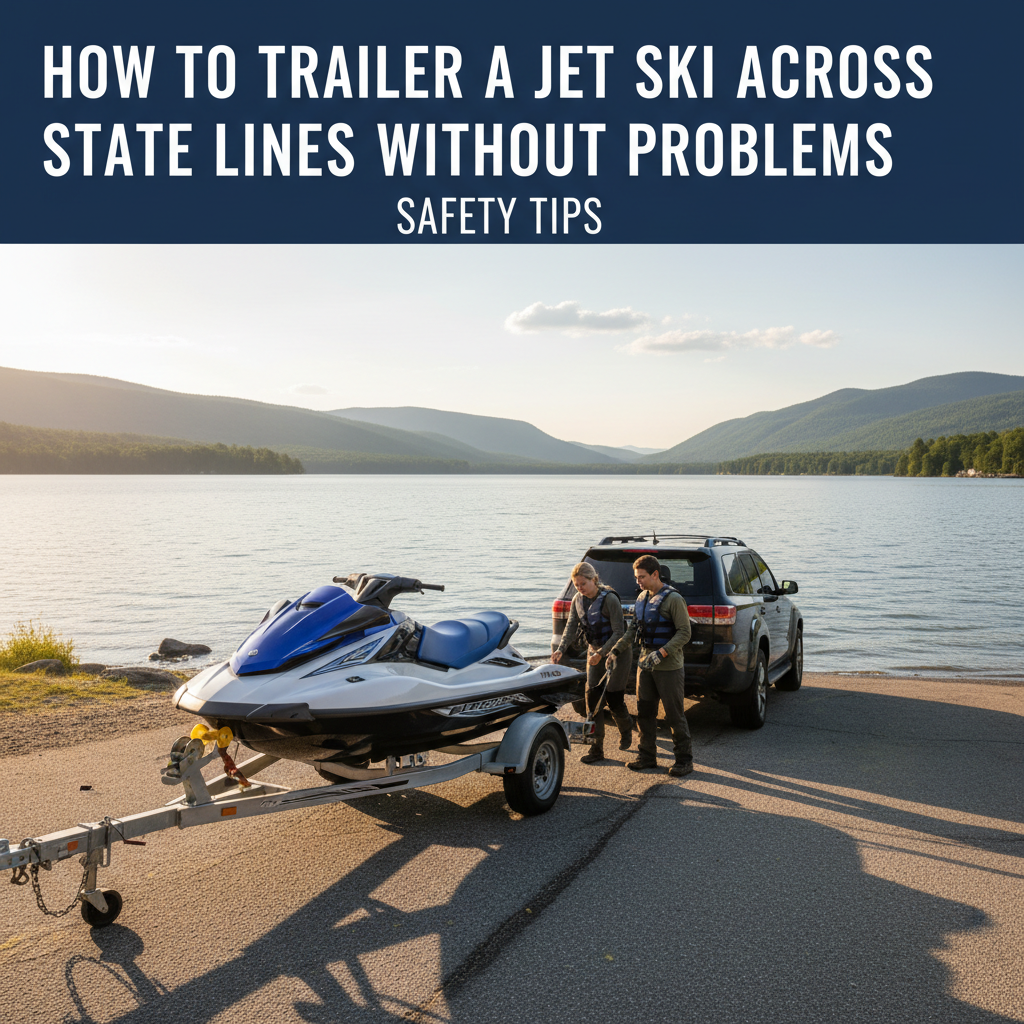
How to Master Trailering a Jet Ski Interstate Without Problems
The allure of exploring new coastlines, vast lakes, and winding rivers is a powerful motivator for any personal watercraft (PWC) owner. The freedom of taking your own jet ski on a cross country adventure is unmatched. However, the process of trailering a jet ski interstate involves more than just hitching up and hitting the highway. It requires careful planning, legal awareness, and mechanical diligence to ensure your journey is smooth and trouble free. This comprehensive guide will walk you through every step, from pre trip inspections to navigating complex state laws.
Pre-Trip Preparation: Your PWC and Trailer Checklist
A successful long distance haul begins long before your tires hit the pavement. A thorough inspection of your jet ski and trailer is the single most important step you can take to prevent roadside breakdowns and ensure your PWC arrives in perfect condition. Neglecting this phase can lead to costly repairs, frustrating delays, and potential damage to your prized watercraft. Before you even think about packing your gear, dedicate ample time to a detailed mechanical and safety check.
Securing Your Jet Ski for the Long Haul
Your jet ski must be anchored to its trailer as if it were one solid unit. Relying on just the winch strap is a common and dangerous mistake. Use at least two additional high quality transom straps, crisscrossing them at the rear of the PWC to prevent any side to side or vertical movement. At the front, the winch strap should be tight, and you must also connect the bow safety chain or strap as a critical backup. Consider using a PWC cover designed for trailering to protect the finish and components from rock chips, bugs, and road grime. This is especially important for newer models like those found on our newly listed jet skis page, where preserving that factory shine is a top priority.
Essential Trailer Maintenance Before You Go
Your trailer is the unsung hero of any PWC road trip, and it deserves just as much attention as your ski. A failure here can be catastrophic, so a pre trip inspection is non negotiable. Create a checklist and go through it methodically. This simple routine can be the difference between a great vacation and a highway nightmare.
- Tires: Check the air pressure on all trailer tires, including the spare, ensuring they are inflated to the manufacturer's recommended PSI. Inspect the tread for wear and look for any cracks or bulges in the sidewalls. Old tires are a major cause of blowouts.
- Lights: Connect the trailer's wiring harness to your tow vehicle and test all lights. Have a partner confirm that the brake lights, turn signals, and running lights are all functioning correctly. Corroded connections are a common culprit for light failures.
- Wheel Bearings: Feel the wheel hubs after a short test drive. If they are excessively hot, it's a sign your bearings may need to be repacked with grease or replaced. For long trips, this is a crucial maintenance item.
- Hitch and Coupler: Ensure the trailer coupler latches securely onto the tow vehicle's hitch ball. The safety chains should be crossed under the tongue and attached to the vehicle's frame.
Navigating the Legal Labyrinth: State-Specific Regulations
Once your equipment is mechanically sound, the next hurdle is understanding the patchwork of laws that govern trailering a jet ski interstate. Each state has its own rules regarding registration, invasive species, and towing. Assuming the laws in your destination state are the same as your home state is a recipe for receiving an expensive ticket. As of 2026, enforcement, particularly around aquatic invasive species, is stricter than ever. Doing your research is mandatory.
First, ensure both your PWC and trailer registrations are current and that you have the physical documents with you. While most states have reciprocity agreements, meaning they honor your home state's registration for short term visits, it's always wise to verify this with the destination state's Department of Natural Resources (DNR) or equivalent agency. If you are purchasing one of the many jet skis for sale in California and transporting it home, you'll need a bill of sale and title to prove ownership.
The most critical legal aspect today is preventing the spread of Aquatic Invasive Species (AIS). Many states, especially in the West and Midwest, have mandatory inspection stations for all watercraft. You are legally required to stop. To pass inspection, your PWC must be clean, drained, and dry. This means all water must be drained from the bilge, engine compartment, and jet pump. The hull and trailer must be free of any visible mud, plants, or organisms. Failure to comply can result in large fines and being denied entry to the state's waterways. Always research the specific AIS laws for every state you will pass through.
On the Road: Best Practices for Interstate PWC Towing
The experience of towing a PWC is fundamentally different from regular driving. The added length and weight demand more focus, anticipation, and a smoother driving style. Mastering these techniques will make your journey safer and less stressful. Remember that you are responsible for not only your own vehicle but also the valuable asset you are pulling behind it, whether it's a classic Kawasaki jet skis model or a brand new, feature packed Sea-Doo personal watercraft.
Your vehicle's handling characteristics will change dramatically. You must allow for significantly more stopping distance and make much wider turns to prevent the trailer tires from hitting curbs. Be mindful of your trailer's position at all times, using your mirrors frequently. At every stop for fuel or food, perform a quick walk around inspection. Check that the straps are still tight, the tires look good, and the hitch connection is secure. Road vibrations can cause things to loosen over time. Planning your route to include trailer friendly gas stations and rest stops will save you a lot of hassle. Be aware of your total height and avoid low clearance bridges or parking garages.
Arriving at Your Destination: Post-Trip Inspection and Launch
Congratulations, you've made it! But the job isn't quite finished. Before you rush to the boat ramp, take a few minutes to conduct a post trip inspection. Uncover your PWC and check for any signs of damage that may have occurred during transit. Look for strap marks, scratches, or any components that may have shifted. Give the trailer another once over, paying special attention to the tires and bearings after the long journey. This is also the perfect time to review the local boating regulations for your new location. Are there different speed limits or no wake zones? Are the safety equipment requirements different from your home state? A quick chat with staff at a local marina can be invaluable. If you need service or advice, you can always find trusted dealers near you using our online directory.
A successful trip is a testament to good planning. By following these guidelines for trailering a jet ski interstate, you can focus on the adventure ahead, not on problems along the way. Your due diligence ensures that your PWC is ready for action the moment you arrive. Now, all that's left is to launch, explore, and create unforgettable memories on the water. If this trip has you dreaming of your next watercraft, why not browse jet skis for sale on JetSportsTrader.com? You can even estimate your payments with our handy jet ski financing calculator to make that dream a reality.
Frequently Asked Questions
Do I need to register my jet ski in every state I travel through?
Generally, no. Thanks to reciprocity laws, states will honor your PWC's valid registration from your home state for temporary recreational use, typically for 60 to 90 days. However, you must carry your registration documents at all times. If you plan an extended stay or establish residency, you will be required to register it in the new state. Always check the specific rules on the destination state's DNR or DMV website before your trip.
What are the most common fines when trailering a jet ski interstate?
The most frequent violations include issues with the trailer, such as expired registration tags, inoperable brake lights or turn signals, and unsecured safety chains. Improperly secured loads, where the PWC is not tied down correctly, can also lead to hefty fines. Increasingly, the most severe penalties are issued for violating Aquatic Invasive Species (AIS) laws, such as bypassing a mandatory inspection station or launching a contaminated watercraft.
Can I use my home state's required safety equipment on my PWC in another state?
For the most part, yes. Federal requirements for PWC safety gear, like life jackets (PFDs) and fire extinguishers, create a baseline standard. However, some states have additional specific requirements. For example, a state might mandate a particular type of sound producing device or have stricter rules for children's PFDs. The best and safest practice is to always equip your PWC to meet the legal requirements of the state where you will be operating it. When in doubt, check the local boating laws or browse jet skis for sale that might already be compliant in your destination area.
Ready to buy or sell? Explore the jet ski marketplace, jet ski valuation calculator, or sell your jet ski at Jet Sports Trader.
Related Articles

Jet Ski Laws by State: Age Limits, Licenses, and No-Wake Rules
Don't get fined on the water! Our 2026 guide to jet ski laws breaks down age limits, boater education, and no-wake rules by state so you can ride safely and legally.

Cold Water Jet Skiing: Wetsuits, Risks, and Shoulder-Season Riding
Don't let cooler temperatures end your PWC season. Our guide to cold water jet skiing covers the essential gear, safety protocols, and risks to extend your riding adventures.

Avoiding Jet Ski Scams: Red Flags for Buyers and Sellers
Don't fall for jet ski scams. Our expert guide details the red flags for PWC buyers and sellers, helping you spot fraud and ensure a secure transaction.
Ready to Find Your Perfect Jet Ski?
Browse thousands of listings from trusted dealers nationwide