
Cold Water Jet Skiing: Wetsuits, Risks, and Shoulder-Season Riding
Don't let cooler temperatures end your PWC season. Our guide to cold water jet skiing covers the essential gear, safety protocols, and risks to extend your riding adventures.
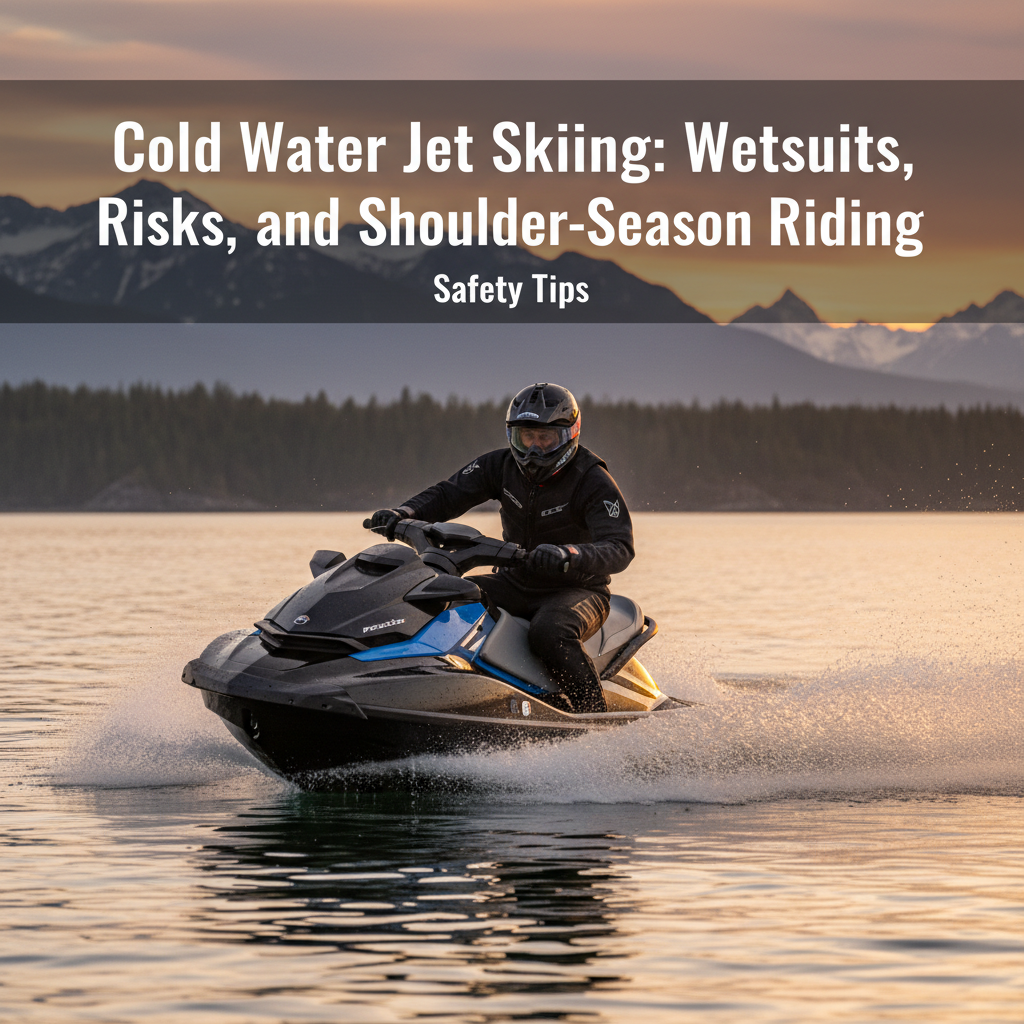
Cold Water Jet Skiing: Your Ultimate 2026 Guide to Wetsuits, Risks, and Shoulder-Season Riding
For passionate personal watercraft (PWC) enthusiasts, the end of summer can feel like a countdown to months of storage and longing for the water. But what if you could safely extend your riding season into the crisp days of fall and the early weeks of spring? With the right preparation and knowledge, cold water jet skiing is not only possible but can be an incredibly rewarding experience, offering serene, uncrowded waterways. This guide is your definitive resource for navigating the unique challenges and rewards of shoulder-season riding, covering everything from essential gear and PWC prep to understanding the critical safety risks involved. Don't let a date on the calendar dictate your time on the water; let's dive into how to do it safely.
The Unseen Danger: Understanding Cold Water Shock and Hypothermia
Before even thinking about your gear, it's crucial to understand the primary risk of off-season riding: the water itself. The biggest mistake a rider can make is judging safety by the air temperature. A beautiful, sunny 60°F day can feel perfect, but if the water is 50°F, an unexpected fall can become a life-threatening emergency in minutes. The two main dangers are cold water shock and hypothermia.
Cold water shock is the body's immediate, involuntary response to sudden immersion in cold water (typically below 60°F / 15°C). It causes an instantaneous loss of breathing control, a massive gasp for air, and hyperventilation. If your head goes underwater during this gasp, it can lead to drowning, regardless of your swimming ability. This initial shock is often the most dangerous part of falling in. Following the shock, you have a brief window, often referred to as the 1-10-1 Rule: you have 1 minute to get your breathing under control, 10 minutes of meaningful muscle movement to attempt self-rescue, and 1 hour before you become unconscious due to hypothermia. This rule underscores the urgency and the need for proper preparation for any cold water jet skiing excursion.
Hypothermia is the gradual cooling of your body's core temperature. It sets in more slowly than cold water shock but is just as deadly. As your body loses heat faster than it can produce it, your core temperature drops below 95°F (35°C). Symptoms progress from shivering and slurred speech to confusion, loss of coordination, and eventually, unconsciousness and cardiac arrest. It’s a silent threat that can affect you even if you get back on your PWC after a brief immersion, as wind chill will continue to sap your body heat. Understanding these risks is the first and most important step in safe off-season PWC operation.
Gearing Up for the Cold: Essential PWC Apparel for Off-Season Riding
Your standard summer setup of a rash guard and board shorts is dangerously inadequate for cold water. Proper thermal protection is non-negotiable. Your choice of gear is the single most important factor in determining your safety and comfort. This isn't just about staying warm; it's about survival should you end up in the water.
Wetsuits vs. Drysuits: Making the Right Choice
The core of your cold-weather gear is either a wetsuit or a drysuit. A wetsuit works by trapping a thin layer of water between the suit and your skin. Your body heat warms this water, which then acts as an insulating layer. For shoulder-season riding in places like Texas or even the cooler months in Florida, where water might be in the 60s, a thick full-body wetsuit (5/4mm or 6/5mm) is often sufficient. The numbers refer to the thickness of the neoprene in millimeters (e.g., 5mm on the torso, 4mm on the limbs).
A drysuit, on the other hand, is designed to keep you completely dry. It's a waterproof shell with seals at the neck, wrists, and ankles. You wear insulating layers underneath it. Drysuits offer superior protection in truly cold water (below 55°F) and are the standard for riders in northern climates, like those browsing jet skis for sale in Michigan. While more expensive, a drysuit provides a much higher margin of safety in frigid conditions, as it prevents the initial shock of cold water from ever touching your skin and stops evaporative cooling once you're out of the water.
Layering for Success: Beyond the Suit
Whether you choose a wetsuit or drysuit, what you wear with it is equally important. A layered approach allows you to adjust to changing conditions and provides comprehensive protection. Your essential 2026 cold-weather PWC kit should include:
- Base Layers: (For drysuit users) Wear moisture-wicking synthetic or wool base layers. Avoid cotton at all costs, as it holds moisture and will make you colder.
- Neoprene Hood: A significant amount of body heat is lost through your head. A neoprene hood or a thick beanie under your helmet is critical for retaining warmth.
- Gloves: Your hands are essential for controlling the PWC. Look for 3mm to 5mm thick neoprene gloves that offer a good balance of warmth and dexterity.
- Boots/Footwear: Neoprene booties are a must. They keep your feet warm and provide grip on a wet footwell. Ensure they are high enough to tuck under your wetsuit or drysuit leg.
- Life Vest (PFD): Always wear a US Coast Guard-approved PFD. In cold water, its buoyancy is even more critical, as your ability to swim will be compromised quickly. Wear it over your suit.
- Wind-Resistant Outer Layer: A tour coat or windbreaker worn over your wetsuit can dramatically reduce wind chill while riding, helping you conserve precious body heat.
Prepping Your PWC for Cold Water Performance
Your personal watercraft also needs some special attention for cold-weather operation. Cold temperatures can affect engine performance, battery life, and overall reliability. A failure that would be an inconvenience in summer can become a serious emergency in the fall or spring.
Start with your battery. Cold weather is notoriously hard on batteries, reducing their cranking power. Before your first cold-weather ride, ensure your battery is fully charged and the terminals are clean. If the battery is more than a few years old, consider replacing it proactively. Always allow your PWC's engine to warm up for several minutes before hitting the throttle. This allows the oil to circulate properly and the engine to reach a stable operating temperature, reducing wear and tear. Many modern PWCs, like the latest Yamaha WaveRunners, feature advanced engine management systems that handle cold starts well, but a manual warm-up is still best practice.
Before launching, do a quick visual inspection of the intake grate and pump area for any signs of ice, especially if the PWC has been stored in freezing temperatures. Even a small amount of ice can cause damage upon startup. If you're considering a PWC specifically for all-season use, our jet ski buying guide can help you identify models with robust, reliable systems suitable for colder climates. You can explore a wide variety of options in our complete jet ski model directory.
Safe Riding Practices for the Shoulder Season
Adjusting your riding habits is just as important as your gear. The margin for error is much smaller when dealing with cold water, so a conservative and safety-first mindset is paramount. The number one rule is to never ride alone. Always ride with at least one other PWC. This ensures that if one rider has a mechanical issue or falls in, the other is there to provide immediate assistance.
Planning Your Route and Informing Others
Before you leave, file a float plan. This means telling a reliable person on shore where you are going, who is with you, and when you expect to return. This is your lifeline if something goes wrong. Keep your trips shorter and closer to shore than you would in the summer. This reduces your exposure time and ensures you can get to safety quickly if the weather turns or you experience a problem. Riders in states with long coastlines like those looking at jet skis for sale in New York should be especially mindful of changing offshore conditions.
Meticulously check the marine forecast before you head out. Pay close attention to wind speed, wave height, and any incoming weather systems. Conditions can change rapidly in the shoulder seasons. Pack a waterproof bag with safety essentials, including a fully charged cell phone, a VHF radio, flares, a first-aid kit, and high-energy snacks. This preparation is the hallmark of a responsible rider enjoying the thrill of cold water jet skiing.
Frequently Asked Questions
What water temperature is considered too cold for jet skiing?
There's no single temperature, as it depends entirely on your gear. With a high-quality drysuit and proper layers, experienced riders can operate in water just above freezing. However, for most recreational riders using a thick wetsuit (5mm+), water temperatures below 55-60°F (13-15°C) require extreme caution. Below 50°F (10°C), a drysuit is strongly recommended for safety.
Can I wear a regular jacket instead of a wetsuit for cold water jet skiing?
Absolutely not. Regular clothing, including waterproof jackets, offers zero thermal protection once you are submerged. Cotton and other materials become saturated with water, weighing you down and accelerating heat loss exponentially, leading to rapid hypothermia. Only a wetsuit or a drysuit is appropriate for cold water jet skiing.
How do I know if my jet ski is suitable for cold weather use?
Most modern fuel-injected PWCs from major manufacturers are suitable for cold weather use, provided they are well-maintained. Key factors are a strong battery, a reliable starting system, and proper winterization/de-winterization. Older, carbureted models can be more finicky in the cold. If you plan to sell your current model for an upgrade, check out our jet ski selling tips to get the best value.
Conclusion: Ride On, But Ride Smart
Extending your PWC season with cold water jet skiing opens up a whole new world of riding. The quiet lakes, the crisp air, and the unique perspective are experiences every serious enthusiast should have. However, this reward comes with the responsibility of meticulous preparation. By respecting the power of cold water, investing in the right thermal gear, preparing your machine, and adopting safe riding practices, you can confidently and safely push the boundaries of your season. Ready to find the perfect PWC for your year-round adventures? Explore thousands of listings on JetSportsTrader.com, from the sunny shores of Texas to the beautiful lakes of the north. Your next adventure awaits.
Ready to buy or sell? Explore the jet ski marketplace, browse jet skis for sale, jet ski valuation calculator, or sell your jet ski at Jet Sports Trader.
Related Articles
How to Trailer a Jet Ski Across State Lines Without Problems
Planning on trailering a jet ski interstate? This guide covers the essential legal requirements, safety checks, and driving tips to ensure your PWC arrives safely.

Jet Ski Laws by State: Age Limits, Licenses, and No-Wake Rules
Don't get fined on the water! Our 2026 guide to jet ski laws breaks down age limits, boater education, and no-wake rules by state so you can ride safely and legally.
Avoiding Jet Ski Scams: Red Flags for Buyers and Sellers
Don't fall for jet ski scams. Our expert guide details the red flags for PWC buyers and sellers, helping you spot fraud and ensure a secure transaction.
Ready to Find Your Perfect Jet Ski?
Browse thousands of listings from trusted dealers nationwide