
Jet Ski Etiquette: Essential Water Rules Every Rider Should Know
Mastering jet ski etiquette is crucial for safety and fun on the water. This guide covers the essential rules every PWC rider must know, from navigation and no-wake zones to courtesy.
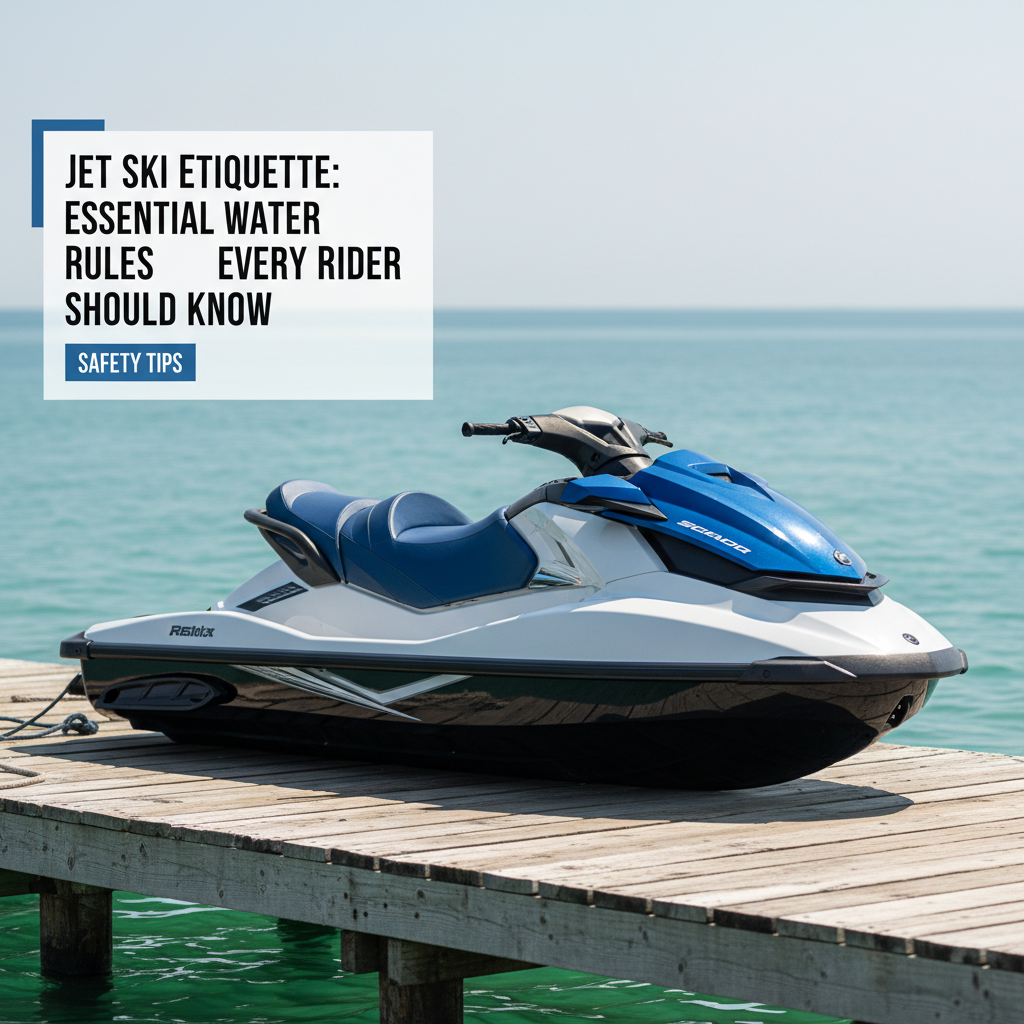
Jet Ski Etiquette: Essential Water Rules Every Rider Should Know
Riding a personal watercraft (PWC) is an exhilarating experience, offering a unique blend of speed, agility, and freedom on the water. However, with that freedom comes a significant responsibility. Understanding and practicing proper jet ski etiquette is not just about being polite; it's about ensuring the safety of yourself, your passengers, and everyone else enjoying the water. Whether you're a seasoned pro or just getting your feet wet in the world of PWC, this guide will cover the essential on-water rules and courtesies that every rider must know for a safe and enjoyable 2026 season. From navigating busy channels to respecting wildlife, mastering these principles is the hallmark of a true PWC enthusiast.
The Golden Rules: Navigating Crowded Waterways
Just like highways on land, waterways have their own set of traffic rules designed to prevent collisions and maintain order. As a PWC operator, you are considered the captain of a vessel and are subject to the same navigational rules as any other boater. The most fundamental of these is the concept of right-of-way. When meeting another vessel head-on, both should alter their course to the right (starboard) to pass safely, port-side to port-side. If you are crossing paths with another boat, the vessel on the right has the right-of-way, and you must slow down, stop, or alter your course to pass behind them. When overtaking a slower vessel, you must make your intentions clear and pass at a safe distance, ensuring your wake does not disturb them excessively.
Maintaining a safe speed and distance is paramount, especially in congested areas. Crowded lakes and coastal areas, like those where you'll find many jet skis for sale in Florida, demand heightened awareness. A good rule of thumb is to maintain a speed that allows you to stop or turn safely to avoid a collision. Never follow another PWC or boat too closely. Riding in another vessel's wake may seem fun, but it severely limits your visibility and reaction time. Always keep a buffer of at least 150-200 feet between you and other vessels to ensure you have adequate space to maneuver in an emergency. This responsible operation is a core component of good jet ski etiquette.
Respecting No-Wake Zones and Shoreline Boundaries
One of the most frequently ignored, yet critically important, aspects of PWC operation is the observance of no-wake zones. These designated areas, typically found near shorelines, docks, marinas, and swimming areas, require vessels to operate at the slowest possible speed that still allows for steering. The goal is to produce the minimum possible wake. Violating a no-wake zone is not only illegal and subject to hefty fines, but it's also incredibly dangerous. Large wakes can capsize smaller vessels like kayaks, damage docked boats, erode shorelines, and pose a serious threat to swimmers. Always be on the lookout for buoys and signs that mark these zones and slow down well in advance of entering one.
Respect for the shoreline extends beyond just your wake. When operating your PWC, it's crucial to be mindful of private property, sensitive ecosystems, and designated swimming areas. Whether you're riding on the clear lakes of the Southwest, checking out jet skis for sale in Arizona, or exploring the Pacific coast near where you can find jet skis for sale in California, the rules are similar. Avoid riding too close to the shore, as this can disturb residents and wildlife. Never land your PWC on private property without permission, and always use designated launch ramps and beaches. Responsible shoreline operation protects the environment and ensures boaters are welcome in the future.
Understanding Buoys and Markers
Navigational aids, or buoys and markers, are the road signs of the water. Understanding what they mean is non-negotiable for safe boating. While a full course is recommended, some basics are essential. Red markers (nuns) and green markers (cans) indicate the edges of a channel. A simple rule to remember is "Red, Right, Returning," meaning you should keep the red markers on your right side when returning from open water. Orange and white buoys often carry important information; a diamond shape indicates a hazard, a circle indicates a controlled area like a no-wake zone, and a square provides information. Knowing these markers is a key part of responsible PWC operation.
The 150-Foot Rule: Your Zone of Responsibility
Many states have specific laws regarding the distance a PWC must maintain from other objects. A common regulation is the 150-foot rule, which prohibits operating a PWC at more than a slow, no-wake speed within 150 feet of any shoreline, person in the water, or non-motorized vessel. This creates a critical safety buffer. It also generally applies to operating within 150 feet of another vessel, preventing dangerous maneuvers like wake jumping too close to the boat creating the wake. Think of this 150-foot radius as your personal zone of responsibility, where your primary duty is caution and slow, deliberate movement. Proper jet ski etiquette demands adherence to these local distance laws.
Environmental Awareness and PWC Rider Responsibility
As operators of powerful machines in natural settings, PWC riders have a special duty to be stewards of the environment. This begins with being mindful of wildlife. Marine mammals, such as manatees and dolphins, as well as nesting birds, are particularly vulnerable to disturbance. Never chase, harass, or corner wildlife with your PWC. If you encounter animals, slow down or stop and observe them from a respectful distance of at least 100 yards. Be especially cautious in shallow areas where sea grasses, which are vital habitats for many species, can be damaged by propellers and jet wash.
Another crucial aspect of environmental responsibility is preventing pollution. Fuel and oil spills are toxic to aquatic life. Always refuel your PWC carefully, either on land or at a designated fueling dock. Don't top off the tank, as this can lead to spills when the fuel expands in the heat. Performing regular maintenance is also key; a well-maintained engine is less likely to leak fluids. This is true whether you buy new or are looking at used jet skis for sale; a clean engine is a happy engine. Finally, be conscious of noise pollution. While the roar of the engine is part of the fun, avoid operating at high RPMs for extended periods near residential areas, anchorages, or sensitive wildlife habitats. A little consideration goes a long way in ensuring PWC riders remain welcome.
Common Courtesies and Unwritten Rules of the Water
Beyond the official regulations, a set of unwritten rules and common courtesies defines a truly respectable rider. Perhaps the most infamous PWC faux pas is spraying other boaters, swimmers, or people on docks. While it might seem like a harmless prank, it is aggressive, unwelcome, and can be dangerous. Always be aware of where your jet spray is going, especially when turning sharply. Similarly, be conscious of your wake. Even outside of no-wake zones, throwing a large wake near a fishing boat, a group of kayakers, or a sailboat can be disruptive and hazardous. Slow down and give them a wide berth as a sign of respect.
This courtesy extends to your fellow PWC riders as well. Avoid erratic maneuvers, sudden turns, or cutting others off. If riding in a group, establish clear hand signals and a ride plan before you leave the shore. When you see a fellow boater in distress, it is maritime tradition and often law to render assistance if you can do so safely. This community spirit is what makes boating special. When it comes time to sell your jet ski, being known as a responsible and courteous rider can even enhance your craft's reputation within the local community, making it a more attractive purchase.
Launch Ramp and Dock Etiquette
Chaos at the launch ramp can ruin a day before it even begins. The key to smooth operations is preparation. Prepare your PWC for launch in the staging area, away from the ramp itself. This means loading all your gear, attaching dock lines, checking the engine, and ensuring the drain plug is in. Once you are fully prepared, back down the ramp efficiently, launch your watercraft, and move it out of the way immediately so the next person can use the ramp. The same principle applies when you return; retrieve your vehicle and pull into the staging area to unload gear and secure your PWC for the road. Don't treat the launch ramp as your personal pit stop.
Frequently Asked Questions
What is the most important rule of jet ski etiquette?
While all rules are important, the single most critical aspect of jet ski etiquette is maintaining a proper lookout and operating at a safe speed at all times. This proactive awareness allows you to anticipate potential hazards, respect right-of-way, observe no-wake zones, and avoid collisions. Everything else flows from this primary responsibility of being an attentive and defensive rider.
How far should I stay away from other boats on a jet ski?
A safe following and operating distance is crucial. As a general guideline, you should maintain a minimum distance of 150-200 feet from other vessels, swimmers, or shorelines, especially when operating at speeds above idle. Many states have specific laws, often called a "150-foot rule," making it illegal to operate above a no-wake speed within this buffer zone. Always check your local regulations.
Can I jump the wake of another boat on my PWC?
Jumping the wake of another boat can be extremely dangerous and is often illegal or heavily regulated. You should never jump the wake of a boat without the express permission of its operator. Furthermore, many jurisdictions prohibit jumping a wake within a certain distance (e.g., 150-200 feet) of the vessel creating it, as it obstructs your view and can lead to collisions with oncoming traffic. It's a high-risk maneuver that should be avoided in all but the most controlled situations.
Mastering jet ski etiquette is an ongoing process that blends knowledge of the law with common sense and respect for others. By following these guidelines, you not only protect yourself and others but also act as an ambassador for the entire PWC community. A courteous and safe rider ensures that our beautiful waterways remain open and enjoyable for everyone. If you're ready to put these principles into practice, or if you believe your riding habits make your craft a prime example for the next owner, explore our expert jet ski selling tips. For those looking to join the community, start your adventure today and browse jet skis for sale on JetSportsTrader.com, the nation's premier marketplace for new and used jet skis for sale.
Ready to buy or sell? Explore the jet ski marketplace, browse jet skis for sale, or jet ski valuation calculator at Jet Sports Trader.
Related Articles
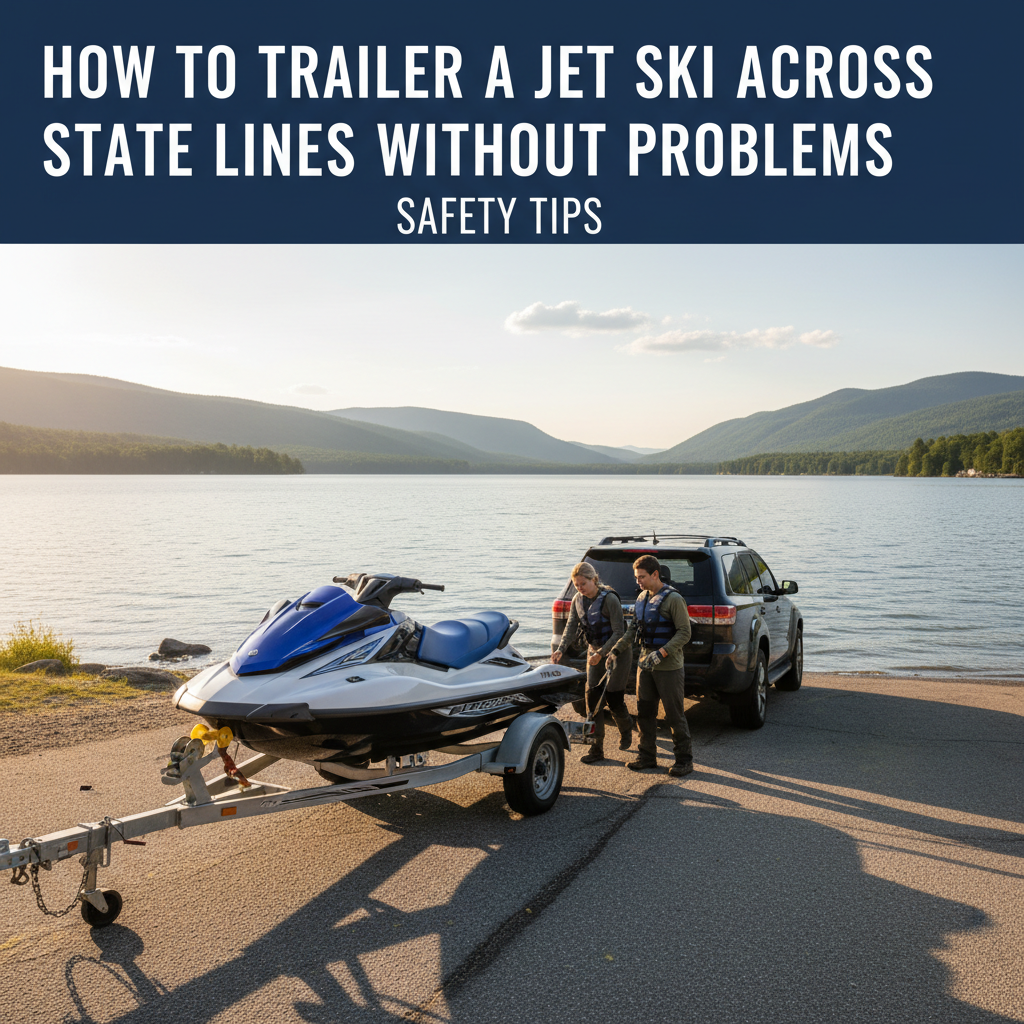
How to Trailer a Jet Ski Across State Lines Without Problems
Planning on trailering a jet ski interstate? This guide covers the essential legal requirements, safety checks, and driving tips to ensure your PWC arrives safely.

Jet Ski Laws by State: Age Limits, Licenses, and No-Wake Rules
Don't get fined on the water! Our 2026 guide to jet ski laws breaks down age limits, boater education, and no-wake rules by state so you can ride safely and legally.

Cold Water Jet Skiing: Wetsuits, Risks, and Shoulder-Season Riding
Don't let cooler temperatures end your PWC season. Our guide to cold water jet skiing covers the essential gear, safety protocols, and risks to extend your riding adventures.
Ready to Find Your Perfect Jet Ski?
Browse thousands of listings from trusted dealers nationwide