
Jet Ski Docking and Launching: Ramp Skills Every Owner Needs
Master the art of jet ski launching and docking with our expert guide. Learn pre-launch checklists, ramp etiquette, and step-by-step skills to ensure a safe and efficient day on the water.
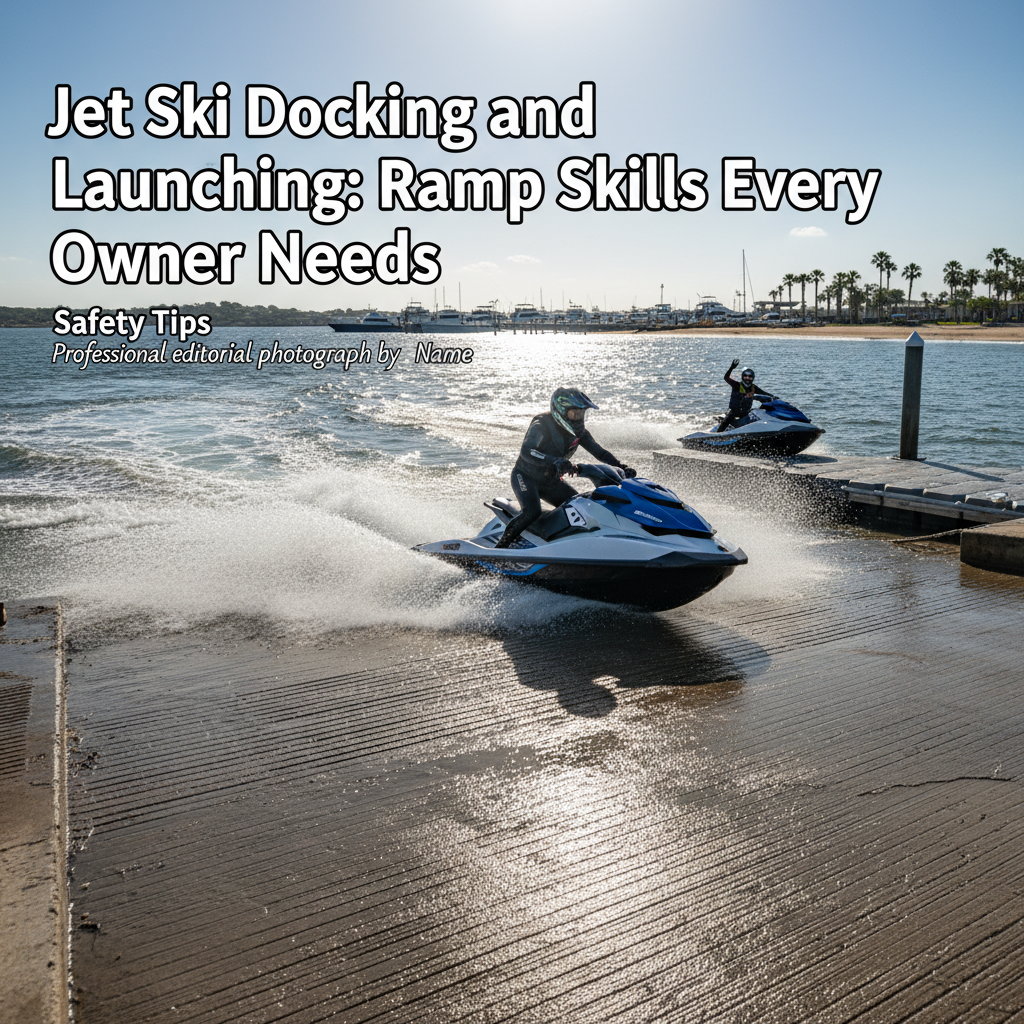
Jet Ski Launching and Docking: Ramp Skills Every Owner Needs
The thrill of hitting the open water on your personal watercraft (PWC) is an unmatched feeling. But before you can carve turns and feel the spray, you face a critical challenge: the boat ramp. For newcomers, a busy ramp can be intimidating, while even seasoned riders can benefit from refining their technique. Mastering the art of jet ski launching and docking isn't just about looking like a pro; it's about safety, efficiency, and protecting your investment. This comprehensive guide will walk you through every step, from pre-launch preparations to confidently retrieving your PWC, ensuring you spend less time on the ramp and more time on the water.
Pre-Launch Checklist: Setting Yourself Up for Success
A smooth day on the water begins long before you reach the shoreline. Proper preparation is the single most important factor in a stress-free launch. By taking care of key tasks at home and in the designated staging area, you avoid becoming 'that person' who holds up the entire ramp. Think of it as your pre-flight check for aquatic adventure.
At Home Preparation
Your journey to a successful jet ski launching experience starts in your driveway. A few minutes of prep here can save you major headaches later. First, perform a quick visual inspection of your PWC and trailer. Check the tire pressure on your tow vehicle and trailer, ensuring they are properly inflated for the load and distance. Test your trailer's brake lights, turn signals, and running lights to ensure they are all functional, a ticket is a surefire way to ruin the mood.
Next, gather all your essential gear. This includes your life jackets (one for each rider), the PWC's safety lanyard (kill switch), registration documents, dock lines, fenders, and a fire extinguisher. It's also wise to check your fuel and oil levels at home where it's easier and cleaner to top them off. Finally, attach your tow rope and any other water sports equipment securely. This simple routine prevents the frantic search for a missing item while a line of impatient boaters forms behind you.
At the Staging Area
Once you arrive at the launch site, bypass the ramp itself and pull into the designated staging or prep area. This is where you perform the final tasks before backing down. The number one rule of ramp etiquette is to do as much as possible away from the water. Start by removing the rear tie-down straps that secure your PWC's stern to the trailer. Leave the front winch strap and safety chain connected for now.
This is also the crucial moment to insert all drain plugs. Forgetting this step is a classic rookie mistake that can lead to a swamped engine bay. Load your gear, coolers, dry bags, and towels, onto the PWC. Connect the battery if you have a disconnect switch, and attach the safety lanyard to the kill switch, clipping the other end to your life jacket. A final walk-around to ensure everything is secure is always a good idea, especially on hot days when you might be rushing to cool off in places like those found when looking for jet skis for sale in Arizona.
The Art of a Smooth Jet Ski Launching Process
With your PWC prepped and ready, it's time to approach the ramp. The key here is confidence and communication. If you have a helper, briefly discuss the plan: who will drive the tow vehicle, who will handle the PWC, and what signals you'll use. When it's your turn, back your trailer down the ramp slowly and deliberately. Aim to keep the trailer as straight as possible. Using your side mirrors is essential; a good tip is to place your hand at the bottom of the steering wheel and move it in the direction you want the trailer to go.
Continue backing down until the PWC's stern begins to float. The ideal depth varies by ramp angle and watercraft, but generally, you want the trailer's rear rollers or bunks to be submerged, with the water level sitting about two-thirds of the way up the PWC. This allows the watercraft to float off easily without drifting away uncontrollably. Once in position, set the parking brake on your tow vehicle and put it in park.
Now, walk back to the PWC. Before you do anything else, board the jet ski and start the engine for a moment to ensure it runs properly. It is critical to do this *before* fully detaching it from the trailer. Once you've confirmed the engine is good to go, you can unhook the winch strap and the final safety chain. With the PWC untethered, a gentle push should be all it takes to slide it off the trailer and into the water. From there, move your PWC quickly and safely away from the ramp to a courtesy dock or a safe area offshore, allowing the next person to begin their own jet ski launching process.
Mastering PWC Docking and Retrieval
After a fantastic day of riding, the process reverses. Retrieving your jet ski requires the same level of care and planning as launching it. The goal is a one-and-done approach, aligning perfectly with the trailer on your first attempt. As you head back toward the ramp, take a moment to observe the conditions. Note any wind or current, as you'll need to compensate for them. Models with advanced braking and reverse systems, like many modern Sea-Doo personal watercraft, offer incredible low-speed maneuverability that makes this process much easier.
Approaching the Dock or Trailer
Whether you're returning to a floating dock or directly onto your trailer, the key is a slow and controlled approach. Idle speed is your best friend. Approach the ramp or dock at a shallow angle, preferably heading into the wind or current, which gives you more control. Use small, intermittent bursts of throttle to steer rather than maintaining constant power. As you get close, you can often shut the engine off and coast the final few feet, using your hands and feet to guide the PWC into place without a jarring impact.
When retrieving onto your trailer, the driver of the tow vehicle should have it backed into the same depth as it was for launching. Your goal is to ride the PWC directly between the bunks. Line yourself up from a good distance out (20-30 feet) and approach with just enough momentum to glide up and make contact with the trailer's bow stop. Avoid powering onto the trailer, as this can damage both the hull and the trailer itself. Some riders prefer to dismount in waist-deep water and simply walk the PWC onto the trailer for maximum control.
Securing Your Watercraft
Once the nose of your PWC is resting against the bow stop, your job in the water is done. Your helper on the ramp can immediately connect the winch strap and begin cranking the PWC snugly into place. Once the winch is tight, attach the safety chain as a backup. Only then should the driver slowly and steadily pull the vehicle and trailer up and out of the water. Pull completely clear of the ramp and into the staging area before performing the final steps.
In the staging area, you can take your time. Re-attach the rear tie-down straps, remove the drain plugs to let any water out, and secure all your gear for the drive home. This is also a great time to give your PWC a quick rinse with fresh water if available, especially after riding in saltwater. Following these steps for a proper jet ski launching and retrieval not only makes you a courteous member of the boating community but also extends the life of your equipment. It's a skill that becomes even more important as you consider upgrading and need to present your craft in the best light, a key part of our jet ski selling tips.
Boat Ramp Etiquette: The Unwritten Rules for 2026
A boat ramp's efficiency relies on a set of unwritten rules. Following proper etiquette ensures a smooth flow of traffic and a positive experience for everyone, especially on crowded weekends at popular spots from the Great Lakes, where you can find jet skis for sale in Michigan, to the desert lakes of the southwest. As we head into the 2026 season, these principles are more important than ever.
- Prepare in the Prep Area: As mentioned, this is the golden rule. Never use the ramp itself to load gear, remove straps, or insert drain plugs. Do it all in the designated staging zone.
- Be Efficient: When it's your turn, work purposefully. Have a plan and execute it without delay. This is where practicing your jet ski launching skills pays off.
- Offer a Hand: If you see someone struggling, especially a newcomer, offer friendly advice or a helping hand. A little kindness goes a long way in building a positive community.
- Don't Block the Ramp: Once your PWC is in the water, move it immediately to a courtesy dock or away from the launch area. Don't leave it tied up at the bottom of the ramp while you park your vehicle.
- Lights Out, Music Down: When launching or retrieving early in the morning or late at night, be mindful of neighbors. Turn off high-beams and keep music volume low.
- Watch Your Wake: When leaving the launch area, maintain a no-wake speed until you are well clear of the ramp, docks, and other boaters.
By adhering to these simple courtesies, you contribute to a safer and more enjoyable environment for all watercraft enthusiasts, whether they're on a classic Yamaha WaveRunner or the latest performance model.
Frequently Asked Questions About PWC Launching and Docking
What's the hardest part about launching a jet ski for the first time?
For most beginners, the most intimidating part is backing the trailer down the ramp straight. It feels counter-intuitive at first. The key is to make small steering corrections and use your mirrors effectively. Go slow, and don't be afraid to pull forward to straighten out and try again. Rushing is what causes mistakes.
Can you launch a jet ski by yourself?
Absolutely. While a helper makes it easier, a solo jet ski launching is very manageable with practice. The trick is to use a long bow line. After backing the trailer in, tie the line to the PWC and the other end to the trailer post or dock. Unhook the PWC, push it off, and it will be held by the line. You can then park your vehicle and return to retrieve your floating PWC. For more tips like this, check out our section for the latest jet ski news and guides.
How do I prevent my jet ski from hitting the dock?
The three keys are speed, angle, and fenders. Always approach a dock at idle speed, as slow as possible. Approach at a shallow angle (less than 30 degrees) so you can gently nudge alongside it rather than hitting it head-on. For extra protection, especially in windy or choppy conditions, use one or two PWC fenders between your watercraft and the dock to absorb any impact.
Perfect Your Skills and Find Your Next Ride
Mastering PWC docking and launching is a right of passage for every owner. It transforms a potentially stressful task into a smooth, satisfying routine. By following the steps of preparation, practicing a slow and controlled approach, and always observing ramp etiquette, you'll build the confidence to launch anywhere, from the busy waters of Lake Mead near where you can find jet skis for sale in Nevada to a quiet local lake. These skills not only ensure your safety but also protect your investment for years to come. When you're ready to find your first PWC or upgrade to your next adventure machine, JetSportsTrader.com is your ultimate resource. Take the next step and browse jet skis for sale to find the perfect watercraft for your next day on the water.
Ready to buy or sell? Explore the jet ski marketplace, jet ski valuation calculator, or sell your jet ski at Jet Sports Trader.
Related Articles
How to Trailer a Jet Ski Across State Lines Without Problems
Planning on trailering a jet ski interstate? This guide covers the essential legal requirements, safety checks, and driving tips to ensure your PWC arrives safely.

Jet Ski Laws by State: Age Limits, Licenses, and No-Wake Rules
Don't get fined on the water! Our 2026 guide to jet ski laws breaks down age limits, boater education, and no-wake rules by state so you can ride safely and legally.
Cold Water Jet Skiing: Wetsuits, Risks, and Shoulder-Season Riding
Don't let cooler temperatures end your PWC season. Our guide to cold water jet skiing covers the essential gear, safety protocols, and risks to extend your riding adventures.
Ready to Find Your Perfect Jet Ski?
Browse thousands of listings from trusted dealers nationwide