
Best Jet Ski Life Jackets and PFDs for Every Type of Rider
Find the best jet ski life jacket for your riding style in 2026. Our expert guide covers USCG types, neoprene vs. nylon, and how to get the perfect fit for maximum PWC safety.
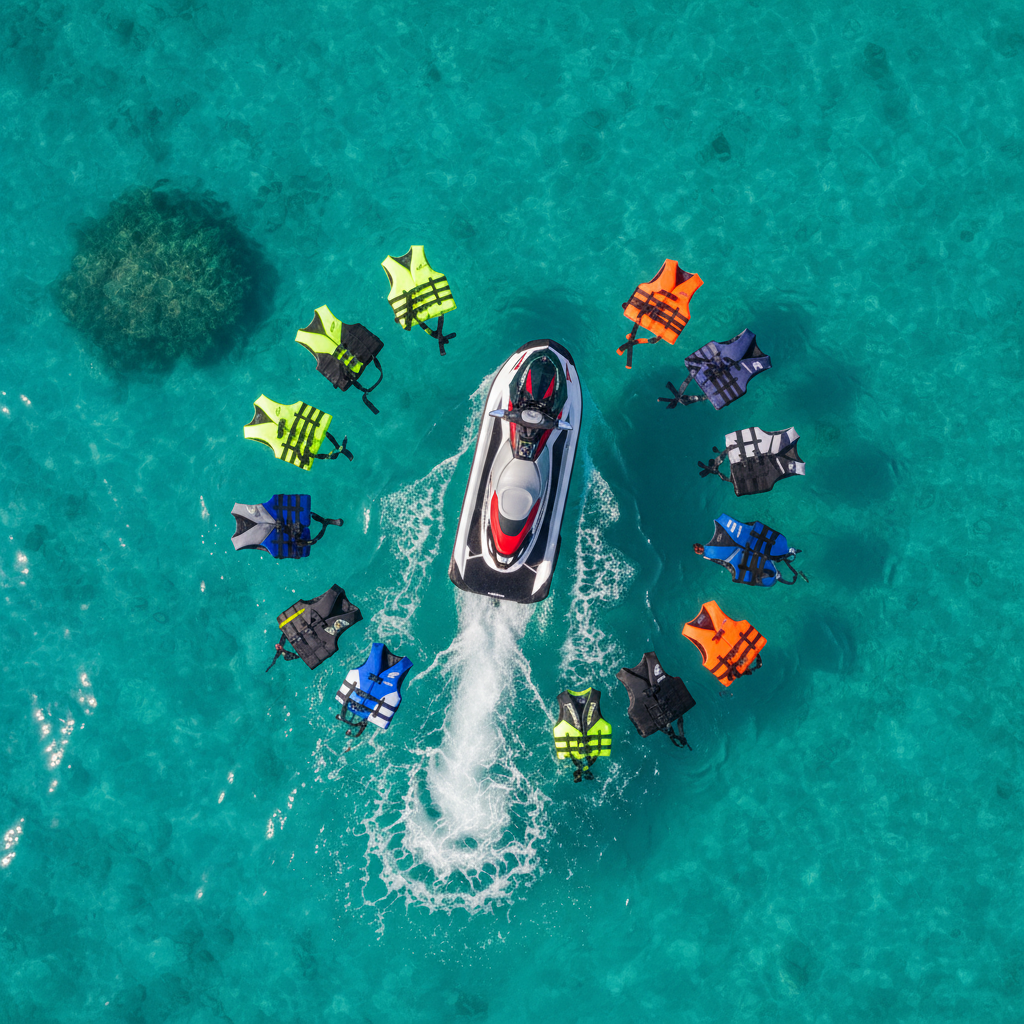
The Best Jet Ski Life Jackets and PFDs for Every Type of Rider in 2026
Hitting the water on your personal watercraft (PWC) is one of the most exhilarating experiences, but safety must always be the top priority. The single most important piece of safety equipment you will ever own is a high-quality, properly-fitting jet ski life jacket. It’s not just a recommendation; it’s the law. But with so many options on the market, how do you choose the right one? This guide will break down everything you need to know to select the perfect Personal Flotation Device (PFD) for your specific needs, ensuring you stay safe, comfortable, and compliant on the water in 2026.
Whether you're a seasoned pro on a high-performance machine or a family enjoying a leisurely weekend cruise, your life vest is your first line of defense in an emergency. We'll explore U.S. Coast Guard (USCG) classifications, compare the most common materials like neoprene and nylon, and recommend specific styles tailored to different types of riders. By the end of this article, you'll have the confidence to choose a jet ski life jacket that offers maximum safety without sacrificing comfort or mobility, letting you focus on the fun.
Understanding USCG Approval and PFD Types
Before you even consider color or style, the most critical factor is ensuring your PFD is U.S. Coast Guard Approved. A USCG-approved label, typically found on the inside of the vest, certifies that it meets strict standards for buoyancy, construction, and performance. Operating a PWC without a USCG-approved PFD for every person on board is illegal and incredibly dangerous. These devices are categorized into different 'Types,' and for PWC use, you'll primarily be dealing with Type III and sometimes Type V.
It's crucial to understand these classifications because they directly relate to the conditions you'll be riding in. A vest designed for calm inland lakes may not be suitable for rough coastal waters. For PWC operators, the vest must be rated for water sports and provide adequate impact protection, as falls can happen at high speeds. Never compromise on this fundamental safety requirement; your life could depend on it.
Type III vs. Type V PFDs Explained
Type III PFDs, or Flotation Aids, are the most common choice for recreational boaters and PWC riders. They are designed for conscious wearers in calm, inland waters where a quick rescue is likely. These vests are comfortable and allow for a good range of motion, which is essential for maneuvering a jet ski. They provide a minimum of 15.5 lbs of buoyancy and are designed to place the wearer in a vertical or slightly backward position in the water. While they offer excellent mobility for active sports, they are not designed to turn an unconscious person face-up.
Type V PFDs are special-use devices, and their label will specify the activity they are approved for, such as 'PWC,' 'waterskiing,' or 'paddling.' When worn for the specified activity, they offer performance equivalent to a Type I, II, or III PFD as stated on the label. Many modern, high-performance PWC vests fall into this category. They often feature enhanced impact protection, specialized pockets, and a more ergonomic fit tailored to the aggressive riding position on models like the latest Yamaha WaveRunners or high-speed Kawasaki jet skis.
Key Materials: Neoprene vs. Nylon Vests
The material of your jet ski life jacket significantly impacts its comfort, fit, and durability. The two dominant materials on the market are neoprene and nylon. While both can be used to construct a safe, USCG-approved vest, they offer very different experiences for the rider. Your choice will likely come down to budget, how often you ride, and your personal comfort preferences.
Nylon vests are the more traditional and budget-friendly option. They consist of a durable nylon outer shell filled with polyethylene foam. While highly effective and buoyant, they can be bulkier and less flexible than their neoprene counterparts. The straps on nylon vests can sometimes chafe during long rides, but for casual riders or those needing extra vests for occasional passengers, they are a practical and cost-effective solution.
Neoprene vests, on the other hand, are the premium choice for serious enthusiasts. This is the same material used in wetsuits, offering a soft, flexible, and form-fitting feel. The vest moves with your body, providing maximum mobility for dynamic riding and reducing the risk of chafing. Neoprene vests also tend to be more stylish and have a lower profile. If you spend long hours on the water, especially in hot climates like those found when riding on the lakes of Arizona, the added comfort and breathability of a neoprene jet skis for sale in Arizona are well worth the extra investment.
Choosing the Right Jet Ski Life Jacket for Your Riding Style
Not all PWC riding is the same, and your gear should reflect that. A family cruising on a calm lake has different needs than a racer competing on the open ocean. Matching your vest to your primary activity ensures you have the right balance of safety, comfort, and features. Let's look at the best options for three common rider profiles.
For the Casual Cruiser & Family Fun
If your PWC adventures involve leisurely rides, towing kids on a tube, or exploring calm bays, comfort and ease of use are paramount. For this type of rider, a well-fitting Type III nylon or a basic neoprene vest is an excellent choice. Look for vests with large armholes for freedom of movement and multiple adjustment straps to fit a variety of body types. Bright colors are also a great safety feature, making riders more visible to other boaters, a key consideration on busy waterways whether you're looking at jet skis for sale in Texas or enjoying the Great Lakes near Michigan.
For the Performance & Racing Enthusiast
When speed and agility are your goals, you need a vest that feels like a second skin. Performance riders and racers should exclusively look at high-end, form-fitting neoprene vests, often classified as Type V. These vests are designed for minimal bulk and maximum flexibility, allowing you to shift your weight and lean into turns without restriction. Key features to look for include:
- Segmented Foam Panels: Smaller, separate foam sections allow the vest to bend and flex with your torso.
- Impact Protection: Extra padding in the ribs and spine area can help absorb the shock from hitting the water at high speed.
- Secure Closure: A combination of a heavy-duty front zipper and two or more concealed belts ensures the vest stays put during aggressive maneuvers.
This type of high-performance jet ski life jacket is essential for getting the most out of today's powerful machines, which you can explore in our complete jet ski model directory.
For the Touring & Angling Adventurer
Riders who embark on long-distance tours or use their PWC for fishing have a unique set of requirements. Comfort over many hours is critical, as is utility. Look for touring or fishing-specific PFDs that include features like multiple pockets for storing safety gear (whistle, knife), a D-ring for attaching your engine cut-off lanyard, and mesh drainage panels to keep the vest from getting waterlogged. For those riding in cooler climates, like the waters around where you'd find jet skis for sale in Michigan, a slightly thicker neoprene can also provide a bit of extra warmth.
Getting the Perfect Fit: Sizing and Adjustment Guide
An ill-fitting life jacket is a dangerous life jacket. If it's too loose, it can ride up around your face in the water, obstructing your breathing, or even slip off completely. If it's too tight, it can restrict your movement and breathing, becoming uncomfortable and unsafe. Sizing is based on chest measurement in inches, not weight (except for children's vests).
To find your size, use a flexible measuring tape to measure the widest part of your chest. Compare this measurement to the manufacturer's sizing chart printed on the vest. Once you have the right size, try it on and make the following adjustments:
- Loosen all the straps before putting it on.
- Zip it up and then tighten all the straps, starting with the waist belt and working your way up. The vest should be snug but not restrictive.
- With your arms raised above your head, have someone pull up on the vest's shoulders. If it moves up past your nose or ears, it's too loose. Tighten the straps or try a smaller size.
Frequently Asked Questions
What type of life jacket is required for a jet ski?
The U.S. Coast Guard requires a USCG-approved Type I, II, or III life jacket for each person on board a personal watercraft. However, Type III PFDs are the most common and practical choice due to their comfort and the range of motion they provide, which is essential for safely operating a PWC. Some specialized Type V vests are also approved if the label specifies they are suitable for PWC use.
Can I use a wakeboarding or waterskiing vest on a jet ski?
Often, yes. Most vests designed for wakeboarding and waterskiing are Type III Flotation Aids, which meet the legal requirements for PWC use. They are designed for high-impact falls and offer excellent mobility, making them a great choice. Always double-check the inside label to confirm it is USCG-approved and doesn't have any restrictions against PWC use.
How do I care for and know when to replace my PFD?
Proper care extends the life of your PFD. After each use, especially in salt water, rinse it with fresh water and hang it to dry in a well-ventilated area away from direct sunlight, which can degrade the fabric and foam. You should inspect your vest before every ride for rips, tears, or signs of deterioration like brittle foam or faded material. If you see any damage, or if the foam feels compressed and has lost buoyancy, it's time to replace it immediately. There is no fixed expiration date, but a well-used vest may only last a few seasons.
Your Safety is Non-Negotiable
Choosing the right jet ski life jacket is the most important safety decision you'll make as a PWC owner. It's a piece of equipment that must be taken seriously. By understanding USCG types, selecting the right material for your comfort, and matching the vest style to your riding habits, you ensure a safer and more enjoyable experience on the water. Remember to check for a snug fit every time you ride and replace your vest at the first sign of wear and tear.
Your PFD is your ticket to fun and your lifeline in an emergency. Invest in a quality vest that you'll be happy to wear on every single trip. Now that you're equipped with the knowledge to stay safe, it's time for the fun part. If you're ready to find your next adventure, browse jet skis for sale on JetSportsTrader.com, the nation's premier marketplace for personal watercraft.
Ready to buy or sell? Explore the jet ski marketplace, jet ski valuation calculator, or sell your jet ski at Jet Sports Trader.
Related Articles
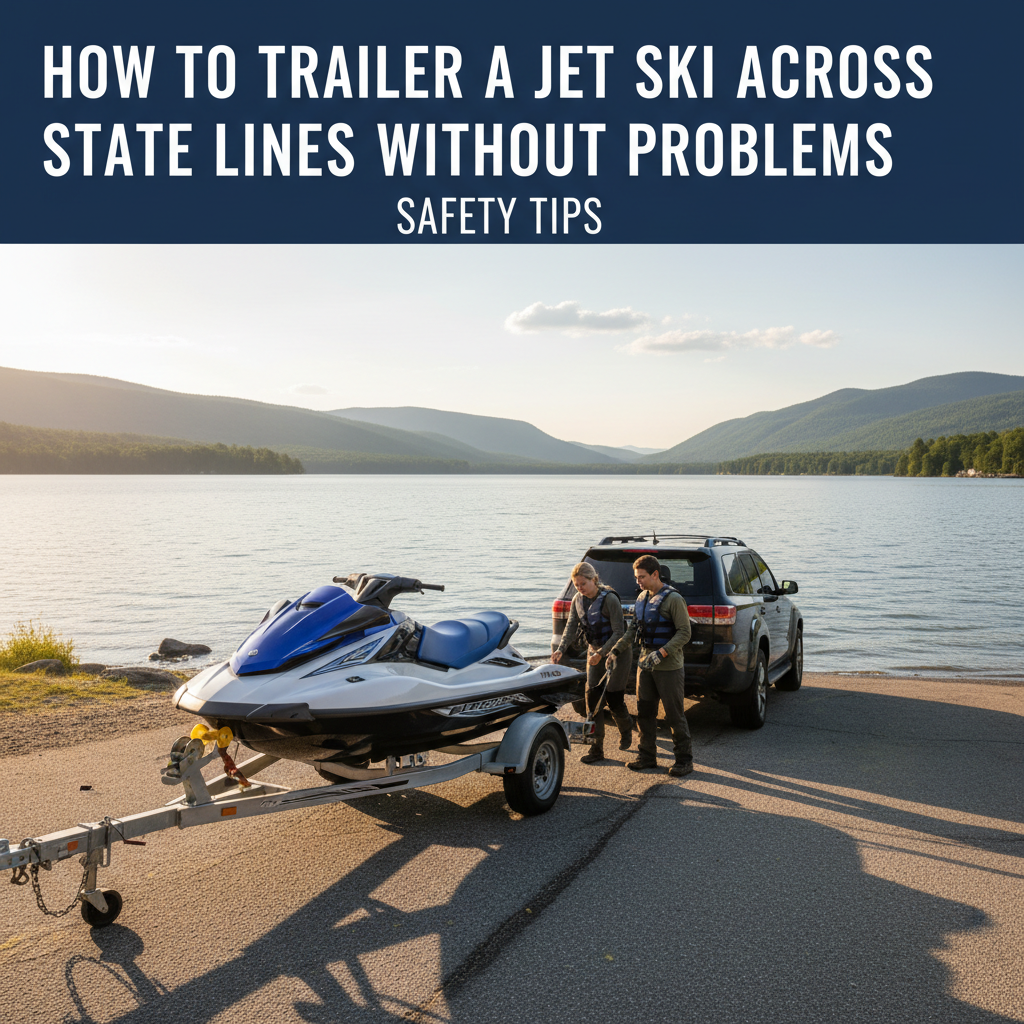
How to Trailer a Jet Ski Across State Lines Without Problems
Planning on trailering a jet ski interstate? This guide covers the essential legal requirements, safety checks, and driving tips to ensure your PWC arrives safely.

Jet Ski Laws by State: Age Limits, Licenses, and No-Wake Rules
Don't get fined on the water! Our 2026 guide to jet ski laws breaks down age limits, boater education, and no-wake rules by state so you can ride safely and legally.
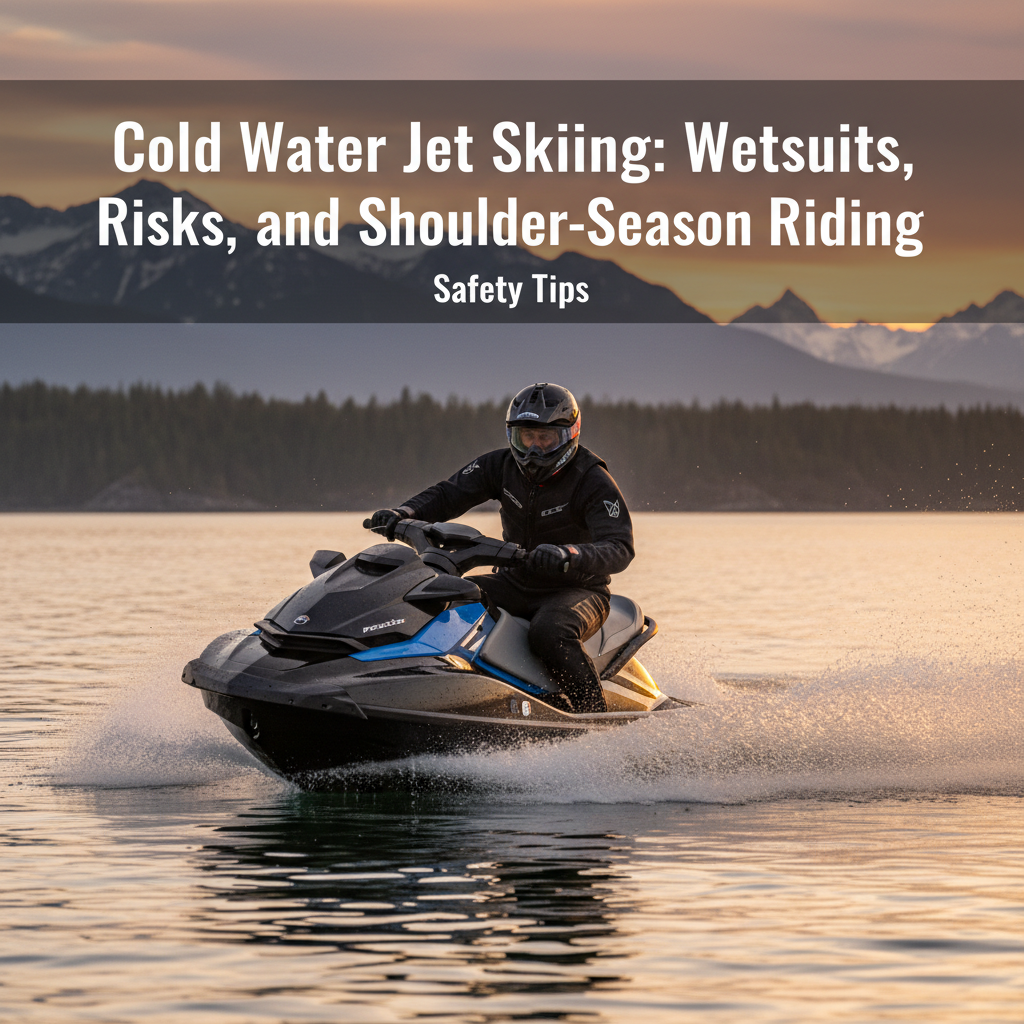
Cold Water Jet Skiing: Wetsuits, Risks, and Shoulder-Season Riding
Don't let cooler temperatures end your PWC season. Our guide to cold water jet skiing covers the essential gear, safety protocols, and risks to extend your riding adventures.
Ready to Find Your Perfect Jet Ski?
Browse thousands of listings from trusted dealers nationwide