Understanding Jet Ski Engine Types: 2-Stroke vs 4-Stroke Explained
Choosing your next PWC starts with its heart. We explain the key differences between jet ski engine types to help you decide between a 2-stroke and a 4-stroke.
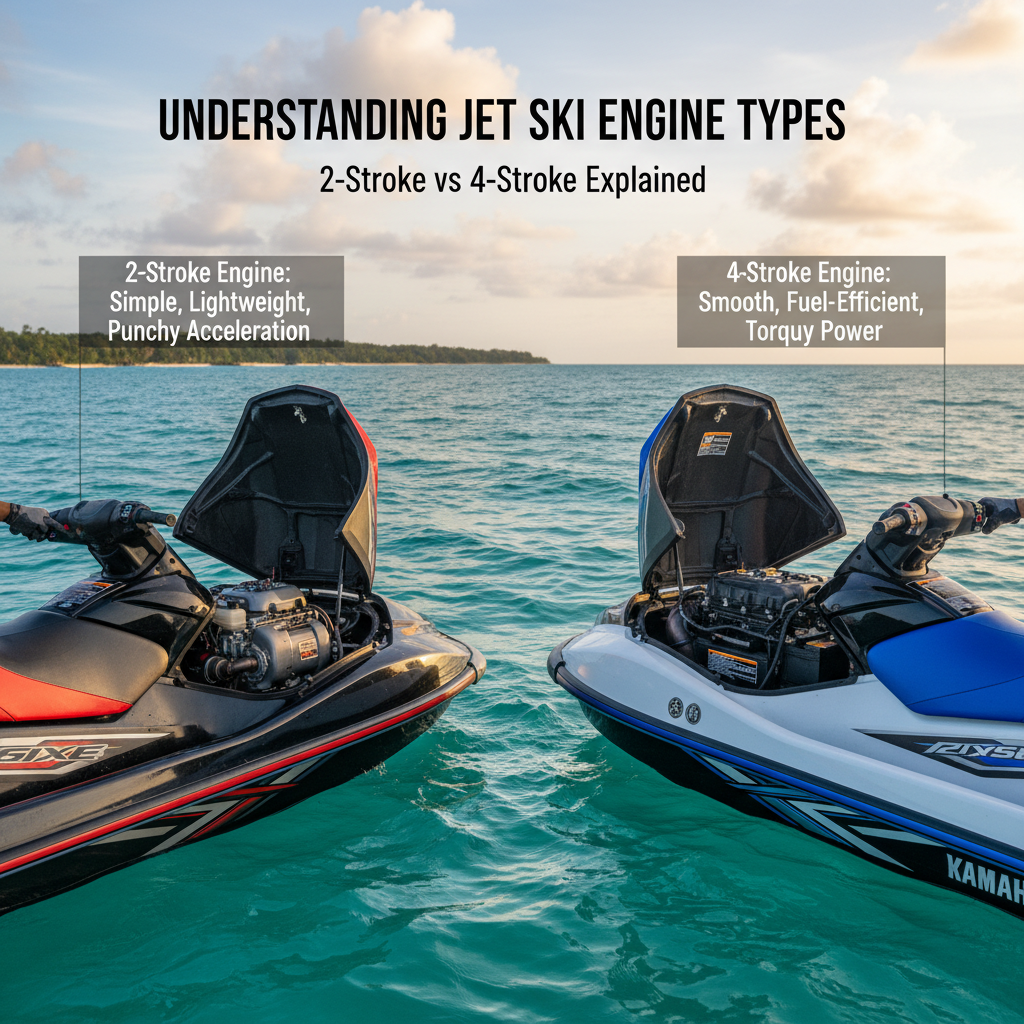
Understanding Jet Ski Engine Types: 2-Stroke vs 4-Stroke Explained
Choosing your next personal watercraft (PWC) involves many exciting decisions, from color and features to brand and size. However, the single most important component, the heart of the machine, is its engine. Understanding the fundamental differences in jet ski engine types is crucial for making an informed purchase that aligns with your budget, performance expectations, and maintenance comfort level. For decades, the market was dominated by two primary technologies: the classic 2-stroke and the modern 4-stroke. This guide will demystify these engine platforms, explaining how they work, their distinct advantages and disadvantages, and ultimately help you decide which is the perfect fit for your on-the-water adventures.
The Classic Powerhouse: A Deep Dive into 2-Stroke Engines
For many veteran riders, the sharp, snappy sound and distinct smell of a 2-stroke engine is pure nostalgia. These engines powered the PWC boom of the 80s and 90s, known for their incredible power-to-weight ratio and simpler mechanical design. Though largely phased out of new production models due to environmental regulations, they remain a significant part of the pre-owned market and are beloved by a dedicated community of enthusiasts. If you're browsing for used jet skis for sale, you will undoubtedly encounter many 2-stroke options.
How a 2-Stroke Engine Works
The name "2-stroke" refers to the two movements (one up, one down) of the piston required to complete a full power cycle. It's a marvel of efficiency in motion. In the first stroke, the piston moves upward, compressing the air-fuel mixture in the combustion chamber while simultaneously drawing a fresh mixture into the crankcase below. As the spark plug ignites the compressed mixture, the resulting explosion drives the piston downward for the second stroke. This downward motion not only provides power to the driveshaft but also forces the new air-fuel mixture from the crankcase up into the combustion chamber, pushing out the exhaust gases from the previous cycle. This entire process happens in a single revolution of the crankshaft, which is key to its punchy performance. A critical aspect of this design is that lubrication is achieved by mixing oil directly with the gasoline, which is then burned off during combustion.
Pros and Cons of 2-Stroke Jet Skis
The simple design of a 2-stroke engine leads to its core benefits. With fewer moving parts (no valves, cams, or timing chains), they are significantly lighter and generally easier and cheaper to rebuild. This lightweight nature gives them an explosive power-to-weight ratio, resulting in lightning-fast acceleration and a nimble, playful feel on the water. For DIY mechanics, the relative simplicity can be a major draw, as many repairs and even full engine rebuilds can be tackled in a home garage. However, these benefits come with notable drawbacks. Burning oil with fuel makes them far less environmentally friendly, leading to their ban in some waterways and their disappearance from new model lineups. They are also less fuel-efficient, produce more noise, and create more vibrations than their 4-stroke counterparts. The constant need to add expensive 2-stroke oil can also add to the running costs over a season.
The Modern Standard: Exploring 4-Stroke Engine Technology
Since the early 2000s, 4-stroke engines have become the undisputed standard for all major PWC manufacturers like Sea-Doo, Yamaha, and Kawasaki. Driven by stricter emissions standards from the EPA and a consumer demand for more reliable, quieter, and car-like engine characteristics, the 4-stroke has completely reshaped the industry. As of 2026, virtually every new PWC you can buy is powered by a sophisticated 4-stroke engine, offering a wide range of power from entry-level models to fire-breathing supercharged machines.
How a 4-Stroke Engine Works
A 4-stroke engine operates much like the engine in your car, completing a power cycle in four distinct piston strokes (intake, compression, power, exhaust). This requires two full revolutions of the crankshaft. First, the intake stroke draws an air-fuel mixture into the cylinder. Second, the compression stroke squeezes that mixture. Third, the power stroke occurs when the spark plug ignites the mixture, forcing the piston down. Finally, the exhaust stroke pushes the burnt gases out of the cylinder. This more complex, controlled process is managed by a series of valves operated by a camshaft. Lubrication is handled by a self-contained oil system, with oil residing in a pan at the bottom of the engine, completely separate from the fuel. This is the key reason 4-strokes are so much cleaner and more efficient.
Advantages and Disadvantages of 4-Stroke PWCs
The primary advantages of 4-stroke jet ski engine types are numerous. They are significantly quieter, produce far fewer emissions, and offer superior fuel economy. This makes them ideal for long-distance touring and family-friendly outings. They also deliver a smoother, more linear powerband with more low-end torque, which is great for towing tubes or wakeboarders. Reliability is generally higher, and they require less frequent major service, though routine maintenance like oil changes is critical. The main disadvantages are weight and complexity. The additional parts, valves, camshafts, timing chains, add considerable weight and make major engine work more complex and expensive. A catastrophic failure on a 4-stroke is often a much costlier repair than on a 2-stroke.
Head-to-Head Comparison: Performance, Maintenance, and Cost
Choosing between these two engine philosophies often comes down to a direct comparison of their key attributes. While the market has largely shifted to 4-stroke technology, a solid understanding of a 2-stroke's characteristics is vital, especially when shopping for a budget-friendly or second PWC. Let's break down the differences in a clear format.
Here is a direct comparison of the most important factors:
- Performance Feel: 2-strokes are known for their snappy, explosive acceleration and a very connected, raw feel. 4-strokes, especially naturally aspirated ones, deliver smoother, more predictable power. Supercharged 4-stroke models, however, offer breathtaking top speeds and relentless acceleration that surpasses even the most powerful 2-strokes.
- Fuel Economy: This is a clear win for the 4-stroke. A modern 4-stroke PWC can be up to 50% more fuel-efficient than a comparable 2-stroke, which means more time on the water and less money spent at the pump.
- Maintenance: 2-strokes require you to constantly add specific 2-stroke oil, but major repairs can be simpler and cheaper. 4-strokes require regular automotive-style oil and filter changes. While generally more reliable day-to-day, if something major does go wrong, repairs are complex and best left to professionals you can find trusted dealers near you for.
- Noise and Emissions: 4-strokes are vastly superior in this regard. They are quiet enough to hold a conversation while cruising and produce minimal smoke and emissions. 2-strokes have a loud, high-pitched whine and produce visible blue smoke, which has led to them being banned on certain lakes and in some states.
- Longevity: A well-maintained 4-stroke engine can often last longer before needing a major rebuild, sometimes reaching 500-1000+ hours. 2-stroke engines typically require a top-end rebuild more frequently, often in the 200-300 hour range, although this can vary greatly with use and maintenance.
Which Jet Ski Engine Type is Right for You in 2026?
With the market as it stands today, the choice has become clearer for most buyers. For the vast majority of riders, a 4-stroke engine is the superior choice. If you are a family looking for a reliable machine, a long-distance cruiser who values fuel economy, or a performance junkie seeking the highest top speeds, a 4-stroke PWC is your answer. The improved reliability, lower emissions, and quieter operation are benefits that appeal to the modern rider. In states with strict environmental laws, like those browsing for jet skis for sale in California, a 4-stroke is essentially the only option for accessing all public waterways.
However, a 2-stroke PWC still has its place. If you are on a tight budget, a mechanically-inclined enthusiast who enjoys tinkering, or someone who wants a lightweight, nimble ski for tricks and freestyle riding, a used 2-stroke can be an excellent and affordable option. They offer a unique riding experience that many find more engaging and exciting. For riders in states with large, open bodies of water and fewer restrictions, like those looking at jet skis for sale in Texas, a well-maintained 2-stroke can still provide endless fun. Ultimately, the decision comes down to your priorities: modern convenience and reliability versus nostalgic fun and lower entry cost.
Frequently Asked Questions About Jet Ski Engine Types
Are 2-stroke jet skis still being made?
No, major manufacturers like Sea-Doo, Yamaha, and Kawasaki have not produced a mainstream 2-stroke sit-down PWC for many years, primarily due to EPA emissions regulations. The only new 2-stroke watercraft still in production are some niche stand-up and freestyle models. The vast majority of 2-stroke skis are found on the used market.
Is a supercharged 4-stroke engine worth the extra cost?
A supercharger is essentially a belt-driven compressor that forces more air into the engine, allowing it to burn more fuel and create significantly more horsepower. For performance enthusiasts who crave the fastest acceleration and highest top speeds, it is absolutely worth it. However, it comes with a higher purchase price, increased fuel consumption (premium fuel is required), and additional maintenance requirements, including supercharger rebuilds at specific service intervals (typically every 100-200 hours).
How can I tell if a used jet ski is a 2-stroke or 4-stroke?
There are several easy ways to tell. The easiest is to look for an engine oil dipstick; if it has one, it's a 4-stroke. You can also look for a separate reservoir for 2-stroke oil injection, usually with a blue or green cap. A 2-stroke will have a very distinct, high-pitched, and raspy engine sound, while a 4-stroke sounds deeper and smoother, much like a small car or motorcycle engine. Finally, a quick search of the model year and name online will instantly clarify which of the jet ski engine types it has.
Whether you're drawn to the classic appeal of a 2-stroke or the modern sophistication of a 4-stroke, understanding these core differences empowers you to make the best choice. When you're ready to take the next step, you can browse jet skis for sale from sellers across the country. And if this guide has inspired you to upgrade from your current model, we make it easy to sell your jet ski and find its next happy owner. Happy riding!
Ready to buy or sell? Explore the jet ski marketplace, browse jet skis for sale, or jet ski valuation calculator at Jet Sports Trader.
Related Articles
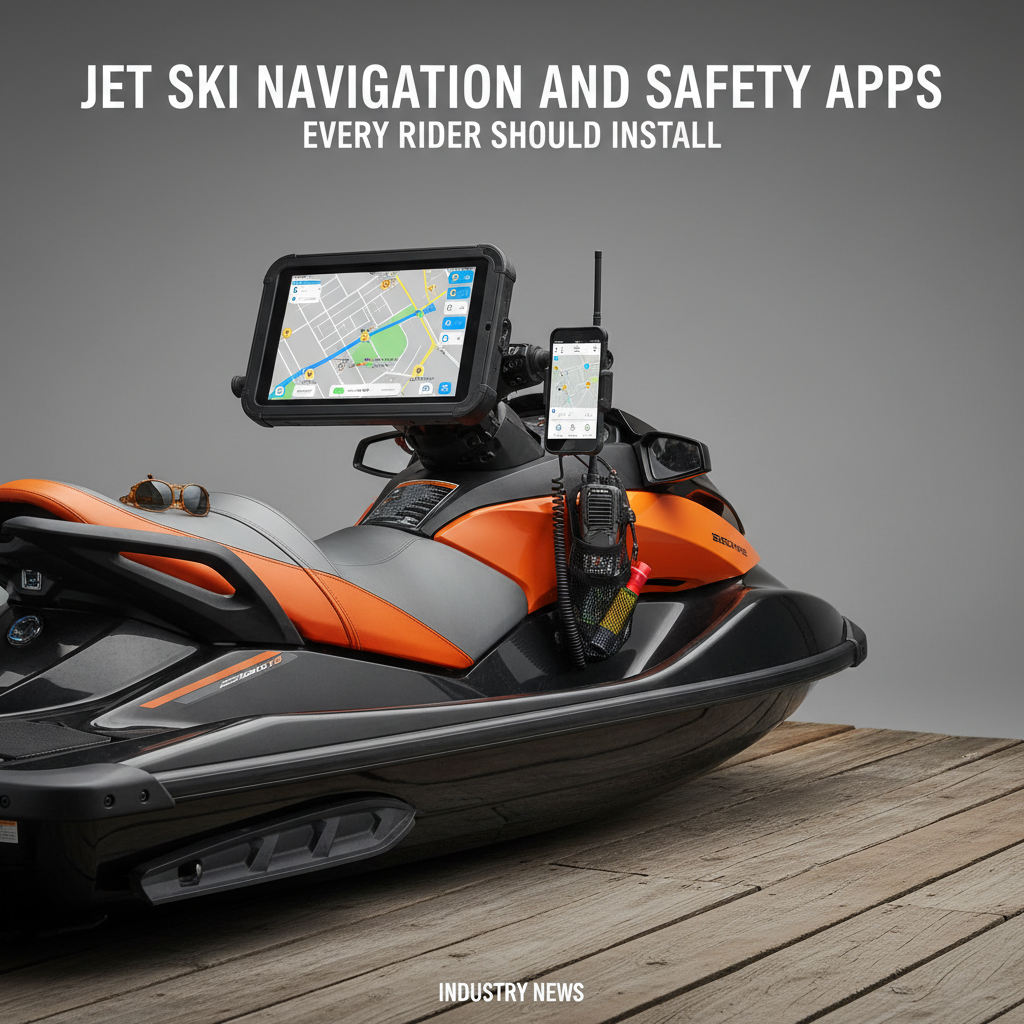
Jet Ski Navigation and Safety Apps Every Rider Should Install
Unlock a safer, more exciting ride with the top jet ski apps for 2026. This guide covers the essential navigation, weather, and safety tools every PWC rider needs on their phone.
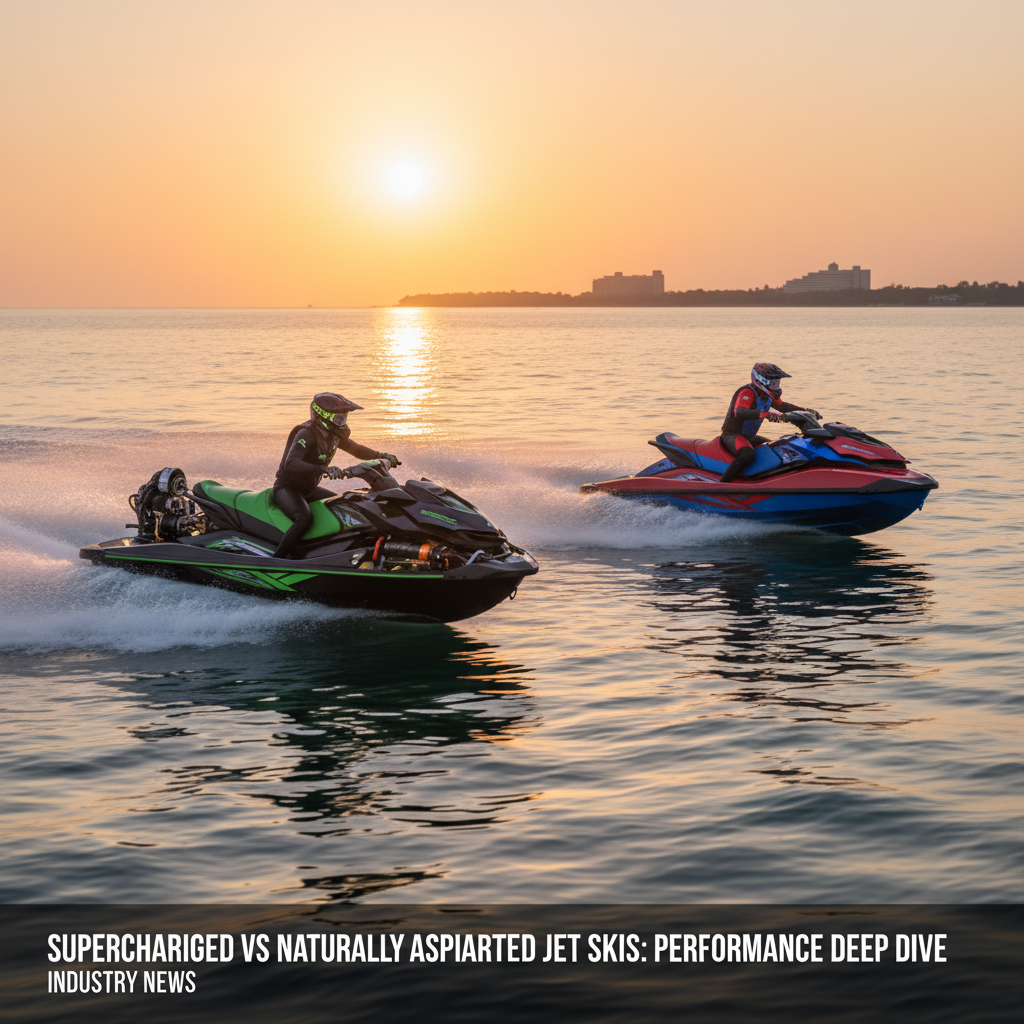
Supercharged vs Naturally Aspirated Jet Skis: Performance Deep Dive
Is a supercharged jet ski right for you? This deep dive compares supercharged vs naturally aspirated PWC performance, cost, and maintenance to help you choose the perfect ride.
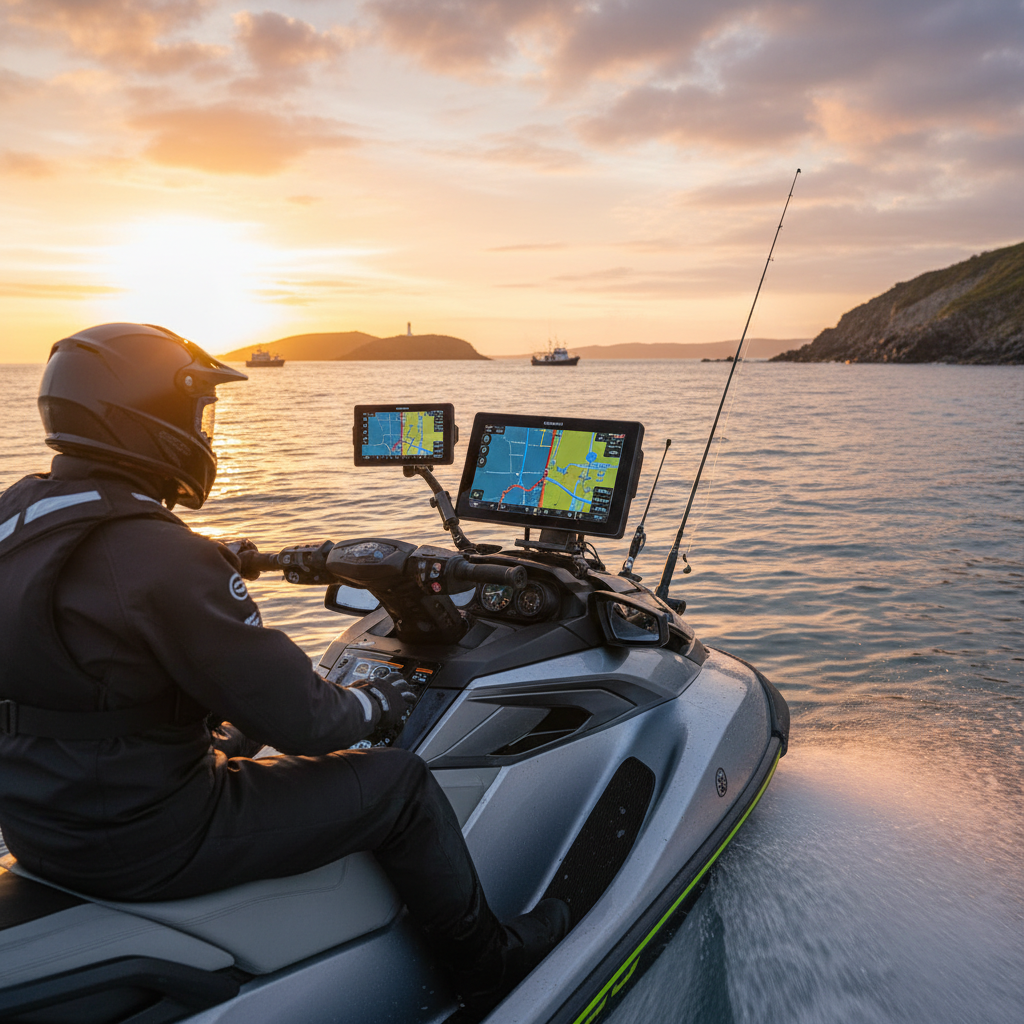
How GPS and Fish Finders Are Revolutionizing Jet Ski Adventures
Discover how a jet ski GPS and fish finder can revolutionize your PWC adventures. This 2026 guide covers everything from choosing a unit to advanced navigation techniques.
Ready to Find Your Perfect Jet Ski?
Browse thousands of listings from trusted dealers nationwide