
The Rise of Electric Personal Watercraft: Future of Water Sports
The electric jet ski is revolutionizing water sports with silent operation and instant torque. Discover the pros, cons, and top models of 2026 before you buy your next PWC.
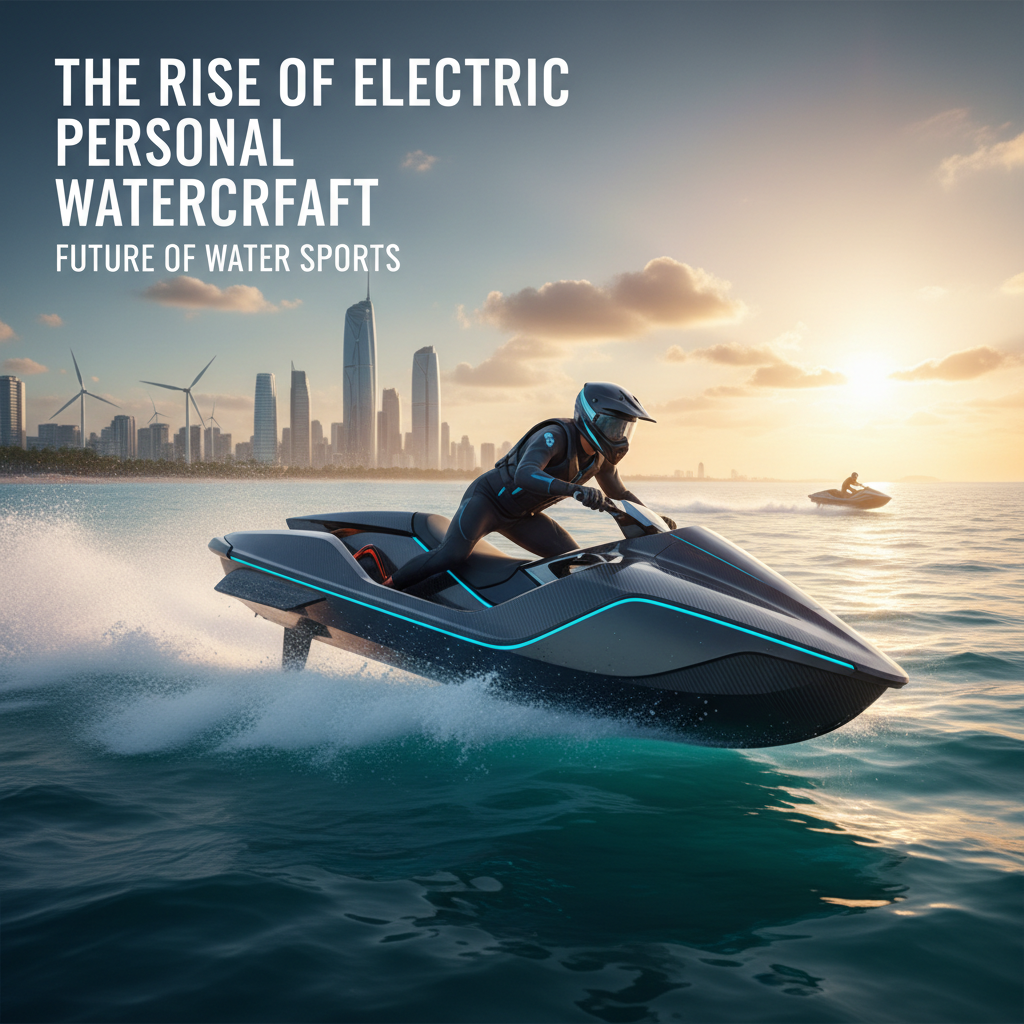
The Rise of the Electric Jet Ski: The Quiet Revolution of Water Sports
The familiar roar of a two-stroke engine across the water has long been the soundtrack of summer. But a quiet revolution is underway, and it's powered by batteries. The electric jet ski is no longer a futuristic concept; it's a rapidly evolving reality that is poised to redefine the world of personal watercraft. As technology advances and environmental consciousness grows, these silent powerhouses are capturing the attention of both seasoned riders and newcomers to the sport. This guide will dive deep into the exciting world of the electric personal watercraft (e-PWC), exploring the benefits, current market landscape, inherent challenges, and what the future holds for this thrilling new chapter in water sports.
Why Electric Personal Watercraft are Making Waves
The buzz surrounding the electric jet ski isn't just about being new; it's about offering a fundamentally different and, in many ways, improved riding experience. The advantages extend beyond just the powertrain, touching on performance, environmental impact, and long-term ownership costs. For many riders, these benefits are compelling enough to consider making the switch from traditional gasoline models. The shift represents a significant leap forward in PWC technology, promising a cleaner, quieter, and more exhilarating way to enjoy the water.
Unmatched Performance: Instant Torque and Acceleration
Unlike internal combustion engines that need to build revs to reach peak power, electric motors deliver 100% of their torque instantly. The moment you squeeze the throttle on an electric jet ski, you are met with immediate, neck-snapping acceleration. This creates a sensation of being launched across the water that even high-performance supercharged gas models struggle to replicate from a standstill. This instant response makes for an incredibly playful and connected riding experience, whether you're carving sharp turns or rocketing across a calm bay. The linear power delivery is smooth, predictable, and utterly exhilarating for riders of all skill levels.
Eco-Friendly and Quiet Operation
Perhaps the most celebrated advantage of e-PWCs is their minimal environmental footprint. With zero exhaust emissions, they don't release hydrocarbons or carbon monoxide into the air or water. This is a game-changer for ecologically sensitive areas and is leading some lakes and waterways, previously closed to PWCs, to permit electric models. The other major factor is noise. The loud whine and roar of a gas engine is replaced by the gentle hum of an electric motor and the sound of the craft slicing through the water. This profound reduction in noise pollution is not only more pleasant for the rider and surrounding people but also less disruptive to wildlife, opening up new possibilities for nature exploration on your PWC.
Lower Maintenance and Running Costs
An electric powertrain has drastically fewer moving parts than a gasoline engine. This translates directly into significantly reduced maintenance requirements. Say goodbye to oil changes, spark plug replacements, fuel filter swaps, and complex engine winterization procedures. The simplicity of the electric motor means fewer potential points of failure and less time in the shop. While the upfront cost may be higher, the long-term savings on fuel and maintenance can be substantial. Charging an e-PWC with electricity from home is significantly cheaper than filling a tank with marine-grade gasoline, making every hour on the water more affordable.
The Current State of the Electric Jet Ski Market in 2026
While the market is still in its infancy compared to the established giants, the electric PWC space is vibrant and growing. As of 2026, a few key players have established themselves as pioneers, offering compelling products that showcase the potential of electric propulsion on the water. Taiga Motors is arguably the leader with its Orca series, which comes in Sport, Performance, and Carbon models. These craft boast impressive acceleration, with the high-end models hitting speeds over 65 mph and offering a range of around two hours of mixed riding. Another notable name is Narke, with its GT95 Electrojet, a luxury craft focused on high-end design and materials. While major manufacturers like Sea-Doo, Yamaha, and Kawasaki have showcased concepts, they have yet to release a mass-market electric model, leaving the field open for these innovative startups. As you browse for personal watercraft for sale, you'll see these new electric options appearing alongside their gas-powered cousins, though often with a premium price tag reflecting their cutting-edge technology.
Overcoming the Hurdles: Challenges Facing E-PWC Adoption
Despite the numerous advantages, the path to widespread adoption for the electric jet ski is not without its obstacles. These challenges are the primary reason why the traditional PWC market remains dominant for now. The first major hurdle is range anxiety and charging time. While a gas PWC can be refueled in minutes, an e-PWC requires several hours to fully recharge. This requires more planning for a full day on the water, and the typical range of 1.5 to 2 hours may not be sufficient for long-distance touring riders. Secondly, the charging infrastructure at marinas and public launches is still severely lacking. Unlike the plentiful gas docks, dedicated, high-speed marine chargers are a rarity. Finally, the initial purchase price is a significant barrier. Electric PWCs currently command a premium of 25-50% or more over comparable gas models. While long-term costs are lower, the high upfront investment is a major consideration for many buyers. For those not yet ready to be early adopters, the market for used jet skis for sale offers incredible value and proven performance.
Gas vs. Electric: A Head-to-Head Comparison for Buyers
Choosing between a traditional gas PWC and a new electric model in 2026 depends entirely on your priorities as a rider. Each has distinct pros and cons that will appeal to different users. This decision is a crucial part of the process, which is why consulting a comprehensive jet ski buying guide is always recommended. For riders in states with strict environmental laws, like those searching for jet skis for sale in California, an electric model might offer access to more waterways. In high-volume markets like the one for jet skis for sale in Florida, the convenience of gas is still a major factor. Here’s a breakdown of the key differences:
- Performance: Electric offers superior initial acceleration and instant torque. Gas models often still have a higher top speed and a more familiar power band for experienced riders.
- Noise Level: Electric is whisper-quiet, allowing for conversation and enjoyment of nature. Gas is loud, which some riders associate with power and excitement.
- Environmental Impact: Electric has zero operating emissions and is better for water and air quality. Gas engines, even modern four-strokes, produce emissions and can leak fuel or oil.
- Maintenance: Electric requires minimal maintenance, primarily involving battery care and checking for hull integrity. Gas requires regular, ongoing engine service and winterization.
- Range & Refueling: Gas offers a longer range and can be refueled in minutes at any waterside gas dock. Electric has a more limited range and requires hours to recharge, often needing to be trailered to a charging source.
- Upfront Cost: Electric models carry a significant price premium. Comparable gas-powered PWCs are much more affordable to purchase initially.
Frequently Asked Questions about the Electric Jet Ski
As this new technology gains traction, many potential buyers have questions. Here are answers to some of the most common inquiries about the modern electric PWC.
How fast can an electric jet ski go?
Performance varies by model, but current high-end electric jet skis are impressively fast. The Taiga Orca Carbon, for example, can reach a top speed of around 65 mph (104 km/h), which is competitive with many supercharged gasoline models. The primary performance advantage, however, isn't just top speed but the blistering 0-30 mph acceleration, which is often faster than their gas counterparts due to instant torque.
What is the average range and charge time for an e-PWC?
On average, you can expect about 1.5 to 2 hours of mixed riding on a single charge. This can vary greatly depending on your riding style, aggressive, high-speed riding will deplete the battery much faster than cruising at a moderate pace. Standard Level 2 charging (240v) typically takes 3-5 hours for a full charge. DC fast charging, where available, can charge the battery to 80% in as little as 30-40 minutes, but this technology is not yet common at most launch points.
Are electric jet skis worth the higher price?
Whether an electric jet ski is 'worth it' is a personal calculation. If you value silent operation, instant acceleration, minimal maintenance, and a reduced environmental impact, the premium price may be justified. The long-term savings on fuel and service can also help offset the initial cost over several years of ownership. However, if maximum range, fast refueling, and a lower initial purchase price are your top priorities, a traditional gas-powered PWC may still be the better choice for you in 2026.
The Future is Electric: What's Next for Personal Watercraft?
The rise of the electric jet ski is not a passing trend; it's the beginning of a paradigm shift. Looking ahead, the technology will only get better. We can expect significant advancements in battery density, leading to longer range and lighter craft. The development of solid-state batteries could revolutionize the industry, offering faster charging, enhanced safety, and even greater performance. As charging infrastructure expands and the major manufacturers inevitably enter the market, prices will become more competitive and options will multiply. Keep an eye on the latest jet ski news and guides to stay informed on this rapidly advancing front. The quiet hum of the electric motor is the sound of the future, and it's coming to a waterway near you. Whether you're ready to embrace the electric revolution today or are looking for a trusted gas model, JetSportsTrader.com is your ultimate resource for navigating the exciting world of personal watercraft.
Ready to buy or sell? Explore the jet ski marketplace, browse jet skis for sale, jet ski valuation calculator, or sell your jet ski at Jet Sports Trader.
Related Articles
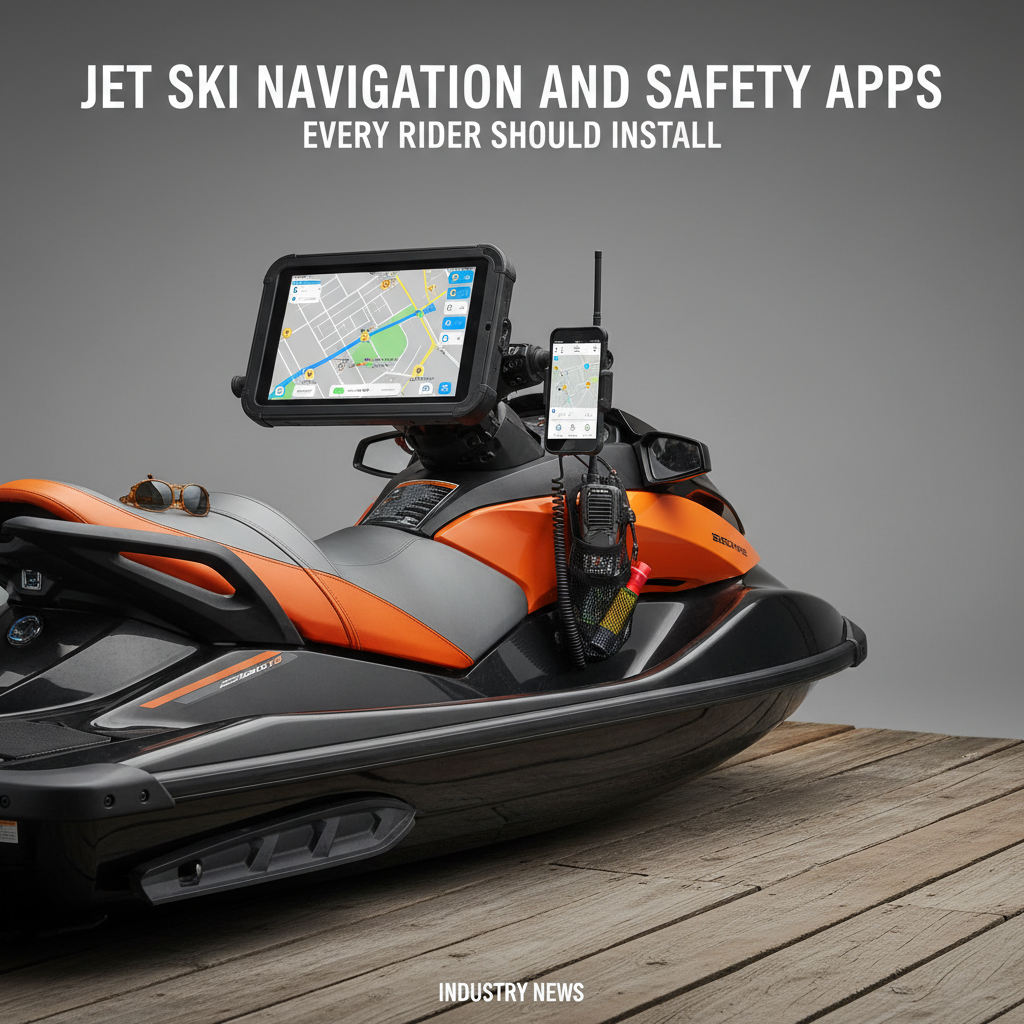
Jet Ski Navigation and Safety Apps Every Rider Should Install
Unlock a safer, more exciting ride with the top jet ski apps for 2026. This guide covers the essential navigation, weather, and safety tools every PWC rider needs on their phone.
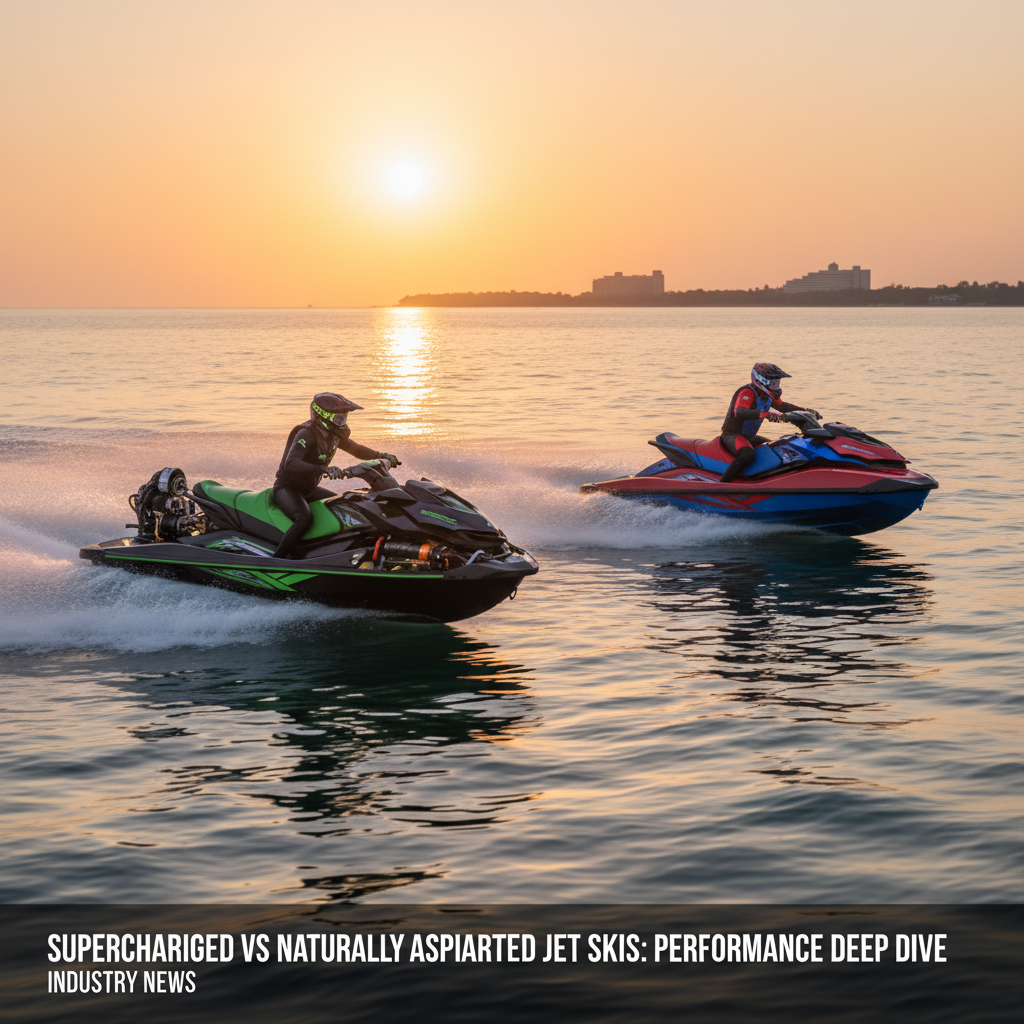
Supercharged vs Naturally Aspirated Jet Skis: Performance Deep Dive
Is a supercharged jet ski right for you? This deep dive compares supercharged vs naturally aspirated PWC performance, cost, and maintenance to help you choose the perfect ride.
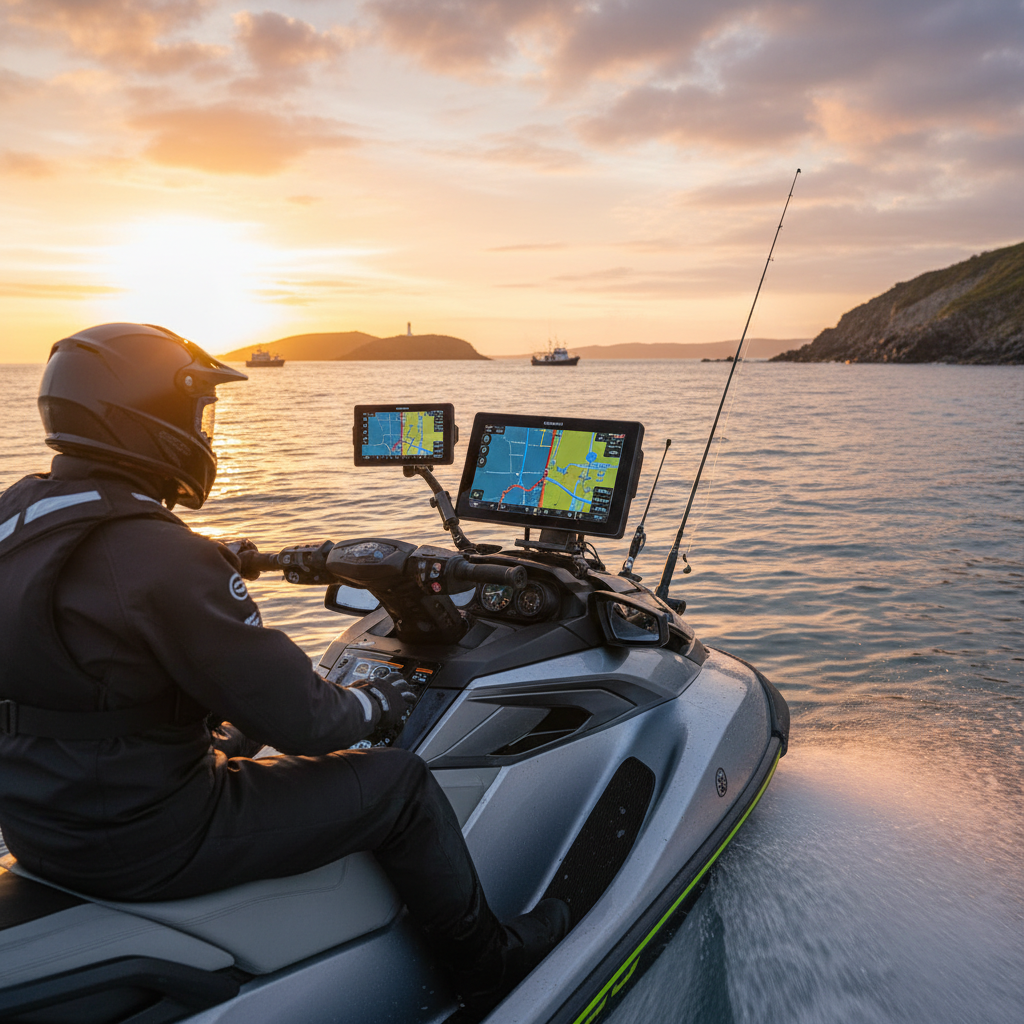
How GPS and Fish Finders Are Revolutionizing Jet Ski Adventures
Discover how a jet ski GPS and fish finder can revolutionize your PWC adventures. This 2026 guide covers everything from choosing a unit to advanced navigation techniques.
Ready to Find Your Perfect Jet Ski?
Browse thousands of listings from trusted dealers nationwide