
Environmental Impact of Personal Watercraft: Separating Myths from Facts
Curious about the jet ski environmental impact? We separate myth from fact, exploring how modern 4-stroke engines have made PWC riding far more sustainable than you might think.
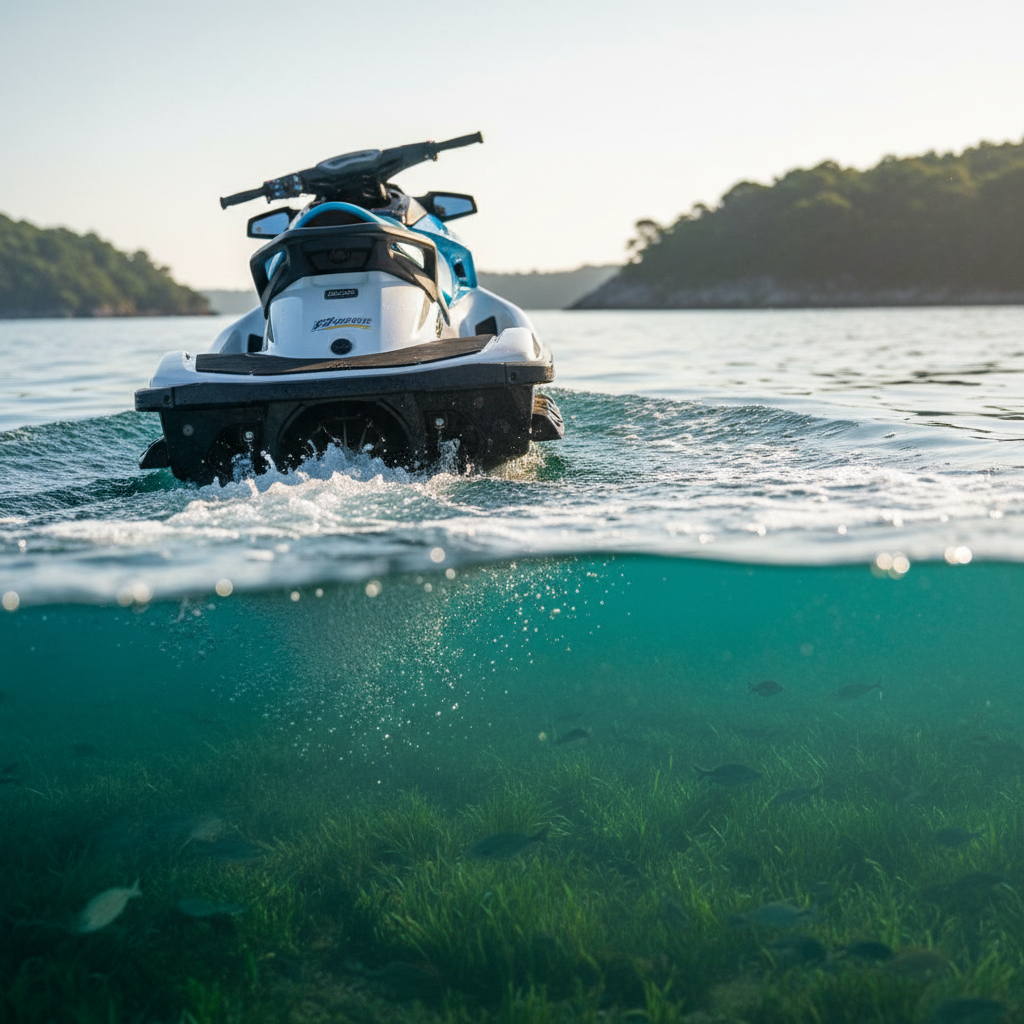
Jet Ski Environmental Impact: Separating Myths from Facts
The thrill of gliding across the water on a personal watercraft (PWC) is an experience many cherish. However, this popular pastime often comes with questions and concerns about the jet ski environmental impact. For years, outdated information and myths have clouded the conversation, painting a picture that doesn't reflect the significant technological advancements in the industry. This article will separate fact from fiction, providing a clear, up-to-date look at how modern PWCs interact with our aquatic ecosystems. We'll explore the evolution from noisy, less efficient two-strokes to the clean, quiet four-stroke engines of 2026, and give you actionable tips for responsible riding. Whether you're a seasoned rider in a busy area like those looking for jet skis for sale in Florida or a newcomer curious about the sport, you'll gain a comprehensive understanding of the real environmental footprint of today's jet skis.
The Old Reputation vs. Modern Reality
Much of the negative perception surrounding PWC emissions stems from the era of conventional two-stroke engines, which dominated the market until the late 1990s. These engines were notorious for a phenomenon called “unburnt fuel discharge,” where a significant portion of the fuel and oil mixture would pass directly through the engine and into the water and air. This led to valid concerns about water quality, hydrocarbon pollution, and air quality. It’s this legacy that forms the basis of many persistent myths about the sport.
However, the PWC landscape of today is fundamentally different. Spurred by stringent regulations from the Environmental Protection Agency (EPA) starting in 1998, manufacturers were forced to innovate. This led to the widespread adoption of direct fuel injection (DFI) for two-strokes and, more importantly, the rise of clean-burning four-stroke engine technology. Modern four-stroke PWCs are worlds apart from their predecessors. According to the EPA, today's four-stroke personal watercraft are up to 90% cleaner and 70% more fuel-efficient than the two-stroke models of the 1990s. This dramatic improvement has fundamentally changed the conversation about the jet ski environmental impact, making it a much more sustainable activity than it once was.
The Engine Evolution: From Two-Stroke to Four-Stroke Dominance
Understanding the engine is key to understanding the environmental story of the PWC. The technological leap from old carbureted two-strokes to modern fuel-injected four-strokes is the single most important factor in reducing the ecological footprint of jet skiing. This transition wasn't just an update; it was a complete reinvention of the PWC powertrain, driven by both regulation and consumer demand for quieter, more reliable, and more efficient machines.
The Two-Stroke Era and Its Legacy
Traditional two-stroke engines completed their power cycle in two piston strokes. Their simple design made them lightweight and powerful, but their lubrication system required mixing oil with gasoline. A portion of this unburnt fuel/oil mixture was expelled with the exhaust, leading to the visible sheen on the water and the characteristic blue smoke that many people still associate with jet skis. While some advanced direct-injection two-stroke models offered improvements, the market overwhelmingly shifted towards the superior environmental performance of four-stroke technology. If you still own an older two-stroke model, considering an upgrade is the best step you can take. Our jet ski selling tips can help you get the best value for your old watercraft to put towards a new one.
The Four-Stroke Revolution of 2026
Modern four-stroke engines, like those in your car, complete a power cycle in four piston strokes. They have a separate, self-contained lubrication system, meaning no oil is ever mixed with the fuel. This design, combined with advanced electronic fuel injection (EFI) and catalytic converters, results in a much more complete and cleaner combustion process. Major manufacturers have perfected this technology. For example, many modern Yamaha WaveRunners are renowned for their reliability and low emissions, while the latest Kawasaki jet skis boast impressive fuel economy. Similarly, many Sea-Doo personal watercraft feature an “ECO Mode” that automatically determines the most economical power delivery, further reducing fuel consumption and emissions. These advancements mean the jet ski environmental impact from a new model is minimal compared to older units.
Beyond Emissions: Noise, Wake, and Wildlife
While engine emissions are a primary concern, the broader jet ski environmental impact also includes noise levels and physical disturbance to aquatic habitats and wildlife. Modern PWC manufacturers have invested heavily in addressing these issues as well. Today's watercraft feature advanced sound-dampening systems, including innovative hull materials, resonator-equipped exhaust systems, and sophisticated baffling that make them significantly quieter than ever before. At idle or low speeds, a new PWC is often quieter than a comparable-sized fishing boat.
Wake is another area of concern, particularly in shallow or sensitive areas where it can cause shoreline erosion or disturb bottom sediments. However, the wake produced by a PWC is generally smaller and dissipates more quickly than the wake from a larger, heavier ski boat. Responsible operation is the key. By obeying “no wake” zones, avoiding high speeds in shallow water, and staying at least 100-200 feet away from shorelines, riders can almost completely negate any negative impact from their wake. Similarly, it's crucial to give wildlife a wide berth. Chasing or harassing animals is not only harmful and unethical but also illegal in many jurisdictions. Enjoy wildlife from a distance, and cut your engine if you find yourself too close to sensitive species like manatees or nesting birds.
Your Guide to Responsible, Eco-Conscious Riding
As a PWC owner, you are the most important factor in minimizing the sport's environmental footprint. By adopting a few simple best practices, you can ensure your time on the water is enjoyable for you and sustainable for the environment. This commitment to stewardship protects our waterways for future generations of riders. Whether you're riding on the vast lakes of Texas or the coastal waters of North Carolina, these principles apply everywhere.
Choosing an Eco-Friendly PWC
The first step is selecting the right equipment. When browsing listings, such as jet skis for sale in Texas, prioritize models from the last decade. Look for four-stroke engines, check for features like manufacturer-specific eco modes, and consider the PWC's overall fuel efficiency ratings. A well-maintained, modern PWC is an inherently eco-friendly choice. Visiting a local riding area, like those popular with owners of jet skis for sale in North Carolina, can give you a real-world look at how quiet and clean new models are.
Here are some key actions you can take every time you ride:
- Maintain Your Machine: A well-tuned engine burns cleaner and more efficiently. Follow your manufacturer's service schedule, check for any fluid leaks before and after each ride, and use the recommended oil and fuel types.
- Fuel with Care: Spills are a primary source of water pollution. Fill your fuel tank slowly and use a nozzle or spout to prevent splashing. Don't top off the tank, as fuel can expand in the heat and overflow. Aim to fill your tank to about 90% capacity.
- Obey All Waterway Rules: Always respect posted speed limits and “no wake” zones. These are in place to protect sensitive shorelines from erosion and to ensure the safety of wildlife and other boaters.
- Ride Smart in Shallow Water: Avoid operating in water less than two feet deep. Your jet pump can suck up sand, silt, and vegetation, which damages your PWC and disturbs the aquatic habitat.
- Clean Green: Wash your PWC on a grassy or gravel area away from the water's edge to prevent soap and grime from running into the waterway. Use biodegradable, phosphate-free soaps. Also, be sure to clean your hull and intake thoroughly to prevent the spread of invasive aquatic species between different bodies of water.
Frequently Asked Questions
Are new jet skis bad for the environment?
No, modern jet skis manufactured in the last 10-15 years are not considered bad for the environment when operated responsibly. Thanks to the universal adoption of four-stroke engine technology and other innovations, the jet ski environmental impact from a new model is drastically lower than that of older two-stroke models, with up to 90% fewer emissions.
What is the environmental difference between a two-stroke and four-stroke PWC?
The difference is enormous. Old two-stroke engines burn a mixture of oil and gas and expel a significant amount of unburnt hydrocarbons directly into the water and air. Modern four-stroke engines have a closed lubrication system (like a car) and burn fuel much more cleanly and completely, resulting in far lower emissions and better fuel economy.
How can I reduce my jet ski's noise impact?
The best way is to operate your PWC responsibly. Avoid rapid acceleration and deceleration near shorelines, residential areas, or other boaters. Respect “no wake” zones and operate at low, steady RPMs when in quiet areas. Modern PWCs are equipped with significant sound-dampening technology, so responsible operation is the final, crucial step in minimizing your noise footprint.
In conclusion, the narrative around the jet ski environmental impact has evolved significantly. While the machines of the past had a clear and concerning footprint, the PWC of 2026 is a testament to technological progress and environmental responsibility. By choosing modern equipment and practicing mindful riding, you can confidently enjoy the thrill of the sport while being a steward of the beautiful waterways we all love. Ready to find your next eco-friendly ride? Browse our featured jet ski listings today!
Ready to buy or sell? Explore the jet ski marketplace, browse jet skis for sale, jet ski valuation calculator, or sell your jet ski at Jet Sports Trader.
Related Articles
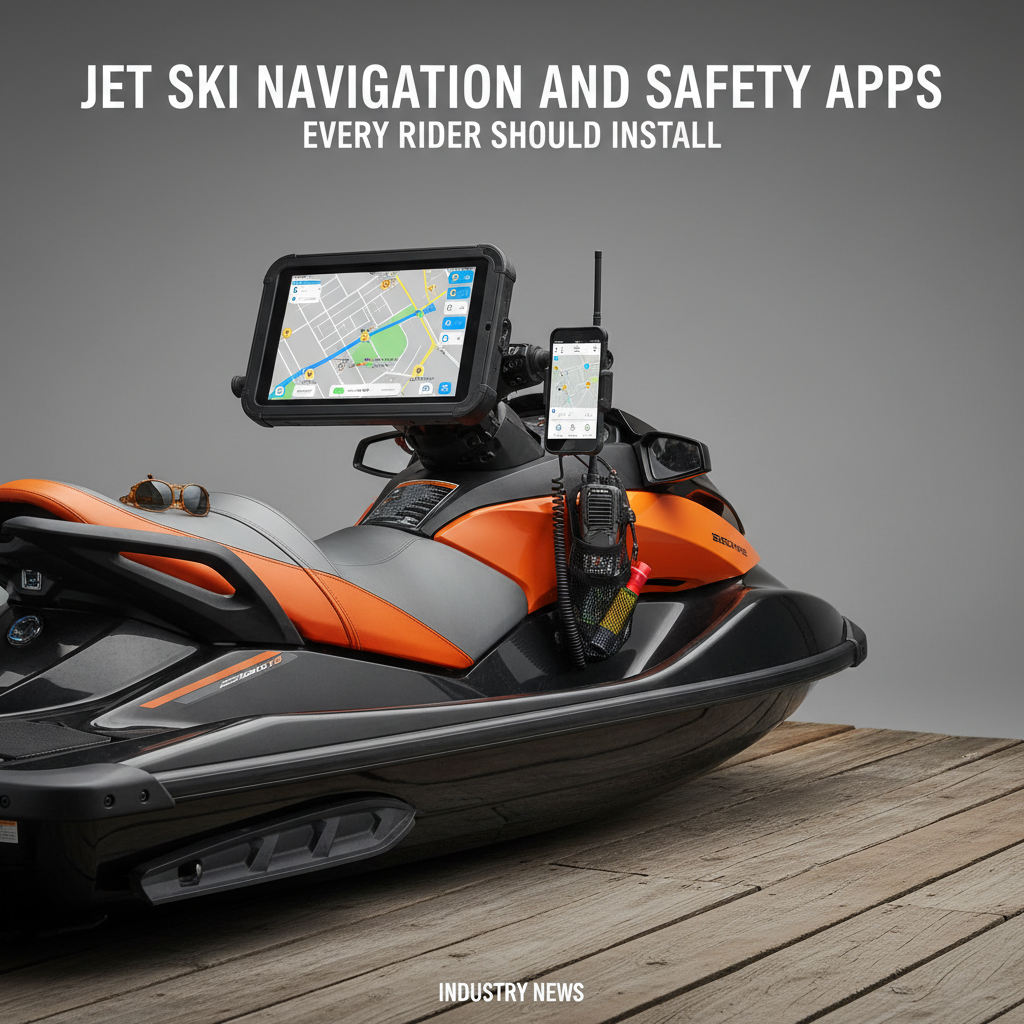
Jet Ski Navigation and Safety Apps Every Rider Should Install
Unlock a safer, more exciting ride with the top jet ski apps for 2026. This guide covers the essential navigation, weather, and safety tools every PWC rider needs on their phone.
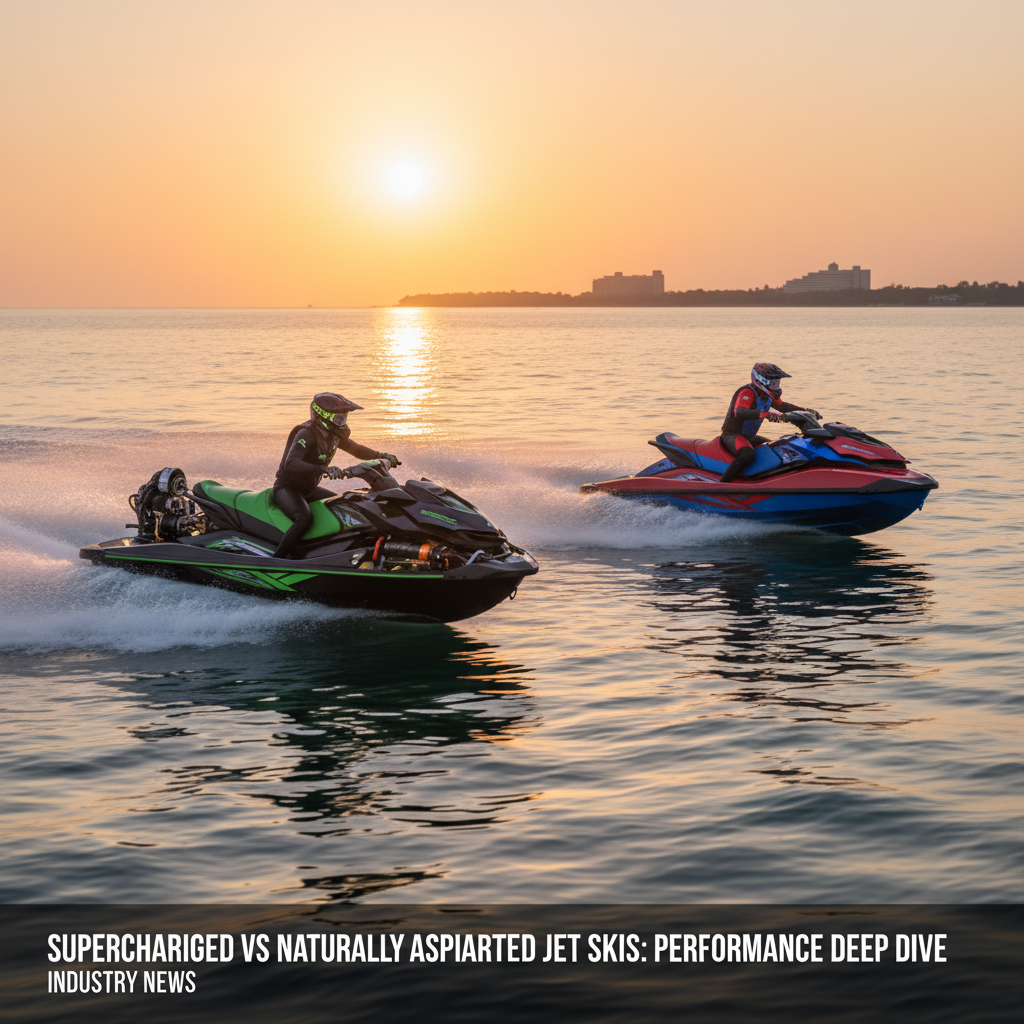
Supercharged vs Naturally Aspirated Jet Skis: Performance Deep Dive
Is a supercharged jet ski right for you? This deep dive compares supercharged vs naturally aspirated PWC performance, cost, and maintenance to help you choose the perfect ride.
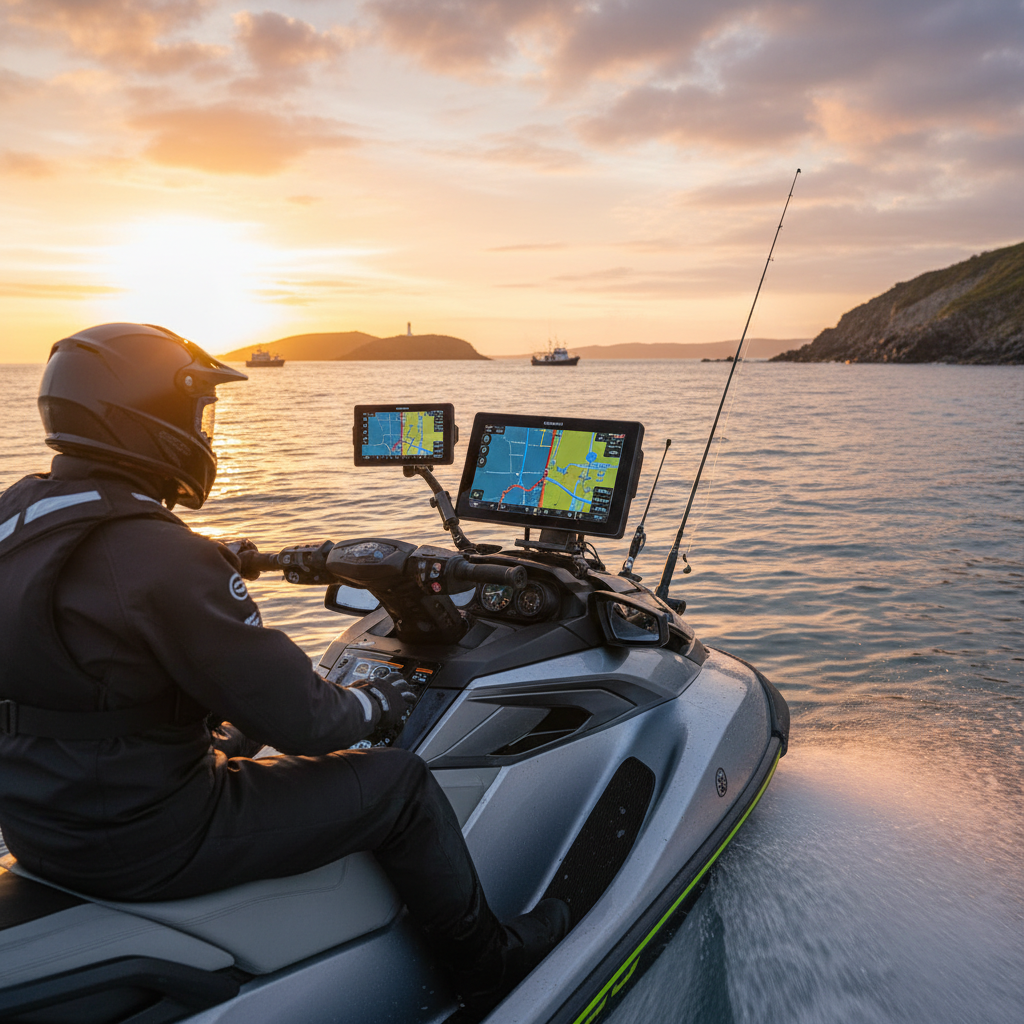
How GPS and Fish Finders Are Revolutionizing Jet Ski Adventures
Discover how a jet ski GPS and fish finder can revolutionize your PWC adventures. This 2026 guide covers everything from choosing a unit to advanced navigation techniques.
Ready to Find Your Perfect Jet Ski?
Browse thousands of listings from trusted dealers nationwide