
Yamaha TR-1 vs SVHO Engines: Which WaveRunner Powerplant Wins?
Is the lightweight Yamaha TR-1 engine right for you, or do you need the supercharged power of the SVHO? This guide breaks down the key differences to help you decide.

The Ultimate Guide to the Yamaha TR-1 Engine vs. the SVHO
When diving into the world of Yamaha WaveRunners, the engine is the heart of the machine, defining its character, performance, and purpose. Yamaha offers two standout powerplants at different ends of the spectrum: the efficient and peppy Yamaha TR-1 engine and the monstrously powerful Super Vortex High Output (SVHO) engine. Choosing between them is a critical decision that impacts everything from your initial purchase price to your fuel costs and the sheer thrill of your ride. This guide will dissect every aspect of these two legendary engines to help you make an informed choice for your 2026 personal watercraft (PWC) adventures.
Whether you're a newcomer looking for a reliable and fun entry into the sport or a seasoned adrenaline junkie craving top-tier speed, understanding the core differences is key. We'll explore the technical specifications, real-world performance, maintenance demands, and ideal user for each engine. By the end, you'll know exactly which Yamaha powerplant aligns with your budget, riding style, and performance expectations. Let's power up and compare these two engineering marvels.
Deep Dive: The Versatile Yamaha TR-1 Engine
The Yamaha TR-1 engine, specifically the TR-1 High Output (HO), is a masterclass in efficient, lightweight design. Introduced as a successor to the venerable MR-1, the TR-1 was engineered to provide spirited performance in a smaller, lighter, and more fuel-efficient package. It's a 1049cc, three-cylinder, four-stroke marine engine that has become the go-to choice for Yamaha's Rec-Lite and some recreational models, like the EX and VX series.
Its design philosophy is centered on maximizing fun without the high costs associated with larger, supercharged engines. Despite being a 'base' engine in the lineup, it's a mistake to call it underpowered. The TR-1 HO punches well above its weight class, delivering approximately 115-125 horsepower in a compact form. This results in a fantastic power-to-weight ratio in the lighter hulls it's paired with, offering nimble handling and zippy acceleration that can surprise many riders. For many people enjoying the lakes of the Midwest, you'll find plenty of jet skis for sale in Michigan powered by this reliable motor.
Key Advantages of the TR-1
The primary appeal of the TR-1 lies in its balance. It's incredibly fuel-efficient, allowing for longer days on the water without constantly worrying about refueling. This efficiency translates directly to lower running costs over the life of the PWC. Furthermore, its simpler, naturally aspirated design means maintenance is more straightforward and generally less expensive. There are fewer complex parts like superchargers and intercoolers to worry about, making it a highly reliable choice for riders who prioritize uptime and ease of ownership. The lightweight nature of the Yamaha TR-1 engine also contributes to the playful and agile feel of the WaveRunners it powers, making them perfect for towing tubes or simply carving up the water.
Unleashing the Beast: The Super Vortex High Output (SVHO) Engine
On the opposite end of the performance spectrum sits the Yamaha SVHO engine. This is Yamaha's flagship powerplant, a 1.8L (1812cc), four-cylinder, four-stroke engine that is defined by one key component: a high-performance supercharger and intercooler. This forced induction system crams massive amounts of air into the engine, allowing it to generate immense power. The SVHO engine is reserved for Yamaha's high-performance and luxury models, such as the GP and FX series, where maximum speed and acceleration are the primary goals.
Producing an estimated 250 horsepower, the SVHO is engineered for pure, unadulterated adrenaline. The moment you squeeze the throttle on an SVHO-equipped WaveRunner, the response is instantaneous and ferocious. It delivers blistering acceleration that pushes you back into the seat and a top speed that can exceed 68 mph in stock form. This engine isn't just about straight-line speed; it provides relentless torque throughout the entire RPM range, making it feel powerful and responsive in any situation, from pulling pro-level wakeboarders to racing across open water. It's a favorite among performance enthusiasts browsing for jet skis for sale in California where open-ocean riding is common.
The Price of Power: What to Expect with an SVHO
This incredible performance comes with trade-offs. The SVHO engine is significantly less fuel-efficient than the TR-1, especially when ridden aggressively. The complexity of the supercharger and its related components also means maintenance can be more involved and costly. Premium fuel (91 octane or higher) is required to prevent engine knock and ensure optimal performance, adding to the running costs. However, for the rider who demands the absolute best in PWC performance, these are often seen as acceptable costs for the exhilarating experience the SVHO delivers. Its robust construction is designed to handle the stress of high-output performance, making it surprisingly durable when properly maintained by professionals you can find trusted dealers near you to service.
TR-1 vs. SVHO: A Head-to-Head Comparison
Putting these two engines side-by-side reveals their starkly different design intentions. It's not about one being definitively 'better' but about which is better suited for a specific purpose. The Yamaha TR-1 engine is the nimble marathon runner, while the SVHO is the explosive powerlifter. Let's break down the key differences in a direct comparison.
- Displacement: The TR-1 has a 1049cc displacement, whereas the SVHO is significantly larger at 1812cc. This larger size is fundamental to the SVHO's ability to produce more power.
- Aspiration: The TR-1 is naturally aspirated, meaning it draws air into the engine at atmospheric pressure. The SVHO is supercharged, using a belt-driven compressor to force-feed air into the engine, resulting in a massive power boost.
- Horsepower: The TR-1 HO produces around 115-125 HP. The SVHO dominates with an estimated 250 HP, essentially double the power output.
- Fuel Efficiency: The TR-1 is the clear winner here, often consuming 30-40% less fuel than the SVHO under typical riding conditions. This is a major factor in long-term ownership cost.
- Weight: The TR-1 engine is significantly lighter, contributing to the agile and playful nature of the watercraft it's in. The heavier SVHO engine provides a more planted and stable feel at high speeds.
- Maintenance & Reliability: The TR-1's simpler design leads to easier, less expensive maintenance and is often considered exceptionally reliable. The SVHO is also reliable but requires more diligent maintenance of its supercharger system and has more potential points of failure.
- Cost: PWCs equipped with the Yamaha TR-1 engine are considerably more affordable than their SVHO-powered counterparts, often by thousands of dollars.
This contrast is even more apparent when you look at competitors. For example, the TR-1 competes favorably with the Rotax 900 ACE found in many Sea-Doo personal watercraft, offering a bit more punch. Meanwhile, the SVHO goes head-to-head with Sea-Doo's supercharged 300-HP Rotax 1630 ACE, creating a fierce rivalry at the top of the performance market. If you're considering selling your PWC later, the high resale value of performance models is a plus, but be sure to check our jet ski selling tips for advice.
Which Yamaha Engine Is Right For You?
Choosing your engine comes down to an honest assessment of your needs, budget, and riding style. Are you a weekend warrior looking for family fun, or are you a speed demon chasing the horizon?
Choose the Yamaha TR-1 Engine If...
You should opt for a WaveRunner with the Yamaha TR-1 engine if you are a first-time buyer, prioritize fuel economy and low running costs, or primarily ride on smaller lakes and inland waterways. It's perfect for families who need a reliable and fun machine for towing kids on a tube without breaking the bank. If you value nimble, playful handling over raw top speed, the lightweight combination of a VX or EX hull with the TR-1 engine is an unbeatable package. It provides more than enough power for a thrilling ride for the vast majority of users.
Choose the Yamaha SVHO Engine If...
You should step up to the SVHO if performance is your number one priority. If you crave the fastest acceleration, highest top speeds, and the ability to dominate in all water conditions, the SVHO is the only choice. It's ideal for experienced riders, those who ride in large bodies of water or offshore, and anyone who wants the prestige of owning a top-of-the-line machine. If you're looking for a PWC for serious tow sports like wakeboarding or want to participate in amateur racing, the SVHO's immense torque and power are essential. You'll find many of these high-performance models on our listings for jet skis for sale in Georgia and other coastal states.
Ultimately, the best way to decide is to test ride models with both engines if possible. The feeling of the TR-1's peppy response versus the SVHO's brutal acceleration is something that can't be fully captured on a spec sheet. Whether you choose the efficient fun of the TR-1 or the supercharged fury of the SVHO, you're getting a world-class engine. When you're ready to buy, browse our huge selection of newly listed jet skis to find the perfect WaveRunner for you.
Frequently Asked Questions
What 2026 Yamaha WaveRunner models use the TR-1 engine?
For the 2026 model year, the Yamaha TR-1 engine is typically found in the EX Series (EX, EX Sport, EX Deluxe) and the VX Series (VX, VX-C, VX Deluxe). It provides the ideal balance of performance and efficiency for these popular recreational models.
Is the Yamaha SVHO engine reliable?
Yes, the SVHO engine is considered very reliable for a high-performance, supercharged engine. However, it requires strict adherence to Yamaha's maintenance schedule, including regular oil changes, supercharger clutch inspections, and the exclusive use of premium fuel to ensure its longevity and performance.
Can I upgrade a TR-1 engine to have SVHO performance?
No, this is not practical. The TR-1 and SVHO are fundamentally different engines in displacement, construction, and design. While aftermarket turbo kits exist for the TR-1, achieving SVHO-level power would require a complete engine swap and extensive modifications, a process far more expensive than simply buying an SVHO-equipped WaveRunner from the start.
Ready to buy or sell? Explore the jet ski marketplace, browse jet skis for sale, jet ski valuation calculator, or sell your jet ski at Jet Sports Trader.
Related Articles
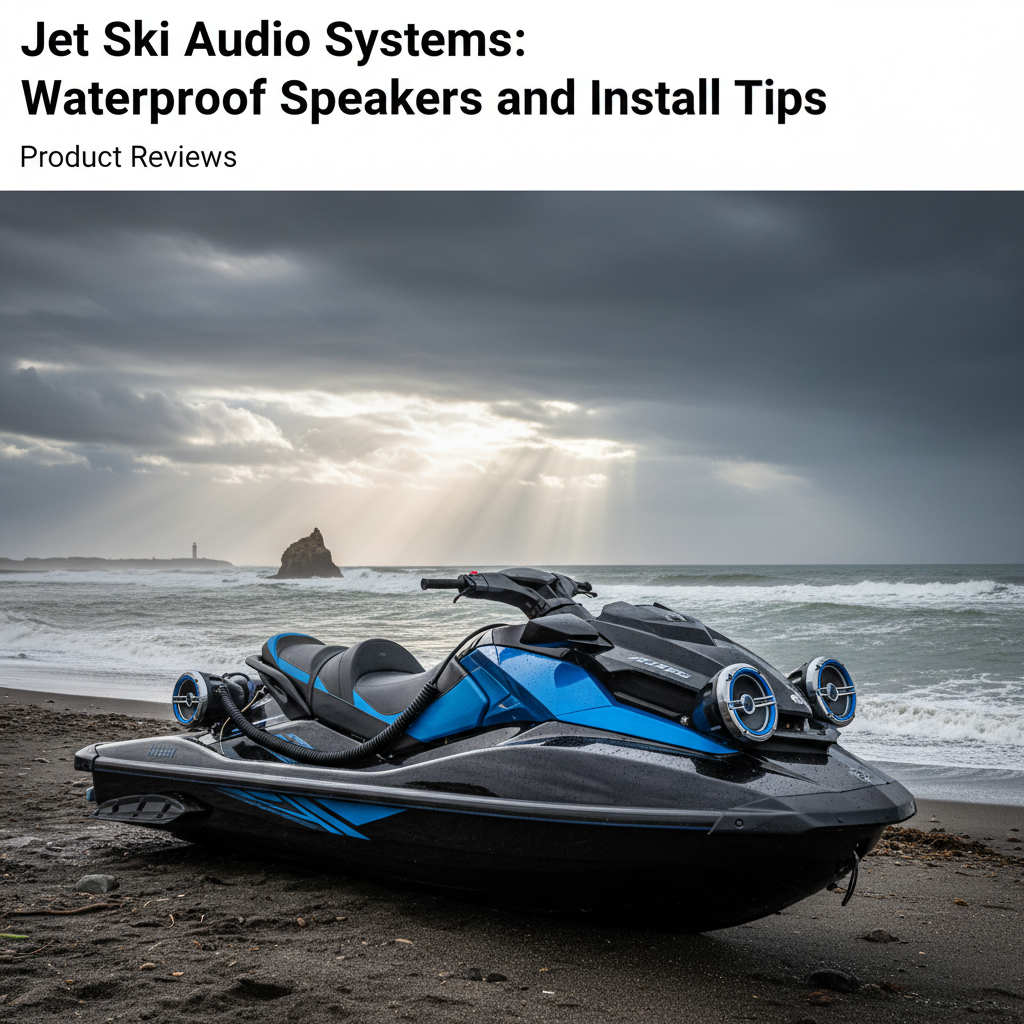
Jet Ski Audio Systems: Waterproof Speakers and Install Tips
Ready to add a soundtrack to your ride? Our guide covers the best jet ski speakers for 2026, from OEM systems to aftermarket installs, so you can find the perfect audio solution.

Sea-Doo Fish Pro Review: Is It the Best Fishing PWC?
Is the Sea-Doo Fish Pro the best fishing PWC for 2026? Our in-depth review covers the Scout, Sport, and Trophy models, performance, and competitor comparisons.
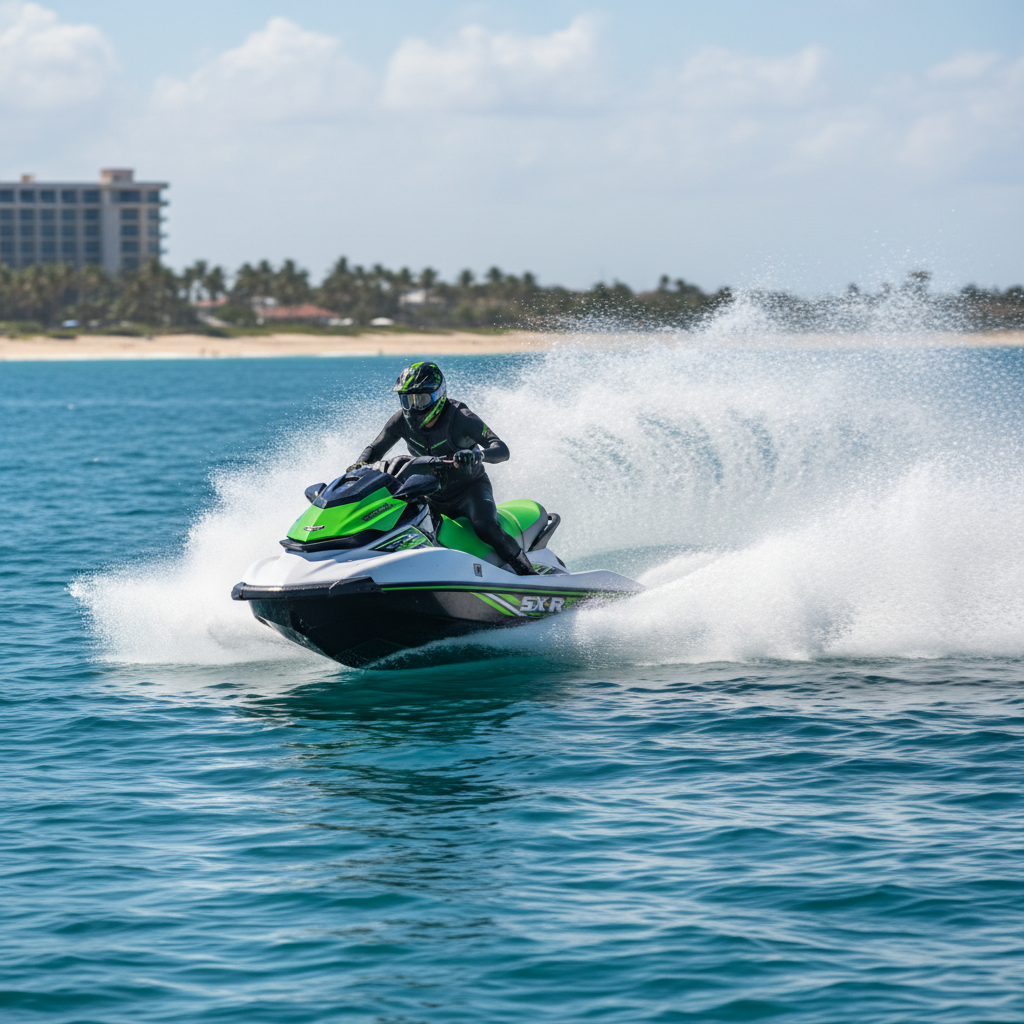
Kawasaki SX-R Review: The Modern Stand-Up Jet Ski Experience
Our comprehensive 2026 Kawasaki SX-R review covers the engine, handling, and performance of the ultimate modern stand-up. See why this 160hp beast is the king of stand-up jet skis.
Ready to Find Your Perfect Jet Ski?
Browse thousands of listings from trusted dealers nationwide