
Sea-Doo Rotax Engine Guide: Reliability, Power, and Service Intervals
Our expert guide to the Sea-Doo Rotax engine covers the entire lineup, from the 900 ACE to the 1630 ACE. Learn about power, reliability, and critical service intervals.
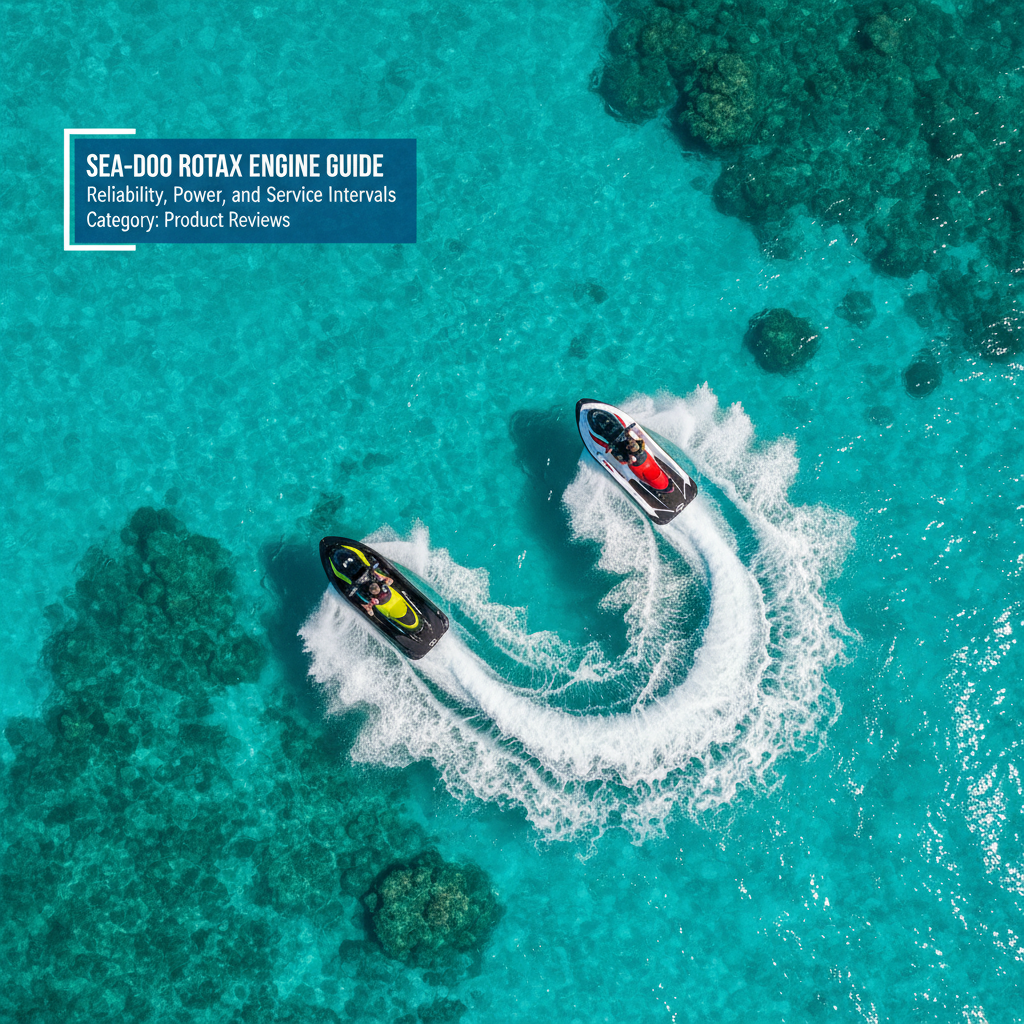
The Ultimate Sea-Doo Rotax Engine Guide: Reliability, Power & Service
The engine is the heart of any personal watercraft, and when it comes to Sea-Doo, that heart is almost always a Rotax. Understanding the nuances of the sea-doo rotax engine lineup is crucial for any prospective buyer or current owner. Whether you're chasing high-performance thrills or seeking a reliable and efficient machine for family fun, BRP's Rotax power plants offer a solution. This comprehensive guide will explore the different Rotax engine models, their power outputs, real-world reliability, and the essential service intervals you need to know to keep your PWC running flawlessly for years. We'll cover everything from the zippy 900 ACE to the formidable 325-horsepower supercharged 1630 ACE, giving you the expert knowledge to make an informed decision.
Decoding the Rotax Engine Lineup: ACE Technology Explained
BRP (Bombardier Recreational Products), Sea-Doo's parent company, utilizes its Austrian-built Rotax engines across its powersports portfolio, a testament to their robust design. The cornerstone of the modern Sea-Doo engine lineup is ACE, which stands for Advanced Combustion Efficiency. This isn't just a marketing term; it represents a design philosophy focused on maximizing power output while minimizing fuel consumption and emissions. A key feature shared across almost all modern Sea-Doo Rotax engines is the Closed-Loop Cooling System (CLCS). Unlike traditional PWC engines that use external raw water for cooling, CLCS uses an internal coolant, much like a car. This prevents corrosive saltwater and debris from entering the engine block, significantly enhancing longevity and reliability, especially for riders in coastal areas. Before diving deeper, it's worth consulting a comprehensive jet ski buying guide to see how engine choice fits into the overall purchasing decision.
The Versatile 900 ACE Family
The Rotax 900 ACE is the compact and lightweight champion in the Sea-Doo lineup. This 899cc inline-three-cylinder engine is the standard power plant for the playful Sea-Doo Spark series and the entry-level GTI models. It comes in two primary configurations: a 60-horsepower version and a 90-horsepower version. The 60hp model is incredibly fuel-efficient, perfect for beginners or those who prioritize a low cost of ownership. The 90hp variant provides a significant boost in acceleration and top speed, making the Spark Trixx and GTI models incredibly fun and agile on the water. The 900 ACE is renowned for its reliability and simple maintenance, making it an excellent choice for riders who want a hassle-free experience.
Sea-Doo Rotax Engine Power and Performance Breakdown
For those craving more size and power, the Rotax 1630 ACE is the answer. This 1630cc three-cylinder engine forms the basis for all mid-range and high-performance Sea-Doo models. It comes in a wide array of power outputs, achieved through different tuning and the addition of a supercharger. The naturally aspirated versions of the 1630 ACE are workhorses, offering fantastic reliability and strong performance. The 130hp version, often found in GTI models, provides a substantial step up from the 900 ACE, while the 170hp version, found in models like the GTI SE and FishPro Scout, delivers crisp acceleration and excellent all-around capability without the added complexity of a supercharger. These engines are often considered the sweet spot for family use and touring.
The true magic of the 1630 ACE platform is unleashed with forced induction. The supercharged variants are what give performance models like the GTR, RXT-X, and RXP-X their legendary status. The lineup typically includes a 230hp version, a 300hp version, and as of the latest 2026 models, a mind-blowing 325hp option. The supercharger, driven by the engine's crankshaft, forces more air into the combustion chamber, allowing for a much greater fuel burn and a massive increase in horsepower. This translates to blistering acceleration that can push you from 0-60 mph in under 4 seconds. These high-performance models are a popular sight on the waterways of power-hungry states, with a huge selection of jet skis for sale in Florida showcasing these potent engines.
Is a Supercharged Engine Right for You?
The allure of a 300hp Sea-Doo is undeniable, but it's not the right choice for everyone. A supercharged sea-doo rotax engine demands more from the owner. Fuel consumption is significantly higher than its naturally aspirated counterparts, and the maintenance schedule is more rigorous and expensive, requiring periodic supercharger rebuilds. The initial purchase price is also much higher. Before you commit, consider the total cost of ownership using a jet ski financing calculator to factor in the higher price, fuel, and maintenance. For riders who demand the absolute pinnacle of performance, the trade-offs are well worth it. For everyone else, the 170hp naturally aspirated 1630 ACE offers a brilliant balance of power, reliability, and efficiency.
Unpacking Rotax Engine Reliability and Longevity
A common question from new buyers is about the long-term reliability of a Sea-Doo Rotax engine. Generally, these power plants are considered very reliable, provided they are maintained correctly. BRP has refined these designs over decades, and modern engines are built to a high standard. Early supercharged models from the mid-2000s had issues with ceramic supercharger washers, but this was resolved many years ago with a switch to steel washers. Today's engines are robust, with the naturally aspirated models being particularly bulletproof. It's not uncommon to see well-maintained naturally aspirated Rotax engines exceed 1,000 hours of use. Supercharged models, due to the higher stress and heat, may have a shorter overall lifespan if ridden hard constantly, but 500-700 hours is a very achievable target before any major overhaul is considered. Proper maintenance is the single most important factor in longevity, and a well-documented service history can significantly increase your craft's value when it's time to sell your jet ski.
Essential Maintenance for Your Sea-Doo Rotax Engine
Following the recommended service schedule is non-negotiable for ensuring the reliability and performance of your PWC. Neglecting maintenance is the fastest way to encounter expensive problems. While you should always consult your owner's manual for specifics, here is a general guide to keeping your Rotax engine in prime condition. Adhering to this is one of the most important jet ski selling tips, as a clean engine with a full service log is highly desirable.
Key maintenance tasks are crucial for all owners. This is especially true when shopping for used personal watercraft for sale, as you'll want to see evidence this work has been done.
- Post-Ride Flush: This is the most critical task. Always flush the exhaust system and intercooler (if equipped) with fresh water for 5-10 minutes after every single ride, especially in saltwater.
- Annual / 50-Hour Service: This is the standard interval for changing the engine oil and filter. Most owners do this at the beginning or end of the season. It's a simple job for a DIY-inclined owner or a quick task for a dealer.
- Spark Plugs: These should be inspected annually and typically replaced every 100 hours or two years to ensure strong ignition and efficient combustion.
- Supercharger Service: This applies only to supercharged models. BRP recommends a rebuild of the supercharger, which involves replacing the bearings and seals, at approximately 200 hours or every 2 years for peak performance models. This is a critical preventative maintenance item.
- Winterization: If you live in a cold climate, properly winterizing the engine by adding fuel stabilizer and fogging the cylinders is essential to prevent damage during storage.
Keeping up with these simple procedures will pay dividends in the long run, ensuring your sea-doo rotax engine is ready to go whenever you are. This attention to detail is what buyers look for when browsing for jet skis for sale in Texas and other competitive markets.
Frequently Asked Questions
How long do Sea-Doo Rotax engines last?
With proper care, a naturally aspirated Sea-Doo Rotax engine can easily last over 1,000 hours. Supercharged models, due to higher internal stresses, typically have a lifespan of 500-700 hours before a major refresh might be considered, but this can vary widely based on usage and maintenance. Consistent flushing, timely oil changes, and respecting the supercharger service interval are key to longevity.
Are Sea-Doo Rotax engines expensive to maintain?
Maintenance costs are relative. A naturally aspirated 900 ACE or 1630 ACE is quite affordable to maintain, with basic annual service (oil, filter, plugs) costing a few hundred dollars at a dealer or less if you do it yourself. Supercharged models are more expensive due to the periodic supercharger rebuild, which can cost $500-$800. Overall, their maintenance costs are competitive within the PWC industry.
What is the difference between the Rotax 1630 ACE 170 and 300?
The core difference is forced induction. Both use the same 1630cc engine block, but the 170 is naturally aspirated, meaning it breathes air at atmospheric pressure. The 300hp model has a supercharger and an external intercooler. This hardware forces compressed, cooled air into the engine, allowing it to produce significantly more power. The 300hp model also has stronger internal components to handle the extra power and stress.
Your Engine, Your Adventure: Find Your Perfect PWC
Choosing the right sea-doo rotax engine is about matching the machine's capabilities to your personal adventure style. The efficient 900 ACE is perfect for playful, cost-conscious fun. The naturally aspirated 1630 ACE offers a powerful and highly reliable sweet spot for touring and family activities. And for the ultimate adrenaline rush, the supercharged 1630 ACE models deliver performance that is second to none. By understanding their characteristics and committing to proper maintenance, you can ensure your Sea-Doo provides countless hours of excitement on the water. When you're ready to find your next ride or upgrade to a new level of power, browse the huge selection of new and used jet skis for sale on JetSportsTrader.com, the nation's premier PWC marketplace.
Ready to buy or sell? Explore the jet ski marketplace, browse jet skis for sale, or jet ski valuation calculator at Jet Sports Trader.
Related Articles
Jet Ski Audio Systems: Waterproof Speakers and Install Tips
Ready to add a soundtrack to your ride? Our guide covers the best jet ski speakers for 2026, from OEM systems to aftermarket installs, so you can find the perfect audio solution.

Sea-Doo Fish Pro Review: Is It the Best Fishing PWC?
Is the Sea-Doo Fish Pro the best fishing PWC for 2026? Our in-depth review covers the Scout, Sport, and Trophy models, performance, and competitor comparisons.
Kawasaki SX-R Review: The Modern Stand-Up Jet Ski Experience
Our comprehensive 2026 Kawasaki SX-R review covers the engine, handling, and performance of the ultimate modern stand-up. See why this 160hp beast is the king of stand-up jet skis.
Ready to Find Your Perfect Jet Ski?
Browse thousands of listings from trusted dealers nationwide