
Sea-Doo GTI vs Yamaha VX: The Best-Selling Rec Models Head to Head
Deciding between the two best-selling PWCs? Our in-depth Sea-Doo GTI vs Yamaha VX comparison breaks down performance, handling, features, and value to help you choose.
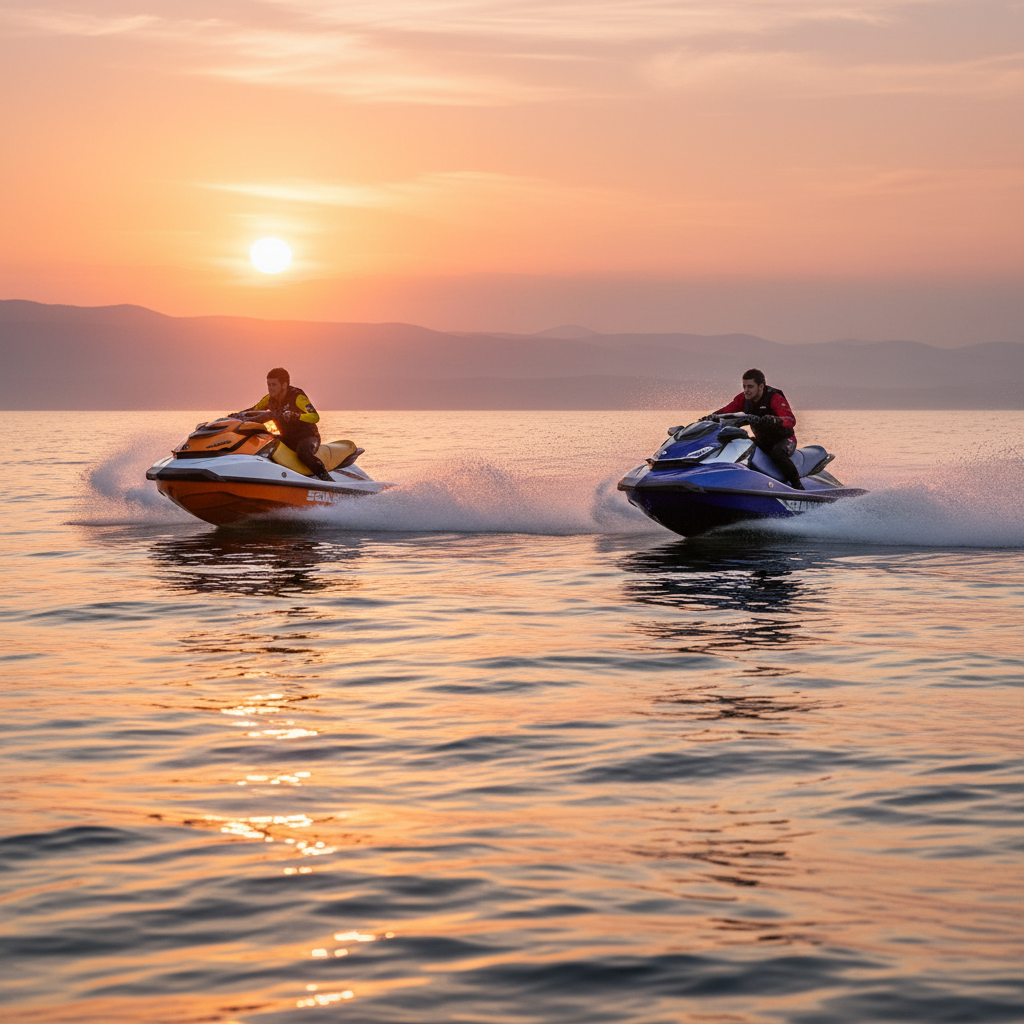
Sea-Doo GTI vs Yamaha VX: The Best-Selling Rec Models Head to Head
When you step into the world of personal watercraft, two names consistently dominate the conversation in the highly popular Recreation category: the Sea-Doo GTI and the Yamaha VX. These models are the best-sellers for a reason, offering a fantastic blend of performance, features, and value that appeals to both newcomers and seasoned riders. Making the right choice between them can feel daunting, but this comprehensive Sea-Doo GTI vs Yamaha VX comparison will break down every critical aspect. From engine power and on-water handling to technology and long-term ownership costs, we'll give you the expert insights needed to decide which of these 2026 titans deserves a spot in your garage.
For decades, BRP's Sea-Doo and Yamaha's WaveRunner division have been locked in a friendly but fierce rivalry. The GTI series has long been praised for its playful nature and innovative features, while the VX line has built an ironclad reputation for reliability and predictable handling. Both platforms offer multiple trim levels, allowing buyers to scale up from a basic, fun-filled machine to a feature-rich family cruiser. Whether you're planning family adventures on the lake or spirited solo rides along the coast, one of these PWCs is likely your perfect match. Let's dive deep into the details and see who comes out on top.
Engine Performance and Power Showdown
The heart of any PWC is its engine, and this is where the first major differences between the GTI and VX emerge. Sea-Doo offers the GTI platform with two primary Rotax engine options: the 90-horsepower 900 ACE and the more robust 130-horsepower 1630 ACE in the GTI 130 model. The 900 ACE is exceptionally fuel-efficient and provides enough pep for tubing and casual cruising, making it a great entry-level choice. The 1630 ACE in the GTI 130, however, delivers a significant jump in acceleration and a more thrilling top end, hitting speeds in the low 50s (mph). This engine provides that classic, punchy feel that many riders crave.
On the other side, the entire Yamaha WaveRunners VX lineup is powered by the legendary 1049cc TR-1 High Output marine engine. This three-cylinder, 125-horsepower workhorse is renowned throughout the industry for its incredible reliability and smooth power delivery. While its horsepower sits between the two Sea-Doo options, the TR-1 provides brisk acceleration and a top speed very comparable to the GTI 130, typically around 53 mph. The powerband is linear and predictable, which inspires confidence in novice riders while still being engaging enough for veterans. The choice here comes down to priorities: do you want the efficiency of the base GTI, the punch of the GTI 130, or the proven, all-around performance of the VX's TR-1 engine?
Fuel Efficiency and Range
For long days on the water, fuel efficiency is a critical factor. Both the Sea-Doo GTI 90 and the Yamaha VX are champions of economy. The Rotax 900 ACE engine, especially in its ECO mode, sips fuel at an impressively low rate, often under 2 gallons per hour at cruising speeds. The Yamaha TR-1 engine is also highly efficient, typically burning around 2.5 to 3 GPH at a similar pace. The more powerful GTI 130 with the 1630 ACE engine will be a bit thirstier, closer to 3.5 GPH when cruising. With both models featuring fuel tanks around 16-18 gallons, you can expect a full day of riding without constantly worrying about heading back to the dock. When planning your purchase, using a jet ski financing calculator can help you budget not just for the ski, but for these ongoing fuel costs as well.
Hull Design, Stability, and On-Water Feel
How a PWC feels on the water is just as important as its engine specs. Sea-Doo utilizes its Polytec Gen 2 hull material for the GTI series. This lightweight and durable composite material makes the GTI feel nimble and playful. It's quick to plane, easy to flick into turns, and loves to be jumped over waves. This makes it incredibly fun for riders who enjoy a more dynamic and sporty experience. While it's very stable at rest and for re-boarding, its lighter nature means it can feel a bit more active in heavy chop compared to its rival. It's a hull that encourages you to play.
Yamaha, in contrast, uses its proprietary NanoXcel material for the VX hull. This material is also lightweight but is engineered for rigidity and predictability. The VX hull is known for its exceptional stability, both at rest and at speed. It tracks straight and true, slicing through chop with confidence and providing a drier, more comfortable ride for passengers. This planted feel makes it a favorite for families and those who prioritize comfort on long-distance tours. The trade-off for this stability is a slightly less 'playful' feel than the GTI; it's more of a precision instrument than a freestyle toy. The choice in the Sea-Doo GTI vs Yamaha VX handling debate is clear: playful agility (GTI) versus confident stability (VX).
Features, Technology, and Rider Comfort
Modern Recreation PWCs are packed with technology designed to enhance safety, convenience, and fun. Sea-Doo is a leader here, equipping all GTI models with its renowned iBR (Intelligent Brake and Reverse) system. This handlebar-mounted lever allows for easy, eyes-up control for stopping, neutral, and reverse, making docking and maneuvering in tight spaces incredibly simple. Many GTI models also feature the versatile LinQ accessory system, allowing you to quickly attach coolers, fuel caddies, or storage bags. For music lovers, the optional BRP Premium Audio system delivers impressive sound quality on the water.
Yamaha counters with its own fantastic system called RiDE (Reverse with Intuitive Deceleration Electronics). Like iBR, it uses a separate lever for reverse and deceleration, providing similar confidence-inspiring control around the dock. Higher-end VX models, like the VX Cruiser, feature Yamaha's Connext touchscreen display, which provides vital engine data, security controls, and an easy-to-read interface. The Cruiser models also come with factory-installed speakers and an upgraded, tiered seat designed for maximum passenger comfort on all-day journeys. Both brands offer large swim platforms and well-designed ergonomics, ensuring a comfortable experience for riders of all sizes.
Storage and Passenger Capacity
Practicality matters, and storage is a key part of that. For 2026, the Sea-Doo GTI boasts an impressive total storage capacity of around 42.5 gallons, including a massive front storage bin and a convenient watertight phone compartment. The Yamaha VX is right there with it, offering a combined capacity of just over 40 gallons, also split between a large bow tub and a generous glovebox. Both are 3-seater models, legally capable of carrying three people and towing a tuber or wakeboarder. The tiered 'cruiser' style seats on higher-end trims from both brands significantly improve comfort for the second and third passengers.
Trim Levels and Options
It's important to note that this isn't a single model-to-model comparison. The GTI lineup includes the base GTI and the GTI SE, which adds features like the VTS (Variable Trim System), a boarding ladder, and premium colorways. The Yamaha VX line is even broader, including the base VX, the feature-rich VX Deluxe, the comfort-focused VX Cruiser, and the high-performance VX Cruiser HO. This wide range of options ensures that you can find a model from either brand that perfectly fits your feature requirements and budget, whether you're searching for jet skis for sale in Georgia or anywhere else in the country.
Ownership, Reliability, and Resale Value
A PWC is a significant investment, so long-term value and reliability are paramount. Both Sea-Doo and Yamaha have strong reputations, but they are built on different philosophies. Yamaha's TR-1 engine is arguably one of the most reliable powerplants ever put in a personal watercraft. Combined with Yamaha's legendary build quality, the VX series is known for being exceptionally durable and requiring minimal unscheduled maintenance. Many service professionals consider them to be the benchmark for dependability.
Sea-Doo's Rotax engines are also very reliable, and the brand has made huge strides in quality and durability over the past decade. A key technical difference is that Sea-Doo engines use a closed-loop cooling system, which keeps corrosive salt or lake water out of the engine block, a significant advantage for saltwater riders. Yamahas use an open-loop system, which is simpler but requires more diligent flushing after every saltwater ride. When it comes to resale value, both hold their value exceptionally well due to high demand. You can always check a PWC's approximate worth using a jet ski valuation calculator before buying or selling. If you're planning to sell in the future, following some basic jet ski selling tips can help you maximize your return, especially in hot markets like those with jet skis for sale in California and jet skis for sale in Nevada.
Frequently Asked Questions
Which is better for beginners, the GTI or VX?
While both are excellent choices, the Yamaha VX is often recommended for absolute beginners due to its incredibly stable and predictable hull. This stability inspires confidence and makes the learning curve a little smoother. However, the Sea-Doo GTI's iBR system is extremely intuitive for docking, and its lighter weight can make it feel less intimidating to some new riders.
Is the Sea-Doo GTI or Yamaha VX more reliable?
Both models are considered highly reliable in the PWC industry. However, the Yamaha VX, with its TR-1 engine, generally holds the edge in terms of long-term, bulletproof dependability and simplicity of maintenance. Sea-Doo's closed-loop cooling on the GTI is a major reliability advantage for those who ride exclusively in saltwater.
What is the real-world top speed of the GTI 130 and VX?
The top speed for both the Sea-Doo GTI 130 and the standard Yamaha VX is very similar. In ideal conditions with a light load, you can expect both models to reach approximately 52-54 mph. The main difference is felt in the acceleration and power delivery, with the GTI 130 often feeling a bit punchier off the line.
The Final Verdict: Which Rec-Lite King is for You?
After comparing the Sea-Doo GTI vs Yamaha VX, it's clear why these are the two most popular personal watercraft on the market. There is no single 'winner'; the best choice is entirely dependent on your personal priorities. The 2026 Sea-Doo GTI is the perfect choice for the rider who values a playful, sporty feel, innovative technology like iBR and the LinQ system, and the benefits of a closed-loop cooling system. It's the more feature-rich and agile of the two.
The 2026 Yamaha VX is the ideal machine for the rider who prioritizes stability, comfort, and a proven track record of rock-solid reliability. Its planted feel on the water is perfect for families, long-distance cruising, and anyone who wants a confident, predictable ride in all conditions. It's the dependable and comfortable workhorse. Ultimately, you can't go wrong with either PWC. The best way to make your final decision is to see them in person and, if possible, get a demo ride. When you're ready to make your choice, be sure to browse jet skis for sale on JetSportsTrader.com to find the best deals on new and used GTI and VX models near you.
Ready to buy or sell? Explore the jet ski marketplace, or sell your jet ski at Jet Sports Trader.
Related Articles
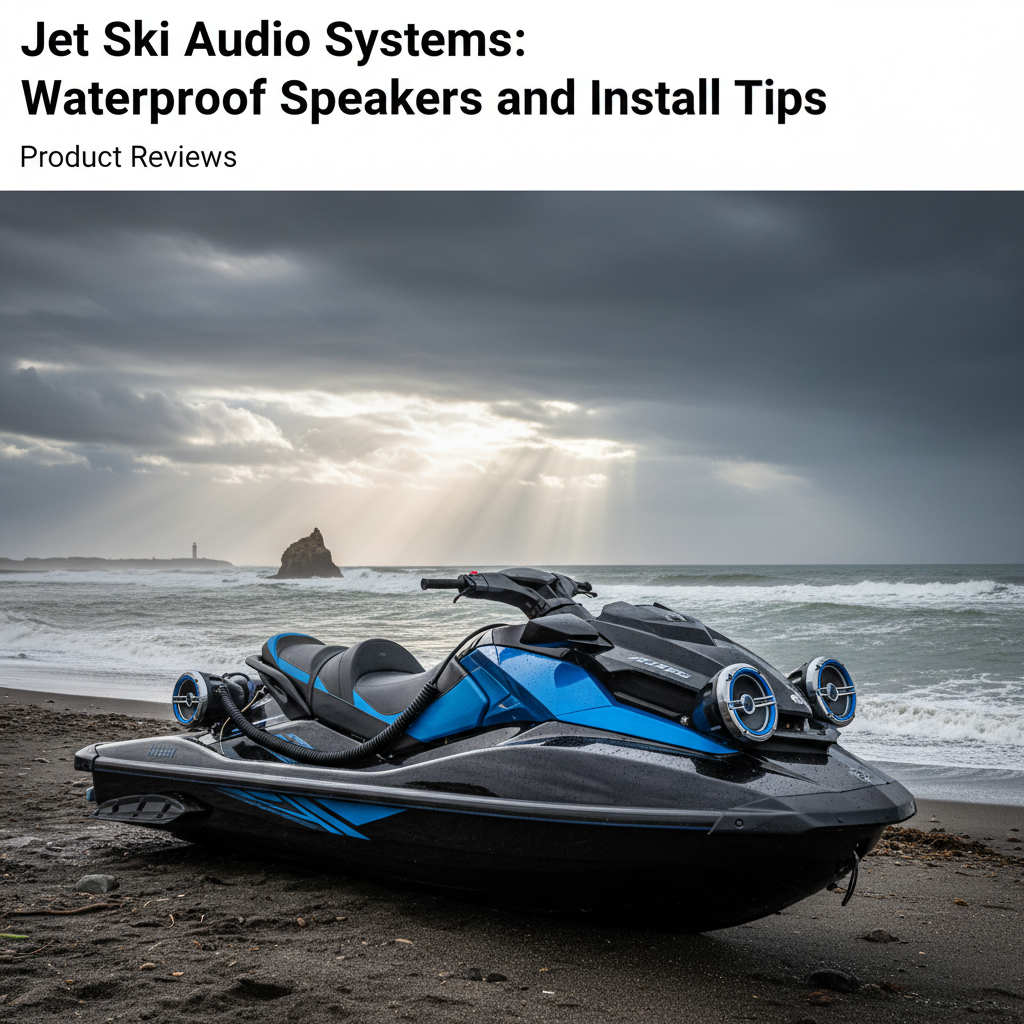
Jet Ski Audio Systems: Waterproof Speakers and Install Tips
Ready to add a soundtrack to your ride? Our guide covers the best jet ski speakers for 2026, from OEM systems to aftermarket installs, so you can find the perfect audio solution.

Sea-Doo Fish Pro Review: Is It the Best Fishing PWC?
Is the Sea-Doo Fish Pro the best fishing PWC for 2026? Our in-depth review covers the Scout, Sport, and Trophy models, performance, and competitor comparisons.
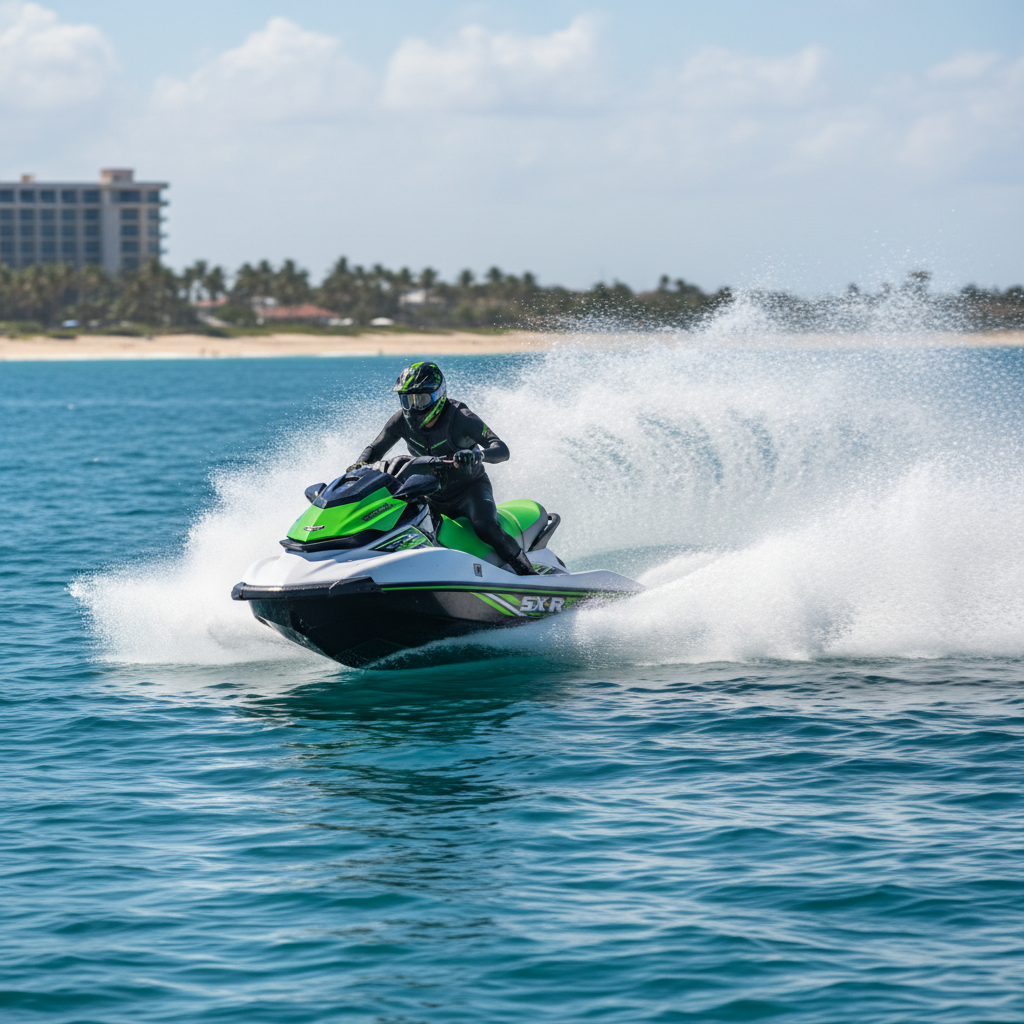
Kawasaki SX-R Review: The Modern Stand-Up Jet Ski Experience
Our comprehensive 2026 Kawasaki SX-R review covers the engine, handling, and performance of the ultimate modern stand-up. See why this 160hp beast is the king of stand-up jet skis.
Ready to Find Your Perfect Jet Ski?
Browse thousands of listings from trusted dealers nationwide