
Jet Ski Hours Explained: What Counts as High Mileage on a PWC
Understanding jet ski hours is key to buying a used PWC. Learn what's considered high mileage and how to evaluate a watercraft's true condition before you buy.
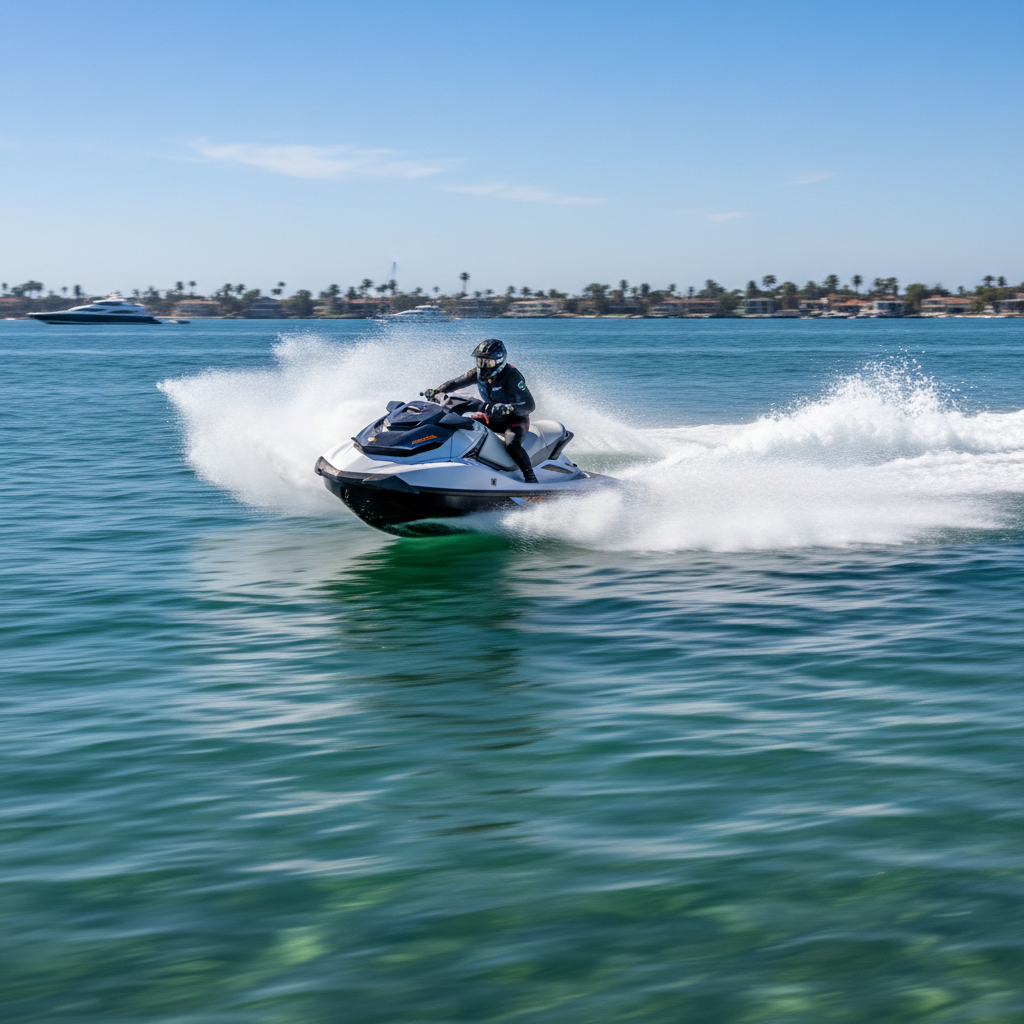
Jet Ski Hours Explained: What Counts as High Mileage on a PWC
When you're in the market for a used car, the first question you likely ask is, "How many miles are on it?" For personal watercraft (PWC), the equivalent and most crucial question is, "How many hours are on it?" Understanding jet ski hours is the single most important factor when evaluating a pre-owned machine. Unlike a car's odometer, an engine hour meter tells a more detailed story about the PWC's life, its potential longevity, and the maintenance it might require. This guide will explain everything you need to know about PWC engine hours, helping you decipher what’s low, what’s average, and what’s considered high mileage, so you can make a confident purchase.
Why Engine Hours are the "Mileage" of a Jet Ski
A PWC engine operates under far more stress than the engine in your daily driver. Think about it: jet ski engines often run at high RPMs for extended periods. There's no coasting downhill or sitting at a traffic light; it's all throttle, all the time. An hour of operation on the water can be equivalent to hundreds of miles of wear and tear on a car's engine. This is why the industry standard for measuring a PWC's usage is in hours, not miles.
The hour meter tracks the total time the engine has been running throughout its entire life. This single number provides a baseline for assessing wear on critical internal components like pistons, cylinders, bearings, and the crankshaft. It also gives you a strong indication of the usage patterns of the previous owner. A PWC with very few hours might seem like a great deal, but it could also mean it has been sitting idle for long periods, which can lead to its own set of problems like dried-out seals and gaskets or fuel system issues. Conversely, a PWC with high hours isn't automatically a bad choice if it has a verifiable and stellar maintenance history.
What is Considered Low, Average, and High Jet Ski Hours?
While there's no universal, black-and-white answer, the PWC community generally agrees on a range for what constitutes low, average, and high hours. The average recreational rider typically puts between 30 and 50 hours on their ski per year. Using this as a benchmark, we can establish some helpful guidelines for when you're browsing the market for personal watercraft for sale.
Low Hours (0-50)
A jet ski with under 50 hours is often considered to be in like-new condition. These machines have seen very little use and, in theory, should have minimal wear on their engine and drivetrain. A two-year-old ski with 40 hours is right in the sweet spot. However, be cautious with older models that have extremely low hours. A 10-year-old PWC with only 25 hours has likely been sitting for years at a time, which can be detrimental. Always inquire about its storage and whether it was properly winterized each season.
Average Hours (50-200)
This is the most common range you'll find when shopping for used jet skis for sale. A PWC in this range has been enjoyed but not abused, assuming it was owned by a responsible enthusiast. For example, a five-year-old ski with 150 hours (averaging 30 hours per year) is a perfectly reasonable find. In this range, maintenance history becomes even more critical. Ask for service records, including oil changes, spark plug replacements, and any other routine maintenance. A well-maintained ski with 180 hours is a much safer bet than a neglected one with 80 hours.
High Hours (200+)
Once a PWC crosses the 200-hour mark, buyers often become hesitant. However, with today's advanced four-stroke engines, high jet ski hours are not the deal-breaker they once were. Modern engines from top brands like Sea-Doo, Kawasaki, and Yamaha WaveRunners are engineered for longevity and can easily surpass 500 hours and even approach 1,000 hours with meticulous care. When looking at a high-hour ski, a pre-purchase inspection by a certified mechanic is non-negotiable. They can perform a compression test and check the ECU for any fault codes, giving you a true picture of the engine's health. A high-hour ski from a freshwater lake in Georgia will likely be in better shape than a saltwater ski from the coast with the same hours.
Factors That Influence the Impact of Engine Hours
The hour meter tells part of the story, but context is everything. Two skis with identical hours can be in vastly different conditions. When evaluating a PWC, you must consider several other factors that directly impact the meaning of its engine hours. A ski's history is just as important as its runtime.
Understanding these variables will help you look past the number on the display and assess the watercraft's true value and condition. A savvy buyer knows that a high-hour, well-cared-for machine is often a better investment than a low-hour, neglected one. Here are the most important factors to consider:
- Maintenance History: This is the number one factor. A thick folder of service receipts is a green flag. It shows the previous owner was proactive about oil changes, winterization, and repairs. No records? Proceed with caution.
- Type of Use (Rental vs. Private): A privately owned ski is almost always preferable. Rental skis are often run hard by inexperienced riders, receive inconsistent daily care, and accumulate hours very quickly. Avoid ex-rental skis unless the price is exceptionally low and you're prepared for potential maintenance.
- Operating Environment (Saltwater vs. Freshwater): Saltwater is highly corrosive. A ski used exclusively in freshwater, like those often found on the listings for jet skis for sale in South Carolina lakes, will generally have less corrosion on its engine, exhaust, and pump components. If buying a saltwater ski, ensure it was diligently flushed with freshwater after every single use.
- Engine Type (2-Stroke vs. 4-Stroke): Modern 4-stroke engines are known for their reliability and can handle high hours much better than older 2-stroke engines. A 2-stroke engine with 200 hours is nearing the end of its typical lifespan and may require a rebuild, while a 4-stroke with 200 hours is just getting broken in.
- Storage Conditions: Was the PWC stored in a garage, under a quality cover, or left exposed to the sun and rain? Proper storage protects the hull, seat, and plastics from UV damage and degradation, preserving the overall condition and value of the ski.
How to Check Jet Ski Hours and Verify Their Accuracy
Checking the hours on a modern PWC is usually straightforward. Turn on the battery and cycle through the digital display options using the buttons on the handlebars. The total engine hours should be clearly displayed. However, you shouldn't always take this number at face value. While uncommon, digital displays can fail and be replaced, or a dishonest seller could potentially tamper with the system.
The most reliable way to verify the jet ski hours is to have a qualified marine mechanic connect a diagnostic computer directly to the ski's Engine Control Unit (ECU). The ECU internally records the true hours, and this data cannot be easily altered. This check is a standard part of any pre-purchase inspection (PPI) and is well worth the small investment. The ECU can also reveal a history of fault codes, such as overheating or low oil pressure events, which are critical to know before you buy. When you find a promising craft on a listings page for jet skis for sale in North Carolina, budgeting for a PPI is the smartest move you can make.
Frequently Asked Questions
How many hours is too many for a used jet ski?
This is not a simple number, as it heavily depends on maintenance, model year, and engine type. For a modern 4-stroke PWC, over 300 hours is considered high, but if it comes with complete service records and passes a mechanical inspection, it can still be a reliable machine with many years of life left. For an older 2-stroke model, anything over 200 hours should be viewed with extreme caution and likely means a top-end rebuild is in its near future.
Do jet ski hours matter more than the year model?
It's a balance of both. A 2026 model with 150 hours might be more worn than a 2022 model with 50 hours. However, the newer model benefits from modern technology, improved hull designs, and more efficient engines. The ideal scenario is finding a late-model ski with low-to-average hours and a pristine maintenance history. Don't fixate on one metric; use hours, year, and overall condition to make a holistic assessment. Our complete jet ski model directory can help you compare specs across different years.
Can jet ski hours be reset or tampered with?
Unfortunately, yes. While it is difficult and not common, the hour meter on the digital display can be tampered with or reset if the gauge cluster is replaced. This is why verifying the hours via an ECU scan is so important. The ECU provides a tamper-proof record of the true engine runtime. If a seller is hesitant to allow an ECU scan during an inspection, it should be considered a major red flag.
Making the Right Choice: Your Next Steps
In the end, remember that jet ski hours are just one data point in a larger picture. A low-hour ski isn't always a gem, and a high-hour ski isn't always a lemon. The key is to use the hour reading as a starting point for your investigation. Combine that number with a thorough evaluation of the maintenance records, the ski's physical condition, its operating environment, and a professional pre-purchase inspection. By taking this comprehensive approach, you can look past the numbers and find a reliable, well-cared-for PWC that will provide countless hours of fun on the water. Ready to start your search? Browse thousands of listings from trusted sellers and find your next ride on JetSportsTrader.com, the nation's premier marketplace for jet skis for sale!
Ready to buy or sell? Explore the jet ski marketplace, browse jet skis for sale, jet ski valuation calculator, or sell your jet ski at Jet Sports Trader.
Related Articles
Best Jet Skis Under $10,000: Smart Buys on the Used Market
Looking for a jet ski under $10,000? Discover the best used models from Sea-Doo, Yamaha, and Kawasaki that offer incredible value and performance without breaking the bank.
Two-Seater vs Three-Seater Jet Skis: Choosing the Right Size
Is a 3 seater jet ski right for you? This guide breaks down the key differences in performance, stability, storage, and cost between two and three-seater models.

Jet Ski Warranties and Extended Coverage: Are They Worth It?
Is an extended jet ski warranty worth the cost? This guide covers the pros, cons, and what's included to help you decide if PWC extended coverage is a smart investment for you.
Ready to Find Your Perfect Jet Ski?
Browse thousands of listings from trusted dealers nationwide