
Jet Ski Dealer vs Private Seller: Where to Buy Your Next PWC
Deciding between a jet ski dealer vs private seller? This guide breaks down the pros and cons of each, covering price, warranty, financing, and inspections to help you make the best choice.
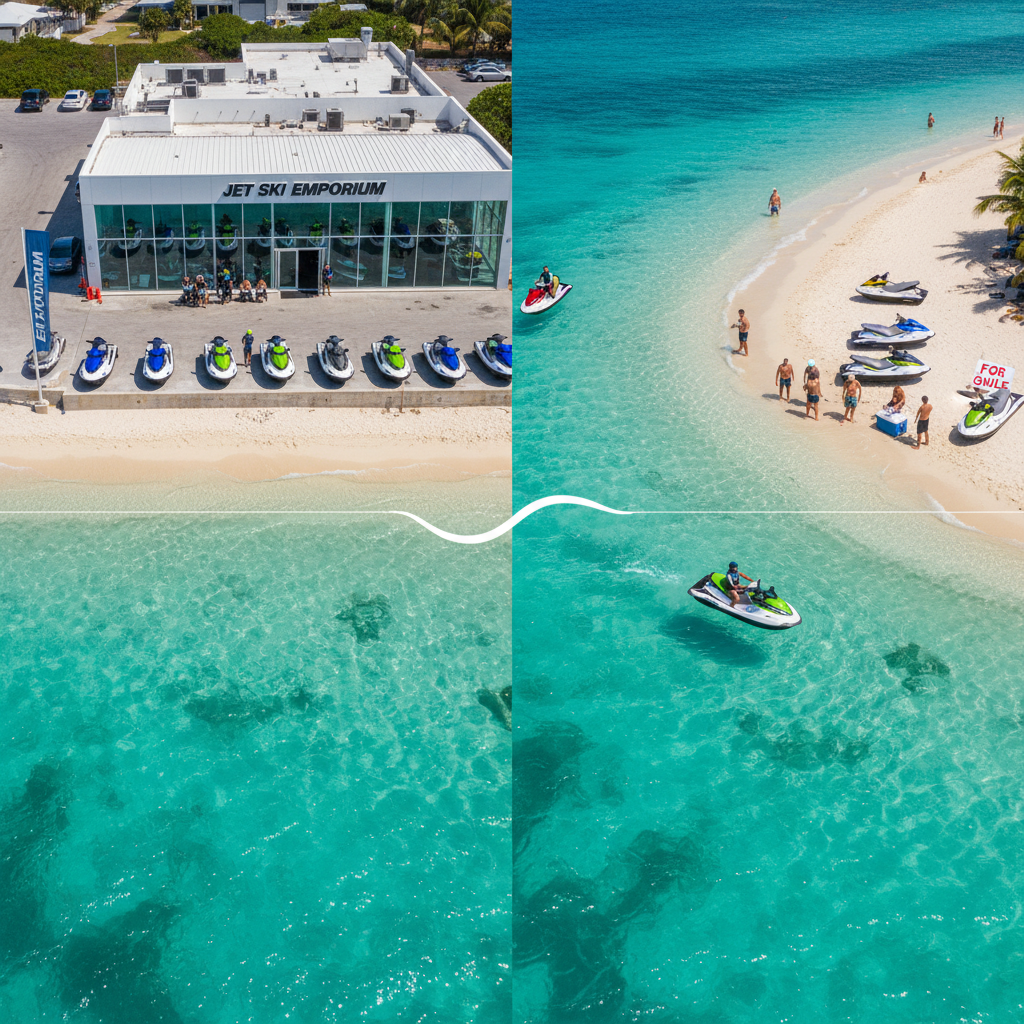
Jet Ski Dealer vs Private Seller: Where to Buy Your Next PWC
The thrill of skimming across the water on a personal watercraft (PWC) is an unmatched experience. But before you can feel the spray on your face, you face a crucial decision: where to buy your jet ski. The classic debate of jet ski dealer vs private seller is one every potential buyer grapples with. This guide will break down the pros, cons, and critical considerations of each path, empowering you to make an informed choice for your 2026 PWC purchase. Whether you're a seasoned rider or a complete newcomer, understanding these differences is the first step toward a successful and enjoyable ownership journey.
The Dealership Advantage: Warranty, Financing, and Peace of Mind
Walking into a jet ski dealership offers an immediate sense of professionalism and security. Dealers are authorized retailers for major brands like Sea-Doo, Yamaha, and Kawasaki. This relationship provides a host of benefits that are often worth the potentially higher price tag. The primary advantage is confidence in the product. You're not just buying a machine; you're buying a vetted, supported, and often warrantied watercraft from a business with a reputation to uphold.
Perhaps the most significant benefit is the availability of warranties. A new 2026 model will come with a full manufacturer's warranty, covering potential defects for a specified period. This safety net is invaluable, protecting you from unexpected and costly repairs. Many dealerships also offer Certified Pre-Owned (CPO) programs. These used PWCs have undergone a rigorous multi-point inspection and reconditioning process to meet manufacturer standards. CPO models often come with a limited dealership or manufacturer-backed warranty, providing a level of assurance you simply can't get from a private sale.
Navigating New vs. Certified Pre-Owned (CPO) Options
Choosing between a brand-new PWC and a CPO unit at a dealership depends on your budget and priorities. A new jet ski offers the latest technology, peak performance, and the longest warranty period. You get the satisfaction of being the first owner, with no hidden history or wear and tear. However, new models also come with the highest price and immediate depreciation the moment they hit the water.
A CPO watercraft presents a compelling middle ground. You get a machine that has been professionally inspected, serviced, and often comes with a warranty, but at a lower price than a new one. This can be an excellent way to get a recent model year with modern features without the full cost of a new unit. It's a smart choice for buyers who want peace of mind but are also budget conscious. When considering your options, it's always wise to check out the latest jet ski news and guides to understand current model year features and market trends.
Understanding PWC Financing and Bundled Deals
Financing is another major perk of buying from a dealer. Most dealerships have established relationships with multiple lenders, allowing them to offer competitive financing rates and flexible terms directly at the point of sale. This simplifies the buying process immensely, as you can handle the purchase, financing, and registration all in one place. Private sellers, on the other hand, require you to secure your own financing through a bank or credit union, which can be a more cumbersome process.
Dealers also frequently offer bundled packages. This can include the PWC, a trailer, safety equipment, covers, and even an extended service plan, all rolled into one monthly payment. While you should always scrutinize these deals to ensure you're getting good value, they can be a convenient and cost-effective way to get everything you need to hit the water immediately.
The Private Seller Route: Finding Value and Hidden Gems
For the savvy buyer willing to do their homework, the private market offers the potential for significant savings. When you buy from an individual, you're not paying for dealership overhead, marketing costs, or sales commissions. This often translates to a lower purchase price for the exact same model you might find on a dealer's lot. You can often find well-maintained, low-hour machines from enthusiasts who are upgrading or leaving the sport. These hidden gems are the primary allure of the private party sale.
The private market is vast, with options ranging from nearly new machines to older, more affordable models perfect for a beginner. This variety allows you to find a PWC that fits a very specific budget. Whether you're searching for jet skis for sale in Texas or browsing listings in your local area, the sheer volume of options is a major advantage. This is where a marketplace like JetSportsTrader shines, connecting you with sellers across the country.
The Art of the Deal: Negotiation and As-Is Purchases
Negotiation is a key part of the private sale process. Unlike dealerships with often firm or structured pricing, private sellers are typically more open to offers. A polite, well-reasoned offer based on the PWC's condition, hours, and market value can lead to a great deal. Using a tool like our jet ski valuation calculator can give you a powerful starting point for your negotiation, ensuring your offer is fair and informed.
However, it's crucial to remember that nearly all private sales are "as-is, where-is". This means once the money changes hands, the watercraft is yours, along with any existing or future problems. There is no warranty and no recourse if the engine fails on your first ride. This risk is the fundamental trade-off for the lower price, making a thorough evaluation before purchase absolutely non-negotiable.
Critical Steps: The Pre-Purchase Inspection and Test Ride
When buying privately, you are the one responsible for quality control. A comprehensive pre-purchase inspection (PPI) is not just recommended; it's essential. If you're not mechanically inclined, it is worth every penny to hire a qualified marine mechanic to inspect the PWC. They can identify red flags like signs of saltwater corrosion, previous repairs, engine compression issues, or a delaminating hull that you might miss.
A test ride is equally important. Never buy a PWC without riding it on the water. This allows you to check for:
- Proper engine starting and idling
- Smooth acceleration without hesitation
- Correct operation of steering and reverse functions
- Any unusual noises or vibrations
- The accuracy of gauges and displays
Key Differences in Price and Value: What Are You Paying For?
The price difference in the jet ski dealer vs private seller debate is clear. A dealer's price includes the cost of the PWC plus their overhead, profit margin, and the value of any included warranties or services. You are paying a premium for convenience, security, and post-sale support. For many, especially first-time buyers, this premium is a worthwhile investment for peace of mind.
With a private seller, the price more closely reflects the PWC's raw market value. You are paying for the asset itself and nothing more. The "value" comes from your ability to secure a lower price, but it requires you to invest your own time and effort into inspections, paperwork, and assuming all the risk. The best value isn't always the lowest price. It's the price that best aligns with your risk tolerance, mechanical knowledge, and desire for convenience. From the bustling PWC scenes with jet skis for sale in Florida to the lake life of the north with jet skis for sale in Michigan, market conditions can vary, so research is key.
Paperwork and Legalities: Title Transfers and Registration
Handling the paperwork is another area where dealers and private sellers differ significantly. A dealership has a dedicated team to handle all the legalities. They will manage the title transfer, process the registration with the state, and collect the appropriate sales tax. It's a seamless, professional process that ensures everything is done correctly. This is particularly helpful when dealing with a financed purchase, as the lender will have its own requirements.
In a private sale, the buyer and seller are responsible for managing the entire transaction. This includes verifying the seller has a clean title in their name, creating a bill of sale, and visiting the local DMV or wildlife agency to transfer the title and register the PWC in your name. You must be diligent to ensure the Hull Identification Number (HIN) on the watercraft matches the title exactly and that there are no outstanding liens. While not overly complicated, it requires careful attention to detail to avoid future legal headaches. Be sure to check your state's specific requirements for PWC title transfers and registration.
Conclusion: Making the Right Choice for Your PWC Purchase
Ultimately, the choice between a jet ski dealer vs private seller depends on your personal priorities. If you value security, convenience, financing options, and a warranty, a dealership is likely your best bet. The higher upfront cost is an investment in a worry-free buying experience and post-sale support. If you are budget-focused, mechanically savvy, and willing to put in the effort to perform due diligence, the private market can offer unbeatable value. The key is to be a smart, informed shopper regardless of the path you choose. Armed with this knowledge, you're ready to start your search. The perfect watercraft is waiting for you, so why not browse jet skis for sale on JetSportsTrader today?
Frequently Asked Questions
Is it cheaper to buy a jet ski from a private seller?
Generally, yes. Private sellers do not have the overhead costs of a dealership, such as staff salaries, rent, and marketing. This means their asking price for a comparable used PWC is often significantly lower. However, this lower price comes with the trade-off of an "as-is" sale with no warranty or dealer support, so the buyer assumes all the risk.
What questions should I ask a private jet ski seller?
Asking the right questions is crucial. Key questions include: How many hours are on the engine? Do you have the service and maintenance records? Has it ever been in an accident or had major repairs? Was it used primarily in freshwater or saltwater? Why are you selling it? Do you have a clean title in your name? Their answers will give you great insight into the PWC's history and condition.
Do jet ski dealers take trade-ins?
Yes, most jet ski dealers absolutely accept trade-ins. This is a major convenience, as it allows you to apply the value of your current watercraft directly toward the purchase of a new or CPO model. This simplifies the process, as you don't have to go through the hassle of selling your old PWC yourself. While you might get more money selling it privately, the convenience of a trade-in is a significant advantage for many buyers.
Ready to buy or sell? Explore the jet ski marketplace, or sell your jet ski at Jet Sports Trader.
Related Articles
Jet Ski Shipping and Delivery: Costs and How Long-Distance Buys Work
Considering a long-distance PWC purchase? Our guide breaks down jet ski shipping costs, logistics, and how to safely transport your new watercraft.

Jet Ski Insurance Claims: What's Covered and How to File
Filing a jet ski insurance claim can be stressful. Our expert guide covers what your PWC policy protects, how to file, and what to do if your watercraft is a total loss.

Best Jet Skis Under $10,000: Smart Buys on the Used Market
Looking for a jet ski under $10,000? Discover the best used models from Sea-Doo, Yamaha, and Kawasaki that offer incredible value and performance without breaking the bank.
Ready to Find Your Perfect Jet Ski?
Browse thousands of listings from trusted dealers nationwide