
Jet Ski Covers and Seat Care: Protecting Your Investment Year-Round
Protect your PWC with the right jet ski cover and proper seat care. This guide covers everything from material choice to cleaning tips to preserve your investment's value.
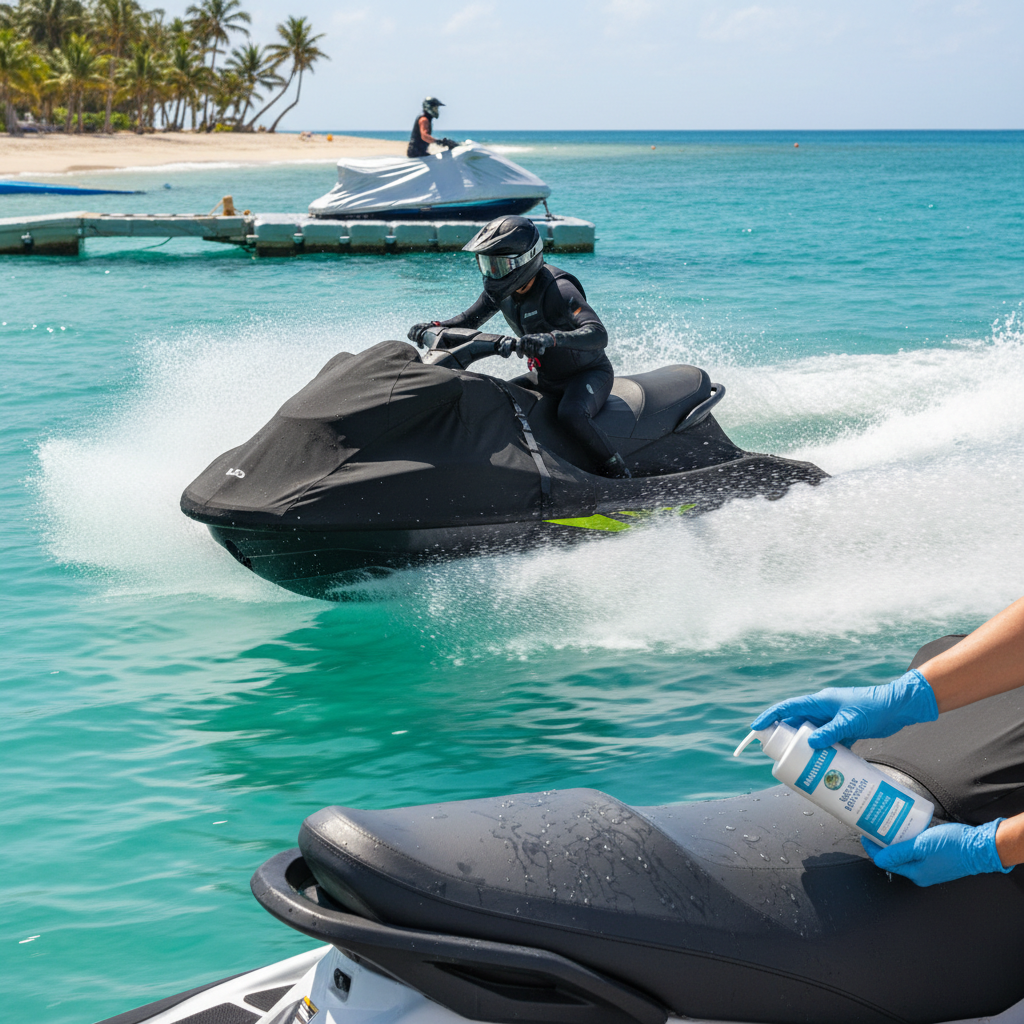
The Ultimate Guide to Your Jet Ski Cover and Seat Care in 2026
You’ve experienced the thrill, the wind, the spray, the pure adrenaline of skimming across the water on your personal watercraft (PWC). It’s an investment in fun and freedom. But what happens when the ride is over? Protecting that investment is just as important as enjoying it. A high-quality jet ski cover and a consistent seat care routine are your first lines of defense against the elements, aging, and costly repairs. This guide will walk you through everything you need to know to choose the perfect cover and keep your jet ski’s seat looking brand new year-round.
Why a High-Quality PWC Cover is Non-Negotiable
Thinking of a PWC cover as an optional accessory is a costly mistake. It’s an essential piece of equipment that works 24/7 to safeguard your watercraft's value, appearance, and performance. From harsh sun to unexpected downpours, a proper cover is the single best thing you can do to protect your jet ski when it’s not in the water. It’s a small price to pay to protect a significant asset, especially if you've used a jet ski financing calculator and understand the long-term financial commitment.
Protection from the Elements (UV, Rain, Debris)
The environment is your jet ski's biggest enemy. Intense sun, like that found by owners of jet skis for sale in Nevada, can cause the vibrant colors of your hull to fade and become chalky through oxidation. More importantly, UV rays degrade plastic components, rubber seals, and especially your seat vinyl, leading to cracks and brittleness. A UV-resistant jet ski cover acts as a powerful sunblock. Rain and humidity, a common concern for those with jet skis for sale in Georgia, can seep into electrical components and encourage mold and mildew growth in the footwells and on the seat. A water-repellent or waterproof cover keeps moisture out, preventing these issues before they start. It also shields your PWC from bird droppings, falling leaves, dust, and pollen that can stain and damage the finish.
Deterring Theft and Vandalism
An uncovered, gleaming jet ski is an open invitation to thieves and vandals. A snug, secure cover makes your PWC a much less attractive target. It conceals the make and model, hiding its value from prying eyes. For a potential thief, the extra time and noise required to remove a well-fitted cover significantly increases their risk of being caught. This simple layer of security can be the difference between your jet ski being there in the morning or becoming a statistic. It provides peace of mind whether your PWC is on a trailer in your driveway, at a marina, or in a storage lot.
Choosing the Perfect Jet Ski Cover: Material, Fit, and Features
Not all PWC covers are created equal. The market is flooded with options, but understanding the key differences in material, fit, and features will help you select a jet ski cover that offers maximum protection for your specific needs. Investing in the right one from the start saves you money and headaches down the road. For the best selection and advice, you can always find trusted dealers near you who stock quality options.
Understanding Cover Materials: From Polyester to Acrylic
The material is the most critical factor in a cover's performance. Here’s a breakdown of common options for 2026:
- Marine-Grade Polyester (300D - 600D): This is the most popular and well-rounded choice. The 'D' stands for Denier, a measure of fiber thickness; higher numbers mean a more durable, heavy-duty fabric. A 600D polyester cover offers excellent water resistance, good UV protection, and superior tear strength. Look for materials that are solution-dyed, which means the color is part of the fiber itself, making it highly resistant to fading.
- Acrylic Coated Polyester: This adds an extra layer of waterproofing and UV protection to a standard polyester fabric, making it ideal for harsh climates. It provides a robust barrier against the elements while remaining breathable.
- Blended Fabrics: Some premium covers use a blend of polyester and cotton. The cotton on the inside is soft and won't scratch your PWC's finish, while the polyester exterior provides durability and weather resistance.
Avoid cheap, thin nylon or basic plastic tarps. They trap moisture, which can cause more damage than no cover at all, and they will quickly degrade and tear in the sun and wind.
Custom-Fit vs. Universal Covers
The fit of your jet ski cover is just as important as its material. A custom-fit cover is designed for a specific make and model, like the popular Yamaha WaveRunners. It provides a snug, trailerable fit that won't flap or billow in the wind, which is crucial for preventing abrasion on the highway. They often include built-in pockets for mirrors and other protrusions. A universal or semi-custom cover is designed to fit a range of PWCs within a certain size class. While more affordable, they may not offer the same level of protection, especially during trailering. For long-term storage or if you live in a windy area, a custom-fit cover is the superior choice.
The Ultimate Jet Ski Seat Care and Maintenance Guide
Your jet ski’s seat is the centerpiece of its appearance and a major factor in your comfort. It’s also one of the most vulnerable components, constantly exposed to sun, saltwater, and friction. Neglecting seat care leads to fading, cracking, and eventual tearing, which is an expensive repair. A proactive approach to cleaning and protecting your seat vinyl will keep it supple, vibrant, and comfortable for years.
Routine Cleaning and Stain Removal
Regular cleaning is the foundation of good seat care. After every use, especially in saltwater, give the seat a quick rinse with fresh water to remove salt crystals that can dry out the vinyl. For a deeper clean every few weeks, follow these steps:
- Use a Dedicated Cleaner: Avoid harsh household cleaners, bleach, or ammonia-based products. These chemicals will strip the vinyl of its natural oils, making it brittle. Use a pH-neutral marine vinyl cleaner specifically designed for the job.
- Apply and Agitate: Spray the cleaner onto a section of the seat and use a soft-bristled brush or microfiber towel to gently agitate the surface. This will lift dirt, sunscreen residue, and grime from the vinyl's texture.
- Rinse Thoroughly: Rinse the seat completely with fresh water to remove all traces of the cleaner and loosened dirt.
- Dry Completely: Use a clean microfiber towel or chamois to dry the seat. Letting water air-dry can leave mineral spots. Ensure the seat is 100% dry before putting your jet ski cover on to prevent mildew.
For tough stains like mildew or ink, use a specialized marine stain remover, following the product's directions carefully and testing on an inconspicuous area first.
UV Protection and Conditioning for Longevity
Cleaning is only half the battle; protection is the other. After cleaning and drying your seat, you must apply a protectant. Think of it as sunscreen and moisturizer for your vinyl. A quality marine-grade UV protectant and conditioner, applied once a month, will work wonders. These products create a microscopic barrier that blocks harmful UV rays, preventing fading and cracking. They also contain conditioning agents that restore moisture to the vinyl, keeping it soft and flexible. This simple step is critical for owners in sunny coastal areas, from those with jet skis for sale in North Carolina to riders across the country.
Frequently Asked Questions About Jet Ski Covers and Seats
We get a lot of questions about PWC maintenance. Here are answers to some of the most common ones regarding covers and seats.
Can I use a generic tarp instead of a jet ski cover?
While a tarp is better than nothing in a pinch, it's a poor long-term solution. Tarps are not breathable, meaning they trap moisture against your PWC's surface, promoting mold, mildew, and potential corrosion. They also lack the soft inner lining, secure straps, and UV protection of a proper jet ski cover, and can easily scratch your finish or be torn off by the wind.
How often should I clean my jet ski seat?
You should rinse your seat with fresh water after every single use, especially after riding in saltwater. A deep clean with a dedicated marine vinyl cleaner should be performed every 3-4 outings or at least once a month, depending on usage. Applying a UV protectant should also be done monthly to maintain the vinyl's health and appearance.
What's the best way to store my jet ski cover when not in use?
Before storing your cover, make sure it is completely clean and dry. Folding or rolling it while damp is a recipe for mildew. Most quality covers come with a storage bag. If yours didn't, a simple mesh duffel bag works perfectly. Store it in a dry, ventilated area away from direct sunlight. Never store it in a sealed plastic bin where moisture can become trapped.
Protect Your Ride, Preserve Your Fun
Your jet ski is a source of incredible joy and a significant financial investment. Protecting it with the right gear is simply smart ownership. A durable, well-fitted jet ski cover and a consistent seat care regimen are not expenses; they are investments in the longevity, value, and beauty of your watercraft. Whether you're preparing for winter storage in colder climates and looking at jet skis for sale in New York or battling year-round sun, these practices are universal. By following the advice in this guide, you ensure that your PWC will be ready for action and looking its best for many seasons to come. Ready to find your next adventure? Browse our featured jet ski listings today!
Ready to buy or sell? Explore the jet ski marketplace, browse jet skis for sale, jet ski valuation calculator, or sell your jet ski at Jet Sports Trader.
Related Articles

Jet Ski Audio Systems: Waterproof Speakers and Install Tips
Ready to add a soundtrack to your ride? Our guide covers the best jet ski speakers for 2026, from OEM systems to aftermarket installs, so you can find the perfect audio solution.

Sea-Doo Fish Pro Review: Is It the Best Fishing PWC?
Is the Sea-Doo Fish Pro the best fishing PWC for 2026? Our in-depth review covers the Scout, Sport, and Trophy models, performance, and competitor comparisons.
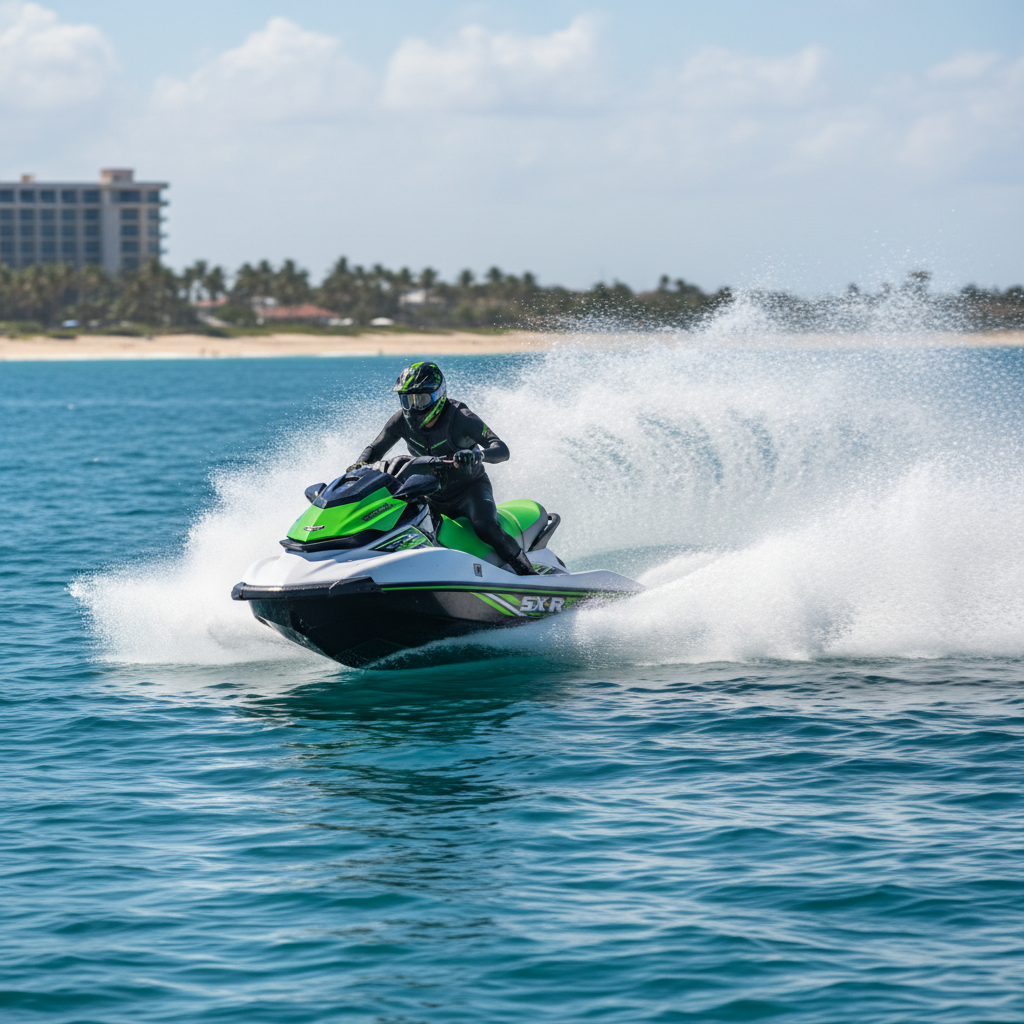
Kawasaki SX-R Review: The Modern Stand-Up Jet Ski Experience
Our comprehensive 2026 Kawasaki SX-R review covers the engine, handling, and performance of the ultimate modern stand-up. See why this 160hp beast is the king of stand-up jet skis.
Ready to Find Your Perfect Jet Ski?
Browse thousands of listings from trusted dealers nationwide