
How to Evaluate a Used Jet Ski: A Buyer's Checklist That Prevents Expensive Surprises
Dont get sunk! Our checklist helps you spot hidden flaws in used jet skis, saving you from expensive surprises. Ride smart, buy smart.
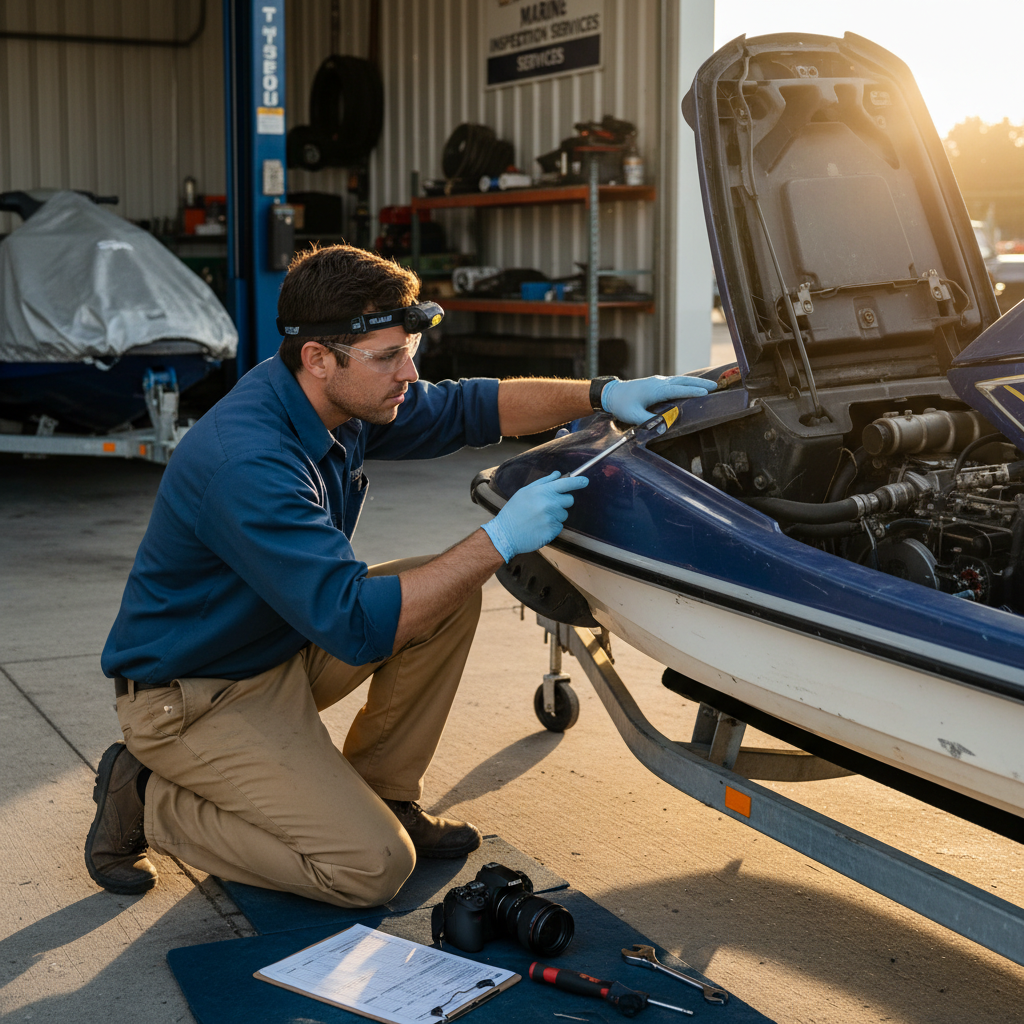
How to Evaluate a Used Jet Ski: A Buyer's Checklist That Prevents Expensive Surprises
Dreaming of exhilarating days on the water, the wind in your hair as you carve through waves? A used jet ski can be an incredible way to achieve that dream without the upfront cost of a brand-new model. However, diving into the pre-owned market without a solid strategy is like jumping on a High Performance Jet Skis without knowing how to swim, it can lead to some very expensive surprises. This comprehensive buyer's checklist is your essential guide to navigating the used jet ski market, ensuring you make an informed decision and avoid common pitfalls.
Why a Thorough Inspection Matters
Unlike a New Jet Skis for Sale, a used personal watercraft (PWC) comes with a history. That history can be full of careful maintenance and responsible ownership, or it could be littered with neglect, hidden damage, and costly repairs waiting to happen. Our goal here is to equip you with the knowledge to tell the difference. From verifying ownership to meticulously checking the engine, every step in this checklist is designed to save you money and headaches in the long run.
Step 1: The Initial Contact & Asking the Right Questions
Before you even lay eyes on the jet ski, gather as much information as possible from the seller. This can eliminate unsuitable options early on.
- Request Documentation: Ask for the VIN (Hull Identification Number), title, and any service records upfront. A reputable seller will have these readily available.
- Understand the History: Inquire about how often it was used, where it was stored (indoors/outdoors, fresh/saltwater), and the last time it was serviced.
- Reason for Selling: While sometimes a generic answer, it can occasionally reveal underlying issues or if the owner is upgrading to Recreational Jet Skis with more features.
- Gauge Seller Responsiveness: How quickly and thoroughly do they answer your questions? This can be an indicator of their honesty and professionalism.
Step 2: The Visual Inspection, Outside In
Once you're at the jet ski, begin with a thorough visual inspection. Don't be afraid to get down on your hands and knees.
2.1 Hull and Body
- Look for Cracks and Repairs: Pay close attention to the hull, especially around the bond line, bow, and stern. Small scratches are normal, but deep gouges, cracks, or amateur repairs could indicate significant impacts or structural issues.
- Gel Coat Condition: Fading, chalkiness, or extensive oxidation can suggest the jet ski was stored improperly or exposed to excessive UV rays, which can degrade other components.
- Rub Rail: Check for excessive wear or damage, another sign of hard use or frequent impacts.
- Seating: Look for tears, sun fading, or mold. While often an inexpensive fix, it can indicate overall care (or lack thereof).
2.2 Controls and Accessories
- Handlebars and Grips: Ensure they are secure and not loose. Grips should be intact.
- Throttle and Steering: Check for smooth operation and no sticking. The steering should move freely lock-to-lock.
- Gauges and Displays: Turn the ignition on (if possible) to see if all gauges light up and appear functional. Look for dim or faulty displays.
- Storage Compartments: Open and close all compartments. Check for dryness, mold, or water intrusion.
Step 3: The Mechanical Deep Dive
This is where the real detective work begins. While you might not be a certified mechanic, you can spot many red flags.
3.1 The Engine Bay
- Open the Hood: Immediately note any unusual odors (fuel, burning electronics).
- Corrosion: This is critical, especially for jet skis used in saltwater. Look for rust or white, chalky residue on metal components, wiring, and battery terminals. Severe corrosion is a major red flag and can lead to immediate and long-term electrical and mechanical failures. If you're looking at a PWC in Jet Skis for Sale in California or Jet Skis for Sale in Texas, saltwater exposure is a definite consideration.
- Fluid Leaks: Inspect for oil, fuel, or coolant leaks around hoses, connections, and the engine block.
- Hoses and Belts: Check for cracks, fraying, dryness, or stiffness. Squeeze hoses, they should feel pliable.
- Wiring: Look for frayed wires, exposed insulation, or amateur repairs (electrical tape everywhere).
- Battery: Check for proper installation, terminal corrosion, and the battery's age if visible.
3.2 The Impeller and Drive Shaft
- Pump Nozzle: Manually move the nozzle to check for smooth operation.
- Impeller: Visually inspect the impeller blades for nicks, bends, or damage from debris. Even small dings can reduce performance and efficiency.
- Intake Grate: Check for cracks or excessive wear.
- Drive Shaft: While harder to inspect fully, look for signs of excessive rust or play if visible.
Step 4: The Test Drive (If Possible) & Engine Start-Up
If purchasing from a dealer like Yamaha WaveRunner Dealers, a test ride might be standard. For private sales, it's less common but invaluable.
- Cold Start: Insist on seeing the jet ski started cold. A warm engine can mask starting issues. Listen for unusual noises, knocking, grinding, squealing.
- Idle: Does it hold a steady idle without stalling or rough running?
- Throttle Response: If on the water, note how it responds to throttle input. Is it smooth or hesitant?
- Steering: Does it turn smoothly and predictably?
- Trim System: If equipped, test the trim system for smooth operation.
Step 5: The Paperwork & Final Checks
- Match VIN: Ensure the VIN on the jet ski matches the title and registration.
- Lien Check: Verify there are no outstanding liens on the title.
- Registration: Check that the registration is current.
- Trailer Inspection: Don't forget the trailer! Check tires, lights, frame rust, and coupler.
When in Doubt, Get a Professional Inspection
If you're serious about a particular jet ski and it passes your initial checks, but you still have reservations, invest in a professional pre-purchase inspection from a trusted marine mechanic. The cost of an inspection (typically $100-$300) is a small price to pay to avoid a multi-thousand-dollar repair bill down the line. They can perform compression tests, diagnostic scans, and identify issues that are beyond the scope of a visual inspection.
By following this comprehensive checklist, you significantly increase your chances of finding a reliable used jet ski that will provide countless hours of fun on the water, free from unexpected and expensive surprises. Happy riding!
Ready to buy or sell? Explore the jet ski marketplace, browse jet skis for sale, jet ski valuation calculator, or sell your jet ski at Jet Sports Trader.
Related Articles

How to Choose Your First Personal Watercraft: A Complete Buying Guide
First-time jet ski buyer? This comprehensive guide covers everything from choosing the right PWC category to understanding new vs used options and budgeting tips.
Ready to Find Your Perfect Jet Ski?
Browse thousands of listings from trusted dealers nationwide