
How to Choose the Perfect Jet Ski Trailer: Complete Buying Guide
Choosing the right jet ski trailer is critical for safety and convenience. Our complete 2026 buying guide covers trailer types, materials, key features, and proper sizing.
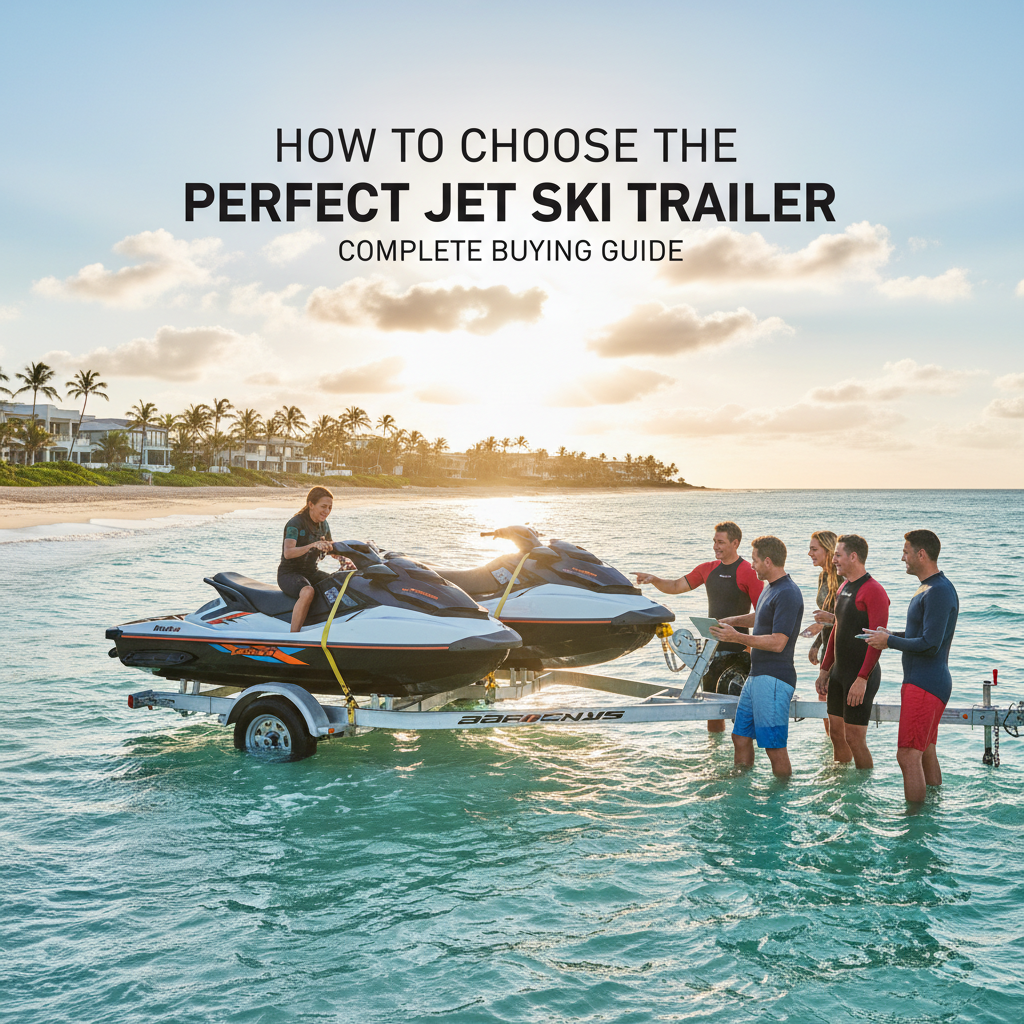
How to Choose the Perfect Jet Ski Trailer: Complete Buying Guide
You’ve found the perfect personal watercraft (PWC), and you’re ready to hit the water. But there’s one crucial piece of equipment that stands between you and your aquatic adventures: the trailer. Choosing the right jet ski trailer is just as important as choosing the PWC itself. It’s your key to safely transporting your investment to and from the launch ramp, ensuring years of hassle-free fun. This guide will walk you through everything you need to know in 2026 to select the perfect PWC trailer, from types and materials to critical features and proper sizing.
Single vs. Double: Choosing Your Trailer Capacity
The first and most fundamental decision is how many watercraft you need to carry. Your choice between a single or double trailer will impact cost, storage space, and the towing capacity required of your vehicle. This isn't just about your current needs, but also anticipating your future PWC family.
The Versatile Single Jet Ski Trailer
A single jet ski trailer is the most common choice for PWC owners. It's designed to carry one watercraft, making it lighter, more maneuverable, and easier to store than its larger counterparts. If you're a solo rider or your family only plans on having one PWC, a single trailer is the most logical and economical option. They are easier to move by hand in your driveway or garage and can be towed by a wider range of smaller vehicles, including many sedans and compact SUVs. When browsing the wide variety of personal watercraft for sale, you'll often see them packaged with a single trailer, simplifying the buying process.
Growing Your Fleet with a Double Jet Ski Trailer
If you own two PWCs or plan to buy a second one soon, a double trailer is the most efficient solution. Towing one double trailer is far safer and more convenient than attempting to tow two separate single trailers. These trailers are heavier and require a vehicle with a higher towing capacity, typically a larger SUV or a truck. While they are more expensive upfront and take up more storage space, the convenience of launching two skis simultaneously is a major benefit for families and groups of friends. A double trailer also provides better stability on the highway due to its wider stance and dual load.
Trailer Construction: Aluminum vs. Galvanized Steel
The material your trailer is made from will dictate its weight, lifespan, and resistance to corrosion, a critical factor, especially if you ride in saltwater. The two main options are aluminum and galvanized steel, each with distinct advantages and disadvantages.
Aluminum trailers are the premium choice for many riders. They are significantly lighter than steel, which can improve your tow vehicle's fuel economy and make the trailer easier to handle. Their biggest selling point is superior corrosion resistance. Aluminum naturally resists rust, making it the ideal material for saltwater environments, like those found when enjoying the jet skis for sale in California. While they have a higher initial cost, their long-term durability and lower maintenance needs can make them a worthwhile investment.
Galvanized steel trailers offer a more budget-friendly alternative. These trailers are made from steel that has been dipped in a protective zinc coating to prevent rust and corrosion. They are strong, durable, and perfectly suitable for freshwater use. However, if the galvanized coating gets scratched or chipped, the underlying steel can be exposed to moisture and begin to rust. For this reason, they require more diligent maintenance, including regular rinsing after every use (especially in saltwater) and touching up any compromised areas of the coating. They are heavier than aluminum, so ensure your vehicle can handle the extra weight.
Key Features That Define a Quality Jet Ski Trailer
Beyond the basic frame, several components determine a trailer's performance, safety, and ease of use. Paying attention to these details will separate a frustrating experience at the boat ramp from a smooth, effortless one.
Suspension System: Leaf Spring vs. Torsion Axle
A trailer's suspension absorbs road shock, protecting your PWC's hull from damage during transit. The two primary types are leaf spring and torsion axle.
- Leaf Spring Suspension: This is the traditional, more common, and less expensive system. It uses stacked, curved plates of steel (leaves) to absorb bumps. It's a proven and effective system, but its many moving parts can be prone to wear and rust over time, especially in saltwater.
- Torsion Axle Suspension: This is a more modern and premium system. It uses rubber cords inside the axle tube to provide a smoother, quieter ride with less vibration. With fewer moving parts, torsion axles require less maintenance and offer better corrosion resistance, making them a superior choice for long-term durability.
Bunks vs. Rollers: Supporting Your PWC
The bunks or rollers are what your jet ski's hull actually rests on. Carpeted wooden bunks are the most common and provide excellent support across a wide surface area, which is ideal for distributing the PWC's weight and protecting the hull. They are simple and cost-effective. Roller systems, on the other hand, can make launching and retrieving your PWC easier, as the ski can roll on and off the trailer with less effort. However, rollers can create pressure points on the hull if not properly configured for your specific PWC model, so bunks are often considered the safer bet for hull integrity.
Lights, Jacks, and Winches
Never overlook the smaller components. Modern jet ski trailer models should feature sealed, waterproof LED lighting, which is far more reliable and longer-lasting than traditional incandescent bulbs. A quality tongue jack is also essential; it allows you to easily raise and lower the trailer coupler onto your vehicle's hitch ball without straining your back. Finally, a sturdy winch and strap are critical for safely securing your PWC to the trailer post. Ensure the winch is rated for your PWC's weight and that the strap is free from frays or sun damage.
Proper Sizing and Weight Capacity Explained
Choosing the wrong size trailer is a recipe for disaster. You must match the trailer to both your personal watercraft and your tow vehicle. Start by finding the “dry weight” of your PWC in its owner's manual. Then, add the weight of fuel (gasoline weighs about 6 lbs per gallon), and any gear you store in it. This total gives you your “wet weight.”
Every trailer has a Gross Vehicle Weight Rating (GVWR), which is the maximum total weight it can safely carry, including the PWC and the trailer itself. You must ensure your PWC’s wet weight is well below the trailer’s maximum carrying capacity. It's always better to have more capacity than you need. For example, if your PWC weighs 900 lbs wet, a trailer with a 1,200 lb capacity provides a safe margin. This is especially important if you plan on long-distance towing, perhaps across large states like when looking at jet skis for sale in Texas.
You must also consider your tow vehicle. Check your vehicle's owner's manual for its maximum towing capacity and tongue weight rating. The tongue weight-the downward force the trailer tongue exerts on the hitch, should typically be 10-15% of the total trailer weight. Exceeding these limits is illegal and extremely dangerous, compromising your vehicle's braking and steering.
Conclusion: Your Gateway to the Water
A high-quality jet ski trailer is a long-term investment in the safety and enjoyment of your sport. By considering the number of skis you'll carry, the materials best suited for your environment, and the key features that ensure a smooth ride, you can make an informed decision. Whether you're buying a complete package from our listings of used jet skis for sale or purchasing a trailer separately from one of the professionals you can find trusted dealers near you for, this knowledge will serve you well. Take your time, do your research, and choose a trailer that will reliably carry your PWC to countless adventures. Ready to find your next ride? It's time to browse jet skis for sale and get on the water!
Frequently Asked Questions
Do I need brakes on my jet ski trailer?
Most single jet ski trailer models do not come with brakes, as their total weight typically falls below the legal threshold that requires them (often 3,000 lbs GVWR, but this varies by state). However, some heavier double trailers or trailers for the largest 3-seater PWCs may offer surge brakes as an option. It's always best to check your state's specific trailering laws to ensure compliance.
How do I maintain my PWC trailer?
Regular maintenance is key to a long trailer life. After every use, especially in saltwater, thoroughly rinse the entire trailer, including the axle, springs, and frame, with fresh water. Periodically check tire pressure, inspect wheel bearings for proper lubrication (re-grease as needed), and test all lights before every trip. Also, inspect the winch strap for wear and tear and check that all bolts are tight.
Can I use a single trailer for different jet ski models?
Generally, yes, but with an important caveat. You must ensure the trailer's bunks are adjusted properly for the specific hull shape of each jet ski. An improperly adjusted bunk can fail to support the hull correctly, leading to potential damage. Always adjust the bunk width and angle to provide a snug, even fit for the PWC you are currently hauling.
Ready to buy or sell? Explore the jet ski marketplace, jet ski valuation calculator, or sell your jet ski at Jet Sports Trader.
Related Articles
Best Jet Skis Under $10,000: Smart Buys on the Used Market
Looking for a jet ski under $10,000? Discover the best used models from Sea-Doo, Yamaha, and Kawasaki that offer incredible value and performance without breaking the bank.
Two-Seater vs Three-Seater Jet Skis: Choosing the Right Size
Is a 3 seater jet ski right for you? This guide breaks down the key differences in performance, stability, storage, and cost between two and three-seater models.
Jet Ski Warranties and Extended Coverage: Are They Worth It?
Is an extended jet ski warranty worth the cost? This guide covers the pros, cons, and what's included to help you decide if PWC extended coverage is a smart investment for you.
Ready to Find Your Perfect Jet Ski?
Browse thousands of listings from trusted dealers nationwide