
Essential Safety Tips Every Beginner Jet Ski Rider Must Know
New to jet skiing? Master these crucial safety fundamentals before hitting the water. From proper gear to navigation rules, this guide keeps beginners safe and confident.
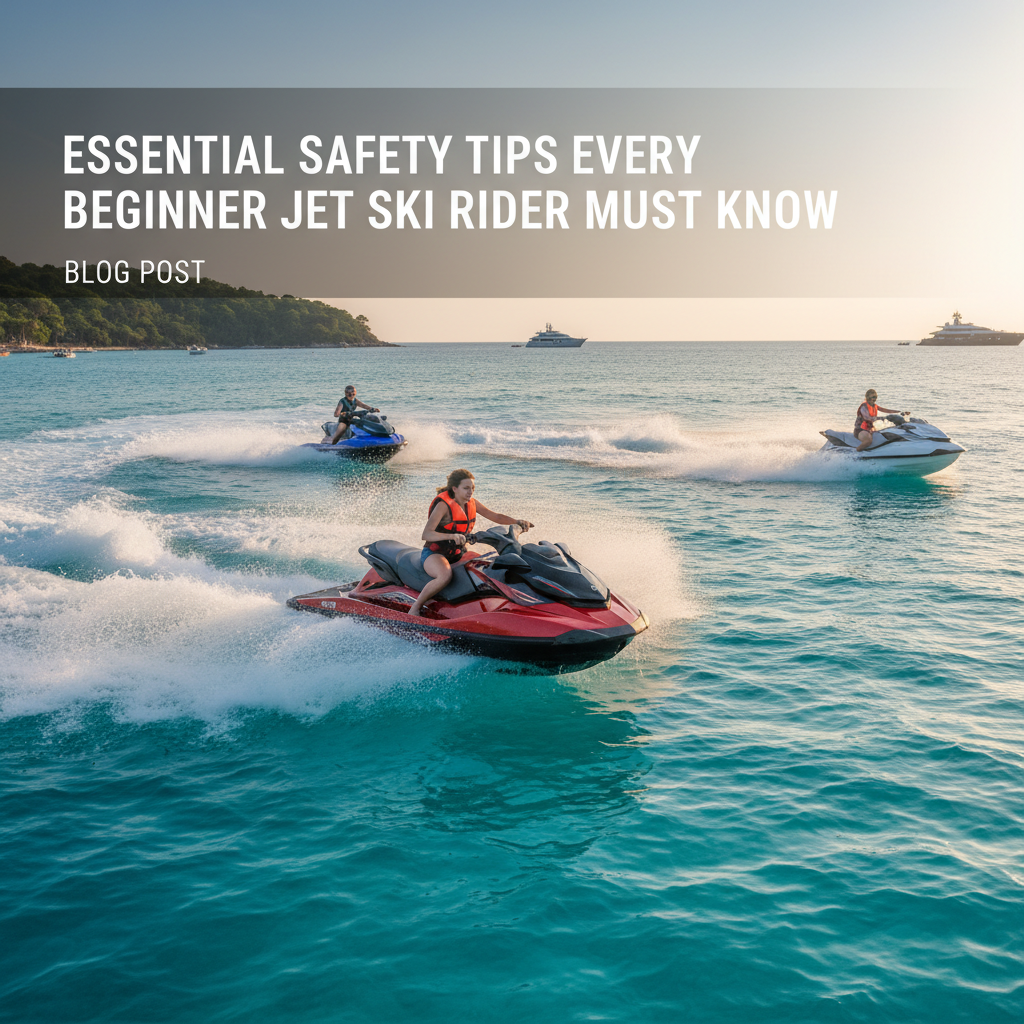
Essential Safety Tips Every Beginner Jet Ski Rider Must Know
Riding a jet ski for the first time is exhilarating, but understanding safety fundamentals ensures your experience stays enjoyable. Whether renting for a vacation or purchasing your first PWC, these essential tips will keep you and others safe on the water.
Understanding Your Watercraft
Know Your Controls
Before leaving the dock, familiarize yourself with every control on your jet ski. Locate the throttle, steering mechanism, kill switch lanyard, and any trim controls. Understanding how these work together prevents dangerous situations when quick reactions are needed.
Weight and Balance
Every jet ski has specific weight capacity limits. Exceeding these limits affects stability, handling, and stopping ability. When riding with passengers, ensure combined weight stays within manufacturer specifications. Improper loading creates tipping hazards.
Starting and Stopping
Practice starting and stopping in calm, open water before venturing further. Jet skis have no brakes, they stop by cutting throttle and naturally decelerating. Understanding stopping distances at various speeds prevents collisions.
Essential Safety Gear
Life Jackets Are Non-Negotiable
Coast Guard regulations require approved personal flotation devices (PFDs) for every rider. Choose a Type III PFD specifically designed for watersports, these allow freedom of movement while providing adequate flotation. Ensure proper fit: snug but comfortable.
Kill Switch Lanyard
Always attach the kill switch lanyard to your wrist or life jacket. If you fall off, this lanyard automatically stops the engine, preventing the jet ski from circling back toward you, a genuine danger with unmanned watercraft.
Eye Protection
Water spray, wind, and sun glare all impair vision. Wear polarized sunglasses or goggles designed for water sports. Secure them with a strap to prevent loss during falls.
Appropriate Footwear
Water shoes or neoprene booties protect feet from hot surfaces, sharp objects, and provide grip when boarding. Never ride barefoot on unfamiliar watercraft.
Navigation Rules and Etiquette
Right of Way Rules
Understanding navigation rules prevents collisions and conflicts. Generally, vessels approaching from your right have the right of way. Sailboats and human-powered vessels always have priority over jet skis. When in doubt, yield.
Safe Distances
Maintain at least 100 feet from other vessels, swimmers, and fixed objects. At higher speeds, increase this distance significantly. Remember that stopping distance increases exponentially with speed.
No-Wake Zones
Respect no-wake zones near docks, swimming areas, and marinas. These zones exist to protect property and people. Violating no-wake rules carries significant fines and endangers others.
Avoid Swimming Areas
Never operate a jet ski near designated swimming areas. Swimmers are difficult to spot in the water, and jet ski intakes can cause serious injury. Keep at least 200 feet from any swimming beach or marked swimming zone.
Weather Awareness
Check Conditions Before Riding
Review weather forecasts before every outing. Wind speeds above 15 mph create challenging conditions for beginners. Avoid riding when thunderstorms are predicted, lightning and open water are a deadly combination.
Watch for Changing Conditions
Weather on open water changes rapidly. Learn to read cloud formations and wind patterns. If conditions deteriorate, head to shore immediately. Being caught in sudden storms creates life-threatening situations.
Understanding Waves and Chop
Choppy water dramatically affects jet ski handling. Approach waves at angles rather than head-on or parallel. Reduce speed in rough conditions, airborne launches often end in dangerous falls.
Riding Techniques for Safety
Proper Body Position
Maintain a balanced, athletic stance with knees slightly bent. Keep your weight centered over the seat. When turning, lean into the turn like a motorcycle. Proper positioning prevents falls and maintains control.
Speed Management
Excessive speed is the leading cause of jet ski accidents. Start slow and gradually increase speed as confidence grows. Remember that stopping distance at 50 mph is significantly longer than at 25 mph.
Turning Safely
Jet skis require throttle to turn effectively. Unlike boats, releasing the throttle during a turn reduces steering response. Practice gradual turns before attempting sharp maneuvers.
Riding with Passengers
Passengers affect weight distribution and handling. Brief passengers on proper positioning, they should hold your waist or designated handles, never the throttle operator. Start with gentle maneuvers when carrying passengers.
Emergency Preparedness
What to Do If You Fall Off
Falling off happens to everyone. Stay calm and locate your jet ski. Most modern jet skis are designed to circle slowly or stop when the rider falls off (if the lanyard is attached). Approach from the rear to avoid the intake grate, and reboard using the stern platform.
Capsizing Recovery
If your jet ski capsizes, check the hull for the rotation direction indicator, rolling it the wrong way can flood the engine. Once righted, restart the engine immediately to clear water from exhaust. If the engine does not start, signal for assistance.
Basic First Aid Knowledge
Carry a basic first aid kit and know how to treat common water injuries: cuts, sunburn, dehydration, and hypothermia symptoms. Understanding when to call for help versus self-treating prevents minor issues from becoming emergencies.
Communication Devices
Always carry a waterproof communication device. VHF marine radios are ideal, but waterproof phone cases work for recreational riding. Let someone on shore know your planned route and expected return time.
Legal Requirements
Licensing and Age Requirements
Many states require boater education certificates or jet ski-specific licenses. Age restrictions vary, some states prohibit operators under 16. Research your local requirements before riding.
Registration and Insurance
Jet skis require registration like any motorized vehicle. Consider watercraft insurance, accidents happen, and liability protection provides peace of mind. Many rental companies verify insurance status before releasing equipment.
Alcohol and Watercraft
Operating a jet ski under the influence of alcohol is illegal in all states and carries serious penalties. Alcohol impairs judgment, reaction time, and swim ability, factors critical to water safety.
Maintenance and Pre-Ride Checks
Before Every Ride
Perform a quick safety check before departing: verify fuel levels, check for visible damage or leaks, ensure the battery is charged, and confirm all safety equipment is aboard and accessible.
Regular Maintenance
Proper maintenance prevents breakdowns that strand riders far from shore. Follow manufacturer service schedules for oil changes, spark plugs, and impeller inspections. Well-maintained equipment performs predictably in emergencies.
Building Experience Safely
Take a Course
Professional jet ski safety courses accelerate learning and cover scenarios you might not anticipate. Many marinas and boating organizations offer half-day certification programs. The investment in education pays dividends in confidence and safety.
Ride with Experienced Operators
Learning alongside experienced riders provides real-time guidance and safety backup. Observe their techniques, ask questions, and gradually build independence as skills develop.
Progressive Skill Building
Resist the temptation to attempt advanced maneuvers before mastering basics. Build skills progressively: start in calm conditions, master basic handling, then gradually challenge yourself with varied conditions and techniques.
Safe jet ski operation combines knowledge, preparation, and respect for the water. By following these fundamentals, beginners can enjoy the thrill of personal watercraft while minimizing risks. Remember: the best ride is one where everyone returns safely to shore.
Ready to buy or sell? Explore the jet ski marketplace, browse jet skis for sale, jet ski valuation calculator, or sell your jet ski at Jet Sports Trader.
Ready to Find Your Perfect Jet Ski?
Browse thousands of listings from trusted dealers nationwide